
For many, home was once exclusively a sanctuary for relaxation and family moments. However, the profound shifts brought about by the global pandemic irrevocably altered this perception. What was once solely a personal retreat has now evolved into a dynamic multi-functional hub, increasingly serving as a dedicated professional workspace. Whether you operate as a fully remote professional, manage a burgeoning small business from home, or embrace a hybrid work model that blends office and home-based days, a universal need has emerged: a comfortable, quiet, and highly functional workspace thoughtfully separated from the primary living areas of the house. This shift isn’t just a temporary trend; it represents a fundamental re-evaluation of home design and its essential role in our daily lives.

The Ascendance of Home Offices in the U.S. Real Estate Market
In the vibrant and ever-evolving U.S. real estate market, the presence of a dedicated home office has rapidly transitioned from a luxury amenity to a highly sought-after, and often non-negotiable, feature for a vast majority of today’s homebuyers. This paradigm shift is not merely anecdotal; it is strongly supported by robust industry data. According to a compelling report from the National Association of Home Builders (NAHB), more than 60% of contemporary homebuyers now explicitly include a “dedicated home office” as a critical preference in their home search criteria. Delving deeper into these statistics, a significant 66% of buyers express a clear preference for a home equipped with at least one dedicated workspace, while an additional 13% desire the flexibility and capacity of two or more distinct home offices within their future residence.
This escalating demand is strikingly evident across prominent online property listing platforms such as Zillow and Realtor.com. Terms like “home office,” “workspace,” and “flex room” are not only appearing with far greater frequency in property descriptions but are also registering consistently high engagement and search volume among prospective buyers. This linguistic shift in property listings reflects a deeper, fundamental change in buyer priorities and expectations, signaling that real estate professionals are acutely aware of this growing market segment.
Furthermore, in specific, high-demand real estate markets—particularly those characterized by a strong presence of tech industries and a culture of innovation, such as Austin, Texas; Denver, Colorado; and Raleigh, North Carolina—homes that feature well-designed and functional home offices often command higher sale prices and experience significantly shorter market times. These properties tend to sell quicker, reflecting the intense competition among buyers who are actively seeking homes that cater to their professional needs. Modern homebuyers are increasingly looking beyond the traditional metrics of multi-bedroom or multi-bathroom homes; they are actively seeking versatile, adaptable spaces—rooms that can seamlessly transition into a productive office, a creative studio, a quiet study area, or a private meeting space as required. This adaptability and foresight in design are proving to be powerful differentiators in a competitive market.
The long-term implications of this trend suggest that a well-executed home office addition or renovation can offer a substantial return on investment, making a property more attractive and valuable in the eyes of a broader pool of buyers. As remote and hybrid work models continue to solidify their place in the professional landscape, the home office is no longer a temporary fix but a permanent fixture in the design and valuation of residential real estate.
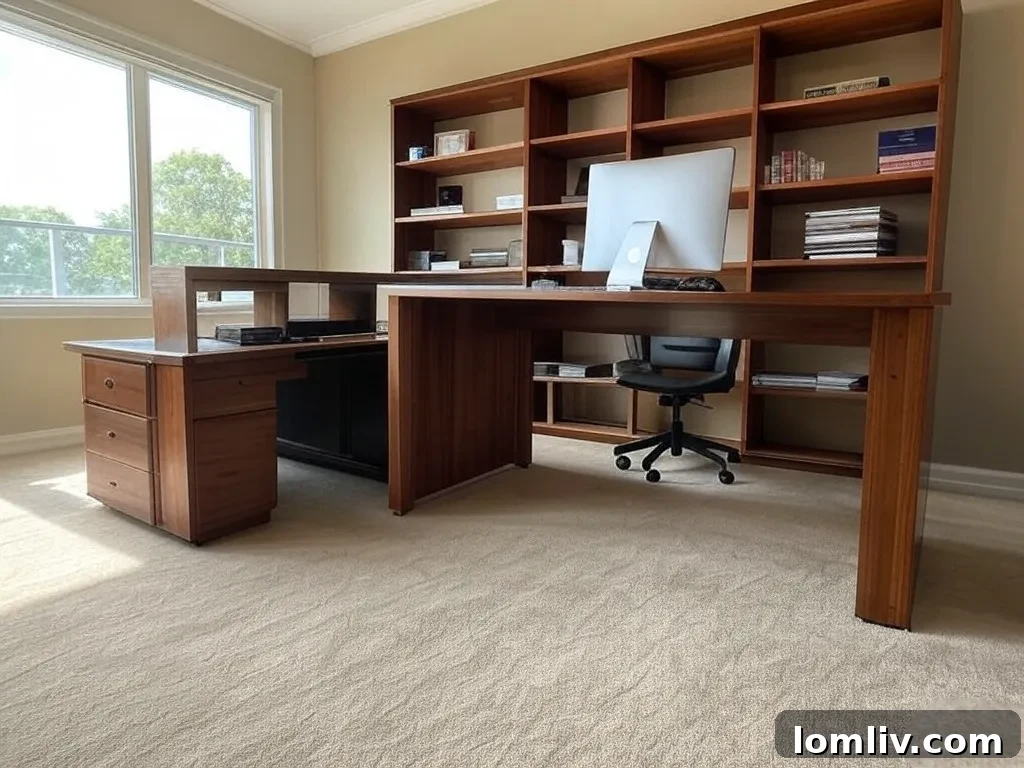
Defining the Ideal Home Office: Essential Features for Optimal Productivity
While the notion of a home office doesn’t necessarily dictate a sprawling or expansive space, its true functionality and appeal hinge upon a careful consideration of several key features. These are the elements that not only attract discerning buyers but also empower residents to maintain peak productivity and comfort throughout their workday. Investing in these aspects transforms a mere room into a truly effective and desirable workspace.
1. Location and Privacy: The Foundation of Focus
The paramount characteristic of an ideal home office is its ability to offer a tranquil and private environment, strategically isolated from high-traffic zones within the home, such as bustling living rooms or active kitchens. The goal is to minimize interruptions and create a dedicated zone for deep work and professional calls. While traditional placements often include spare bedrooms, innovative solutions can also utilize converted attics, finished basements, or even cleverly designed nooks beneath staircases. The crucial factor is that the chosen location provides ample quietude and minimal external distractions, fostering an environment conducive to concentration and uninterrupted workflow. This separation is vital not just for productivity, but also for maintaining a healthy work-life boundary.
2. Superior Lighting: Illuminating Productivity and Well-being
Effective lighting is not merely an aesthetic choice; it is absolutely essential for visual comfort, reducing eye strain, and significantly boosting overall productivity. In the real estate context, home offices boasting large windows that invite abundant natural light are highly prized features. Natural light not only creates a more energizing and uplifting atmosphere but has also been linked to improved mood, cognitive function, and better sleep patterns. Beyond natural light, a well-designed home office incorporates layered artificial lighting, including task lighting for desks, ambient lighting for general illumination, and accent lighting to enhance the room’s character. This thoughtful combination ensures optimal visibility regardless of the time of day or external weather conditions.
3. Optimal Air Circulation and Robust Electrical Infrastructure
Savvy homebuyers often scrutinize practical details that impact daily comfort and long-term utility. Adequate air circulation and sufficient electrical access are two such critical considerations for a home office. An ideal workspace should be comfortable enough to sustain productivity for typical 6–8 hour workdays, if not longer. This necessitates proper ventilation to prevent stuffiness and maintain a fresh atmosphere, whether through natural cross-breezes, ceiling fans, or a well-functioning HVAC system. Equally important is an ample supply of easily accessible electrical outlets to power computers, monitors, chargers, and other essential equipment without relying on unsightly extension cords. Future-proofing by including extra outlets and potentially dedicated circuits for high-demand equipment is a smart investment that enhances a home office’s long-term value and functionality.
4. Flexible and Adaptable Design: The Power of Multi-Functionality
The most appealing home offices often embody a flexible design philosophy, allowing them to serve multiple purposes beyond just a primary workspace. For instance, a well-designed office might seamlessly double as a secondary living area, a dedicated study space for children, a guest bedroom (perhaps with a Murphy bed), or a compact creative studio. This inherent versatility makes such spaces far more attractive to a wider range of potential buyers than overly specific or single-purpose rooms. Designing with flexibility in mind ensures the space remains relevant and valuable even if the owner’s work habits or household needs evolve over time, maximizing its utility and ensuring long-term appeal.
5. Aesthetics and Efficient Storage: A Blend of Form and Function
A tidy, well-organized workspace, characterized by thoughtful aesthetics and practical storage solutions, significantly enhances a home office’s attractiveness to prospective buyers. Features such as built-in shelving, ample natural light, and a clean, minimalist design contribute to an inviting and professional ambiance. The focus isn’t on excessive luxury but on practical efficiency and comfortable daily use. Strategic storage solutions—including drawers, cabinets, and vertical shelving—help to minimize clutter, creating a serene environment that promotes focus and reduces visual distractions. A visually pleasing and clutter-free office isn’t just about good looks; it’s about fostering a sense of calm and order that positively impacts productivity and mental well-being, making the space feel both functional and inspiring.
The Tangible Impact of a Home Office on Property Values
Far from being a mere convenience, the addition of a thoughtfully designed and functional home office can provide a noticeable and often significant boost to a home’s overall resale value. While the precise percentage of increase can vary depending on a myriad of factors, most notably the property’s specific location and the quality of the office conversion, the data consistently points to a positive impact. Based on comprehensive data analysis from leading real estate platform Zillow, homes that proudly feature a dedicated home office or a well-integrated work area can see their market value enhanced by an impressive 3–5% rise when compared to similar properties in the same area lacking such a feature. This translates into thousands of dollars in added value, making the investment highly worthwhile.
In highly competitive real estate markets, particularly in states like Texas, California, and North Carolina, the presence of a professional home office can often become the critical “tipping point” for prospective buyers who are deliberating between two or more otherwise comparable property listings. In a scenario where all other attributes are roughly equal, the home with a superior workspace invariably gains the competitive edge, often leading to quicker sales and higher offers. Moreover, the benefits extend even into the appraisal process. During a home appraisal, a professionally designed and executed home office—especially one that features permanent improvements like built-in cabinetry, upgraded electrical systems, or soundproofing—can significantly boost a home’s appraised value. Appraisers recognize the intrinsic value of such dedicated spaces, provided the improvements are indeed permanent, are of high quality, and seamlessly blend with the rest of the home’s layout and aesthetic, demonstrating thoughtful integration rather than a temporary afterthought.
The investment in a quality home office signals to buyers that the home is equipped for modern living and working, addressing a critical need that many now have. This thoughtful feature not only enhances daily life for the occupants but also solidifies the property’s position as a premium offering in the contemporary housing market, ensuring a strong return for sellers when it comes time to move.
Contemporary Home Office Design Trends Dominating the U.S. Landscape
As the demand for dedicated workspaces intensifies, so too do the design innovations and trends shaping modern home offices across America. These trends focus on creating environments that are not only aesthetically pleasing but also maximally functional, comfortable, and conducive to sustained productivity. Contemporary home offices are evolving to incorporate a blend of practicality, style, and well-being. Here are some of the most widely adopted and influential features currently seen in modern home office design:
- Built-in Desks that are Flush with the Wall: Maximizing space is a core tenet of modern design. Built-in desks offer a sleek, seamless look that integrates perfectly with the room’s architecture. They eliminate clutter and provide a custom-fit solution, making even smaller spaces feel larger and more organized. This approach is particularly effective in creating a clean, minimalist aesthetic.
- Neutral Colors such as Off-White, Light Gray, or Sage Green: The choice of color plays a crucial role in setting the tone for a workspace. Neutral palettes like off-white, light gray, and calming sage green are favored for their ability to create a serene, non-distracting, and timeless backdrop. These colors promote focus, reduce visual fatigue, and offer versatility for various decor styles, contributing to a sense of calm and professionalism.
- Natural Wood Accents for a Warm, Inviting Feel: To counteract any potential sterility of minimalist or neutral designs, natural wood accents are frequently incorporated. Elements such as wooden desk tops, shelving, or decorative panels introduce warmth, texture, and an organic touch. This biophilic design element connects the indoor space with nature, enhancing comfort and creating a more inviting and less clinical environment.
- Layered Lighting: A Mix of Table Lamps, Ceiling Lights, and Natural Light: Effective lighting is foundational to a productive home office. Modern designs emphasize a layered approach: harnessing abundant natural light through windows, supplementing with overhead ceiling lights for general ambient illumination, and integrating task-specific table or desk lamps to reduce eye strain during focused work. This combination ensures optimal visibility and adaptability for any time of day or task.
- Light Soundproofing with Acoustic Panels or Thick Carpeting: In an increasingly noisy world, minimizing distractions is paramount. Home offices are incorporating subtle soundproofing solutions, such as decorative acoustic panels on walls or ceilings, and plush, thick carpeting. These elements help absorb ambient noise, improve audio quality for video calls, and create a quieter, more focused working environment, essential for concentration.
- Indoor Plants to Improve Air Quality and Add a Fresh Visual Touch: Bringing the outdoors in is a growing trend for well-being. Indoor plants are not only aesthetically pleasing, adding vibrant splashes of green and a touch of natural beauty, but they also contribute to improved indoor air quality by filtering toxins and increasing humidity. Their presence can reduce stress, boost mood, and enhance overall cognitive performance, making the workspace feel more invigorating.
This commitment to well-designed workspaces is also profoundly evident in new housing developments, particularly those constructed since 2020 and especially in burgeoning suburban areas. Builders are proactively integrating dedicated home offices into their floor plans from the outset, moving beyond simple “flex rooms” to genuinely purpose-built workspaces. For instance, home additions in Alexandria, VA, and similar growth areas are increasingly featuring these sophisticated, dedicated workspaces as a standard offering, recognizing their immense popularity and enduring demand among contemporary homeowners.
Creative Solutions for Crafting a Home Office in Limited Spaces
The aspiration for a dedicated home office isn’t exclusive to those with expansive floor plans. Even in small apartments or homes with limited extra space, innovative design solutions and creative thinking can transform overlooked corners into highly functional and inspiring workspaces. The key lies in optimizing existing space and embracing multi-functional furniture. Here are some ingenious ideas for crafting an effective home office, regardless of spatial constraints:
- Utilize the Corner of the Living Room as a Cloffice (Closet-Office): A “cloffice” involves converting an existing closet into a compact, yet fully functional, office. This clever solution offers the distinct advantage of being able to “close off” your work when the workday ends, helping to maintain work-life boundaries. Consider adding shelves, a small desk, and good lighting within the closet to create a surprisingly efficient and private nook.
- Install a Wall-Mounted Folding Table: For truly minimal footprints, a wall-mounted folding desk is an exceptional space-saving solution. These desks can be easily deployed for work and then neatly folded back against the wall when not in use, instantly reclaiming floor space. They are ideal for hallways, small living areas, or even bedrooms, offering flexibility without permanence.
- Convert a Large Closet into a Hidden Workspace: Beyond a simple cloffice, a larger walk-in closet can be fully transformed into a more permanent and comfortable hidden workspace. This might involve removing doors, installing custom cabinetry, integrated lighting, and ergonomic seating to create a bespoke office that remains out of sight when not in use, maintaining the aesthetic harmony of the main living area.
- Use a Folding Screen or Room Divider to Separate the Work Area: In open-concept living spaces, a physical barrier can create a psychological one. A stylish folding screen or a semi-permanent room divider can effectively delineate a work zone from a relaxation zone. This provides a sense of enclosure and privacy, helping to minimize visual distractions and establish a clearer mental boundary for work tasks.
- Leverage Under-Stair Nooks or Hallway Alcoves: Often overlooked, the space beneath a staircase or an unused hallway alcove can be ingeniously repurposed. Custom-built shelving and a compact desk can turn these awkward areas into surprisingly efficient and charming workspaces, maximizing every inch of available square footage.
- Transform a Dining Area Temporarily: For those in very small homes, the dining table can serve a dual purpose. By designating specific times for work and ensuring all work-related items are neatly stored away afterward, the dining area can temporarily function as a workspace. This requires discipline but demonstrates how existing furniture can be creatively adapted.
Ultimately, many people make small, thoughtful adjustments to create a functional workspace that still blends seamlessly with their home’s interior design. The key is to be creative, prioritize organization, and choose furniture that serves multiple purposes or can be easily tucked away. With ingenuity, even the most compact homes can accommodate a productive and inspiring work environment.
In conclusion, the home office has definitively cemented its status as an essential and highly valued space in the modern residential landscape. The escalating demand for comfortable, functional, and aesthetically pleasing workspaces reflects the enduring growth of remote work and hybrid employment models. For individuals navigating the real estate market, whether as prospective buyers or sellers, strategically integrating or enhancing a dedicated workspace is no longer a luxury but a shrewd investment. It not only addresses a critical contemporary need for homeowners but also significantly boosts a property’s appeal and market value, ensuring it stands out in a competitive environment. As the future of work continues to evolve, the home office will undoubtedly remain a cornerstone of modern living, shaping design trends and influencing property decisions for years to come.