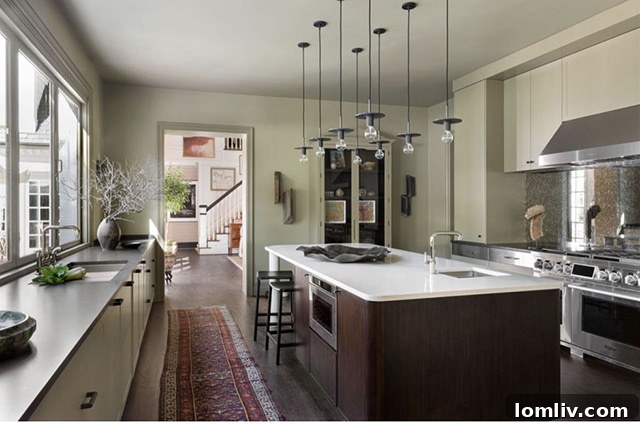
Each year, the highly anticipated Dallas Kips Bay Decorator Show House offers a glimpse into the future of luxury home design, all while benefiting critical charity initiatives. Among the myriad of breathtaking spaces unveiled at this prestigious event, one particular area captivated visitors and design enthusiasts alike: the exceptionally crafted kitchen by Studio 6F designer Gil Melott. His vision transcended conventional kitchen aesthetics, presenting a truly multifaceted space that resonated with modern living demands and showcased an ingenious blend of style, functionality, and unparalleled livability.
The inspiration behind Melott’s outstanding kitchen design stemmed from a surprisingly unconventional muse: the renowned actress Tilda Swinton. Melott shared his fascination with Swinton’s “chameleon-like ability to be so refined and play Queen Elizabeth and then transform to a rock-and-roll diva while all those things remain a part of her person.” This concept profoundly influenced the kitchen’s core design philosophy. The goal was to create a central hub capable of adapting its mood and utility throughout the day, effortlessly shifting from a sophisticated culinary workspace to a casual family gathering spot, a vibrant entertaining area, or even a serene sanctuary. This chameleon-like adaptability ensures the kitchen feels perfectly suited for any moment, reflecting the dynamic lifestyles of contemporary homeowners.
Melott’s design flawlessly incorporates the latest trends while maintaining timeless elegance. The kitchen features a totally on-trend palette, expertly pairing two harmonious shades of Benjamin Moore green. This deliberate color choice not only creates a visually soothing and inviting atmosphere but also subtly underscores the kitchen’s ability to evolve with different lighting and activities. Beyond aesthetics, the space is equipped with cutting-edge, tech-savvy appliances that seamlessly integrate into the design, offering both convenience and superior performance. Every element, from the layout to the finishes, has been thoughtfully designed to check all the essential boxes: smart, stylish, functional, and — perhaps most critically in the wake of recent global shifts – immensely livable. This emphasis on livability acknowledges the evolving role of the kitchen as the true heart of the home, a place where life unfolds in all its varied forms.
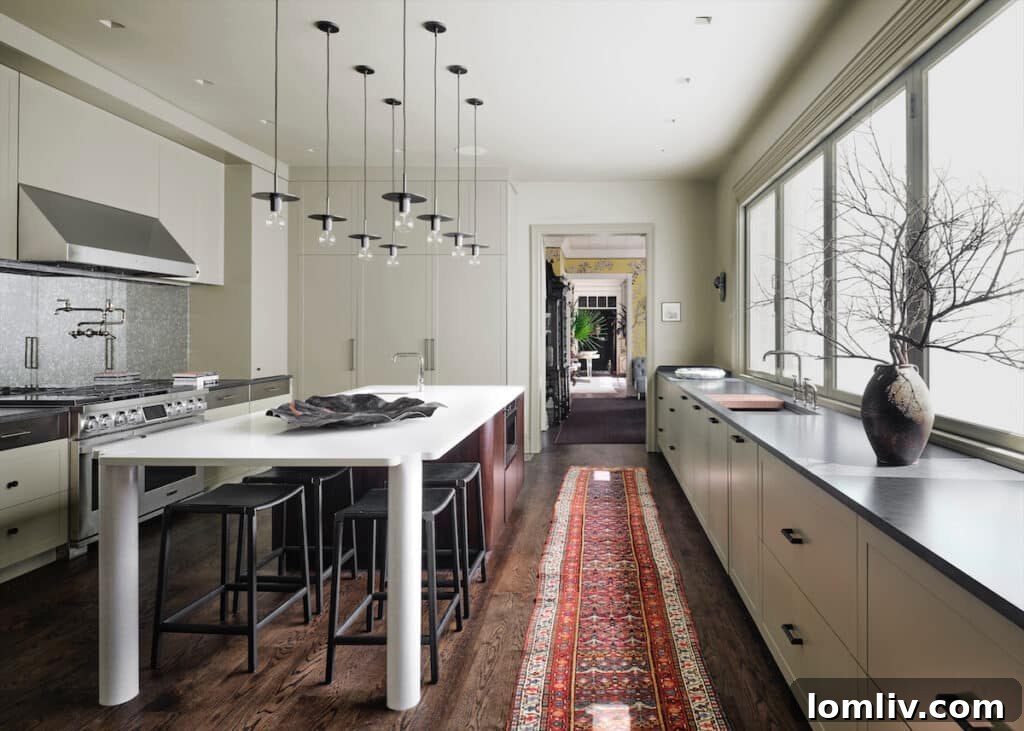
A striking 14-foot window serves as a magnificent focal point, framing panoramic backyard views and inviting an abundance of natural light to flood the space. This architectural feature not only enhances the aesthetic appeal but also fosters a profound connection to the outdoors, contributing to the kitchen’s serene and spacious feel. Gil Melott emphasized the multi-functional intent behind the design, stating, “We wanted our kitchen to be a place for cooking, quick stops between activities, and a place to land after an evening out at a concert or a long afternoon of soccer practice.” This statement encapsulates the modern demand for kitchens that are not just for meal preparation but act as versatile zones for every aspect of daily life, from bustling mornings to relaxed evenings. The generous window ensures that even during demanding tasks, occupants remain visually connected to nature and the world outside.
The design team masterfully balanced luxurious custom pieces with the most advanced kitchen technology available, creating a harmonious blend of artisanal craftsmanship and innovation. In the former category, a stunning island stands out, its design reminiscent of exquisite Italian marble furniture. This island isn’t merely a prep surface; it’s a sculptural statement, offering ample space for cooking, casual dining, and social gatherings, reinforcing the kitchen’s role as a central hub. In the latter category, the kitchen boasts a state-of-the-art Dual Fuel Pro Range, a testament to contemporary culinary ambition. This professional-grade appliance comes complete with built-in sous vide capabilities, precision induction cooktops, and a versatile steam oven. These features elevate the home cooking experience, allowing amateur and seasoned chefs alike to achieve restaurant-quality results with ease and efficiency, further highlighting the “pro” trend in modern kitchen design.
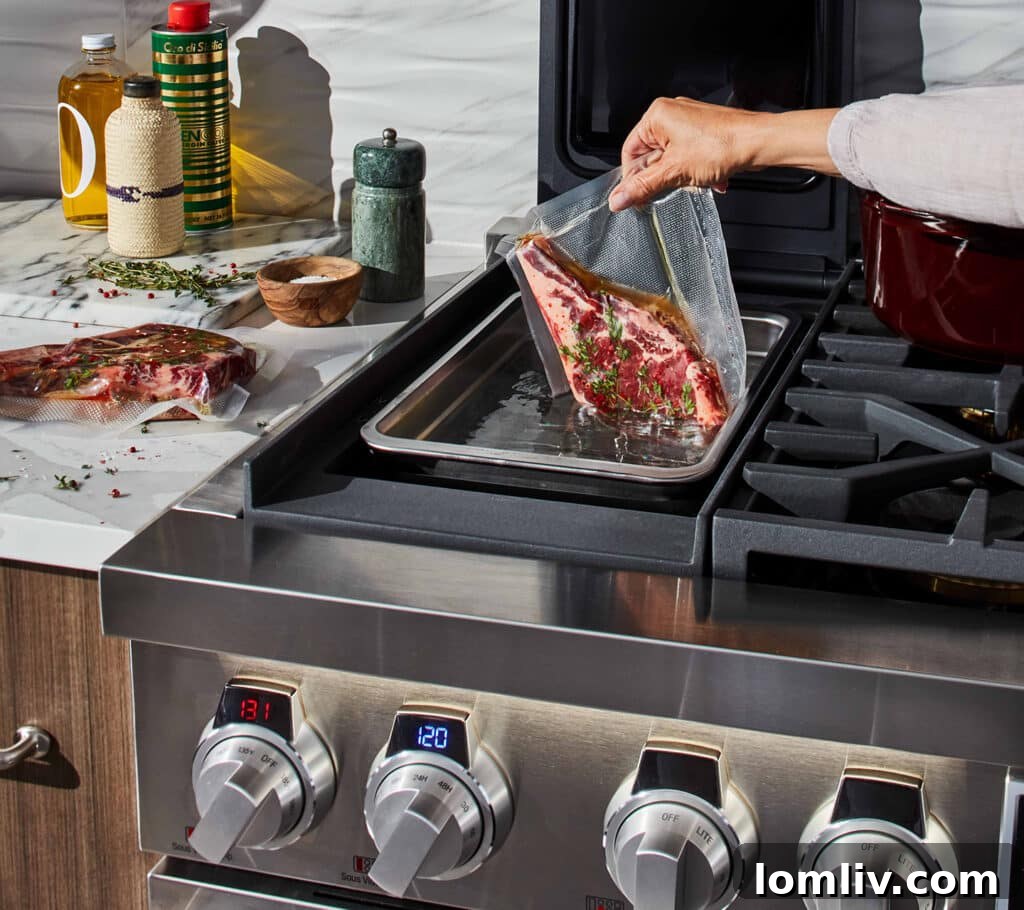
The burgeoning interest in sophisticated cooking appliances is a significant trend, as highlighted by industry experts. “Ovens are the latest ‘ooh, ahh’ thing for homeowners who love to cook and want a kitchen that reflects that passion,” observes Herb Zetley, co-owner of Zetley Distributors, a family company with over 70 years of experience in the appliance sector. This sentiment perfectly encapsulates the shift towards kitchens as personal culinary studios, equipped with tools that inspire creativity and elevate the act of cooking into an art form. The demand for advanced ovens, with features like those found in the Dual Fuel Pro Range, signifies a desire for precision, versatility, and the ability to recreate gourmet experiences within the comfort of one’s home. It’s no longer just about preparing meals; it’s about crafting culinary masterpieces.
“People who used to go out for exquisitely cooked meals are now making them at home.”
This powerful statement by Herb Zetley underscores a profound shift in lifestyle and consumer priorities, largely accelerated by recent global events. Homeowners, having spent more time within their residences, have rediscovered the joys and benefits of home cooking and entertaining. This trend has fueled a desire for kitchens that are not only aesthetically pleasing but also fully equipped to handle ambitious culinary endeavors. The modern kitchen has transformed into a sanctuary for gastronomic exploration, where every meal, whether simple or elaborate, can be an experience. Here, we take a closer look at some of the most noteworthy innovations and design philosophies that are shaping contemporary kitchen spaces, reflecting this new era of home-centric living and gourmet pursuits.
Go Pro: Professional-Grade Performance for the Home Chef
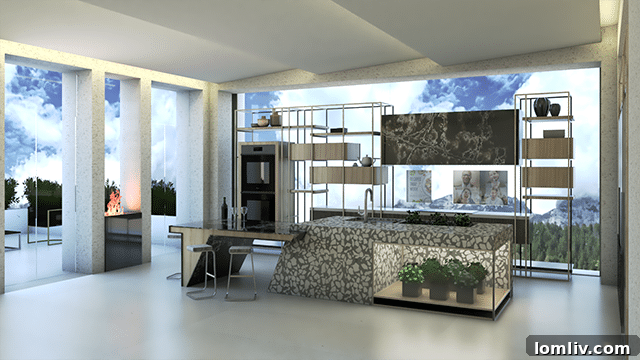
Across the board, homeowners are increasingly investing in their kitchens, demanding performance and durability akin to professional culinary environments. High on renovation wish lists are professional-style ranges, robust cooktops, and high-efficiency ventilation appliances. This surge in demand is a direct offshoot of the increased time spent at home during quarantine periods, during which many discovered the limitations of their less than desirable or mediocre ranges, as reported by Reviewed. The desire to cook more, coupled with a newfound appreciation for quality ingredients and techniques, has made commercial-grade performance a top priority for residential kitchens. This trend is not just about aesthetics; it’s about empowering home cooks with the tools to achieve exceptional results, safely and efficiently.
Among the most sought-after professional-grade appliances, steam ovens have garnered significant popularity. “Being able to cook food perfectly but still keep its nutritional value intact is just one of the benefits,” explains Herb Zetley. Steam cooking offers a gentle yet effective method of preparation, preserving vitamins, minerals, and the natural flavors and textures of ingredients. Beyond health benefits, steam ovens are renowned for their ability to revitalize leftovers. “Leftovers also taste better—far more like the original than when you microwave them,” Zetley adds, solving a common kitchen dilemma. This versatility makes steam ovens a valuable addition for health-conscious individuals and those who appreciate superior food quality, reducing food waste and enhancing every meal, whether freshly prepared or reheated.
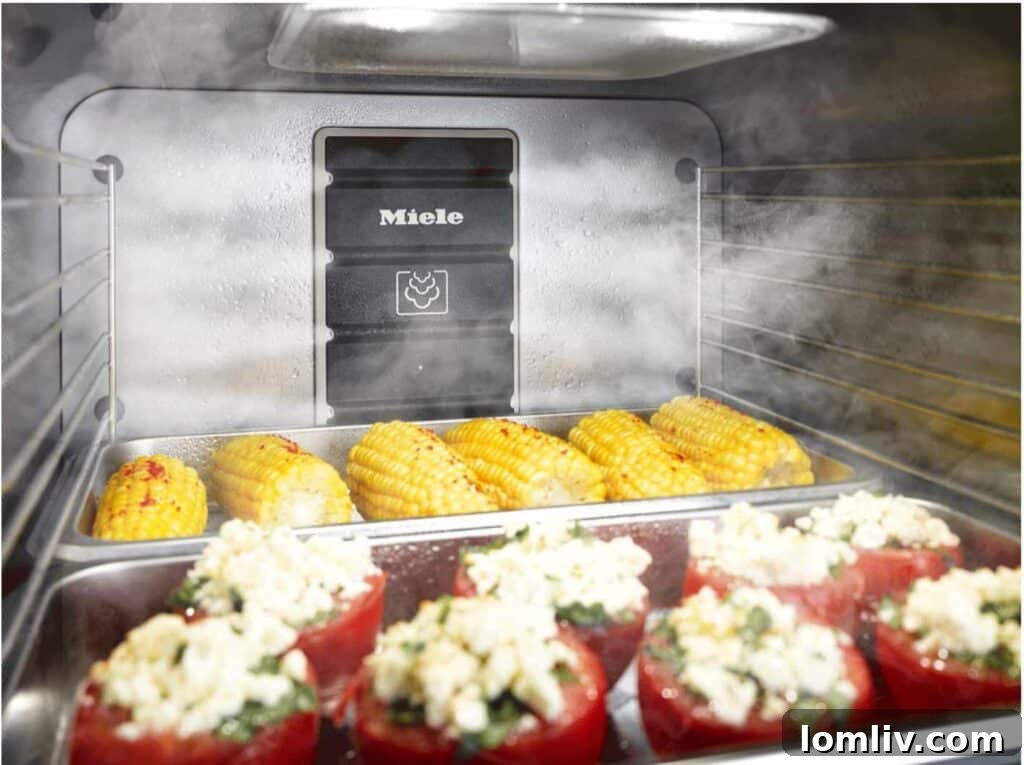
Beyond specialized ovens, the landscape of kitchen technology is rapidly evolving. Artificial intelligence-powered refrigerators are transforming food management, offering features that track inventory, generate shopping lists based on consumption, and even provide recipe suggestions using ingredients that are nearing their expiration date. This smart integration minimizes food waste and streamlines meal planning. Major appliance brands are also diligently adding features that prioritize accessibility, such as hands-free and voice-activated capabilities, making kitchens more inclusive and convenient for everyone. Hygiene is another key focus, with innovations like touchless faucets becoming increasingly standard, providing a more sanitary cooking and cleaning environment. Furthermore, sustainability is at the forefront, with cooktops featuring energy-efficient induction technology that offers precise temperature control and faster heating while consuming less energy, reflecting a growing consumer demand for eco-conscious home solutions.
Aesthetic Serenity: Connecting with Nature and Minimizing Clutter
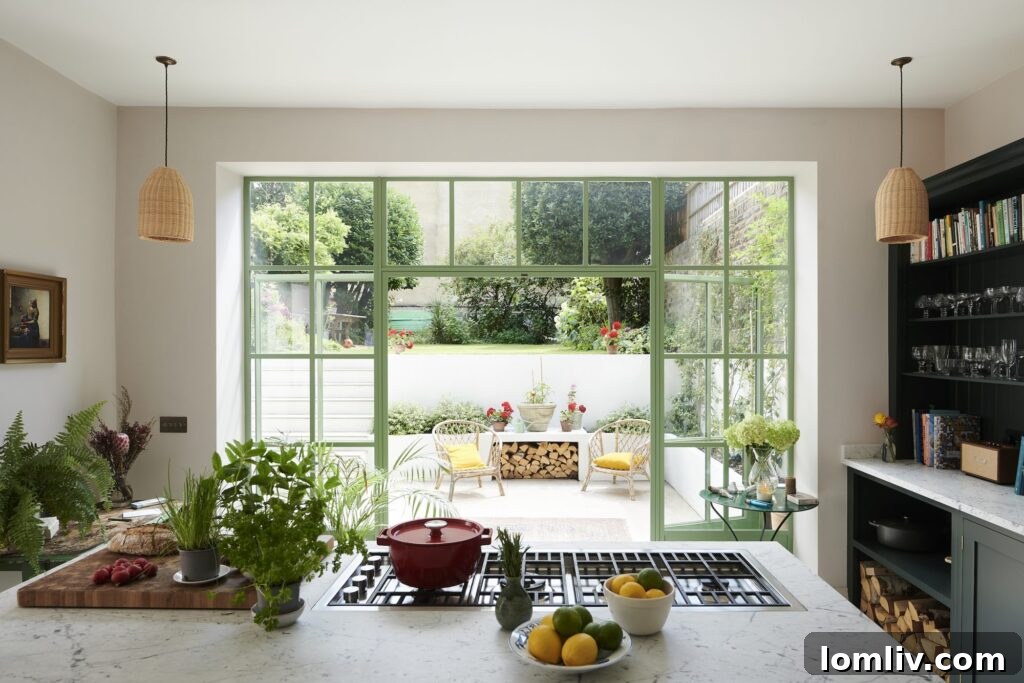
The pursuit of aesthetic serenity and a deeper connection to the natural world has become a driving force in post-pandemic kitchen design. According to Helen Parker, creative director of deVOL Kitchens, natural light and the incorporation of greenery are now considered as essential as the appliances themselves. “If one thing is clear, it’s that having a large window or a doorway into a greener space is a must,” Parker emphasizes. This philosophy is rooted in biophilic design principles, recognizing the profound psychological benefits of integrating natural elements into indoor environments, such as reduced stress, improved mood, and enhanced well-being. Gil Melott’s Kips Bay kitchen perfectly exemplifies this trend; his first order of business was to replace a traditional butler’s pantry with a magnificent window spanning the entire length of the room, instantly transforming the space into a light-filled sanctuary that beautifully blurs the lines between indoor and outdoor living.
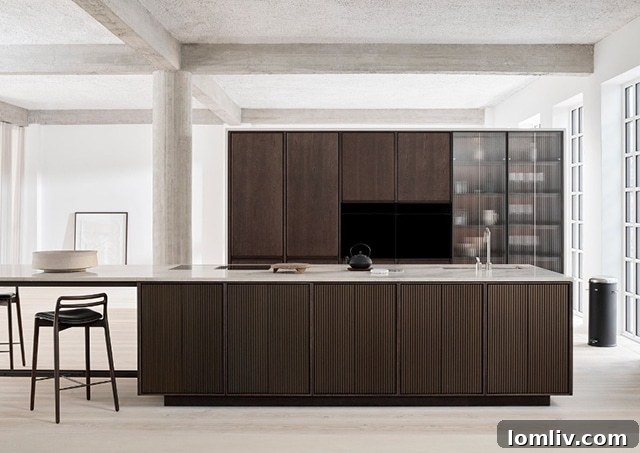
In line with the desire for aesthetic serenity, many designers are embracing strategies to minimize visual clutter and foster a sense of calm. Appliance garages are gaining immense popularity: these cleverly designed built-in cabinets discreetly hide high-traffic appliances like toasters, coffee machines, and blenders when not in use. This keeps countertops clear and surfaces streamlined, contributing to a clean, minimalist aesthetic that promotes tranquility. Furthermore, for homeowners with ample space, a growing trend involves the creation of secondary prep spaces. This innovative approach allows the primary kitchen area to remain pristine for dining and entertaining, while messy cooking tasks, baking projects, or even a dedicated coffee bar are relegated to a separate, often unseen, auxiliary area. This division of labor within the kitchen ensures that the main space always appears inviting and organized, embodying the ultimate in sophisticated functionality and serene design.
Hue New: The Enduring Allure of Green in Modern Kitchens
When it comes to color, green is unequivocally emerging as 2022’s rising star in kitchen design, captivating homeowners and designers alike with its versatile charm. This verdant trend encompasses a wide spectrum of shades, each bringing its unique character to the culinary space. Think Sherwin Williams’ Evergreen Fog, a tranquil gray-green that offers a sophisticated and grounding presence; Behr’s Breezeway, a silvery green reminiscent of sea glass, evoking a sense of calm and openness; and Farrow & Ball’s Breakfast Room Green, perhaps the most cheerful and invigorating of the company’s offerings, perfect for creating an uplifting atmosphere. These diverse green hues provide abundant options for those looking to infuse their kitchens with a touch of nature-inspired elegance and contemporary style, reflecting a broader movement towards colors that promote peace and connection to the environment.
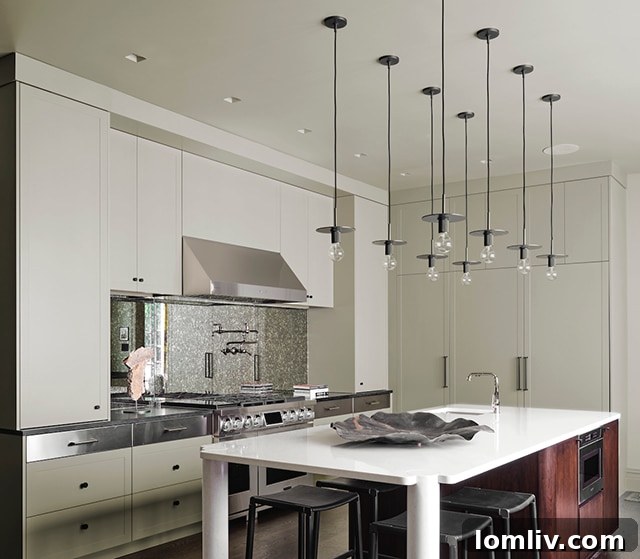
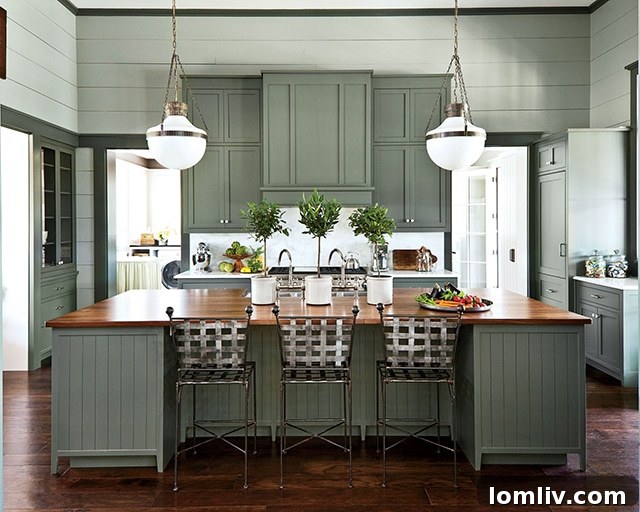
The popularity of soothing evergreen shades only intensified during the recent global pandemic, as people sought to create calming and restorative environments within their homes. Southern Living noted that “It’s clear that subdued greens have solidified themselves as go-to neutrals for homeowners.” This perception of green as a versatile neutral is a significant development, challenging traditional notions of beige, gray, and white as the only foundational colors. Green’s ability to complement a wide array of other hues, from warm woods to cool metallics, makes it an incredibly adaptable choice for cabinets, walls, and accents. Its connection to nature brings a sense of tranquility and balance, fostering an inviting and serene atmosphere. This makes green an ideal choice for the modern kitchen, embodying both a timeless aesthetic and a contemporary sensibility that prioritizes well-being and a harmonious living space. Melott’s choice of Benjamin Moore’s Bed of Ferns as the foundational color for his Kips Bay kitchen perfectly illustrates this trend, establishing a deep, natural base that allows other design elements to shine while maintaining an overarching sense of calm and sophistication.