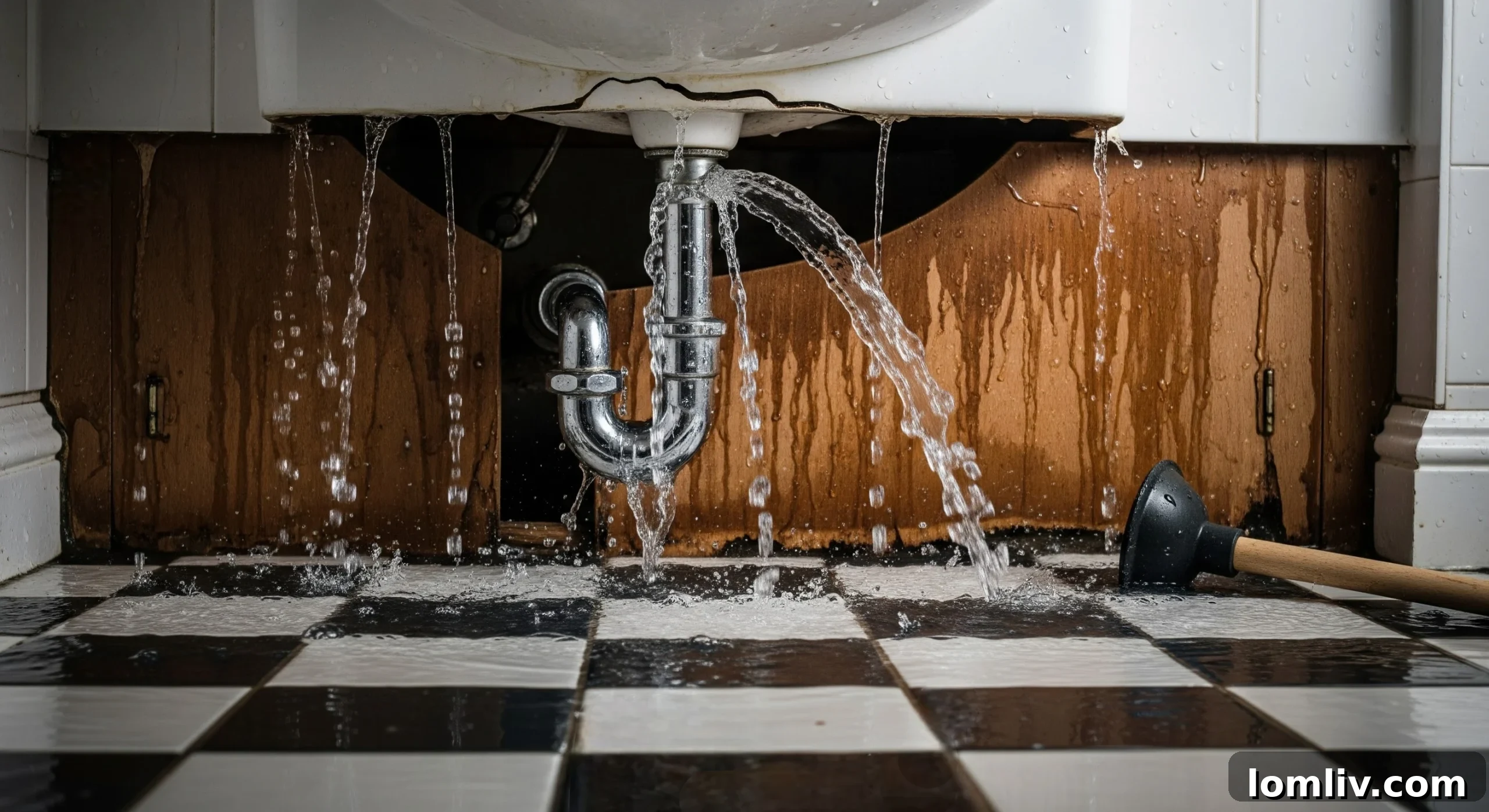
At various points in life, homeowners and businesses alike will inevitably encounter plumbing challenges. While a minor surface-level obstruction might be resolved with a simple plunger, many plumbing issues escalate quickly, demanding immediate professional attention. From persistent clogs to catastrophic burst pipes, understanding when to call an emergency plumber can save you significant time, money, and stress.
In a bustling metropolis like Manchester, prompt action is paramount. When faced with a plumbing crisis, a quick online search for a “plumber near me” or specifically “emergency plumber Manchester” is often the most efficient way to mitigate potential damage and restore peace of mind. Ignoring the warning signs or delaying professional intervention can lead to widespread water damage, structural integrity issues, and exorbitant repair costs down the line.
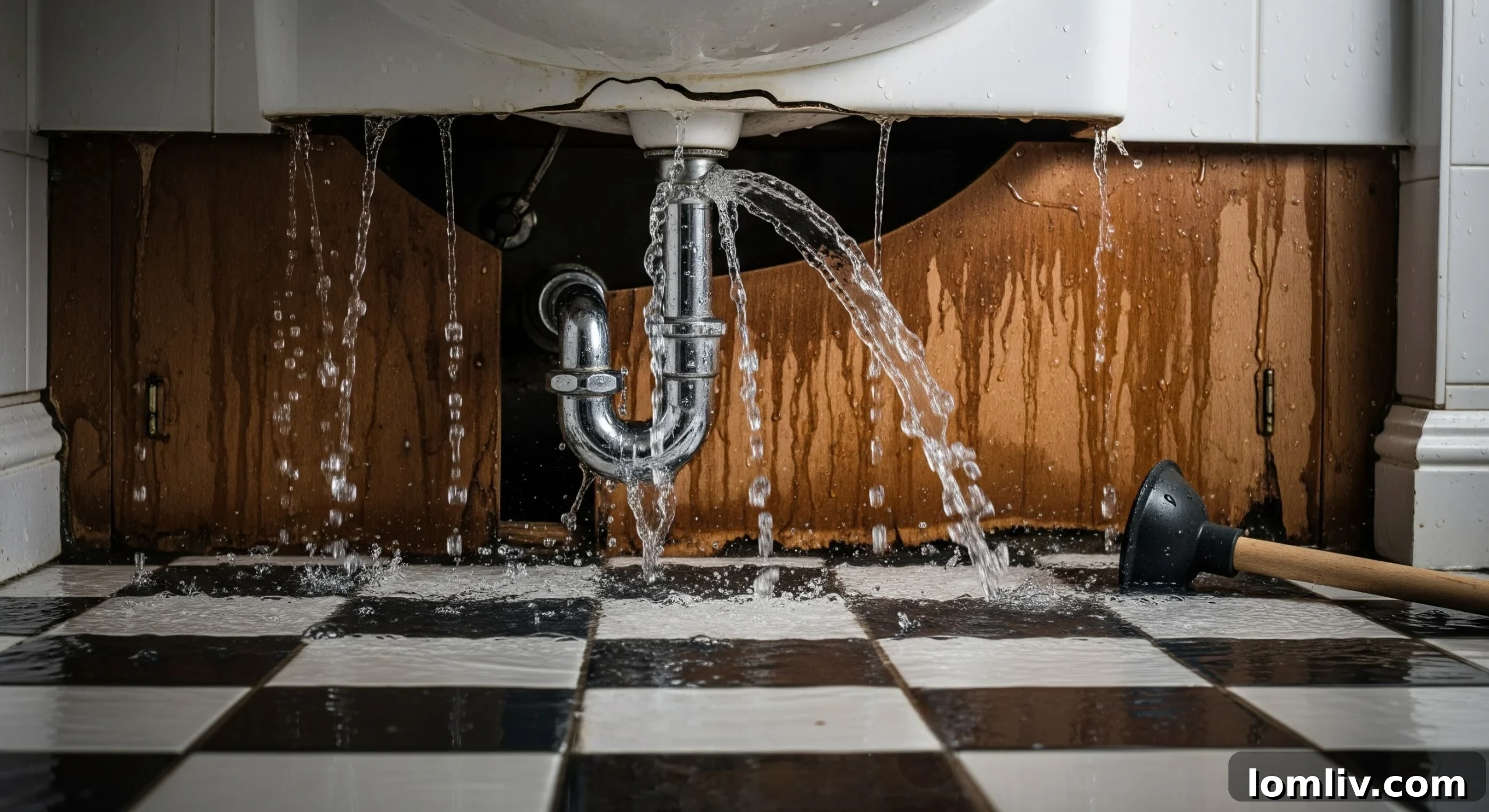
Common Habits That Lead to Sudden Pipe Failures and Plumbing Emergencies
Many plumbing emergencies don’t happen out of the blue; they are often the culmination of everyday habits and neglected maintenance. Understanding these common culprits can empower you to prevent future predicaments and avoid the need for urgent service calls. Here are some of the most frequent causes:
- Improper Disposal of Solid Waste and Rubbish: One of the leading causes of severe blockages stems from what goes down our drains and toilets. Flushing items like “flushable” wipes (which are often not), feminine hygiene products, cotton balls, paper towels, and even excessive toilet paper can accumulate over time. Similarly, washing food scraps, coffee grounds, and particularly grease or cooking oils down kitchen sinks creates tenacious clogs. Grease solidifies as it cools, adhering to pipe walls and catching other debris, eventually forming massive obstructions known as “fatbergs” that can cause extensive sewer line issues. These poor habits not only lead to blockages but also accelerate the deterioration of your pipe health.
- Hair and Pet Fur Accumulation: If you regularly wash pets in the bathroom or simply have long-haired individuals in the household, a significant amount of hair and fur inevitably ends up in the drains. This hair doesn’t just wash away; it combines with soap scum, shampoo residue, and other debris to form stubborn, resilient clogs. Over time, this buildup severely restricts water flow, leading to slow drains and eventual complete blockages. Installing simple drain screens can significantly reduce this problem.
- Mixing Incompatible Cleaning Products: While seemingly harmless, combining certain household cleaning products can be disastrous for your pipes. For instance, mixing bleach with disinfectants containing ammonia can create toxic fumes, but more relevant to pipes, combining different strong chemicals or using them excessively can trigger adverse chemical reactions. One such reaction is known as mineralisation, where chemical residues precipitate and stick to the inside of pipes, similar to limescale buildup. These particles gradually restrict water flow and can even corrode or weaken the pipe material, making them brittle and prone to leaks or bursts.
- Tree Root Intrusion: For properties with older pipes or lush landscaping, tree root intrusion is a significant threat. Tree roots are naturally drawn to moisture and nutrients, and even the smallest crack or loose joint in an underground sewer line can provide an entry point. Once inside, roots grow, expand, and create a dense network that traps debris, leading to severe blockages and even crushing or dislodging pipes. This is a common cause of recurring sewer line backups.
- Aging and Deteriorating Pipework: Pipes, especially in older properties, do not last forever. Over decades, materials like cast iron, galvanised steel, or even older copper pipes can corrode, rust, develop pinhole leaks, or simply become brittle. This natural degradation is accelerated by hard water, chemical exposure, and general wear and tear. Older, weakened pipes are far more susceptible to sudden failures, leaks, or complete bursts, often without much prior warning.
- Sudden Temperature Changes: Extreme cold weather is a notorious cause of burst pipes. When water freezes inside pipes, it expands, creating immense pressure that the pipe material cannot withstand. This typically leads to pipes bursting, often in concealed areas like walls or crawl spaces, causing extensive water damage once the ice thaws. Similarly, rapid temperature fluctuations can stress pipe materials, contributing to cracks and leaks.
When to Call a Professional Plumber Immediately
While preventative measures can go a long way, some plumbing issues are beyond the scope of DIY fixes and demand immediate professional intervention. Recognising these warning signs can prevent minor problems from escalating into catastrophic and costly emergencies:
- Flooding from Burst Pipes: This is arguably the most critical plumbing emergency. Escaping water from a burst pipe doesn’t just create a huge mess; it can cause extensive damage to your property’s walls, floors, ceilings, furniture, and even electrical systems. Prolonged exposure to water can compromise structural integrity and lead to hazardous mold growth. Furthermore, a burst pipe can lead to a significantly higher water bill. If you experience a burst pipe, immediately locate and turn off your main water supply valve to minimise damage, then call an emergency plumber without delay.
- Stubborn and Recurring Blockages: DIY fixes, plungers, and chemical drain cleaners might offer temporary relief for minor clogs. However, if the problem persists, or if you notice multiple drains slowing down, gurgling noises coming from drains or toilets, or foul odours emanating from your plumbing, it often points to a more serious, deep-seated underlying blockage. These can be caused by tree roots, severe grease buildup in main lines, or structural damage to pipes. Left untreated, such blockages can result in overflowing drains, toilets, or even sewage backups, posing significant health risks and property damage. Chemical drain cleaners should be used sparingly, as they can corrode pipes and pose safety risks.
- Pipe Crystallisation or Severe Scale Buildup: Crystallisation, often referred to as severe scale or mineral buildup, is common in very old pipework, especially in areas with hard water. Minerals like calcium and magnesium accumulate on the inside walls of pipes, forming a hard, brittle layer. This makes the pipes extremely fragile, almost glass-like, and prone to cracking or bursting under normal water pressure. It also significantly reduces water flow and pressure. This is a serious issue that typically requires an emergency plumber to assess and likely replace the affected sections. Warning signs include persistent low water pressure, discolouration in water, and a brittle, chalky surface if the pipes are visible.
- Sewer Backups: Any sewage backing up into your sinks, tubs, or toilets is a dire emergency. This indicates a major blockage or issue in your main sewer line and poses severe health hazards due to exposure to raw sewage. This requires immediate professional intervention to clear the blockage and sanitise the affected areas.
- Persistent Leaks, Even Small Ones: While a slow drip might seem insignificant, even minor leaks can lead to major problems over time. Hidden leaks within walls, ceilings, or under floors can cause extensive water damage, rot wood structures, foster dangerous mold and mildew growth, and attract pests. If you notice damp spots, peeling paint, musty odours, or an unexplained increase in your water bill, it’s crucial to investigate and fix the leak promptly.
- No Hot Water or Boiler Issues: While strictly speaking, boiler issues might fall under heating engineering, many plumbers are also qualified to work on hot water systems and boilers. A sudden loss of hot water, strange noises from your boiler, or a pilot light going out can indicate serious problems that require a Gas Safe registered engineer in the UK, often available through emergency plumbing services.
Finding the Right Specialist for the Job in Manchester
Navigating the world of plumbing services can be tricky, as not all plumbers near Manchester offer the same services or possess the same specialisations. Understanding the different types of professionals available will help you choose the right expert for your specific plumbing issue:
- Emergency Plumbers: These specialists operate 24/7 and are equipped to handle urgent situations like burst pipes, severe blockages, and critical leaks. Their primary focus is rapid response to minimise damage.
- General Plumbers: These professionals handle a broad range of services, including routine repairs, installations (e.g., sinks, toilets, showers), leak detection, and general plumbing maintenance. They are suitable for planned work or non-urgent issues.
- Drainage Specialists: While many general plumbers can clear basic clogs, drainage specialists have advanced equipment like CCTV cameras for pipe inspection, high-pressure water jetting (hydro-jetting) to clear stubborn blockages, and expertise in repairing or replacing main sewer lines.
- Boiler and Heating Engineers: In the UK, these professionals must be Gas Safe registered to work on gas boilers and central heating systems. They handle boiler installations, repairs, servicing, and heating system diagnostics. Many plumbing companies offer both general plumbing and heating services.
- Commercial Plumbers: These plumbers specialise in the complex plumbing systems found in commercial buildings, which differ significantly from residential setups in terms of scale, codes, and equipment.
Choosing the right plumber, especially in a large city like Manchester, involves more than just picking the first name you find. Almost every local authority in Manchester and other big cities requires plumbers to hold specific licenses and certifications, particularly for gas work (Gas Safe Register in the UK). Depending on their level of experience and specialisation, they are granted different permits or certifications. Many experienced plumbers often serve as owners or partners in reputable plumbing companies.
When selecting a plumber, consider the following:
- Licensing and Certification: Always verify that the plumber is properly licensed for the work they will undertake. For gas work, ensure they are Gas Safe registered.
- Experience: Look for plumbers with a proven track record, especially for complex or emergency jobs. An experienced plumber can diagnose problems more accurately and efficiently.
- Insurance: Ensure the plumber carries adequate liability insurance. This protects you in case of accidental damage to your property during the repair process.
- Reviews and References: Check online reviews on platforms like Google, Trustpilot, or local directories. Ask for references if it’s a larger job.
- Transparency in Pricing: Obtain a detailed, written quote before any work begins. For emergencies, understand their call-out fees and hourly rates. Avoid plumbers who are vague about pricing.
- Availability and Response Time: For emergencies, inquire about their typical response time. A local plumber in Manchester will generally be able to reach you faster.
- Local Knowledge: A plumber familiar with Manchester’s specific infrastructure, building codes, and common local issues (e.g., hard water problems, older pipe materials) can provide more effective and compliant solutions.
After All, Know Your Pipes and Your Professionals!
Ultimately, a healthy plumbing system is essential for the comfort and safety of any home or business. This article can be summarised by highlighting the importance of understanding the plumbing issues you might face—though, of course, that understanding doesn’t need to be overly technical. Being aware of common culprits and warning signs is your first line of defense.
The vast majority of major plumbing problems start small and can often be prevented by adopting a few simple habit changes, such as being mindful of what you dispose of down drains, installing drain screens, and scheduling routine maintenance. Preventive care is always more cost-effective and less disruptive than emergency repairs.
However, despite the best precautions, there is always a risk that something will go wrong, and plumbing emergencies are an unavoidable part of property ownership. When such an event occurs, contacting a licensed, insured, and reputable specialist who operates in your local area, such as a qualified plumber in Manchester, is not just the best solution—it’s often the only safe and effective solution. Don’t delay; professional help can prevent minor issues from becoming major disasters, ensuring the longevity and efficiency of your plumbing system and protecting your property investment.