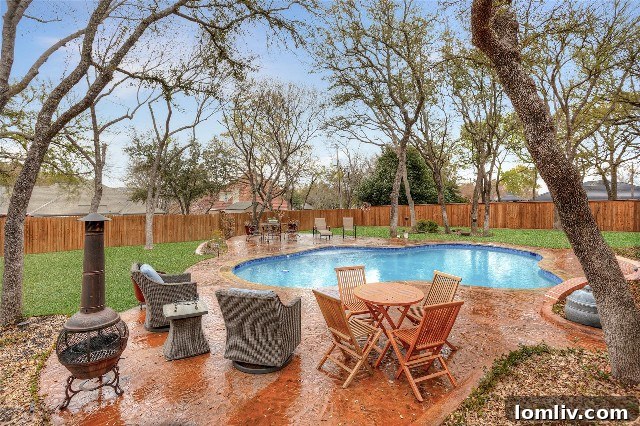
Creating a backyard oasis that combines luxurious aesthetics with paramount safety, especially for families with young children, presents a unique challenge. While pools undeniably elevate a home’s appeal and value, the critical responsibility of ensuring a secure environment rests squarely on the homeowner.
For experts like Harold Leidner Landscape Architects, founder Harold Leidner makes the “stylish” aspect of pool design seem effortless. However, integrating sophisticated design with robust safety protocols for children, without compromising the pool’s tranquil and relaxing ambiance, requires thoughtful planning and innovative solutions. Leidner emphasizes that with the right combination of cutting-edge technology and expert design principles, it is absolutely possible to achieve swimming pools that are both breathtakingly beautiful and exceptionally safe.
This comprehensive guide delves into the essential considerations for designing and maintaining a child-safe pool, offering insights from Harold Leidner himself on balancing elegance with practical safety measures. From innovative barrier solutions to advanced water purification, discover how to transform your pool area into a secure, serene, and stunning retreat for the entire family.
Rethinking Pool Safety Barriers: Beyond the Unattractive Fence
Many homeowners associate pool safety fencing with unsightly intrusions that detract from their carefully curated landscape. This perception often leads to a dilemma: prioritize safety or preserve aesthetics? Harold Leidner offers a refreshing perspective, suggesting that safety doesn’t have to be visually jarring.
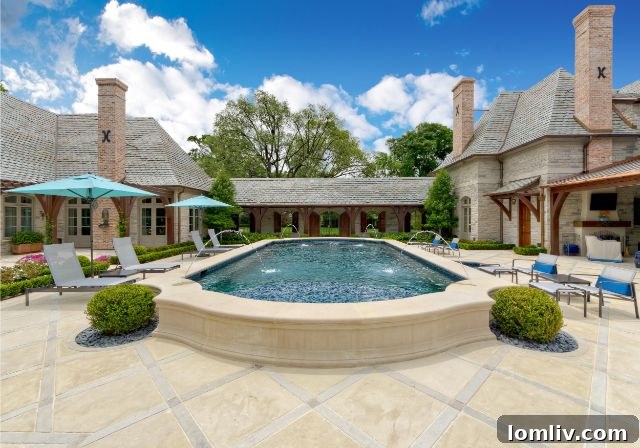
Harold Leidner: “Beauty truly is in the eye of the beholder, and often, safety can be subtly woven into the very fabric of the design. Consider raising the pool deck or the pool edge by 18 inches or more. This architectural adjustment significantly increases the difficulty for a small child to accidentally fall into the water, perhaps while reaching for a toy. Such a design element integrates safety seamlessly into the pool’s structure, often looking far more appealing than a traditional fence.”
While a raised pool edge offers a sophisticated safety layer, for those desiring additional security, a physical barrier remains a highly effective option. Modern pool fences have evolved beyond simple chain-link designs. Homeowners now have a range of choices, including:
- Removable Mesh Fences: These are popular for their balance of security and flexibility. Lightweight yet sturdy, they can be installed with minimal impact on the landscape and, crucially, can be easily removed when children are older or during adult-only gatherings. Their transparent nature also helps maintain views.
- Glass Panel Fences: For an unobstructed view and a sleek, contemporary look, glass fences are an excellent choice. Made from tempered safety glass, they provide a strong barrier without visually segmenting the backyard.
- Ornamental Iron or Aluminum Fences: These can be designed to complement the architectural style of your home, offering a blend of classic elegance and robust security. Custom designs can incorporate child-proof gates and latches.
Leidner’s approach emphasizes that the goal is not just to install a barrier but to integrate it thoughtfully, ensuring it enhances, rather than detracts from, the overall design while providing critical protection against drowning hazards.
Essential Design Considerations for Families with Young Children
Designing a pool for a family with young children requires a meticulous focus on specific elements that enhance safety without sacrificing enjoyment. Beyond just barriers, the layout and features of the pool itself play a crucial role.
Harold Leidner: “The two most paramount considerations when designing a family-friendly pool are accessibility and views. It is absolutely vital to maintain a clear, unobstructed view of the pool from all primary gathering areas within the home and the surrounding outdoor living spaces.”
Unobstructed Views: A Constant Vigilance
Ensuring constant visual supervision is the first line of defense. This means positioning the pool where it can be seen from the kitchen, living room, and outdoor patios. Strategic landscaping, avoiding tall shrubs or structures that block sightlines, becomes critical. This design principle allows parents or guardians to keep a watchful eye on children, even when they are not immediately beside the pool.
Thoughtful Accessibility: Making the Pool Approachable (and Safe)
Accessibility in a child-safe pool isn’t just about ease of entry; it’s about controlled and safe entry. Consider features like:
- Shallow Entry Points: Gradual sloped entries, often called “beach entries” or “zero-entry,” allow children to wade in slowly, providing a safe transition into deeper water. They also offer a comfortable space for toddlers to splash under direct supervision.
- Tanning Ledges/Sun Shelves: These broad, shallow areas (typically 6-12 inches deep) are perfect for young children to play in or for adults to relax while supervising. They act as a natural intermediate zone before the main swimming area.
- Multiple Steps and Handrails: Clearly defined steps with non-slip surfaces and sturdy handrails make entering and exiting the pool safer for all ages, especially children who are just learning to swim.
By integrating these design elements, a pool becomes a more inviting and secure environment for families, allowing children to enjoy the water safely while under constant adult supervision.
Leveraging Technology and Fixtures for Enhanced Pool Safety
While attractive design elements are important, certain pool fixtures and technological advancements are critical for bolstering safety, particularly in homes with small children. Harold Leidner points to city regulations as a baseline for necessary installations.
Harold Leidner: “Naturally, pools inherently carry risks, as both children and adults are drawn to water. To provide an additional layer of peace of mind, most municipalities mandate the installation of door alarms on all doors leading directly to the pool area. While they can be loud and momentarily disruptive, these alarms are highly effective, sounding every time a door is opened, thus alerting caregivers to potential unsupervised access.”
Beyond Door Alarms: A Multi-Layered Approach
Effective pool safety relies on a multi-layered strategy, where various devices work in concert to prevent accidents. In addition to mandated door alarms, homeowners should consider:
- Pool Alarms: These devices detect water displacement and sound an alarm if a child or pet falls into the pool. There are two main types:
- Surface Alarms: Float on the water and detect ripples.
- Sub-Surface Alarms: Installed below the water line, they detect movement within the pool.
- Self-Latching and Self-Closing Gates: Any gate providing access to the pool area should automatically close and latch, with the latch positioned high enough to be out of a small child’s reach. Magnetic latches are often preferred for their reliability.
- Window Guards: If windows open directly onto the pool area, consider installing guards or limiting how wide they can open to prevent accidental falls.
- Smart Pool Technology: Modern systems can integrate sensors with home automation, sending alerts to smartphones if an unauthorized entry occurs or if the pool cover is disturbed.
These safety features, while sometimes seen as inconveniences, are indispensable tools in preventing tragic accidents and providing parents with crucial response time.
Durable, Safe, and Aesthetically Pleasing Materials for Your Pool
When selecting materials for a luxury pool, the trifecta of durability, safety, and visual appeal is paramount. Harold Leidner highlights one particular innovation that excels in all these areas.
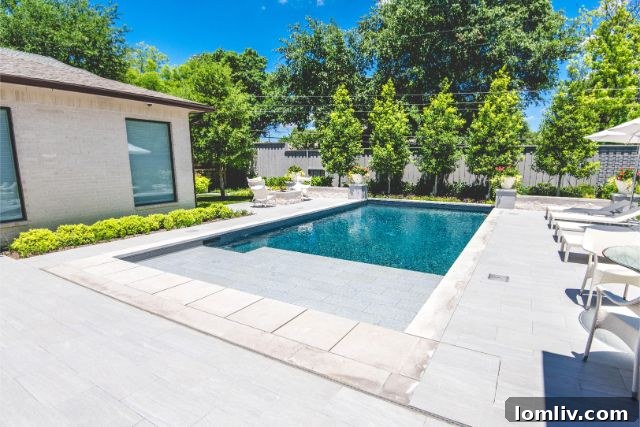
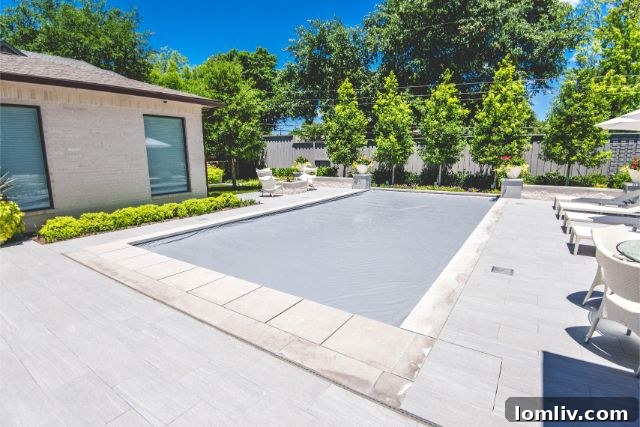
Harold Leidner: “Automated pool covers have truly advanced in recent years. While they represent a significant investment, their durability is exceptional, and they offer unparalleled protection, all while maintaining a visually appealing look year-round. An additional, often overlooked, benefit is that the pool generally remains significantly cleaner throughout the year, assuming the cover is consistently closed when the pool is not in use.”
The Advantages of Automated Pool Covers: More Than Just Safety
Automated pool covers are a sophisticated safety solution. They create a solid barrier over the pool, preventing unsupervised access by children and pets. Beyond this critical safety aspect, they offer numerous advantages:
- Cleanliness: By keeping debris, leaves, and dirt out, the cover drastically reduces the need for manual cleaning and extends the life of your pool filter system.
- Energy Efficiency: A covered pool loses significantly less heat through evaporation, reducing energy consumption for heating and chemical use.
- Chemical Reduction: Less evaporation also means less water loss and reduced chemical consumption, contributing to healthier water and cost savings.
- Aesthetics: When retracted, many automated covers disappear seamlessly into a hidden compartment, preserving the clean lines and design of your pool.
Beyond Covers: Other Material Choices for Safety and Style
The choice of materials for the pool deck, coping, and interior finish also profoundly impacts both safety and aesthetics.
- Decking Materials: For pool decks, non-slip surfaces are paramount. Options include textured concrete, natural stone (like travertine or limestone with a honed or brushed finish), composite decking, and permeable pavers. These materials offer varying levels of slip resistance, heat reflection, and design versatility.
- Coping: The coping (the edge around the pool) should also be non-slip and have rounded edges to prevent scrapes and injuries. Natural stone, precast concrete, and brick are popular choices, often chosen to complement the deck and pool interior.
- Pool Interior Finishes: While traditional plaster is common, modern options like pebble tec, glass tile, or specialized aggregate finishes offer enhanced durability, unique aesthetic appeal, and can be less abrasive than rough plaster, making them safer for sensitive skin.
By carefully selecting materials that prioritize both function and form, homeowners can create a pool environment that is not only safe for children but also stands the test of time and exudes luxury.
Water Features: Balancing Exhilaration with Safety
Water features add dynamic beauty and sensory appeal to any pool, transforming it into a vibrant focal point. However, when designing with children in mind, safety considerations for these elements become crucial.
Harold Leidner: “One primary consideration with water features is dive safety. If you’re designing an element from which people might jump, you must ensure sufficient water depth and clear clearances around it. However, it’s essential to remember that nothing is truly foolproof; children, in their boundless creativity, might find unconventional ‘dive platforms’ – I’ve even seen roofs used for this purpose! Another critical factor, which we always account for in our outdoor material selections, is ensuring that all surfaces are non-slippery.”
Designing Safe Water Features
To safely incorporate water features into a family pool, consider the following:
- Depth and Clearance: For features like diving rocks or integrated ledges designed for jumping, ensure that the water beneath is adequately deep and that there are no obstructions in the diving path. Compliance with local diving safety codes is a must.
- Controlled Flow: For waterfalls, cascades, or jets, design them so the water flow is not overly strong, which could pose a risk to small children. Gentle, natural flows are often preferred in family settings.
- Accessibility: Ensure that children cannot easily access the behind-the-scenes mechanics of water features (pumps, filtration, lighting). Conceal and secure all equipment.
- Interactive Features: For younger children, interactive splash pads or gentle bubblers can provide fun without the risks associated with deeper water or strong currents.
Non-Slippery Surfaces: A Universal Rule
Leidner’s emphasis on non-slippery materials extends to all areas surrounding water features. The constant presence of water makes this a non-negotiable safety aspect. This includes the edges of ponds, fountains, and any pathways leading to or around these elements. Textured finishes, porous materials, and adequate drainage are key to preventing slips and falls.
By thoughtfully designing water features with these safety principles in mind, they can provide endless enjoyment and aesthetic enhancement without compromising the well-being of the youngest swimmers.
The Healthiest Approach to Pool Purification and Conditioning for Families
Beyond design and safety barriers, the quality of the water itself is paramount for a family pool. Harsh chemicals can be irritating, prompting a demand for healthier purification methods. Harold Leidner points to a cutting-edge solution.
Harold Leidner: “I think we can all agree that pools relying solely on 100 percent chlorine can be irritating on multiple levels – for the skin, eyes, and even through strong odors. The newest and most effective trend is to combine the best aspects of different technologies by using Ozone and UV systems in unison. This synergistic approach ensures the lowest possible use of chlorine, creating a much healthier and more pleasant swimming environment.”
Ozone and UV Systems: The Future of Pool Sanitation
This hybrid purification method represents a significant leap forward from traditional chlorine-heavy systems:
- Ozone (O3) Generators: Ozone is a powerful oxidizer that effectively neutralizes bacteria, viruses, and other contaminants, including those resistant to chlorine. It works quickly and then dissipates, leaving no harmful byproducts.
- UV (Ultraviolet) Sterilizers: UV light systems pass pool water through a chamber where it’s exposed to germicidal UV-C light. This light inactivates microorganisms by disrupting their DNA, preventing them from reproducing. It’s particularly effective against chlorine-resistant pathogens like Giardia and Cryptosporidium.
When used together, Ozone and UV significantly reduce the demand for chlorine, often allowing for levels comparable to drinking water. This translates to:
- Reduced Eye and Skin Irritation: Less chlorine means fewer chloramines, which are responsible for that harsh chemical smell and common irritations.
- Improved Air Quality: Especially important for indoor pools, lower chloramine levels lead to better air quality.
- Healthier Water: The water feels softer and cleaner, providing a more enjoyable swimming experience.
- Environmental Benefits: Reduced chemical use is better for the environment.
Other Advanced Purification Methods
While Ozone and UV are leading the way, other systems also contribute to healthier pool water:
- Saltwater Chlorinators: These systems convert salt into a mild form of chlorine, providing a consistent and gentler sanitizing agent. While still using chlorine, the levels are typically lower and less irritating than manually dosed chlorine.
- Mineral Systems: Using minerals like silver and copper, these systems offer a natural alternative to reduce the reliance on harsh chemicals.
Investing in advanced purification systems not only ensures cleaner water but also significantly enhances the overall health and comfort of the swimming experience for all family members, making the pool truly an asset to your home.
In closing, while cutting-edge design, innovative safety features, and advanced purification systems offer robust protection and unparalleled enjoyment, it is crucial to understand that no system is entirely foolproof. The ultimate responsibility for pool safety rests with the homeowner and diligent supervision. If you have a toddler and are hesitant about the risks, it may be prudent to postpone pool use until they are enrolled in swim lessons and possess basic water safety skills. Prioritizing constant adult supervision and a proactive approach to safety remains the most vital element in creating a truly secure and enjoyable pool environment for your family.