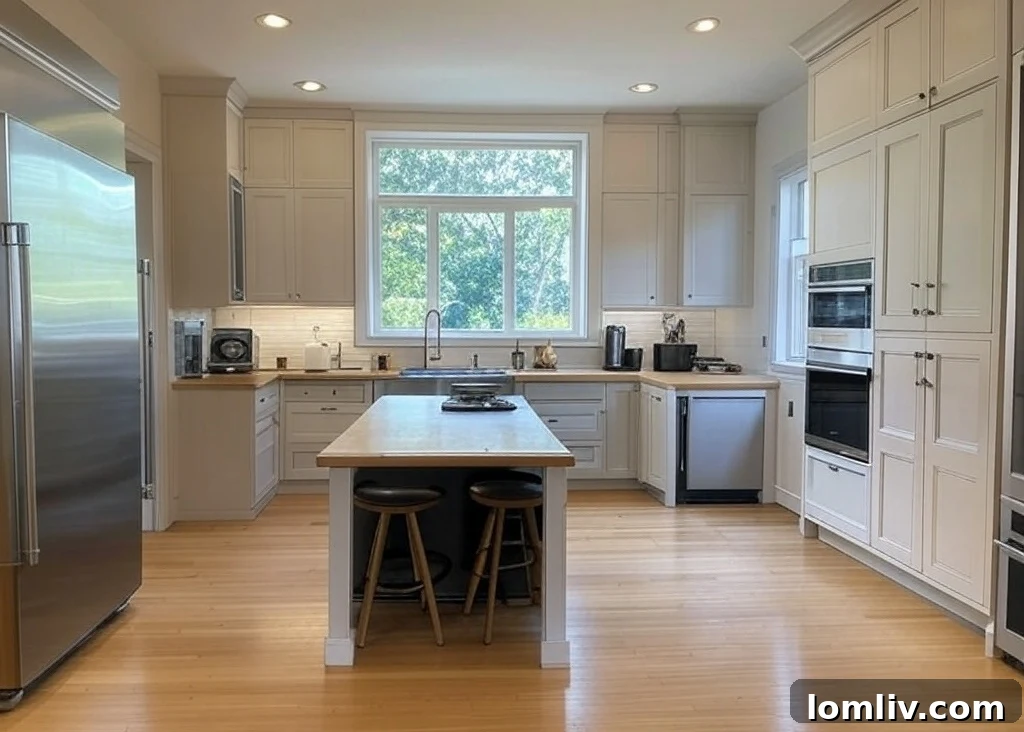
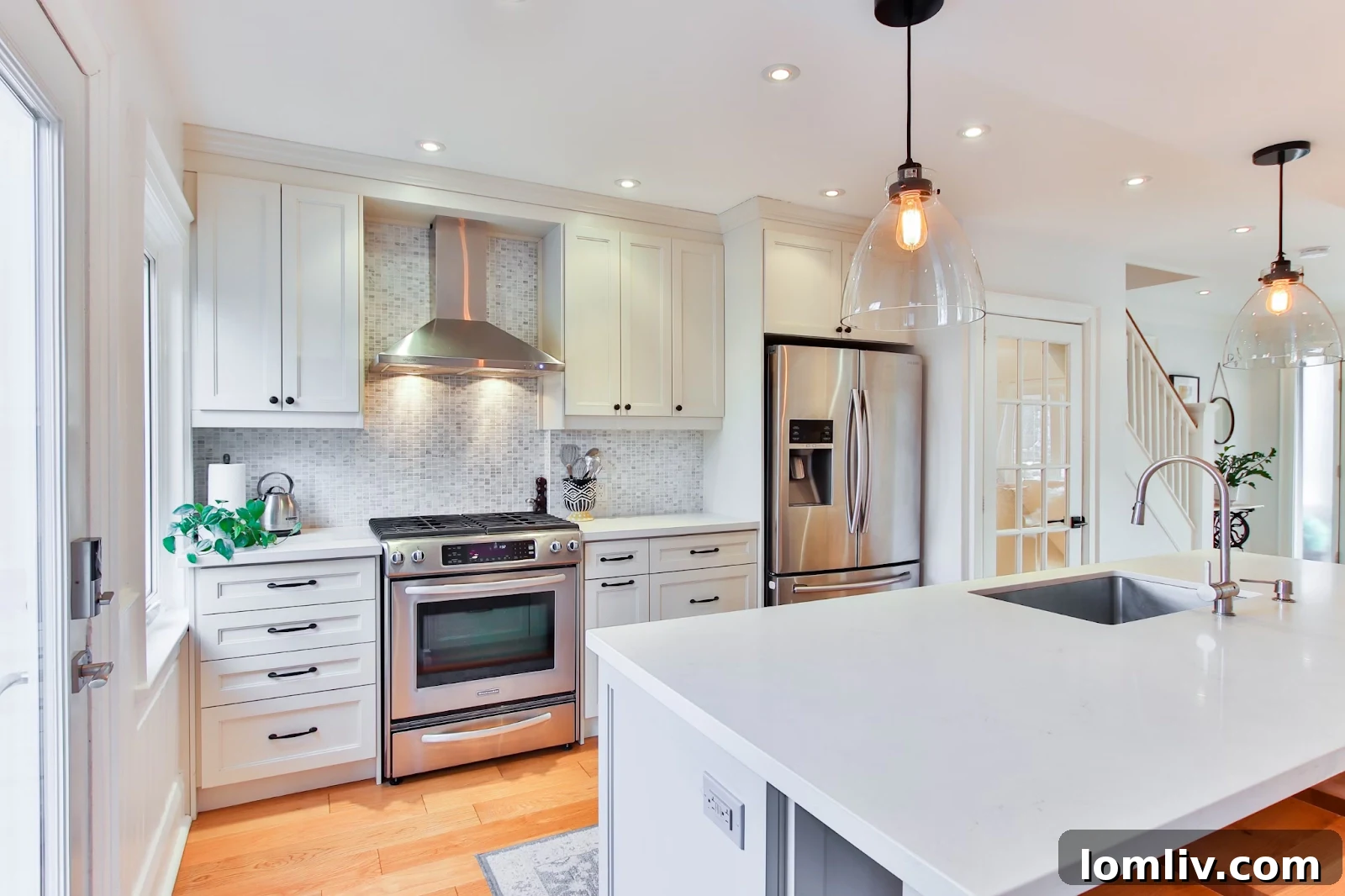
The kitchen is undeniably the heart of every home. Far more than just a place to prepare meals, it’s a vibrant hub where families gather, friends connect, and cherished memories are forged. From the joyful chaos of a backyard BBQ to the cozy atmosphere of a game night, the kitchen sets the stage for life’s most meaningful moments. Imagine perfecting Grandma’s legendary chili recipe on a state-of-the-art Ilve stove, or baking cookies with your children, filling the air with warmth and delicious aromas. A thoughtfully designed kitchen doesn’t merely simplify daily routines; it’s a significant investment in your home’s value and a foundational space for creating lasting traditions.
Whether you’re envisioning a complete kitchen makeover or simply seeking practical updates to enhance functionality and style, understanding the core principles of kitchen design is essential. This comprehensive guide will walk you through transforming your kitchen into a warm, welcoming, and highly efficient sanctuary. These aren’t just superficial suggestions; they are proven strategies for crafting a kitchen that truly embodies the soul of your home.
Understanding the Dynamics of a Truly Functional Kitchen

At the core of an exceptional kitchen lies intelligent design, often referred to as “good kitchen flow.” This concept revolves around the ease and efficiency with which you can navigate your space, access essential tools, and move seamlessly between different tasks without obstruction. A well-optimized kitchen layout ensures that every item you need, from that elusive spatula to your frequently used spices, is conveniently within reach, minimizing unnecessary steps and maximizing your time to savor your culinary creations. It’s not just about aesthetic appeal; it’s about engineering a workspace that genuinely caters to your needs and lifestyle.
The cornerstone of this functional design is the ‘kitchen work triangle‘. This timeless principle connects the three primary workstations: the sink, the stove (or cooking zone), and the refrigerator. By optimizing the placement of these three elements, you create an ergonomic pathway that significantly enhances safety and efficiency in your daily cooking endeavors. Imagine effortlessly moving from retrieving ingredients from the fridge, to rinsing them at the sink, then directly to the stovetop—all within a few steps. Getting this triangle right isn’t just about making cooking a breeze; it also contributes significantly to your home’s overall market value. A kitchen that is a joy to use and thoughtfully laid out becomes an invaluable asset, making it a place you genuinely want to spend time in.
The Essential Elements of a Perfect Kitchen: Flow, Functionality, and Personal Style
Achieving a kitchen that offers impeccable flow, superior functionality, and a touch of personal flair involves mastering several crucial design principles. Let’s delve into these foundational elements:
1. Mastering the Kitchen Work Triangle
As previously highlighted, the work triangle remains paramount. This classic design concept advocates for strategically positioning your sink, cooking range, and refrigerator to ensure they are easily accessible without creating an overcrowded or cumbersome space. The ideal distance between each point of the triangle typically ranges from 4 to 9 feet, allowing for comfortable movement and efficient task execution. This thoughtful spacing prevents collisions and makes the cooking process more fluid and enjoyable.
2. Embracing Open-Concept Living
The trend towards open-concept kitchens continues to grow in popularity, and for good reason. Removing a wall or extending an opening can instantly transform your kitchen, integrating it seamlessly with adjacent living areas. This design choice fosters a more expansive and connected feel, making your home feel larger and more inviting. It’s an ideal setup for entertaining guests, allowing the host to remain part of the conversation while preparing food. Furthermore, an open layout makes it easier to keep an eye on children or pets, contributing to a more relaxed and communal atmosphere within the home.
3. Implementing Smart Zoning for Optimal Efficiency
Beyond the work triangle, smart zoning takes kitchen efficiency to the next level. This involves creating distinct areas for different activities within the kitchen, such as a dedicated cooking zone, a food preparation zone, a cleaning station, and even a casual coffee or breakfast nook. By compartmentalizing these functions, you can significantly reduce chaos, prevent bottlenecks, and streamline your daily routines. Visual cues like varying lighting fixtures, distinct cabinet colors, or different flooring materials can help delineate each zone, making the space both beautiful and intuitively functional. For professional assistance in achieving this level of seamless integration and functionality, consider exploring expert remodeling services. You can Learn More about Seanote Construction to see how experienced professionals can transform your kitchen into a highly efficient and stylish space that perfectly suits your needs.

Practical Strategies for Cultivating Seamless Kitchen Flow
Translating these design principles into a practical, everyday kitchen requires careful planning. Here’s how to ensure your kitchen truly flows:
- Observe Movement Patterns: Before making any significant changes, take time to observe how you and your family typically move through the kitchen. Identify common pathways and potential “traffic jams” during peak usage times, such as meal preparation or entertaining. Ensure there’s ample clear space for multiple people to move and work comfortably without bumping into each other.
- Design for Social Interaction: Design your kitchen with both individual tasks and social gatherings in mind. An island with integrated seating not only provides additional prep space but also creates a natural gathering point for guests, allowing them to socialize without interfering with the cooking process.
- Prioritize Smart Storage Solutions: A clutter-free kitchen is a functional kitchen. Incorporate clever storage solutions such as pull-out pantry shelves, drawer organizers for utensils, and even a designated “junk drawer” to keep frequently used items neatly contained. Vertical storage, like tall cabinets or open shelving, can also maximize space.
- Ensure Design Cohesion: Maintain a consistent aesthetic throughout your kitchen that harmonizes with the rest of your home. Using similar color palettes, material finishes, and stylistic elements creates a unified and sophisticated look, making the kitchen feel like an integral part of your overall home design.
- Optimize Lighting Layers: Good lighting is crucial for both functionality and ambiance. Implement a combination of task lighting (bright, focused lights over countertops for cooking), ambient lighting (general room illumination), and accent lighting (decorative lights to highlight features). Dimmer switches are invaluable for adjusting the mood, transitioning from bright task lighting to a softer, more relaxing atmosphere.
- Integrate Effective Ventilation: A high-quality range hood or ventilation system is non-negotiable, especially if you enjoy cooking with strong flavors or frequently use your stovetop. Proper ventilation removes smoke, odors, and grease, keeping your kitchen air fresh and your surfaces cleaner, ensuring a more comfortable cooking environment.
Key Design Elements That Elevate Your Kitchen’s Appeal and Usability
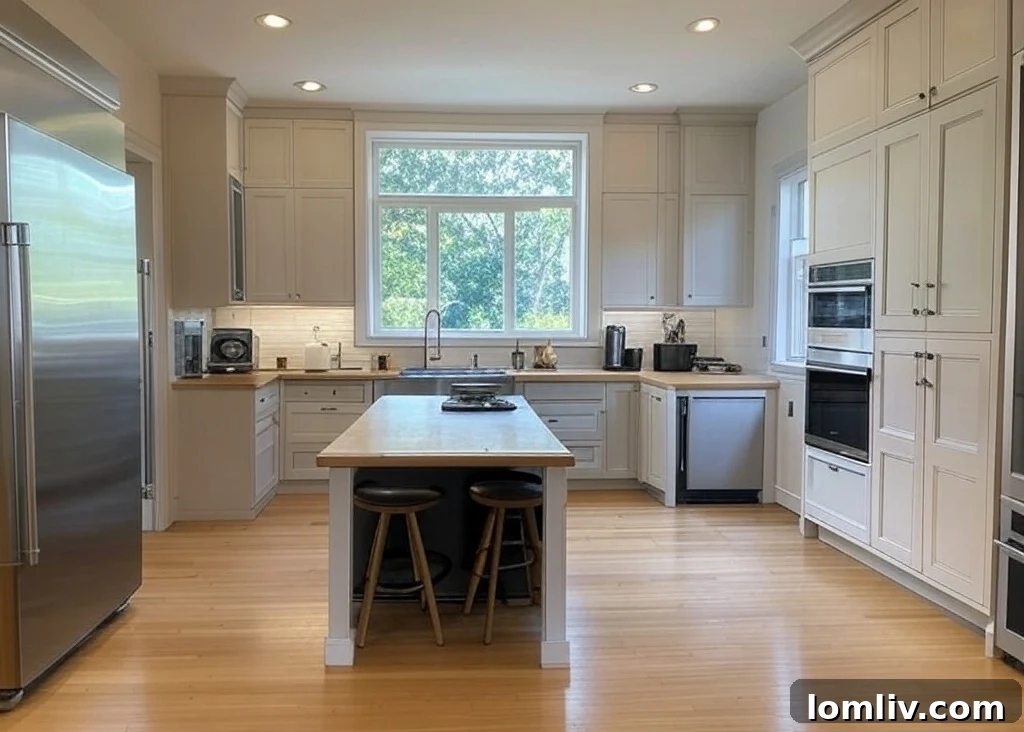
The thoughtful selection of design details can profoundly impact the overall flow, feel, and functionality of your kitchen. Consider these essential elements to create a space that is both stunning and highly practical:
- Craft a Cohesive Color Palette: Select a color scheme that not only ties your kitchen together but also gracefully complements the adjacent rooms. This creates a sense of visual harmony and makes the entire living space feel unified. Utilizing a color wheel can help you discover complementary or analogous colors that enhance your desired aesthetic.
- Choose Consistent and Durable Materials: Opt for materials that work well together, offering both aesthetic appeal and robust durability. For instance, pairing warm wood cabinets with resilient quartz countertops and sleek stainless steel appliances creates a timeless and functional design. Consider developing a mood board to visually assess how your chosen materials will interact and contribute to the overall ambiance.
- Select Functional and Stylish Furniture: Kitchen furniture, such as bar stools, dining chairs, or a breakfast nook bench, should prioritize both comfort and aesthetic integration. Look for pieces that offer good ergonomic support and align with your kitchen’s overall style. Always consider the height of your countertops and the scale of your space to ensure furniture fits proportionately. For a wide selection of decorative boards that can inspire your kitchen furniture choices, explore Cworkshop, offering a vast range of décors to match any vision.
- Seamless Smart Technology Integration: Embrace the future of cooking by incorporating smart appliances and features that can significantly streamline daily tasks and enhance convenience. This could range from a smart refrigerator that tracks your groceries and suggests recipes to voice-activated assistants that control lighting or play music. Research various smart home systems to find one that aligns with your lifestyle and budget, truly bringing your kitchen into the modern age.
- Implement Strategic Layered Lighting: A well-lit kitchen utilizes a combination of task, ambient, and accent lighting to create a warm, inviting, and highly functional space. Task lighting, crucial for food preparation areas like countertops and islands, ensures safety and precision. Ambient lighting provides general illumination for the entire room, while accent lighting can highlight architectural features or decorative elements. Don’t overlook the impact of under-cabinet lighting or stylish pendant lights over an island or breakfast bar for both function and flair.
Kitchen Design Pitfalls: Common Mistakes to Actively Avoid
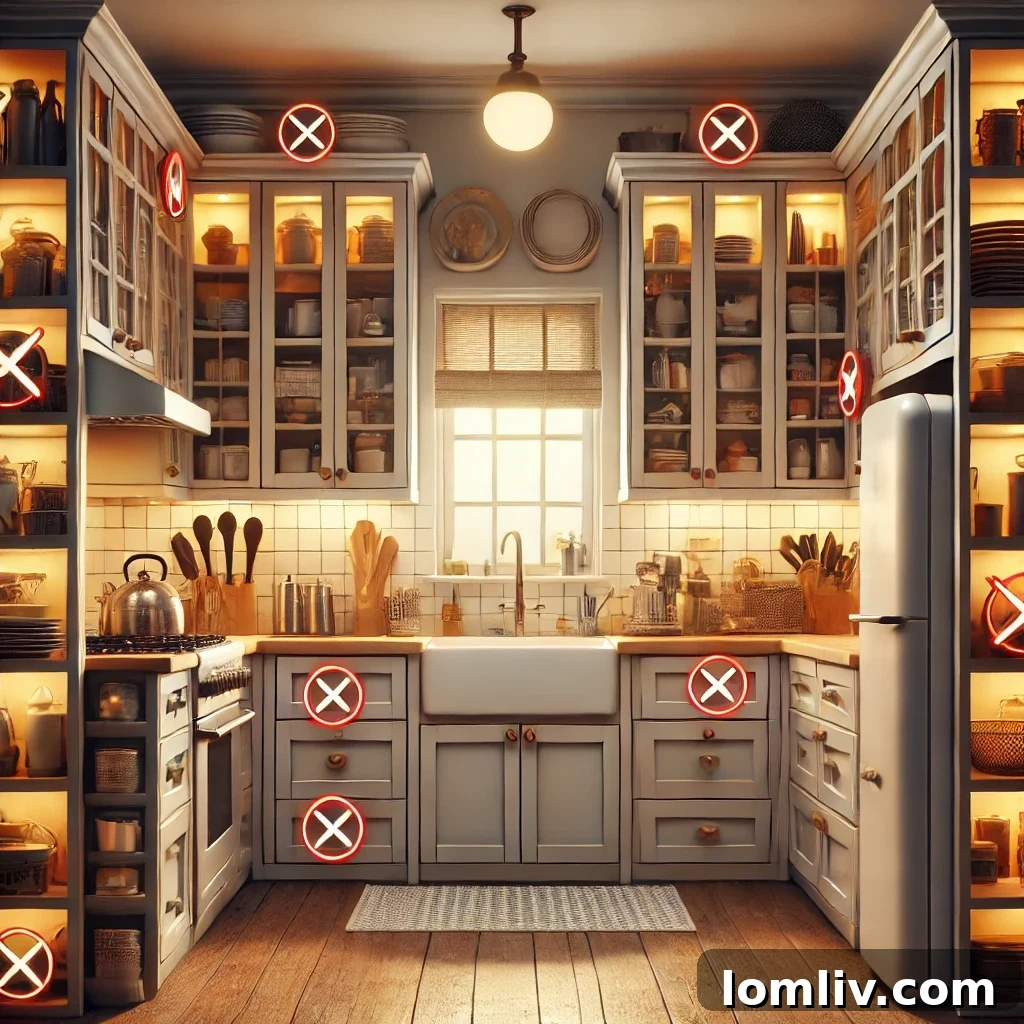
Even the most meticulously planned kitchen renovation can encounter unforeseen challenges or lead to suboptimal results if certain common mistakes are not avoided. Learning from others’ missteps can save you time, money, and frustration. Here’s how to expertly navigate around some frequent design disasters:
- Overcrowding and Neglecting Walkways: A common error is to fill the kitchen with too many large appliances, bulky islands, or excessive cabinetry, turning it into an obstacle course rather than an efficient workspace. Always ensure generous clear pathways, ideally at least 42-48 inches wide, especially in high-traffic areas and around the work triangle. This allows multiple cooks to move freely and safely. Pro tip: Before purchasing any major furniture or appliance, meticulously measure your space and use masking tape on the floor to visualize its footprint and ensure adequate clearance.
- Inadequate and Unbalanced Lighting: Skimping on lighting is a critical oversight that can negatively impact both functionality and mood. A single overhead light fixture is rarely sufficient. You need bright, focused task lighting directly over prep areas and the stovetop for safety and precision, complemented by softer, ambient lighting for overall illumination, and accent lighting to add depth and warmth. Furthermore, neglecting proper ventilation can lead to a smoky, greasy, and perpetually smelly kitchen, detracting from its appeal and cleanliness. Pro tip: Install dimmer switches for all lighting zones. This allows you to effortlessly adjust the light intensity, transitioning from bright culinary work to a cozy dining atmosphere with ease.
- Disregarding Your Personal Culinary Style: It’s easy to get swept away by trendy kitchen designs seen in magazines or online, but if a kitchen doesn’t align with how you actually cook and live, it will ultimately feel dysfunctional. Consider your specific needs: Do you bake frequently and require ample counter space for rolling dough? Are you an avid entertainer who needs a large island for serving? Do you prefer a professional-grade range or a minimalist induction cooktop? Design your kitchen to cater to your unique habits and preferences. Pro tip: Create a detailed list of your typical kitchen activities and the tools you use most often. This personal inventory will guide your choices for layout, storage, and appliance selection, ensuring a kitchen that truly works for you.
Embarking on the journey to create your dream kitchen is an exciting endeavor. Remember, the key to success lies in striking the perfect balance between impeccable flow, robust functionality, and your distinctive personal style. Don’t shy away from experimenting with ideas, trust your instincts, and most importantly, enjoy the creative process. The result will be a beautifully designed kitchen that you and your loved ones will cherish and appreciate for many years to come, a true testament to thoughtful design and purposeful living.