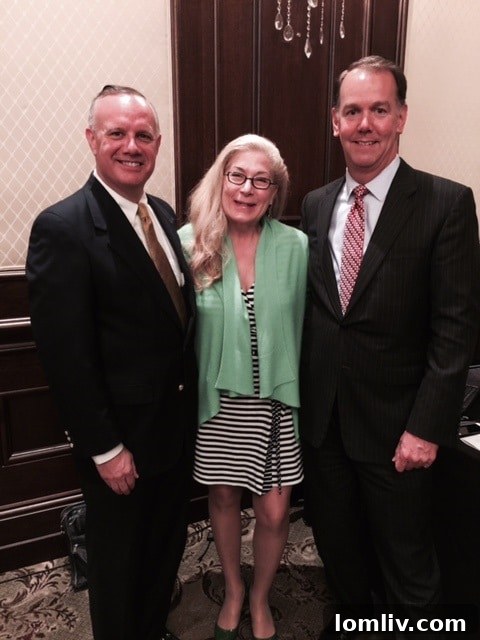
Navigating the Nuances of Luxury Real Estate: Insights from Paul Boomsma
The landscape of luxury real estate is constantly evolving, shaped by global economic shifts, changing consumer preferences, and generational wealth transfers. Understanding these intricate dynamics is crucial for anyone involved in the high-end property market, from agents to investors. We delve into the invaluable insights of Paul Boomsma, President of Luxury Portfolio of Leading Real Estate Companies of the World, a true authority in luxury marketing. While not an agent himself, Boomsma’s expertise lies in deciphering the affluent consumer, a knowledge base honed through extensive research with prominent firms like The Harrison Group, which meticulously tracks affluent buying patterns for major brands like American Express.
Boomsma’s unique vantage point allows him to not only confirm the vitality of the luxury sector but also to pinpoint its direction, uncovering the precise language and strategies marketers employ to captivate today’s discerning luxury consumer. His recent presentation to an elite group of Dave Perry-Miller luxury real estate agents at the Dallas Country Club unveiled a compelling white paper, offering a fresh perspective on what truly resonates with the affluent market.
The Evolving Lexicon of Luxury: Beyond Expensive and Exclusive
According to Boomsma, the traditional descriptors of luxury, such as “expensive” and “exclusive,” are rapidly becoming obsolete. These terms, once synonymous with aspirational living, no longer capture the essence of what today’s affluent buyers seek. Instead, a new set of keywords defines modern luxury, reflecting a more holistic and experience-driven approach to wealth and well-being. These powerful new buzzwords include:
- Balance: Emphasizing harmony in life, work, and personal well-being.
- Youthful: Pertaining to vitality, energy, and a forward-looking mindset, rather than age.
- Savvy: Highlighting intelligence, discernment, and an informed approach to choices.
- Global: Reflecting a world view, international connections, and diverse experiences.
- Speed: Valuing efficiency, seamless experiences, and time-saving solutions.
- Nutrition: Underscoring health, wellness, and mindful living.
- Mobile: Signifying adaptability, flexibility, and connectivity on the go.
- Educated: Appreciating knowledge, cultural enrichment, and informed decision-making.
Noticeably absent from this list are terms like “liposuction” or purely cosmetic enhancements. The shift is evident: contemporary luxury is deeply rooted in natural health, holistic wellness, and an authentic lifestyle rather than superficial indulgence. This redefinition signals a profound change in how luxury products and, by extension, luxury real estate are positioned and perceived by high-net-worth individuals.
The Unmistakable Resurgence of Luxury: A Market in Bloom
Paul Boomsma unequivocally states that luxury is not just back; it’s thriving with unprecedented vigor. The evidence is compelling: luxury brands are reporting phenomenal growth. Bottega Veneta has seen a remarkable 47% surge in business. Louis Vuitton, a titan in the luxury goods sector, is generating over a million dollars in profit daily, translating to an astonishing $8 billion in profit from $38 billion in sales. Even the automotive industry reflects this trend; Mercedes-Benz’s poignant “It’s a Boy” commercial strategically targets Millennials, positioning their luxury vehicles as the ideal choice for bringing newborns home. This marketing pivot signifies a broader understanding of luxury consumption across generations, moving beyond traditional demographics.
The expansion of brands like Michael Kors, now boasting over 100 stores, further solidifies this trend. Known for its aspirational yet accessible luxury, Michael Kors embodies the new spirit where “luxury” is no longer a pejorative term as it might have been during the economic downturn. For the real estate market, this resurgence has profound implications. It translates into an increase in “trade-up” buyers, those looking to upgrade their living situations, and a surge in global buyers, particularly aided by the availability of jumbo mortgages at competitive rates.
Even luxury home builders are experiencing a renaissance. Tatum Brown Custom Homes is actively constructing a sprawling 10,000-plus square foot speculative property at 4218 Arcady in Highland Park, a testament to renewed confidence in the high-end market. Personal observations also confirm this trend, with numerous other impressive speculative builds emerging in affluent neighborhoods.
The Affluent Buyer: Understanding the “1% Phenomenon” and the Shift from Value to Worth
A key characteristic of the luxury market, and one that significantly impacts economic cycles, is the purchasing power of the top one percent. This demographic, often the subject of fascination, plays a vital role in stimulating the economy through their consumption patterns. Paul Boomsma highlights a striking statistic: the 1% own an average of four homes. This isn’t just about accumulating properties; it’s about investment, lifestyle, and a diversification of assets that reflects their unique financial strategies. Personal anecdotes further illustrate this, with owners of multi-million dollar homes sometimes possessing six or more properties, underscoring the depth of their real estate portfolios.
In 2014, the real estate market witnessed 92.2 billion home sales, but a crucial distinction has emerged: buyers are increasingly purchasing based on “worth” rather than solely on “value.” This philosophical shift is paramount for luxury real estate professionals to grasp.
- Worth: This signifies an emotional connection, a deep desire, and a personal justification. It’s the “I love it, I’m WORTH it, and I gotta have it” mentality. Price becomes secondary to the fulfillment of a lifestyle aspiration or emotional attachment.
- Value: This, in contrast, is rooted in practicality and the satisfaction of securing a “good deal.” During the 2008 recession, when affluent Americans perceived a significant loss of their net worth and job security, the focus shifted heavily towards value and prudence. It was a time when stores like Costco thrived.
Today, the pendulum has swung back towards “worth,” fueling a robust market for vacation homes. Boomsma strongly advises agents against losing clients to specialized vacation home agents, emphasizing the critical need to be in the driver’s seat for all aspects of clients’ real estate needs, whether it’s a lakeside retreat in Texoma, a mountain escape in Telluride, or a serene property in Tahoe. This strategic foresight has been a consistent theme on platforms like SecondShelters.com for years, underscoring the importance of serving this burgeoning sector.
Generational Dynamics: Boomers, Millennials, and the Future of Luxury Real Estate
The luxury real estate market is profoundly influenced by the distinct preferences and behaviors of different generations, primarily Baby Boomers and Millennials. Understanding these generational nuances is key to effective marketing and client service.
The Enduring Power of Baby Boomers
Baby Boomers, who began their real estate consumption in the 1990s, represent a significant force. Unlike their parents’ generation, today’s Boomers are generally healthier, more active, and prioritize looking good. They are discerning buyers who seek tangible value, often with an emphasis on longevity and quality. They demand to know the true worth of their investments. If a street commands a higher price per square foot because of its prime location for community events like Halloween trick-or-treating, they want to understand that intrinsic appeal. This requires agents to possess in-depth knowledge beyond mere comparable sales data. It means recognizing the difference between a Bulthaup, Boffi, or Poggenpohl kitchen – understanding the nuances of high-end finishes and brands.
As Paul Boomsma wisely noted, “It’s not just comps. It’s selling the value of time and family, or the floor height for the view – why is this property valuable at this point in their lives?” Boomers are also among the happiest buyers, and contrary to popular belief, many are not looking to drastically downsize. Instead, they often desire spacious yards for grandchildren and grand dining rooms for holiday gatherings. Interestingly, the traditional dining room is evolving; it’s no longer just for meals but has transformed into “The Experience Room,” a versatile space for hosting events, gatherings, and celebrations beyond formal dining.
The Ascendancy of Millennials
Perhaps one of the most surprising and impactful trends is the growing influence of Millennials on Baby Boomer purchasing decisions. Yes, the younger generation is actively guiding their parents’ choices in real estate and luxury goods. But how are these Millennials, often in their late twenties or early thirties, affording luxury items like a Mercedes or BMW for their baby’s first car? The answer lies in the monumental intergenerational wealth transfer underway. In 1997, $1.6 million in wealth was transferred to Boomers; fast forward to 2015, and this figure soared to an estimated $114 billion. Millennials are poised to inherit an astounding $4.6 trillion from their parents, a staggering 50% more than Generation X.
This demographic shift is reflected in real estate acquisition patterns, with Millennials now leading the pack in property purchases, followed by Gen X, and then Boomers. Millennials, often described as stressed and over-programmed, are highly technologically integrated, owning multiple devices and preferring texting and emailing over phone calls. Despite these pressures, they exhibit remarkable financial responsibility, frequently engaging in second-hand designer clothing markets and embracing the sharing economy through services like Airbnb and Uber, viewing them as more cost-effective than traditional ownership.
In terms of housing, Millennials are willing to compromise on square footage but insist on high-end finishes and quality brand-name goods. They are ecologically minded, prioritizing sustainability and recycling. Crucially, they value professional expertise and the perceived quality and reputation of individuals and services. They guard their time fiercely, utilizing technology to maximize efficiency. When it comes to lifestyle, Millennials expect professionals to “get them,” understanding their social circles and preferred leisure activities – knowing where they play and dine is essential.
Millennials have specific priorities when it comes to their homes:
- Privacy: Valued by 60% of millennial buyers.
- Kitchens: A top priority for 54%, reflecting their culinary and social habits.
- Master Suite: Also a priority for 54%, emphasizing personal sanctuary.
- Outdoor Entertainment Areas: Desired by 53%, highlighting a love for entertaining and leisure.
- His and Her Walk-in Closets: Important to 52%, signifying a demand for luxury and organization.
For Millennials, purchasing a home is often seen as a competitive sport, a means of enhancing their lifestyle and status, a perspective eloquently captured by Jim Taylor of The Harrison Group.
The Global Affluent: A Unified Lifestyle and New Demands for Agents
Affluence is increasingly globalized, leading to a new phenomenon where high-net-worth individuals across the world are uniting through shared lifestyles and common interests. This global elite bonds over passions such as family, business, art, fitness, and, of course, luxury real estate. They travel extensively, frequenting the same exclusive hotels, fostering cross-ownership in businesses, club memberships, and even properties. This globally connected demographic is escalating its spending across luxury categories including real estate, travel, entertainment, fashion, and high-end automobiles.
The “passion points” of the globally affluent offer crucial insights for luxury real estate professionals:
- Desire for a Fabulous Life: They seek more than just property; they crave an integrated lifestyle encompassing beautiful country clubs, spas, and compelling local attractions. For example, buying in Dallas means they expect a rich array of activities and cultural experiences.
- Love for Learning and Design: They are sophisticated, knowledgeable consumers, often becoming arbiters of design trends, heavily influenced by platforms like HOUZZ. They appreciate architectural detail and design quality.
- On-the-Go Lifestyle: They are dynamic and enjoy exploring the latest and hottest restaurants, valuing convenience and accessibility to vibrant social scenes.
- Passion for Work: They are driven individuals who work hard and are passionate about their professional endeavors, often requiring dedicated and well-equipped home office spaces.
- Love for Entertaining: They enjoy hosting, particularly in their homes, often for charitable events, requiring expansive and well-appointed spaces for entertaining.
- Appreciation for Leisure: After work, hosting, and dining, the affluent prioritize leisure and play, seeking properties that facilitate relaxation and recreation.
Paul Boomsma also highlighted significant shifts in consumer preferences for real estate services. The recession had a profound impact on large, multi-national real estate companies; consumers now show a stronger preference for local real estate brands, valuing their community connection and specialized expertise over generic corporate identities. Affluent clients expect agents to respect their time and privacy, yet also be deeply embedded within the community, both civically and culturally. Crucially, they demand that their Realtor equips them with profound knowledge and insights – the ability to explain not just the price, but the intrinsic qualities of a custom-made Italian kitchen or the specific benefits of a particular neighborhood. This goes beyond sales; it’s about being a trusted advisor.
In this dynamic and highly sophisticated market, staying informed and adaptable is not just beneficial, but absolutely essential for success. The future of luxury real estate belongs to those who understand its evolving language, the generational shifts in buyer behavior, and the globalized aspirations of the affluent consumer.