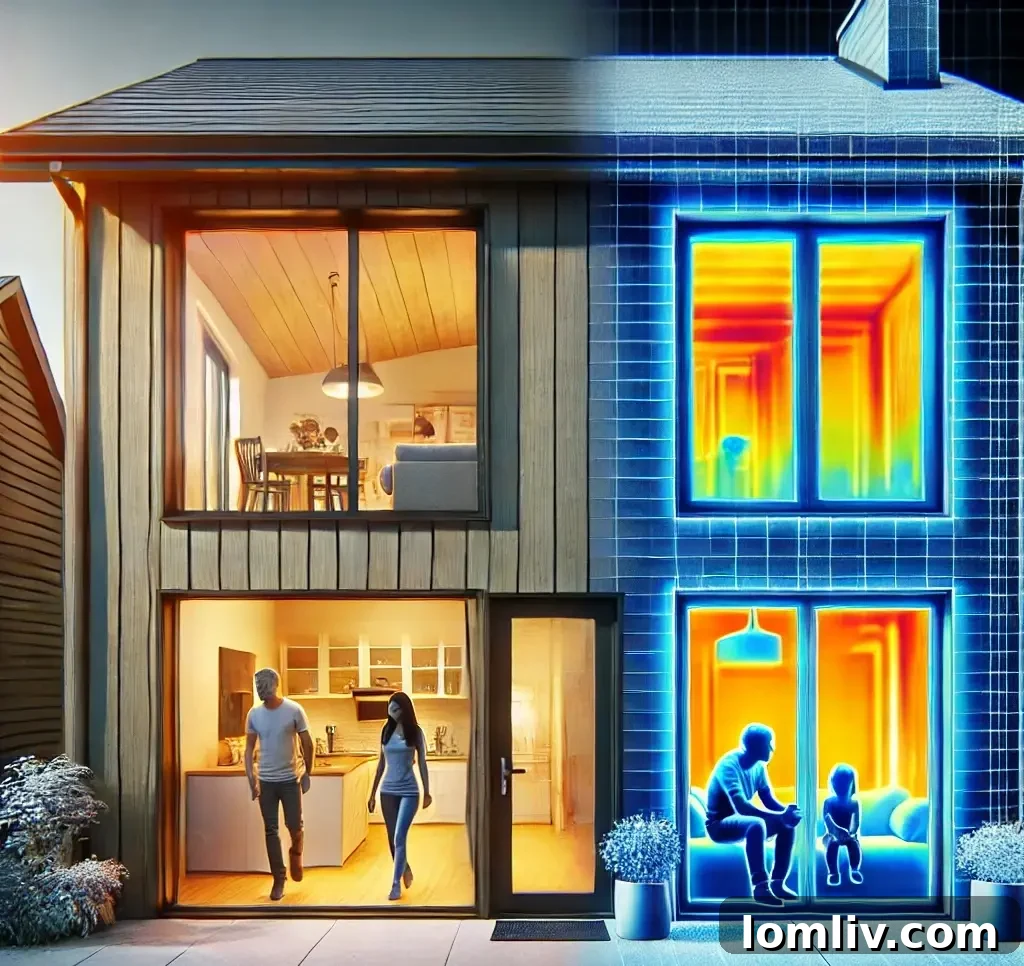
In today’s rapidly evolving world, the concept of sustainability has moved from a niche concern to a global imperative. As individuals and societies grapple with environmental challenges and rising operational costs, the focus increasingly shifts towards actionable solutions. Among the most impactful and accessible methods for enhancing energy efficiency in both residential and commercial buildings are the strategic selection and installation of high-quality, energy-saving doors and windows. These essential components act as the critical interface between indoor comfort and the external environment, playing a pivotal role in a building’s overall energy performance and long-term viability.
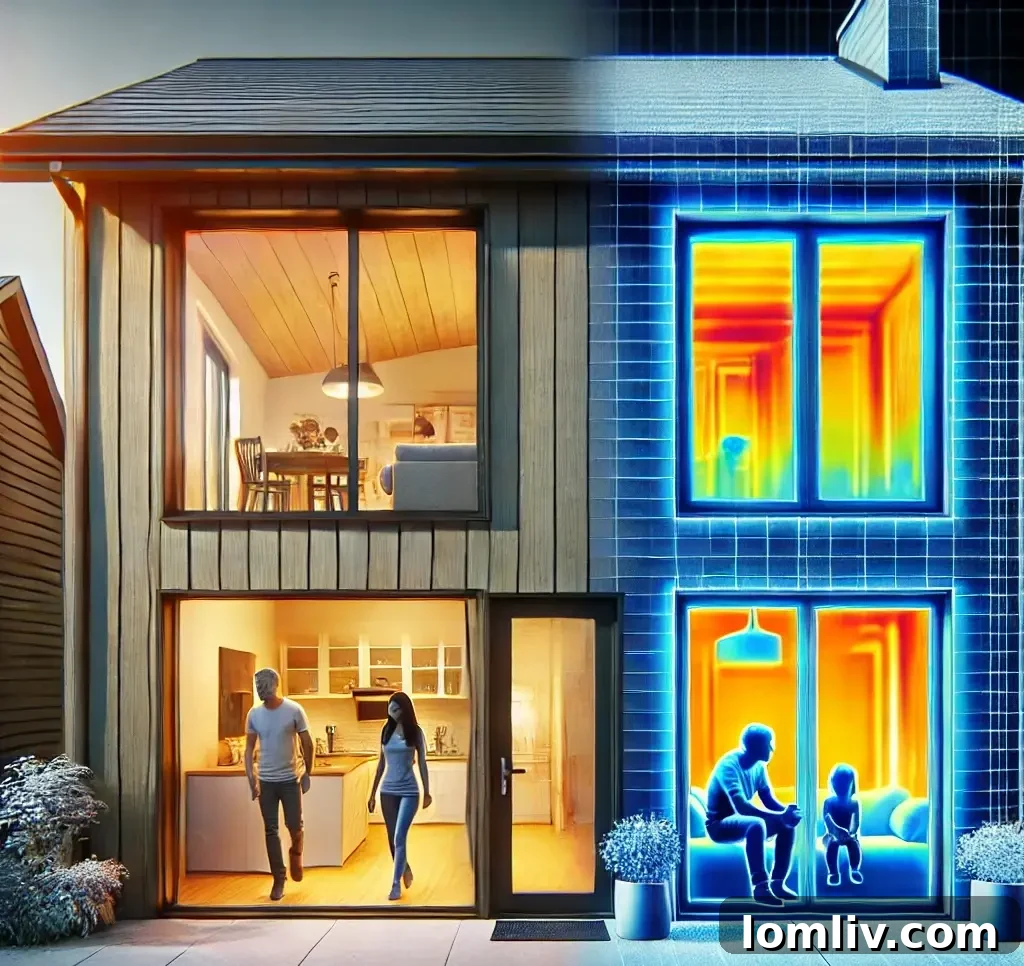
The prevailing question, therefore, isn’t just about the benefits of energy-efficient doors and windows, but precisely why they have become an indispensable element of modern construction and renovation. Understanding the multifaceted reasons behind their growing necessity reveals a compelling narrative of environmental stewardship, financial prudence, and enhanced quality of life. Let’s explore the key drivers making these upgrades smarter than ever before.
The Unwavering Demand for Energy Efficiency in the Modern Era
The urgency for energy efficiency permeates every sector of society, resonating deeply with businesses, homeowners, and governmental bodies alike. The convergence of steadily climbing energy bills and a heightened awareness of global warming has unequivocally sensitized everyone to the magnitude of their carbon footprint and the pressing need to reduce electricity consumption. This collective consciousness drives innovation and demand for superior building materials. Companies like BlueBird Windows exemplify this commitment, channeling their expertise into developing state-of-the-art, energy-efficient solutions designed to meet these critical demands head-on. They understand that a home or office is not merely a structure but a dynamic system that can either contribute to or alleviate environmental strain.
At their core, energy-efficient doors and windows, whether they are sleek black steel doors or sophisticated multi-pane windows, serve a fundamental purpose: to expertly regulate indoor temperatures. By minimizing heat transfer, they significantly reduce the workload on your heating, ventilation, and air conditioning (HVAC) systems. This translates directly into lower energy consumption, which in turn leads to a substantial decrease in greenhouse gas emissions. It’s a powerful symbiotic relationship where your wallet benefits from reduced utility costs, and the environment benefits from a lessened ecological impact. Opting for these advanced solutions is a proactive step towards creating more sustainable living and working environments, contributing to a healthier planet for current and future generations.
Pioneering Environmental Impact and Fostering Sustainability
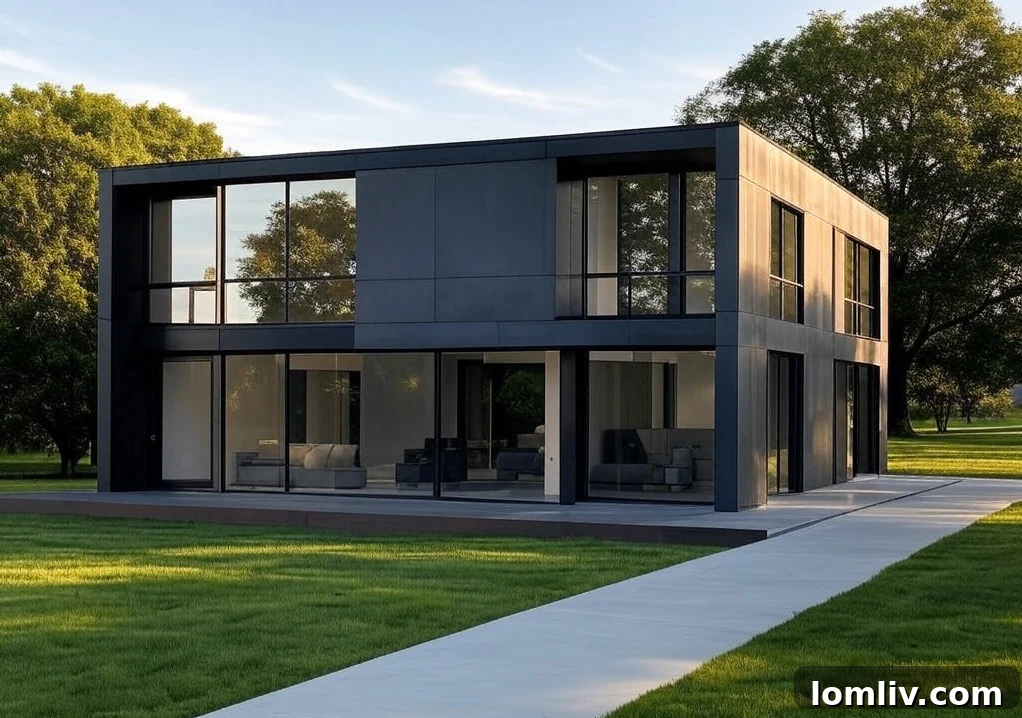
Perhaps the most compelling argument for transitioning to energy-efficient doors and windows is their profound and positive impact on the environment. Traditional, poorly insulated windows and doors are notorious for being significant culprits in energy waste. They act as thermal bridges, allowing precious heat to escape during colder months and permitting unwanted heat to infiltrate during the summer. This constant battle against thermal transfer forces heating and cooling systems to work overtime, causing energy use to skyrocket. The consequence is not just higher bills, but also a surge in energy production from power plants, many of which still rely heavily on the combustion of fossil fuels. This process releases a multitude of pollutants into the atmosphere, directly contributing to smog, acid rain, and, most critically, the acceleration of global warming and climate change.
By contrast, upgrading to modern, energy-efficient doors and windows represents a tangible commitment to environmental stewardship. Studies have consistently shown that homeowners can reduce their energy consumption by up to 30% or even more after such an upgrade. This significant reduction alleviates the strain on heating and cooling systems, directly leading to lower utility bills and a dramatically reduced carbon footprint for individual households. On a broader scale, fewer homes drawing excessive power means a decreased need for power plants to burn more fuel. If a substantial number of individuals and communities make this crucial switch, the collective impact could be monumental. We could see a significant drop in atmospheric pollution and harmful greenhouse gas emissions, paving the way for a cleaner, healthier planet for generations to come. This transition is not merely a home improvement; it’s an investment in the ecological well-being of our world.
Unlocking Substantial and Sustainable Lower Energy Bills
While the initial outlay for energy-efficient doors and windows might be marginally higher than that for their conventional counterparts, viewing this as a long-term investment rather than a mere expense reveals its true economic wisdom. These advanced systems are meticulously designed with superior insulation properties that create an impenetrable barrier against external temperatures. They effectively keep heat contained within your home during chilly winters and repel it during scorching summers. This intrinsic design means your heating and cooling systems no longer have to labor excessively to maintain a comfortable indoor climate, resulting in significantly less energy consumption and, predictably, substantially lower monthly utility bills year after year.
Furthermore, governments and local authorities recognize the immense benefits of promoting energy efficiency. Consequently, numerous federal and state programs exist to incentivize homeowners to make these crucial upgrades. Notable examples include the ENERGY STAR program, a trusted government-backed symbol for energy efficiency, and the Database of State Incentives for Renewables & Efficiency (DSIRE), which provides comprehensive information on incentives across the U.S. These programs often offer attractive rebates, tax credits, or low-interest loans specifically for homeowners who upgrade to energy-efficient features. It is highly recommended to check local utility companies and government websites for state-specific and regional incentives that can further offset the upfront costs. These financial perks not only make the initial investment more palatable but also enhance the overall return on investment. Over time, the cumulative savings on energy bills can easily surpass the installation cost, transforming what might seem like an expenditure into a highly profitable and environmentally responsible financial decision.
Elevating Indoor Comfort and Air Quality Year-Round
Beyond the tangible financial and environmental benefits, energy-efficient doors and windows fundamentally transform the living experience within your home by significantly improving comfort and indoor air quality throughout the year. Their advanced insulation technology is engineered to maintain remarkably stable indoor temperatures, effectively eliminating common household nuisances such as cold drafts that often permeate from older, less efficient windows and doors in winter, or zones of excessive heat build-up during summer. This means you no longer have to constantly adjust thermostats or bundle up indoors to stay warm, nor will you endure stifling heat, regardless of the season outside. Your home becomes a sanctuary of consistent, effortless comfort.
Moreover, the superior construction and robust sealing of these modern installations provide an additional, often overlooked, benefit: excellent acoustic insulation. If you reside near a bustling street, an active neighborhood, or simply desire a quieter living space, energy-efficient windows and doors significantly reduce the infiltration of outside noise, creating a more peaceful and serene indoor environment. This acoustic dampening can drastically improve your quality of life, allowing for better sleep, concentration, and relaxation. Additionally, the improved sealing mechanisms act as a formidable barrier against external pollutants. Fewer dust particles, allergens, pollen, and other airborne contaminants can penetrate your home, leading to a noticeable improvement in indoor air quality. For individuals with allergies or respiratory sensitivities, this can translate into a healthier and more comfortable living environment, making these upgrades a holistic enhancement to your home.
Significantly Boosting Property Value and Market Appeal
In today’s dynamic real estate market, energy efficiency has emerged as a paramount selling point, fundamentally influencing buyer decisions and property valuations. Homes equipped with state-of-the-art energy-efficient doors and windows inherently become more attractive to prospective buyers. This appeal stems from a clear and tangible promise: the prospect of significantly lower utility costs over the home’s lifespan, coupled with a reduced environmental impact. These twin benefits not only enhance the home’s intrinsic value but can also significantly boost its resale value in a competitive market.
Furthermore, homes boasting official energy efficiency certifications and ratings—such as those from ENERGY STAR or local green building programs—gain an undeniable advantage. These verified credentials provide buyers with objective proof of a home’s superior performance, instilling confidence and often commanding higher asking prices. As environmental consciousness grows, buyers are increasingly prioritizing sustainable living options and properties that offer long-term operational savings. Investing in high-performance doors and windows is therefore not merely a renovation; it is a strategic enhancement that aligns with current market trends and future homeowner expectations. This foresight makes such upgrades an excellent way to proactively increase your home’s future resale potential, ensuring it stands out as a smart, sustainable, and desirable investment in the eyes of discerning buyers.
Unveiling the Latest Innovations in Energy-Saving Technology
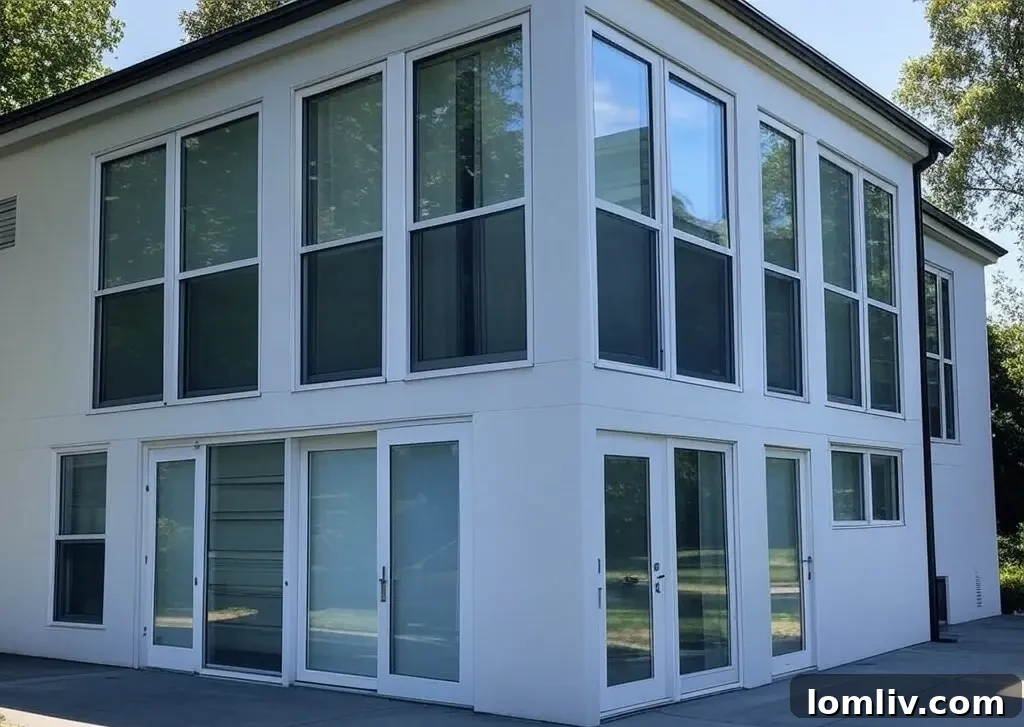
The field of energy-efficient doors and windows has undergone a remarkable transformation in recent years, driven by relentless innovation and technological advancements. What was once considered cutting-edge is now standard, and new breakthroughs are continually pushing the boundaries of thermal performance and functionality. Key innovations include intelligent smart glass technologies that can automatically adjust their tint or opacity in response to changing light conditions, optimizing natural light while minimizing solar heat gain. Vacuum-insulated glazing represents another leap forward, offering unparalleled insulation capabilities that far exceed traditional double or triple-pane windows by eliminating thermal convection and conduction between glass panes. Furthermore, advanced weatherstripping techniques, incorporating multiple layers of resilient materials, have been developed to virtually eliminate air leaks, thereby further minimizing heat loss or gain through the edges of doors and windows.
Digging deeper into the components, features like low-emissivity (Low-E) glass coatings are pivotal. These microscopically thin, transparent metallic layers are applied to glass surfaces to reflect radiant heat. In winter, Low-E glass helps keep heat inside by reflecting it back into the room, while in summer, it reflects solar heat away, keeping the interior cooler. The introduction of multi-glazed windows, particularly double or triple glazing, with inert gas fills (like argon or krypton) between the panes, provides an additional layer of insulation by slowing down heat transfer. This gas acts as a superior insulator compared to air, creating an even more effective thermal barrier. Modern frame materials have also evolved significantly. Fiberglass and vinyl frames now offer vastly superior insulation properties compared to older, less efficient materials like traditional wood or aluminum. These high-performance materials are designed to resist heat transfer, reduce condensation, and maintain structural integrity over time, all contributing to your home staying comfortable while consuming considerably less energy. These collective innovations ensure that today’s energy-efficient solutions are more effective, durable, and sophisticated than ever before, offering optimal performance and long-term savings.
A Crucial Step Towards National Energy Independence and Security
Beyond the immediate benefits to individual homeowners, the widespread adoption of energy-efficient doors and windows plays a critical role in advancing national energy independence and security. When individual homeowners consciously reduce their energy consumption, the collective demand placed on national power grids significantly decreases. This aggregate reduction has far-reaching macroeconomic and geopolitical implications. A lower overall energy demand lessens a nation’s reliance on imported fuels, particularly fossil fuels, which are often subject to volatile global markets and geopolitical instabilities. By reducing the need for foreign energy sources, a country can bolster its economic resilience and decrease its vulnerability to international price fluctuations and supply disruptions.
Furthermore, decreased reliance on imported fuels fosters and supports the development and expansion of local, domestic renewable energy sources. As the overall energy demand is mitigated through efficiency measures, the existing renewable infrastructure can meet a larger proportion of the national energy needs, accelerating the transition to a cleaner energy economy. This strategic shift strengthens national energy security by minimizing dependence on potentially unreliable external sources, which is especially vital during times of global conflicts or sudden spikes in fuel prices. Energy independence not only fortifies national resilience but also empowers a country to allocate resources towards internal growth and innovation, rather than being dictated by external energy market forces. It’s a foundational step towards a more self-sufficient, sustainable, and secure future for the nation as a whole.
A Smart, Forward-Thinking Choice for a Sustainable Future
The burgeoning demand for energy-efficient doors and windows transcends mere cost-saving measures; it embodies a profound commitment to making a real and measurable difference in our world. In an era defined by the pressing challenges of climate change, the persistent upward trend of energy prices, and a growing global push for sustainable living practices, opting for energy-efficient solutions is not just sensible—it’s an exceptionally smart and proactive way to prepare for the future. This decision is an investment in both personal well-being and collective environmental health.
Whether you are embarking on the exciting journey of building a new home from the ground up, undertaking a comprehensive renovation of an existing property, or simply seeking practical and effective ways to shrink your household’s carbon footprint, the investment in energy-efficient doors and windows stands out as a remarkably intelligent choice. It delivers tangible benefits for your home, translating into enhanced comfort, reduced operational costs, and increased property value, while simultaneously offering significant advantages for the environment by conserving resources and curbing emissions. To further explore the extensive benefits of energy-efficient home upgrades and to uncover the wealth of available incentives, we encourage you to consult local energy programs or connect with a certified energy expert in your region. Their guidance can help you navigate the options and make informed decisions that benefit both you and the planet for years to come.