By Michelle Lynne
President, ML Interiors Group
Designing Your Ideal Home Office: A Comprehensive Guide to Productivity and Comfort
The modern professional landscape has undergone a significant transformation, particularly in recent years. With more companies embracing flexible work arrangements, remote work, or hybrid models, the concept of a home office has evolved from a mere convenience to an absolute necessity. Whether your employer has fully reopened, opted for a part-time return, or indefinitely extended remote work, having a dedicated and well-designed home office is paramount to maintaining productivity, focus, and overall well-being.
Gone are the days when a makeshift workspace at the dining table or a cramped corner of the living room sufficed. To truly thrive in a remote setting, you need a space that inspires efficiency, minimizes distractions, and supports your physical and mental health. This comprehensive guide will walk you through the essential steps to create a home office that is not only functional but also a source of inspiration, transforming your home into a hub of professional success and personal comfort. We’ll cover everything from selecting the right location to optimizing aesthetics and integrating smart solutions.
Step 1: Selecting the Perfect Space for Your Home Office
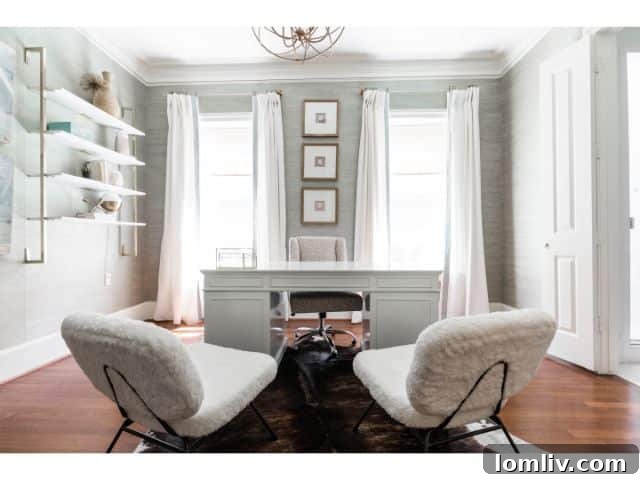
The foundation of any productive home office begins with choosing the right location. This critical decision hinges on several factors, including available space, potential noise levels, access to natural light, and your personal work style. While the ideal scenario often involves a dedicated spare room, if that’s not an option, there are numerous creative and practical solutions to establish an effective workspace within your existing home layout.
Transforming a Guest Bedroom into a Dual-Purpose Office
For many households, a guest bedroom offers an excellent opportunity to create a multi-functional space. Since entertaining visitors might be less frequent than in previous years, this room can easily double as a home office without significant compromise. To maximize the space, especially when a traditional bed takes up too much room, consider innovative furniture solutions that offer flexibility:
- Murphy Bed (Wall Bed): A fantastic space-saving invention, a Murphy bed is a wall-mounted or cabinet bed that folds away neatly when not in use. This frees up significant floor space during your workday, allowing for a larger desk, additional storage, or even room for a small workout area.
- Daybed with a Trundle: This versatile option serves as comfortable seating during the day, perfect for reading or taking a quick break, and can be pulled out to a full-sized bed for guests. As an added bonus, a daybed can provide a perfect spot for a quick power nap, helping to rejuvenate your mind without ever leaving your office environment.
- Sofa Bed or Futon: Modern sofa beds are increasingly comfortable and stylish. They can offer a casual seating area for virtual meetings or brief breaks, easily transforming into a sleeping space when needed. Look for designs that prioritize both comfort and aesthetics.
Creative Solutions for Limited Space
What if a spare room or guest room simply isn’t available? Don’t be discouraged. Low-traffic areas within your home can be cleverly repurposed into highly functional home offices. The key is to identify zones where distractions are minimal and where you can establish a sense of psychological separation from the rest of your living space:
- Closet Conversion (“Cloffice”): A seldom-used or oversized closet can be transformed into a surprisingly cozy and efficient “cloffice.” Remove the doors, add a sturdy shelf for a desk, install overhead or puck lighting, and integrate vertical shelving for storage. You can even add a curtain for privacy when needed.
- Hallway Nook or Alcove: A wide hallway or an unused architectural alcove can often accommodate a slim console desk and floating shelves, creating a discreet yet dedicated workspace without disrupting main living areas.
- Under the Stairs: Often overlooked, the space beneath a staircase can be a surprisingly efficient spot for a compact built-in desk and custom shelving. This utilizes an otherwise dead space ingeniously.
- Corner Transformation: Even a quiet corner in a living room, bedroom, or den can become a productive zone. A well-placed corner desk, combined with a decorative room divider, screen, or even a strategically placed tall bookshelf, can establish clear boundaries and a sense of enclosure.
Regardless of the chosen location, aim for an area with good natural light and minimal foot traffic to foster concentration and reduce interruptions. Consider soundproofing solutions like heavy curtains, rugs, or even a white noise machine if noise is a significant concern.
Step 2: The Core Essentials – Desk and Chair Selection
Once you’ve identified your ideal space, the next crucial step is equipping it with the right furniture. The desk and chair are the cornerstones of your home office, directly impacting your comfort, posture, and productivity throughout your workday. Investing wisely in these pieces is an investment in your long-term health and efficiency.
Choosing the Right Desk for Your Workflow
Your desk is more than just a surface; it’s your primary workstation. Consider your daily tasks, the equipment you use, and your storage needs when making your selection:
- Size and Style: Do you require an expansive executive-style desk with multiple integrated drawers for ample storage and the ability to spread out? Or would a sleek, smaller writing desk suffice for a laptop-centric workflow with minimal accessories? Carefully measure your space to ensure a comfortable fit that doesn’t overwhelm the room or restrict movement.
- Desk Types: Explore various functional options. L-shaped desks are excellent for corner spaces, providing extended surface area. Standing desks (either adjustable or fixed-height with a stool) promote movement and can significantly reduce sedentary time, improving circulation and focus. Wall-mounted floating desks are perfect for minimalist aesthetics and maximizing floor space in smaller rooms.
- Material and Finish: Desks come in a variety of materials, from classic solid wood (offering durability and timeless appeal) to modern glass, metal, or laminates. Choose a finish that not only complements your home’s existing decor but is also durable enough to withstand daily use and easy to clean.
- Strategic Placement:
- Floating the Desk: In larger rooms, placing the desk in the middle, facing the entry or a central point, is often ideal. This orientation allows you to quickly assess and mitigate interruptions, giving you a sense of command over your space. It also creates a more formal, executive feel.
- Window View: In smaller rooms or if you appreciate abundant natural light and outdoor views, position your desk directly against a wall, looking out a window. This can reduce eye strain, boost mood, and provide a pleasant focal point. Ensure you have blinds or curtains to manage glare.
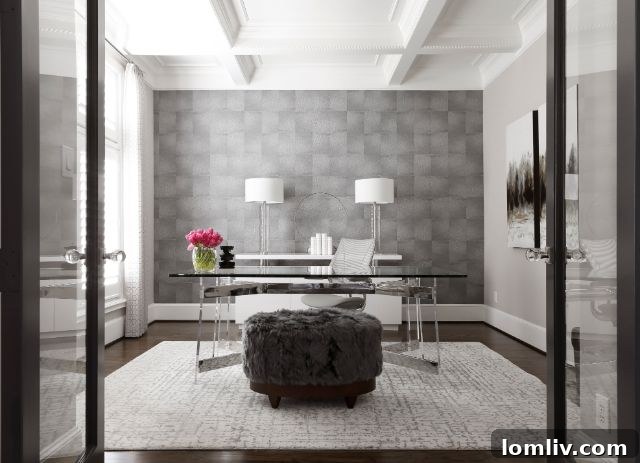
- Wall Placement with Art: If a window isn’t available or practical, placing the desk against a solid wall with a beautiful piece of art, a large mirror, or a mood-boosting photograph above it can create a similar sense of openness and inspiration, preventing the space from feeling enclosed.
Investing in an Ergonomic Desk Chair
Perhaps no other piece of furniture in your home office demands as much attention as your desk chair. You’ll likely spend hours parked in it, making a high-quality, ergonomic chair an invaluable investment for your long-term health, comfort, and sustained productivity. Skimping on your chair can lead to chronic back pain, neck strain, fatigue, and decreased focus, ultimately costing you more in the long run.
Look for chairs equipped with a comprehensive range of ergonomic features:
- Lumbar Support: Absolutely crucial for maintaining the natural inward curve of your lower spine. Many high-end chairs offer adjustable lumbar support (height and depth) to perfectly fit your back.
- Height Adjustment: Allows you to set the seat height so your feet are flat on the floor (or comfortably on a footrest) and your arms are parallel to your desk, with your elbows forming a 90-degree angle.
- Armrests: Adjustable armrests (height, width, pivot) can support your arms and shoulders, reducing tension in your neck and upper back.
- Swivel and Recline: These features provide essential flexibility for movement, allowing you to easily reach items and occasionally change your posture, which prevents stiffness and encourages micro-breaks.
- Seat Depth: Ensure the seat depth allows for a few inches (about two to four fingers’ width) between the back of your knees and the front edge of the seat, preventing pressure on your legs.
- Breathable Material: A mesh back or breathable fabric upholstery can prevent discomfort and sweating during long hours, contributing to overall comfort.
If your chosen chair has wheels, investing in a durable chair mat is highly recommended. This protective layer will safeguard your floors or carpet from wear and tear, scuffs, and indentations, which is especially important for hardwood, laminate, or delicate carpet fibers, preserving your home’s flooring.
Step 3: Mastering Storage and Organization for a Clutter-Free Workspace
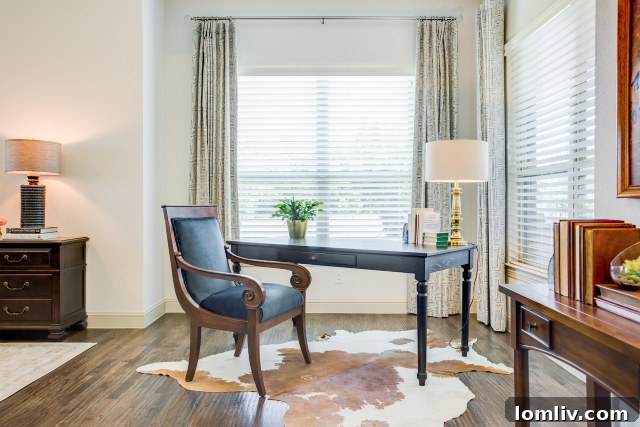
A clutter-free and well-organized environment is absolutely essential for a clear mind, enhanced focus, and reduced stress. Incorporating functional and attractive storage solutions is critical for a home office, preventing your workspace from becoming a source of distraction rather than productivity. The primary goal is to keep extraneous supplies, sensitive paperwork, and personal items neatly out of sight when not in use, creating a visually pleasing and professional atmosphere, especially if your office door remains open outside of work hours.
Smart Storage Solutions to Keep Clutter at Bay
Effective storage goes beyond simply having shelves; it’s about smart design that integrates seamlessly with your office’s aesthetic while providing maximum utility. Consider a variety of options to meet your diverse needs:
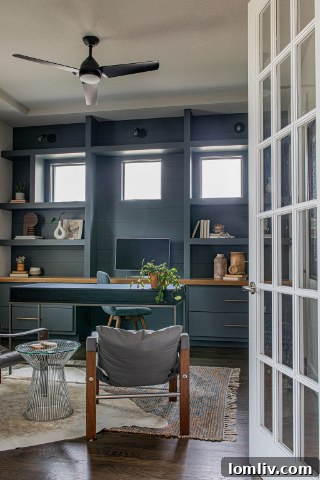
- Built-in Cabinetry and Shelving: If your budget and space allow, custom built-ins offer the most seamless and integrated storage solutions. They can be designed to fit your room perfectly, providing a mix of open shelving for decorative items, books, and quick-access files, and closed cabinets for less attractive essentials, confidential documents, or bulkier supplies.
- Sideboards and Media Consoles: These versatile pieces are not just for living rooms or dining areas. A stylish sideboard or media console can offer significant hidden storage for files, office supplies, small printers, or even personal items. When choosing one, remember our adage: “measure twice, buy once!” Ensure there’s enough clearance to fully open drawers and doors for easy, obstruction-free access.
- Filing Cabinets: Modern filing cabinets have come a long way from the drab metal boxes of old. They now come in various designs, materials, and finishes, and can be surprisingly chic. Opt for horizontal filing cabinets that can double as a credenza, offering additional surface space for decor or temporary work.
- Mobile Storage Carts: Perfect for small spaces or for items you need to move around your workspace, a rolling cart can hold frequently used items, project materials, or even a small printer, and then be tucked away under a desk or into a corner when not needed.
- Bins, Baskets, and Buckets: These are your best friends for organizing smaller items and can add a touch of style to your office. Choose coordinated sets made from materials like woven natural fibers (wicker, rattan), sleek metal, or fabric to elevate the aesthetic. They are particularly useful for containing clutter on open shelves, inside cabinets, or on your desk.
- Floating Shelves: For displaying aesthetically pleasing books, potted plants, framed photos, or small decorative elements without taking up any valuable floor space. They add visual interest and can make a room feel more spacious.
- Drawer Organizers and Dividers: Inside your desk drawers, use inserts to keep pens, paper clips, sticky notes, and other small items neatly separated and easy to find.
Always think vertically to maximize storage, utilizing wall space for shelves, mounted file holders, or pegboards. Labels are also key to maintaining an organized system, ensuring everything has its designated place and is easy to find, saving you precious time and frustration.
Step 4: Illuminating Your Productivity – The Role of Strategic Lighting
In an office setting, lighting transcends mere aesthetics; it’s a crucial component for fostering productivity, minimizing discomfort, and supporting your overall physiological and psychological well-being. Proper lighting helps combat sleepiness, significantly reduces eyestrain, and prevents the onset of debilitating fatigue during long working hours. A well-lit space can dramatically improve your focus and mood.
Layering Light for Optimal Performance and Comfort
The most effective home office lighting strategy involves layering different types of light to create a balanced and adaptable environment:
- Natural Light: Always the preferred source of illumination. Maximize natural light by positioning your desk near a window. Use sheer curtains, blinds, or adjustable shades to control glare without completely blocking daylight. Mirrors strategically placed opposite windows can also help reflect natural light deeper into the room, making it feel brighter and more expansive.
- Ambient (General) Lighting: This is your primary light source, providing overall illumination for the entire room. It ensures a baseline level of brightness.
- Overhead Lighting: Recessed lights, flush mount fixtures, or decorative pendants can serve this purpose effectively. Whenever possible, install overhead lighting on a dimmer switch. This allows you to adjust the intensity based on the time of day, your mood, and the specific task at hand, preventing harshness or insufficient light.
- Task Lighting: Directly illuminates your workspace, reducing shadows and eyestrain for specific, detail-oriented tasks like reading, writing, or working on a computer.
- Desk Lamps: A good quality desk lamp is indispensable. Look for one with an adjustable arm and head to direct light precisely where you need it. LED lamps are highly energy-efficient, long-lasting, and often offer various color temperatures and brightness settings.
- Under-Cabinet Lighting: If you have shelves or cabinets mounted above your desk, integrated under-cabinet lighting can provide excellent task illumination without taking up valuable desk space.
- Accent Lighting: Used to highlight specific features like artwork, shelving, or architectural details. While not directly functional for work, it adds depth, character, and visual interest to your office, contributing positively to the overall ambiance and making the space feel more inviting.
Pay close attention to the color temperature of your light bulbs, measured in Kelvins (K). Cooler temperatures (4000K-5000K, often labeled “cool white” or “daylight”) can promote alertness and concentration, making them ideal for focused work. Warmer temperatures (2700K-3000K, labeled “warm white” or “soft white”) create a more relaxed and cozy atmosphere. A mix can be achieved with dimmers and adjustable task lighting, allowing you to tailor the lighting to different moods and tasks throughout your day. Also, ensure your lighting minimizes glare on your computer screen, which can be a significant cause of eye strain.
Step 5: The Psychology of Color in Your Workspace
Color is a profoundly personal aspect of design, yet its impact on mood, energy levels, and productivity in a workspace cannot be overstated. What energizes one individual might overstimulate another, and what calms one person might induce drowsiness in someone else. The key is to understand how different hues affect you personally and choose accordingly, creating an environment that supports your unique working style and promotes optimal performance.
Understanding Color Psychology for Your Home Office
- Energizing and Stimulating Hues: Bright, bold colors like vibrant orange, stimulating red, or lively chartreuse can be incredibly energizing and creativity-boosting for some individuals. These colors can spark enthusiasm, encourage dynamism, and are often suitable for those in creative fields, roles requiring high energy bursts, or people who tend to feel sluggish.
- Calming and Focusing Tones: Conversely, soothing colors such as soft blues, serene spa greens, calming ivory, gentle grays, or muted lavenders can promote tranquility and deep focus. These palettes are excellent for roles requiring intense concentration, analytical thinking, or long periods of calm, undisturbed work, helping to reduce stress and foster a sense of peace and stability.
- Neutrality and Versatility: Whites, creams, and various shades of light gray offer a versatile and timeless backdrop that can be easily accessorized with pops of color through furniture, art, or plants. They create a clean, minimalist aesthetic that can minimize visual distractions and provide a sense of spaciousness and clarity, making the room feel larger and brighter.
- Creativity-Inspiring Colors: Yellows, particularly soft or muted shades, are often associated with optimism, happiness, and intellectual stimulation. Used in moderation, yellow accents can inspire creativity and promote a positive mindset without being overly distracting.
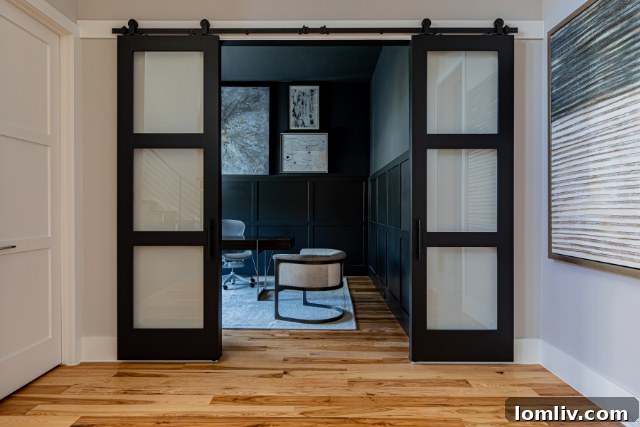
- Focus and Stability: Deeper greens and blues are often linked to concentration, balance, and stability. They can help reduce eye strain and promote a steady, focused mindset, making them excellent choices for environments where precision and sustained attention are required.
No matter your color selections, remember that your home office must ultimately work for you. Don’t be afraid to experiment and even “break” conventional design rules if it means creating a space where you feel most comfortable, inspired, and productive. Test out samples of paint on your walls, observe how the colors change with natural and artificial light throughout the day, and trust your instincts. Your personal preference is paramount in creating a truly effective workspace.
Step 6: Adding Personal Touches and Enhancing Aesthetics
Beyond the fundamental elements of a desk, chair, storage, and lighting, it’s the personal touches and thoughtful aesthetic enhancements that truly transform a functional workspace into an inspiring home office. These details contribute significantly to your comfort, motivation, and the overall appeal of the room, making it a place you genuinely enjoy inhabiting for hours on end.
Bringing Your Office to Life with Thoughtful Details
- Greenery and Plants: Incorporating houseplants not only adds a touch of natural beauty and vibrancy but also improves air quality and has been scientifically shown to boost mood, reduce stress, and increase productivity. Choose low-maintenance plants suitable for indoor environments, such as snake plants, ZZ plants, or Pothos.
- Art and Decor: Display artwork, photographs, or decorative objects that inspire you, evoke positive emotions, or simply bring you joy. These elements personalize the space, reflect your personality, and can provide a welcome mental break or a source of contemplation during intense work sessions.
- Rugs and Textiles: An area rug can effectively define the office zone, add warmth, absorb sound (reducing echo), and introduce texture and color to the room. Choose curtains or blinds that complement your chosen color scheme and provide adjustable light control and privacy. Cushions and throws can add an extra layer of comfort to a daybed or accent chair.
- Sound Management: If noise from other parts of the house or outside is an issue, consider integrating sound-absorbing elements. These can include acoustic panels (which can also be decorative), heavy drapes, or even a high-quality white noise machine to create a more serene and focused working environment.
- Technology Integration and Cable Management: Ensure you have robust and reliable Wi-Fi, sufficient power outlets (consider a surge protector power strip), and a well-managed cable system. Use cable ties, sleeves, or cable management boxes to keep cords neatly tucked away and out of sight, preventing visual clutter and trip hazards.
- Comfort Elements: A soft throw blanket draped over a daybed, a comfortable cushion on your ergonomic chair, or even a small diffuser with essential oils (like peppermint for focus or lavender for calm) can enhance the sensory experience of your workspace, making it feel more like a sanctuary.
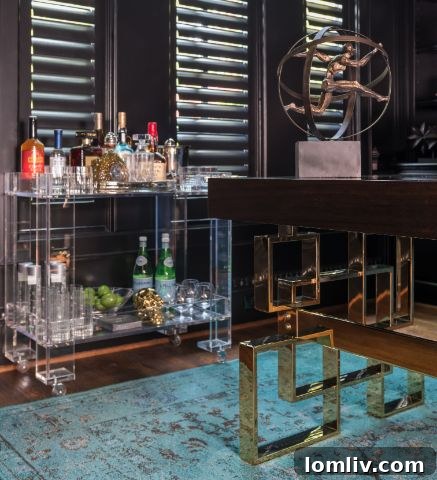
- The “Bar Cart” Essential (or similar comfort station): As humorously but insightfully highlighted by Candysdirt.com, a dedicated “bar cart” – or more broadly, a personal refreshment station – can be a delightful and practical addition. Whether it’s stocked with gourmet coffee and tea supplies, healthy snacks, a water dispenser, or even just sparkling water and elegant glassware, having a convenient refreshment hub means fewer trips away from your focus zone. This small luxury makes your workday smoother, more enjoyable, and encourages consistent hydration and short, rejuvenating breaks. It’s about bringing small conveniences and moments of comfort into your professional space, elevating the daily grind.
By thoughtfully curating these elements, your home office will evolve beyond just a functional area. It will become a true reflection of your professional aspirations and personal style, a place where you genuinely enjoy spending your working hours, fostering both creativity and efficiency.
Conclusion: Your Journey to a Productive and Inspiring Home Office
Creating an ideal home office is a significant and valuable investment – an investment in your career, your personal well-being, and your sustained productivity. By carefully considering each step – from selecting the optimal space and embracing ergonomic and highly functional furniture, to implementing smart, attractive storage solutions, optimizing multi-layered lighting, and choosing colors that resonate deeply with you – you can transform any corner of your home into a powerhouse of efficiency, comfort, and inspiration.
Remember, this is ultimately your personal workspace, designed specifically to support your unique needs, preferences, and workflow. Don’t be afraid to experiment with different arrangements, accessories, and color palettes. The process of refining your home office is an ongoing journey; adjust and adapt until you find the perfect setup that empowers you to do your best work, minimize distractions, and maximize your potential every single day. A well-designed home office is not just about aesthetics; it’s about creating an environment where you can thrive.
If you find yourself needing expert guidance to craft the perfect home office space tailored to your specific needs, existing home aesthetic, and professional requirements, don’t hesitate to reach out to ML Interiors Group. We specialize in creating innovative, functional, and stylish interior design solutions for spaces of all sizes, ensuring your home office truly works for you, enhancing both your productivity and your peace of mind.

Michelle Lynne embarked on her distinguished journey in interior design after dedicating over a decade to the demanding world of Corporate America. Her unique blend of corporate discipline and creative vision has enabled her to build ML Interiors Group into a highly successful and reputable design firm. The firm now proudly boasts a team of exceptionally talented designers and offers a comprehensive suite of services, including full-service residential design, specialized multi-family projects, and innovative virtual design solutions. Michelle’s practical experience in the corporate world deeply informs her understanding of the critical importance of functional, inspiring, and productivity-enhancing workspaces, making her an authoritative voice and trusted expert in the field of home office design.