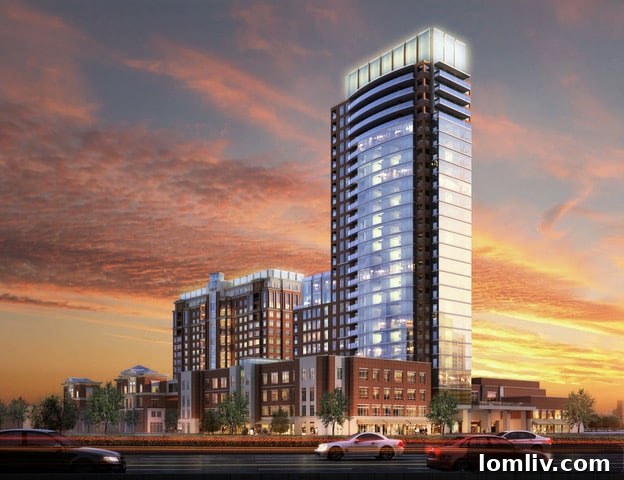
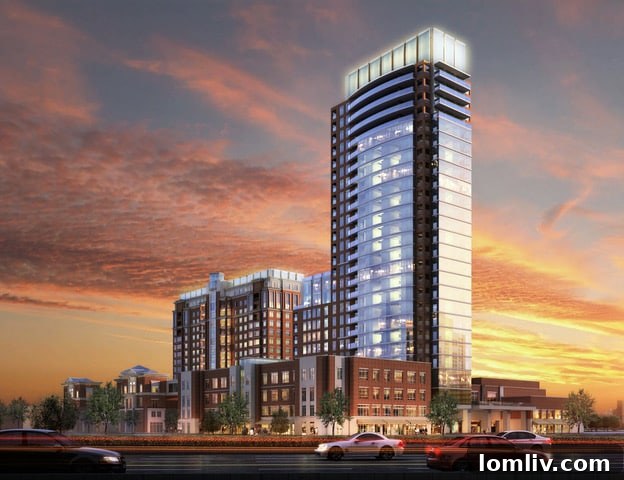
Pioneering the Future of Active Adult Living: Addressing the Unique Demands of the 55-Plus Generation
The landscape of senior living is undergoing a profound transformation, with active adult communities emerging as one of the most dynamic and rapidly expanding sectors. Designed for individuals aged 55 and older who desire an independent, vibrant, and engaging lifestyle, these communities represent a significant departure from traditional retirement models. However, this burgeoning growth also brings with it a unique set of challenges for developers, architects, and planners. From identifying the ideal sites to crafting architectural solutions that resonate deeply with this discerning demographic, every aspect requires careful consideration and innovative thinking.
Understanding the 55-plus cohort is paramount, as they present a fascinating array of needs and aspirations that can sometimes appear contradictory, according to architect Rocky Berg. As a principal at the Dallas-based firm three, a practice renowned for its specialization in senior living developments, Berg possesses a deep insight into this evolving market. He notes that today’s active adults are not merely seeking a place to live; they are looking for a lifestyle that supports their continued engagement, well-being, and personal growth.

These complexities and the innovative strategies required to navigate them will be a central theme at the upcoming InterFace Active Adult symposium in Dallas. Slated for August 4th, this event is billed as the “A to Z on the hottest trend in seniors housing,” marking the first in-person gathering dedicated exclusively to the active adult niche. Industry leaders, including Berg, will convene to share their expertise, discuss emerging trends, and explore the future trajectory of this critical housing sector. The symposium aims to equip attendees with comprehensive knowledge, ranging from site selection and financial modeling to design innovations and operational excellence, ensuring a holistic understanding of this specialized market.
Defining the Modern Active Adult: Lifestyles and Living Spaces
What truly defines the future of 55-plus communities, and how do designers cater to their multifaceted desires? Rockland Berg, AIA, NCARB, ASHA, a frequently cited expert on the topic, articulates the core paradoxes of this demographic. “These residents are physically active and relish time outdoors even as they’re giving up yard chores and seeking purposeful lifestyles,” Berg explains. This highlights a key driver for many: the desire to shed the burdens of home maintenance while embracing opportunities for physical activity, social connection, and meaningful pursuits. They are not retreating from life; they are optimizing it for greater enjoyment and less drudgery.
Moreover, while many active adults are downsizing, they are far from sacrificing comfort or style. Berg points out, “They are paring down their living spaces yet are drawn to apartments with open floor plans, spa baths, accessible storage and connections to the outdoors.” This indicates a clear preference for quality over quantity, with an emphasis on well-designed, functional, and aesthetically pleasing environments. Open floor plans facilitate social interaction and a sense of spaciousness, even in smaller footprints. Spa-like bathrooms offer a touch of luxury and self-care, while accessible storage addresses practical needs without cluttering living areas. Crucially, a strong connection to the outdoors, whether through private balconies, patios, or communal green spaces, remains a top priority, underscoring their active and nature-appreciative inclinations.
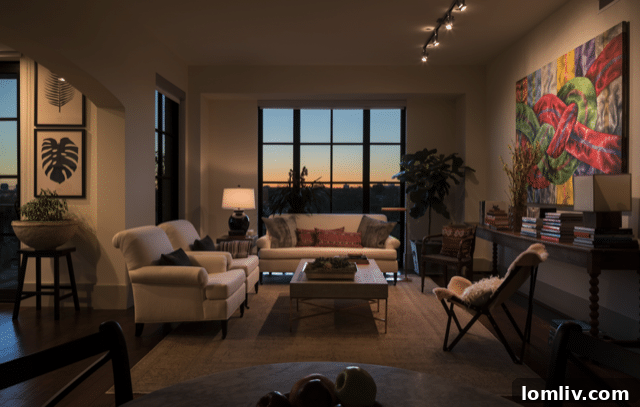
Beyond the individual living unit, the community itself plays an indispensable role. Balancing the desire for a smaller personal footprint, these residents are profoundly attracted to communities that offer a diverse array of social venues on-site. These might include fitness centers, swimming pools, clubhouses, crafting studios, game rooms, and communal dining areas – spaces designed to foster camaraderie, hobbies, and spontaneous social interaction. Furthermore, the ideal active adult community is not an isolated enclave but rather seamlessly nested within a larger community context. This means easy access to convenient and robust shopping, a variety of dining options, vibrant entertainment venues, and rich cultural diversions. The goal is to provide a comprehensive lifestyle ecosystem where residents can enjoy both the peace and privacy of their homes and the excitement and convenience of urban or suburban amenities.
Economic Realities and Future-Proofing: Designing for Longevity and Adaptability
While the active adult housing sector is witnessing a significant surge, particularly in rental offerings, decisions to move into these developments are often seen as long-term commitments. Berg highlights that “affordability and diminishing incomes are primary influences” in this market. This underscores the need for developers and operators to create value-driven options that cater to a wide range of financial capabilities, ensuring that these desirable lifestyles remain accessible to a broader segment of the 55-plus population. Strategies might include diverse pricing tiers, efficient construction methods, and comprehensive amenity packages that offer significant value for the cost.
Another fundamental planning consideration revolves around facilitating the possibility of aging-in-place. This concept, increasingly vital in senior living design, means creating environments that can adapt to residents’ changing needs over time, allowing them to remain in their homes as they age. Key elements include universal design principles, which involve designing spaces and products to be usable by all people, to the greatest extent possible, without the need for adaptation or specialized design. Examples include wider doorways, no-step entries, lever handles, easy-to-reach controls, and walk-in showers. Furthermore, the concept of “lean buildings” is gaining traction – structures conceived to transition gracefully with residents as their service requirements evolve. This might involve modular construction, flexible interior layouts, or infrastructure ready to integrate future smart home technologies and care services.
As Boomer populations come to dominate active-aging residential communities, their lifestyle choices will demand tailored, yet diverse hospitality and care services.
Berg emphasizes the dynamic and challenging nature of this puzzle: “Anticipating the requirements of a changing landscape of third-party service providers and associated technologies makes this a dynamic and challenging puzzle to solve.” This involves designing buildings with robust technological infrastructure to support telehealth, smart home systems, and evolving personal assistance devices. It also means fostering partnerships with external service providers for everything from meal delivery and transportation to personal care and wellness programs. At three, Berg states, “we love working with clients who are value progressive solutions for the active aging.” This proactive approach ensures that communities remain relevant and responsive to the evolving needs of their residents, safeguarding their long-term viability and appeal.
While broad architectural elements such as main-level living, island kitchens, and large windows hold wide appeal for their convenience, functionality, and aesthetic benefits, designers must also contend with a highly diverse demographic. The 55-plus group is known for being sophisticated and, at times, finicky, especially when it comes to finishes and detailing. They often have clear preferences honed over a lifetime of homeownership and travel. This demands a high level of customization, quality materials, and meticulous attention to detail in everything from cabinetry and countertops to flooring and lighting fixtures. Generic design solutions are unlikely to capture the imagination or loyalty of this discerning market; instead, personalized touches and a sense of bespoke quality are key differentiators.
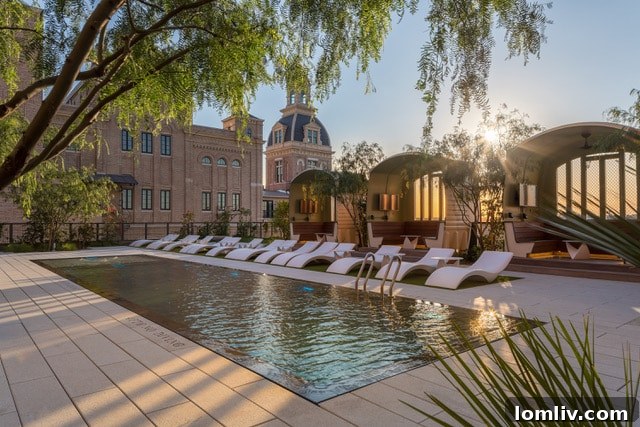
Rounding out the essential home qualities sought by the 55-and-over set are security and safety, robust wellness provisions, and support for hobbies or broader life goals. Residents desire peace of mind, knowing their community is secure and their living spaces are designed to prevent accidents. Wellness extends beyond just a fitness center; it encompasses access to healthy eating options, mental well-being programs, and opportunities for lifelong learning. Furthermore, spaces that can accommodate hobbies—whether it’s an art studio, a woodworking shop, a community garden, or quiet reading nooks—are highly valued. For many midlife renters and buyers, easy-to-maintain and highly adaptable layouts are also essential. These versatile spaces need to comfortably accommodate stays by returning adult children, visiting grandchildren, older relatives who may need temporary care, or professional caretakers. This flexibility ensures that the home remains functional and welcoming through various life stages and family dynamics.
InterFace Active Adult: The Premier Gathering for Senior Housing Innovators
The burgeoning active adult/55+ segment is attracting significant attention from across the real estate spectrum. The one-and-a-half-day InterFace Active Adult conference, commencing on August 4th, brings together the leading players dedicated to this space. This includes influential seniors housing owners, forward-thinking operators, astute investors, and innovative developers who are actively shaping the future of this niche. It serves as a vital platform for these stakeholders to exchange ideas, forge partnerships, and collaboratively address the industry’s most pressing challenges and opportunities.
Notably, the event also attracts leading players from the conventional multifamily and student housing industries, who are increasingly recognizing the immense potential and unique demands of the active adult market. Their interest signifies a broader industry shift, where lessons learned from other housing sectors can be applied and adapted to cater to the specific preferences of the 55-plus demographic. This cross-pollination of ideas and expertise promises to accelerate innovation and foster more sophisticated development models within the active adult sector.
The symposium is meticulously designed to offer a blend of high-level education and critical market information, providing attendees with actionable insights into financial trends, demographic shifts, regulatory changes, and successful development strategies. Beyond the informative sessions, ample opportunities for networking are integrated throughout the agenda. These interactions are invaluable for building relationships, discovering new investment prospects, and collaborating on future projects. For those committed to understanding and excelling in the dynamic world of active adult communities, this conference is an indispensable resource. To register or find out more about the InterFace Active Adult conference and its comprehensive program, click through here. Join industry leaders in shaping the next chapter of sophisticated senior living.