There’s a unique and profound satisfaction that comes from cultivating a yard that not only captivates the eye but truly harmonizes with its surroundings. Imagine a landscape where every plant, every tree, and every shrub feels perfectly at home, seamlessly integrated with the climate, the challenging clay soil, and the dynamic rhythm of North Texas. This vision is not only attainable but increasingly essential, and its foundation lies in embracing native plant species – flora that evolved over millennia to thrive in this specific environment, long before modern irrigation systems and manicured lawn services became commonplace. Choosing natives means opting for resilience, remarkable low-maintenance beauty, and an authentic connection to the local ecosystem, infusing your property with a vitality that conventional, ‘cookie-cutter’ landscaping simply cannot replicate.
Why Native Plants Belong in Dallas Yards: Cultivating Resilience and Beauty
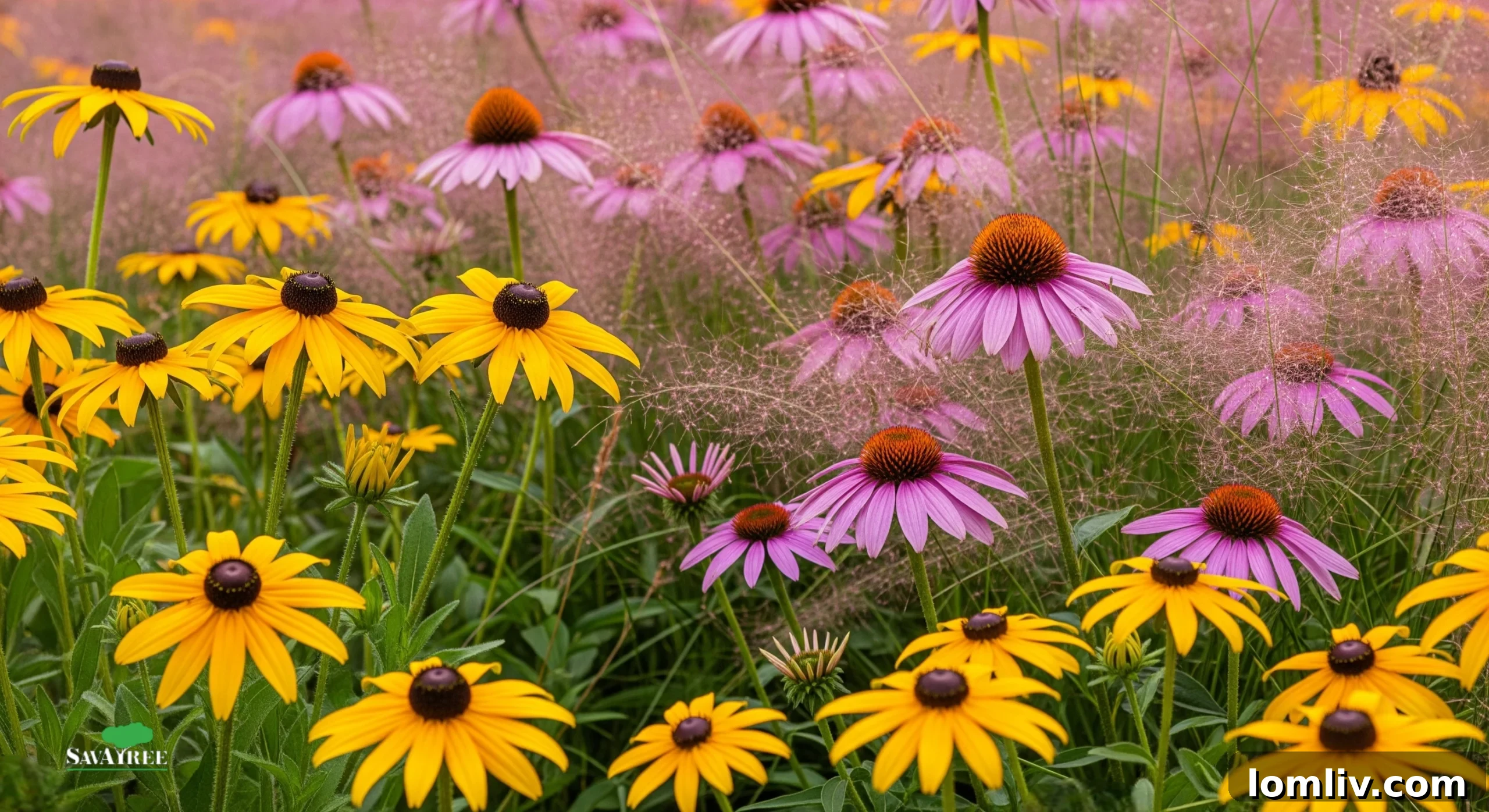
When you make the conscious decision to integrate native plants into your Dallas landscape, you’re doing far more than simply arranging greenery for aesthetic appeal. You are actively participating in the creation of a vibrant micro-ecosystem, a living tapestry that provides crucial support for local pollinators, naturally balances soil moisture, and effortlessly withstands the often-extreme Texas heat without complaint or excessive intervention. Species like the cheerful black-eyed Susan, the stately purple coneflower, and the elegant Gulf muhly grass are prime examples of flora perfectly adapted to the prevalent clay-heavy soils found across most Dallas properties. Unlike exotic or non-native varieties, these plants don’t demand constant watering, specialized fertilizers, or a continuous battle against pests. They inherently understand how to thrive here, making them one of the smartest outdoor upgrades a Dallas homeowner can invest in. Over the years, this strategic choice translates into significant savings in time, money, and thousands of gallons of precious water.
Beyond their practical benefits, native plants offer an unparalleled sense of authenticity. There is an undeniable beauty in allowing your yard to authentically reflect the unique spirit and natural heritage of where you live. Dallas boasts its own distinctive palette of greens, golden hues, and seasonal blooms, and native plantings bring these colors forth with an effortless grace. A garden thoughtfully filled with regional plants exudes a settled, timeless charm, radiating a profound sense of belonging and truly feeling at home within its environment. Furthermore, by attracting local wildlife such as butterflies and hummingbirds, native plants transform your yard into a dynamic, living space that changes and evolves with the seasons, offering continuous interest and a deeper connection to nature right outside your door.
Trees That Actually Thrive in Dallas: The Backbone of a Resilient Landscape
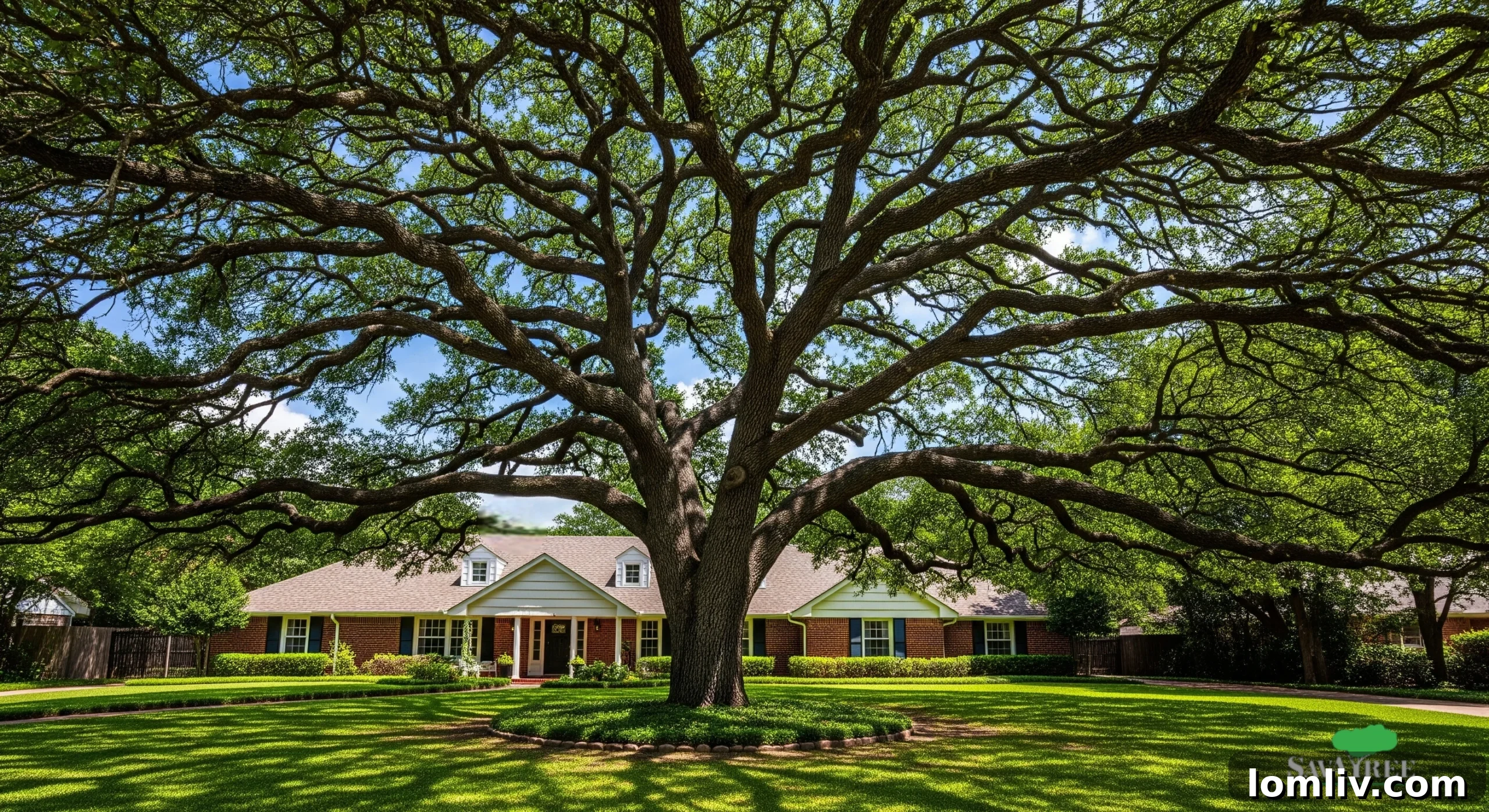
Trees are unequivocally the foundational elements of any thriving yard, providing structure, shade, and long-term value. However, not every species possesses the fortitude to navigate the often-temperamental Texas climate. Native trees, such as the iconic live oak, the sturdy cedar elm, and the majestic bur oak, stand as rock-solid choices for providing enduring shade and remarkable stability. Their deeply established root systems, literally and figuratively, allow them to gracefully endure the unpredictable swings between scorching heat, prolonged droughts, and sudden, torrential downpours that characterize Dallas weather. Beyond these titans, consider the lovely redbuds and Mexican plums, which burst forth with spectacular color in early spring, offering a visual feast and vital early nectar for pollinators. The Texas mountain laurel adds its signature clusters of fragrant purple blooms and sweet scent, often stopping passersby to admire its unique beauty. Other excellent native options include the Lacey Oak, known for its elegant blue-green foliage, and the drought-tolerant Chinkapin Oak.
The benefits of a well-chosen and strategically placed native tree extend far beyond mere aesthetics. A mature native tree can significantly cool your home naturally, leading to noticeable reductions in energy bills during the sweltering summer months. Moreover, these trees enhance property value substantially without demanding intensive upkeep. Because these species evolved specifically to survive and flourish in this region, they don’t experience distress when summer temperatures soar into triple digits. They are intrinsically programmed to handle the local conditions. With native trees, your yard evolves into a self-sustaining landscape that appears more effortless and magnificent with each passing year, rather than an ongoing battle against nature to maintain an artificial ideal. They represent a wise, long-term investment in the beauty, comfort, and sustainability of your property.
Partnering with a Local Arborist in Dallas: Expert Care for Native Trees
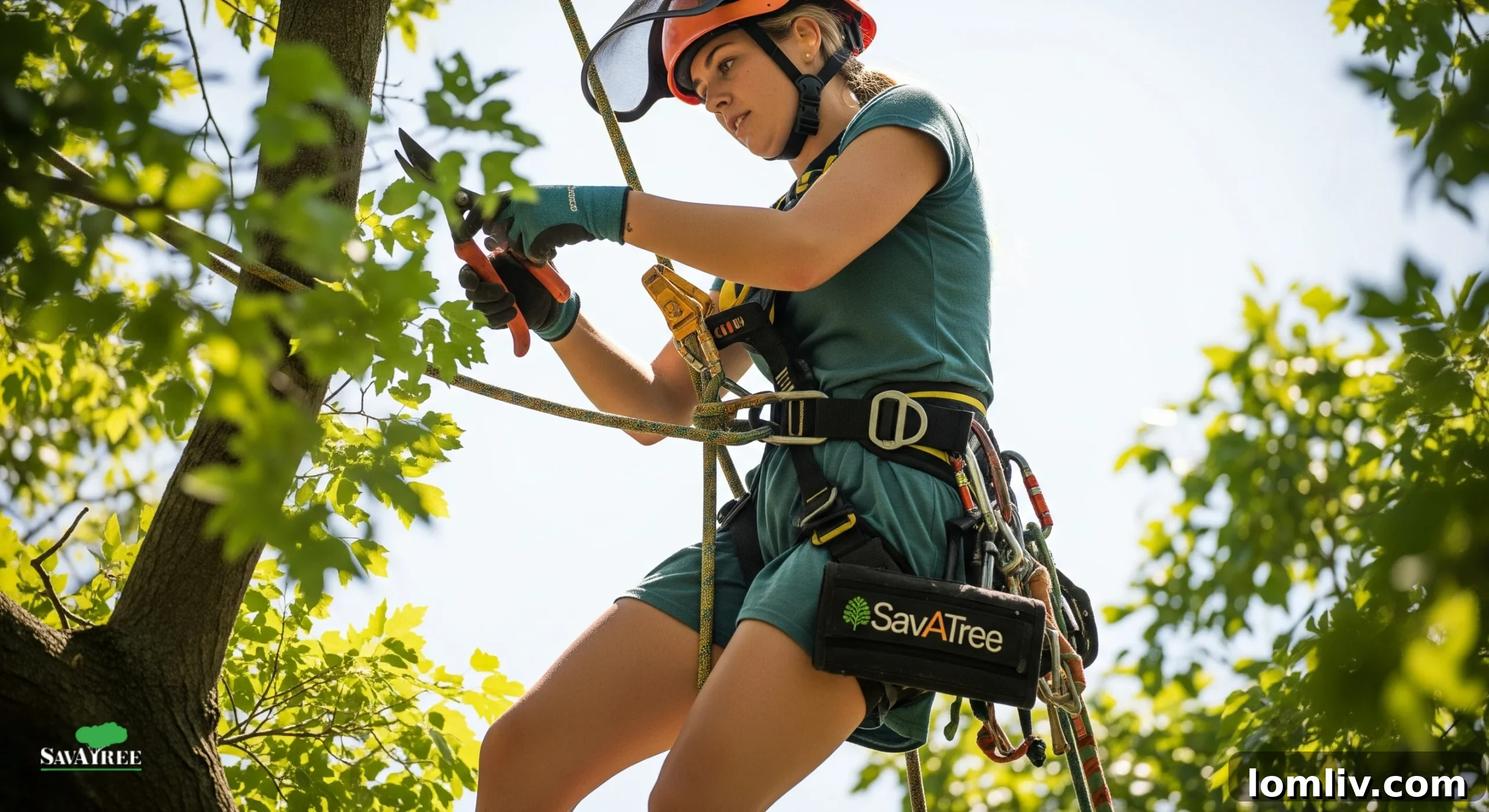
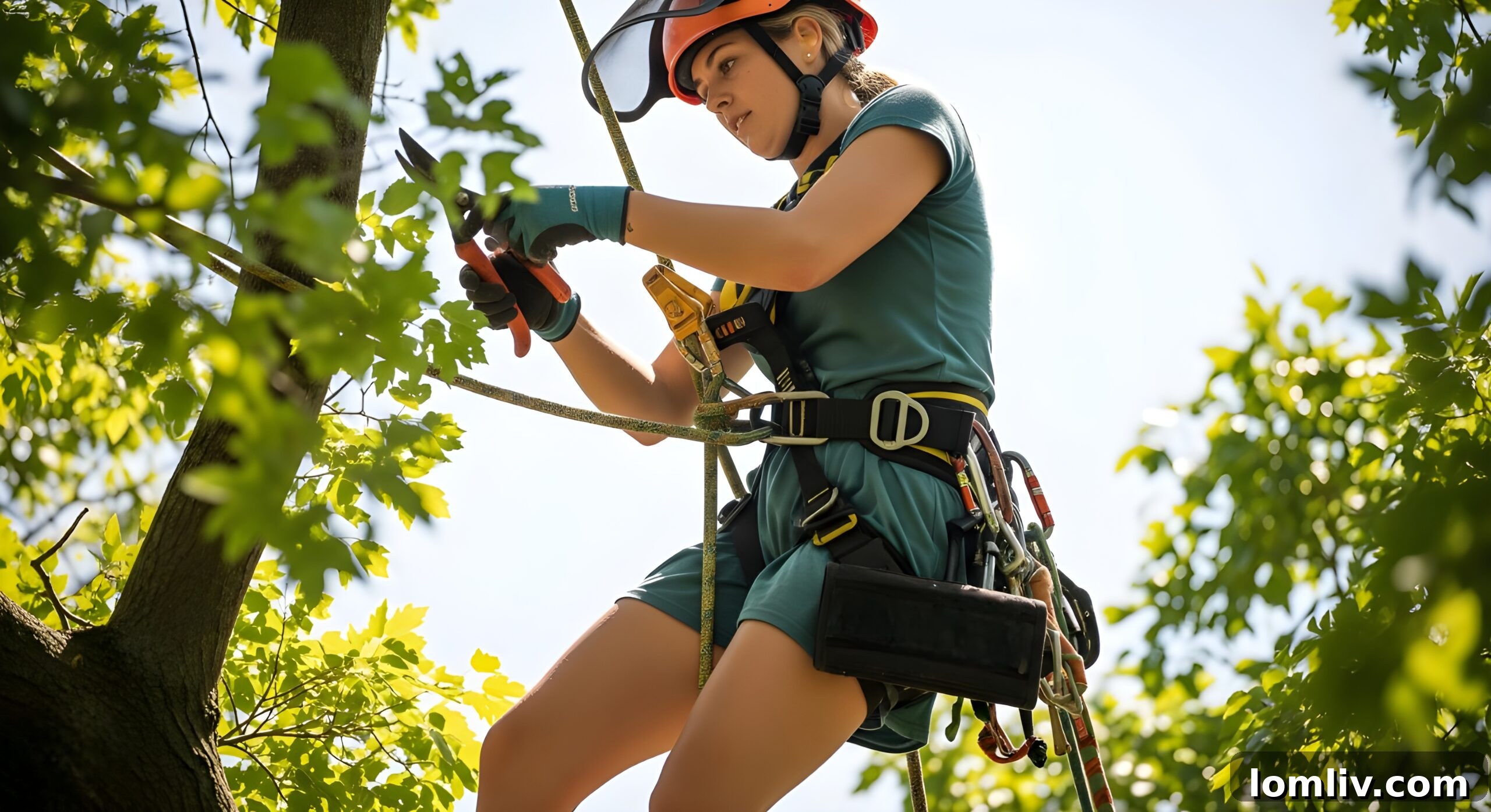
Even the most inherently self-reliant and resilient native landscape occasionally requires the discerning eye and skilled hand of an expert. This is precisely where engaging a reputable arborist in Dallas proves to be an invaluable investment. Arborists who possess deep familiarity with native tree species understand the intricate nuances of local ecosystems. They know precisely how to prune for optimal health and structural integrity, shape trees to enhance their natural form, and effectively monitor for local pests and diseases without resorting to aggressive, unnecessary treatments or inflicting stress upon the tree. Their expertise is crucial, particularly in helping newly planted trees establish robust root systems – a critical factor in a city where compacted soil and unpredictable rainfall patterns can present significant challenges even for the hardiest native species.
An arborist steeped in local conditions can offer invaluable guidance on crucial aspects such as proper tree spacing, effective canopy management for light and air circulation, and comprehensive long-term health strategies. This level of personalized, localized expertise simply cannot be replicated by a generic online tutorial or a quick YouTube video. It marks the fundamental difference between nurturing a yard that merely looks “decent” for a few fleeting years and cultivating a magnificent landscape that matures into a genuine landscape masterpiece, a source of pride and natural beauty for decades to come. Their professional insight ensures your native trees not only survive but truly flourish, contributing maximally to your home’s aesthetic appeal, energy efficiency, and environmental well-being.
Creating a Low-Maintenance Landscape in Dallas: Enjoying Your Outdoor Space
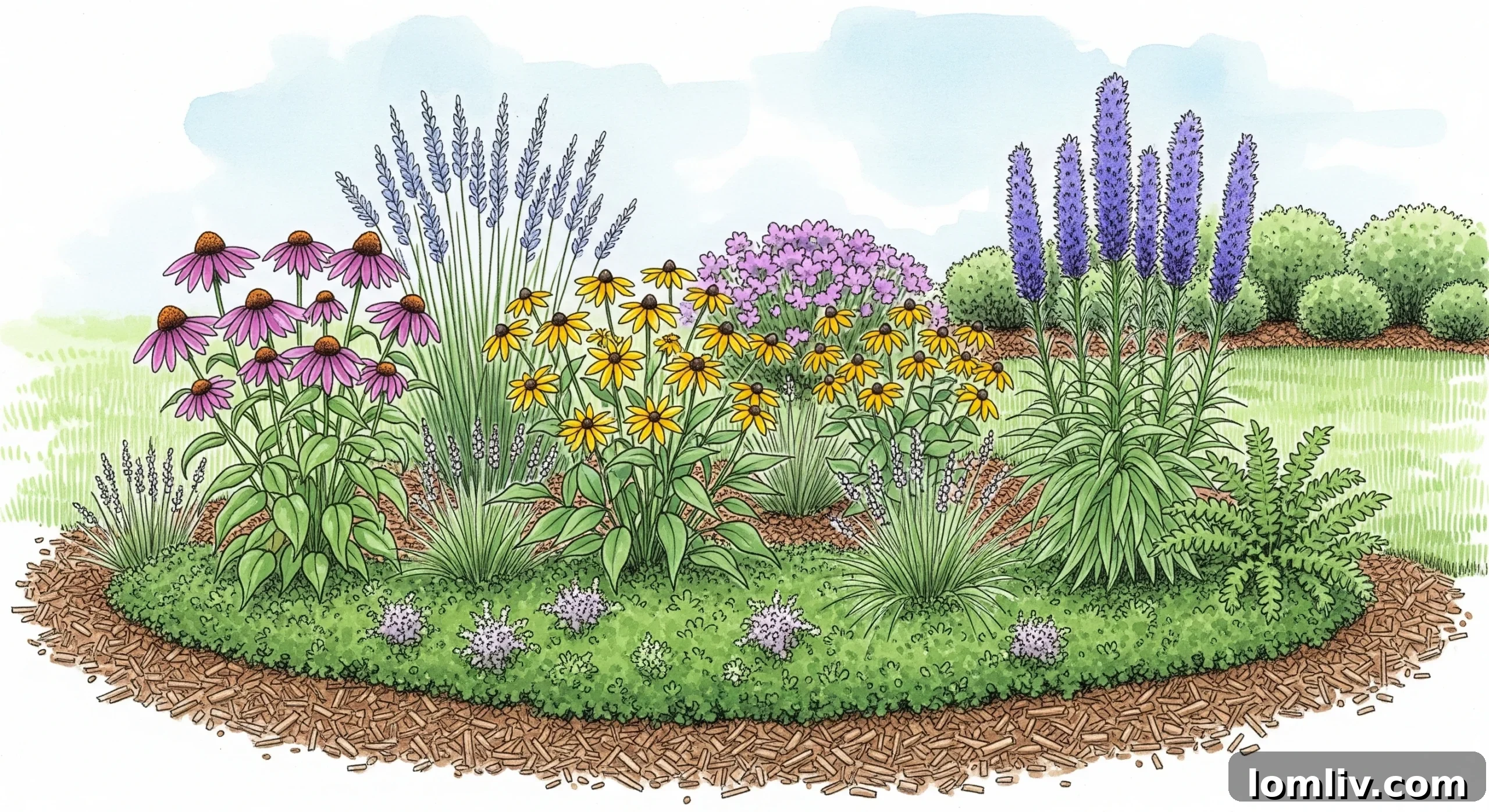
One of the most compelling advantages of a yard thoughtfully designed with native plants and trees is its incredible capacity to practically run itself once firmly established. These indigenous species do not demand the relentless watering cycles, the constant application of chemical fertilizers, or the aggressive pest treatments that non-native, imported plants often require. They have inherently adapted over centuries to navigate the characteristic dry spells, the torrential downpours, and the often-suffocating humidity that define the Dallas area’s climate. This inherent resilience means your precious weekends are transformed: less time is spent dragging heavy hoses or battling weeds, and more time is dedicated to genuinely enjoying the serene and vibrant outdoor space you’ve meticulously cultivated.
Implementing a comprehensive mulching strategy around native garden beds is a simple yet profoundly effective practice. Mulch not only helps to conserve precious soil moisture, significantly reducing the need for irrigation, but it also acts as a natural barrier to prevent persistent weeds and helps to regulate fluctuating soil temperatures, keeping roots cooler in summer and warmer in winter. Supplementing the soil with local compost can provide any necessary nutrients, further boosting plant health naturally. Over time, a native landscape begins to find its own ecological balance; native ground covers naturally fill in, the return of local birds and beneficial insects enriches the biodiversity, and your entire yard transitions from feeling like an endless chore list to a vibrant, self-sustaining ecosystem. There is a deep, quiet satisfaction in cultivating a yard that eschews shortcuts and instead thrives in harmony with its natural environment. When you thoughtfully utilize plants that are truly meant to belong here, every element simply works better, more efficiently, and more beautifully. You’re not engaged in a constant struggle against nature; you are intelligently collaborating with it, creating a landscape that offers enduring beauty and minimal fuss.
The Neighborhood-Wide Benefits of Native Landscaping in Dallas
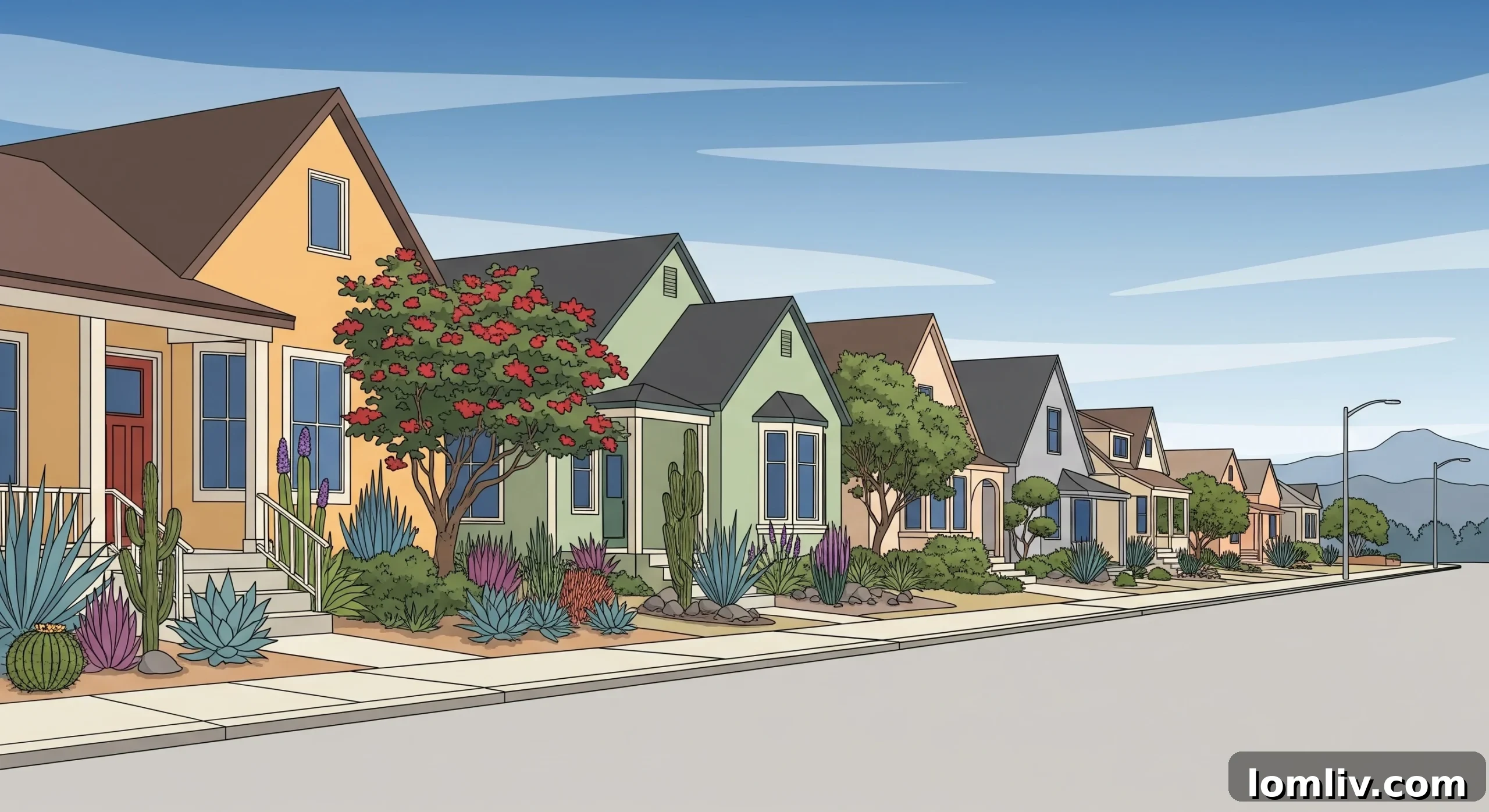
The ripple effects of embracing native plantings extend far beyond the boundaries of a single property, creating significant community-wide advantages. Native root systems are exceptionally effective at stabilizing soil, drastically reducing erosion, and mitigating stormwater runoff that can often overwhelm city drainage systems during heavy rains. When multiple homes within a Dallas neighborhood collectively adopt native landscaping practices, the entire area becomes noticeably more resilient to the challenges of intense heat waves and prolonged dry spells. Crucially, pollinators such as essential bees, enchanting butterflies, and busy hummingbirds thrive when they can move freely from yard to yard, finding a continuous network of native, nectar-rich flowering plants rather than encountering ecological barriers of invasive or non-flowering species.
Furthermore, from an aesthetic standpoint, a neighborhood enriched with healthy, mature native oaks, vibrant native grasses, and seasonal wildflowers simply possesses a deeper, more grounded sense of place. It develops a unique character that distinctly sets it apart from newer developments where every lot might appear identical. This authentic, natural charm is something discerning homebuyers readily notice and appreciate. This means that incorporating native plantings can substantially boost curb appeal and overall property value without simultaneously inflating long-term maintenance costs for homeowners. It fosters a collective sense of environmental stewardship and contributes to a more sustainable, visually appealing, and ecologically robust Dallas community for everyone.
Bringing It All Together: The Enduring Value of Dallas Native Landscaping
Native landscaping is far more than a passing trend; it represents a thoughtful and intelligent return to common sense in outdoor design. It’s about designing a yard that intrinsically suits its natural surroundings, rather than attempting to force an unnatural aesthetic that constantly works against the environment. By thoughtfully selecting a diverse mix of well-chosen native plants, incorporating several resilient native trees, and seeking expert guidance from knowledgeable local professionals like arborists, a Dallas yard can achieve an optimal balance of stunning beauty and unwavering sustainability. The most gratifying aspect of this approach is the incredible sense of natural harmony and effortlessness it exudes once established, feeling truly integrated into the landscape.
Ultimately, the most beautiful yards are not necessarily those that strive for a rigid, artificial perfection. Instead, they are the spaces that perfectly complement their environment, settling in with the comfort and familiarity of a beloved, well-worn pair of boots. Native plants and trees inherently bring this profound sense of belonging and authenticity to your Dallas property. They contribute to a yard that is not only sturdier and more vibrant but also significantly easier to live with and enjoy, year after year, through every season. Sometimes, the wisest and most impactful landscaping decision isn’t about adding more elements or chasing fleeting trends; it’s about making the deliberate and informed choice to cultivate what was naturally meant to flourish there all along, creating an enduring legacy of natural beauty and ecological integrity.