For those who cherish the rich tapestry of our urban landscape and the stories embedded within historic homes and buildings, the annual call for nominations for the Historic Preservation Awards offers a vital opportunity to celebrate architectural legacy. Each year, communities rally to recognize outstanding efforts in safeguarding and revitalizing structures that define our collective past and shape our future. If you share this passion, note that the nomination period is a crucial time to spotlight projects that exemplify the best in historic preservation, ensuring these awards continue to honor the tireless work dedicated to our city’s architectural heritage.
The Preservation Achievement Awards seek to acknowledge diverse projects that contribute significantly to preserving our built environment. Nominations are typically accepted across several key categories, reflecting the multifaceted nature of preservation work:
- Rehabilitation or Adaptive Use of a Residential Historic Building: This category celebrates homeowners and developers who breathe new life into historic residences, carefully restoring their original charm while often adapting them for contemporary living. Such projects not only preserve individual homes but also contribute to the character and appeal of entire historic neighborhoods.
- Rehabilitation or Adaptive Use of a Commercial, Institutional, or Mixed-Use Building: This segment recognizes the transformation of larger historic structures – from former factories and offices to community landmarks – into vibrant commercial spaces, public institutions, or innovative mixed-use developments. These projects often catalyze urban revitalization, bringing economic benefits and renewed vitality to downtowns and commercial districts.
- Rehabilitation of a Historic Landscape, Park, or other Historic Resource: Beyond individual buildings, this category honors efforts to restore and maintain significant outdoor spaces, parks, and other historical resources that tell an important part of our city’s story. It acknowledges the importance of open spaces and their role in the historical narrative.
- New Construction/Infill in a Historic Neighborhood: This forward-thinking category embraces projects that, while new, respect and enhance the existing historic fabric of a neighborhood. This can include sensitive additions directly attached to existing historic buildings or entirely new infill constructions that seamlessly blend into the historic streetscape, demonstrating how modern design can complement and enrich a historic urban environment without detracting from its original appeal.
The Heart of Dallas’ Heritage: Understanding the Preservation Achievement Awards
To truly grasp the significance of these accolades, we turned to David Preziosi, the esteemed Executive Director of Preservation Dallas. His insights underscore the profound impact these awards have had on shaping and safeguarding Dallas’ unique character. “Since Preservation Dallas started the Preservation Achievement Awards in 2000, there have been nearly 400 awards given to outstanding preservation projects and people advancing historic preservation efforts in Dallas,” Preziosi notes. This impressive number reflects two decades of unwavering commitment to heritage conservation, celebrating not just buildings, but also the visionaries, craftsmen, and community members who make these transformations possible.
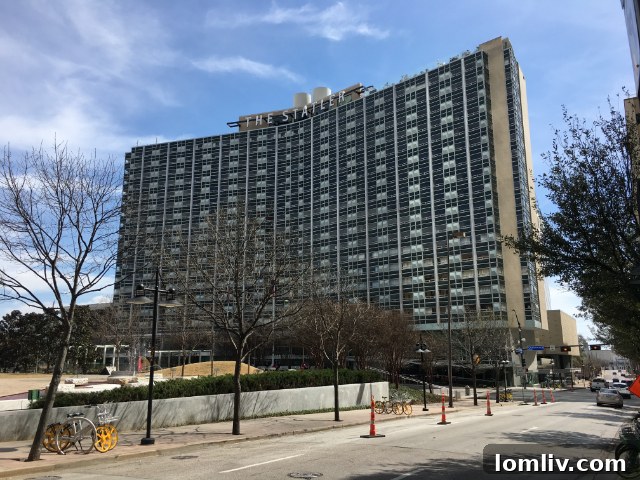
Preziosi elaborates on the remarkable diversity and scale of projects recognized over the years. “Over the years, there have been some really impressive projects with everything from small residential ones to large commercial ones, like The Statler.” He emphasizes a core tenet of preservation: the incredible potential for revival. “Many projects have shown that neglected, abandoned, and deteriorating historic buildings can come back to life and be incredible places to live, work, and play.” This philosophy is at the core of adaptive reuse, proving that investing in our past can yield vibrant futures, contributing to sustainable urban development and economic growth. These efforts ensure that Dallas’ distinctive historic character is not lost to time but saved for future generations, allowing us to trace the city’s evolution through its enduring architecture.
Iconic Revivals: Flagship Preservation Success Stories
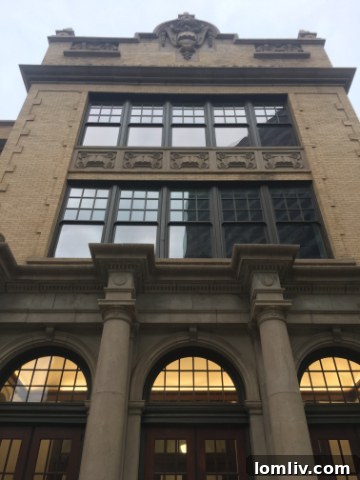
Among the multitude of award-winning projects, some stand out as monumental triumphs over the threat of demolition, serving as shining examples of what dedicated preservation efforts can achieve. “Two of the most notable preservation success stories Preservation Dallas has given awards to include The Statler and Old Dallas High School,” Preziosi highlights. Both structures faced a grim fate, sitting vacant and teetering on the brink of demolition for over a decade. The thought of losing these “essential pieces of Dallas history” is a stark reminder of the constant vigilance required to protect our heritage.
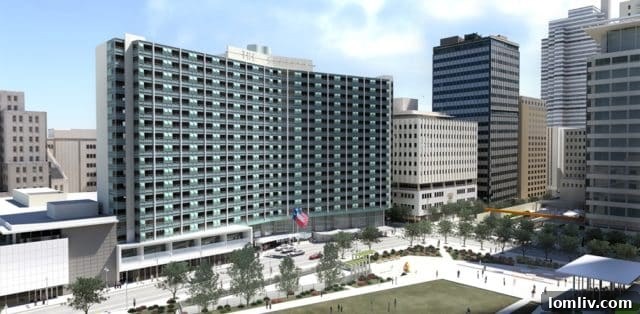
The transformation of The Statler is particularly compelling. Once a grand symbol of mid-century modern luxury, it fell into disrepair. Thankfully, Centurion American stepped in, undertaking a monumental rehabilitation project that successfully converted the building into a dynamic mixed-use complex. Today, The Statler thrives as a vibrant hotel, apartment complex, and a hub for restaurants and retail, serving as a testament to the economic viability and cultural resonance of adaptive reuse. Its resurgence injects new energy into downtown Dallas, demonstrating that historic preservation can be a powerful engine for urban renewal.
Equally inspiring is the story of the Old Dallas High School. This majestic structure, steeped in educational history, also faced an uncertain future after years of abandonment. Matthews Southwest courageously took on its conversion, meticulously transforming it into a highly unique and sought-after office space. This project not only saved a significant architectural gem but also created innovative workspaces that honor the building’s legacy while meeting modern demands, showcasing how historic structures can offer distinctive environments that modern new builds often cannot replicate.
The Backbone of Preservation: Honoring Residential and Community Projects
While large-scale commercial preservation projects like The Statler and the Old Dallas High School often capture headlines, Preziosi emphasizes that “it is really the smaller residential projects that are the bulk of the award winners.” These projects are often driven by profound personal dedication and a deep “love for their historic homes.” Homeowners pour their energy, resources, and passion into rehabilitating these properties, meticulously restoring architectural details, updating interiors, and ensuring these homes endure for generations to come. The awards celebrate this grassroots effort, recognizing the significant cumulative impact of individual property owners on the overall historic character of Dallas neighborhoods.
The spectrum of residential styles represented is vast, ranging “from the Craftsman Bungalow to the Mid-Century Modern,” with each project reflecting the unique vision and “stamp of its owner.” This diversity highlights the rich architectural tapestry of Dallas, where different eras and styles coexist. A particularly cherished aspect of these awards, according to Preziosi, is the “incredible collection of before and after photographs of the projects, and who doesn’t love a before and after!” These visual narratives powerfully illustrate the dramatic transformations and the immense potential hidden within seemingly dilapidated structures.
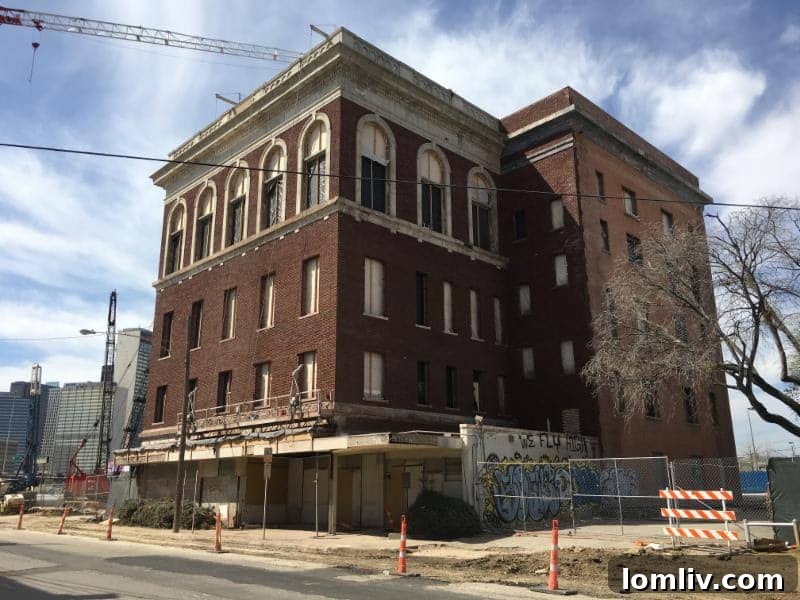
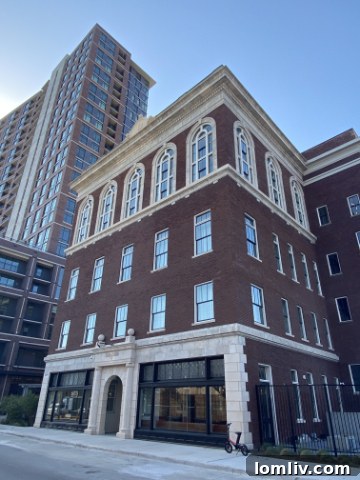
Beyond residences, other community-focused commercial projects also embody this spirit of dedicated restoration. The Knights of Pythias building in Deep Ellum, for instance, represents another triumph in preserving a vital piece of Dallas’s commercial and cultural past. Its transformation from a neglected state to a revitalized landmark demonstrates how historic buildings, even in bustling entertainment districts, can be meticulously restored and re-integrated into modern urban life, serving as anchors for community identity and economic activity.
Beyond Bricks and Mortar: The Broader Impact of Historic Preservation
The Preservation Achievement Awards serve a purpose far beyond mere recognition; they are a catalyst for inspiration and education. “One of the great things about the Preservation Achievement Awards is that they can inspire others by showcasing outstanding projects where historic buildings were revitalized and updated for modern living,” Preziosi emphasizes. These success stories powerfully communicate a fundamental truth: “It proves that historic buildings have value and that old is not bad.” In an age of rapid development and often disposable architecture, these awards champion sustainability and longevity. They demonstrate that historic structures can be adapted to perfectly suit contemporary lifestyles and business needs, seamlessly blending heritage with innovation.
The projects highlighted through these awards offer tangible proof that “People can look at those projects and say yes, we can take on that renovation, and yes, we can have an incredible blend of historic craftsmanship with modern features.” This encourages more individuals and developers to embark on their own preservation journeys, fostering a wider culture of appreciation for Dallas’s unique architectural legacy. Beyond aesthetics, historic preservation contributes significantly to local economies by creating jobs for skilled tradespeople, boosting heritage tourism, and increasing property values in historic districts. It’s a sustainable approach to development that reuses existing materials and infrastructure, reducing waste and our carbon footprint compared to new construction.
Furthermore, preserving historic buildings is about more than just bricks and mortar; it’s about preserving collective memory, maintaining neighborhood character, and fostering a strong sense of place. These buildings are tangible links to our past, providing context and continuity in an ever-changing world. They tell the stories of generations, adding depth and meaning to our urban environment. By celebrating these achievements, Preservation Dallas actively promotes these values, enriching the cultural fabric of the city and ensuring that Dallas’s history is not just remembered but vibrantly lived.
Nominate a Project: Be a Part of Dallas’ Preserved Future
The call for nominations for the annual Historic Preservation Awards is an ongoing invitation for the community to actively participate in shaping and celebrating Dallas’s architectural future. Whether it’s a beautifully restored bungalow, a dramatically repurposed commercial building, or a sensitively designed new construction within a historic area, every project has a story worth telling. By nominating a project, you contribute to recognizing the hard work, vision, and dedication that go into safeguarding our shared heritage.
These awards not only highlight individual successes but also build a stronger, more informed community that values and advocates for its historic places. They provide a platform to share best practices, inspire future projects, and reinforce the idea that Dallas’s past is an invaluable asset to its present and future. We encourage anyone involved in or aware of a deserving historic preservation project to consider submitting a nomination for the upcoming awards cycle.
Join Preservation Dallas in celebrating the structures that define our city and the people who work tirelessly to protect them. Your nomination helps ensure that these vital contributions to our cultural and architectural landscape receive the recognition they deserve, fostering a deeper appreciation for the enduring beauty and significance of historic preservation in Dallas.
Access the Nomination Form and Learn More