
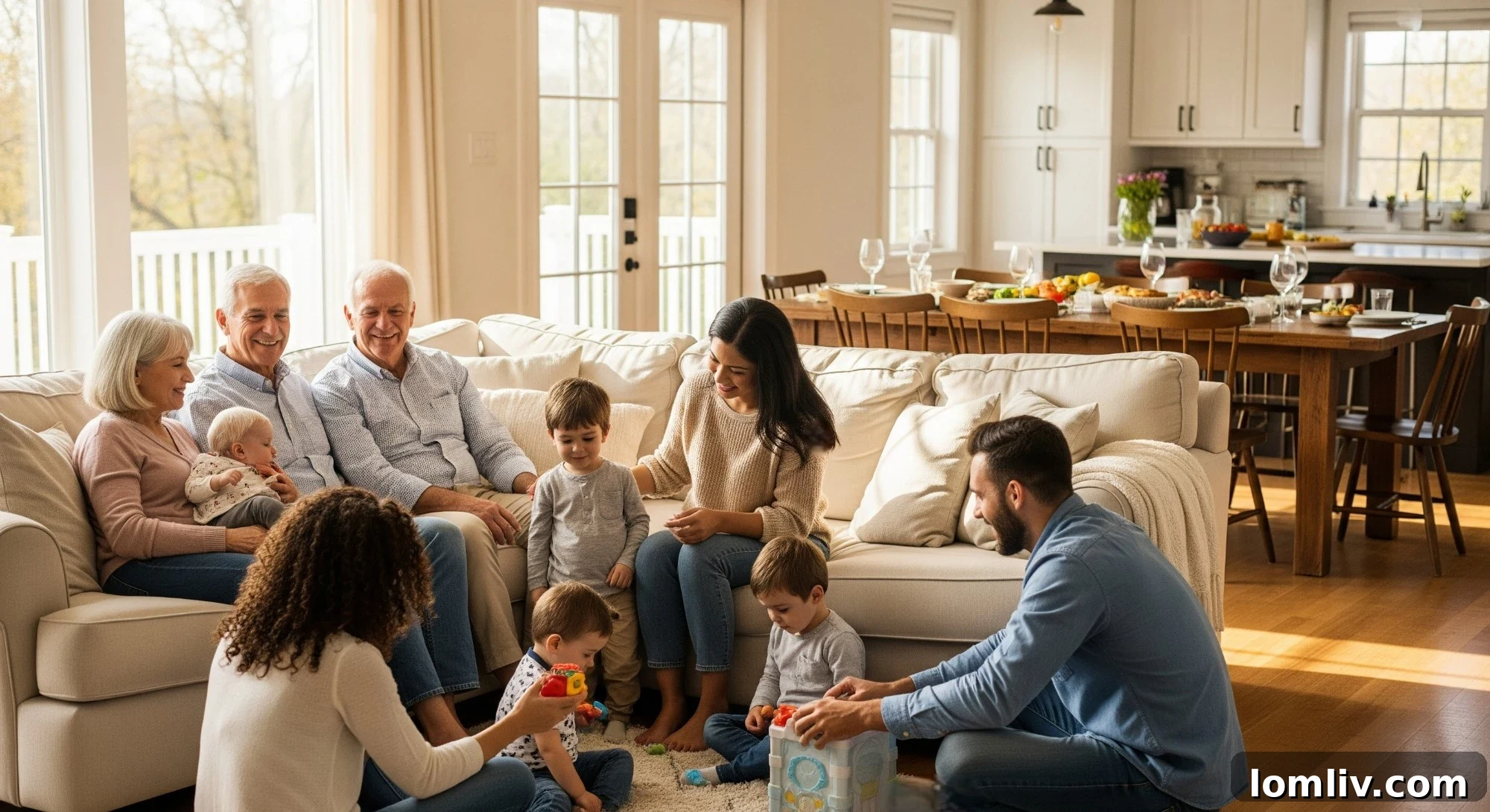
The concept of retirement has undergone a profound transformation. What once conjured images of tranquil solitude, perhaps in a smaller, quiet cottage, now reflects a vibrant desire for continued engagement and deep family connection. Today’s active grandparents are challenging traditional notions of aging, seeking not isolation, but robust community and a lifestyle rich with interaction. Rather than merely downsizing, they are making deliberate, forward-thinking choices about their living arrangements, prioritizing proximity to loved ones and fostering an environment where family bonds can flourish.
This evolving perspective has fueled the significant rise of multi-generational living. This increasingly popular trend sees grandparents, their adult children, and grandchildren sharing a single household or residing in close proximity, creating a cohesive family unit. For many involved grandparents, the idea of a “forever home” transcends simply a place to age gracefully. It represents a dynamic hub designed to bring the family closer, adapt seamlessly to changing life stages and needs, and serve as the cherished backdrop for countless shared memories, celebrations, and everyday moments.
The shift towards multi-generational households is driven by various factors, including economic advantages, childcare support, and the inherent desire for a strong family unit. This arrangement offers a unique blend of independence and interdependence, creating a supportive ecosystem where each generation contributes and benefits. Grandparents often provide invaluable wisdom, experience, and childcare, while adult children offer practical support and care as their parents age. Most importantly, grandchildren thrive in an environment rich with intergenerational relationships, learning from and connecting with their elders in meaningful ways.
Strategic Planning for Your Forever Home: Financial & Future Considerations

When retirees embark on the journey of building or purchasing their forever home, the decision extends far beyond mere aesthetics or geographical location. It intertwines shrewd financial planning with the deep emotional need to create a space that truly feels right. A critical element that often receives insufficient attention is the insidious impact of inflation, which can significantly erode retirement income, particularly for those relying on fixed sources like Social Security, pensions, or fixed annuities.
As the cost of living continues its upward trajectory, the expenses associated with maintaining a larger multi-generational home, or undertaking extensive remodels to accommodate multiple generations, can quickly surpass initial projections. This underscores the paramount importance of understanding how inflation in retirement can jeopardize long-term affordability and financial stability. To safeguard your investment and ensure your forever home remains a source of comfort rather than financial stress, several proactive measures are essential. Implementing energy-efficient upgrades, meticulously setting a clear and realistic budget for any necessary renovations, and engaging in comprehensive estate planning can collectively protect your assets and provide peace of mind for the future.
Beyond inflation, other financial aspects demand careful consideration. It’s wise to explore different ownership structures, such as joint ownership or trusts, and to consult with a financial advisor specializing in retirement planning. They can help navigate potential tax implications, discuss cost-sharing agreements among family members, and ensure that the financial arrangements align with everyone’s long-term goals. Understanding property taxes, insurance costs, and potential maintenance reserves is also crucial. A well-crafted financial plan ensures that the dream of a multi-generational forever home remains sustainable and secure for all involved.
Location, Accessibility, and Long-Term Value
Choosing the right location for a multi-generational home is another strategic decision. Proximity to essential amenities such as healthcare facilities, grocery stores, and recreational areas is paramount for grandparents. Easy access to public transportation or safe walking paths can also enhance independence. For adult children and grandchildren, factors like school districts, commute times to work, and local community activities become important. A location that balances the needs of all generations contributes significantly to the long-term satisfaction and value of the home.
Furthermore, consider the long-term value of the property. While the primary goal is family connection, the home also represents a significant asset. Researching property appreciation trends in potential areas, understanding zoning laws, and considering future development plans can help ensure that the investment remains sound. Investing in durable, high-quality materials and smart home technologies not only enhances daily living but can also contribute to the home’s market value over time.
Designing for Harmony: Features That Support Generational Living
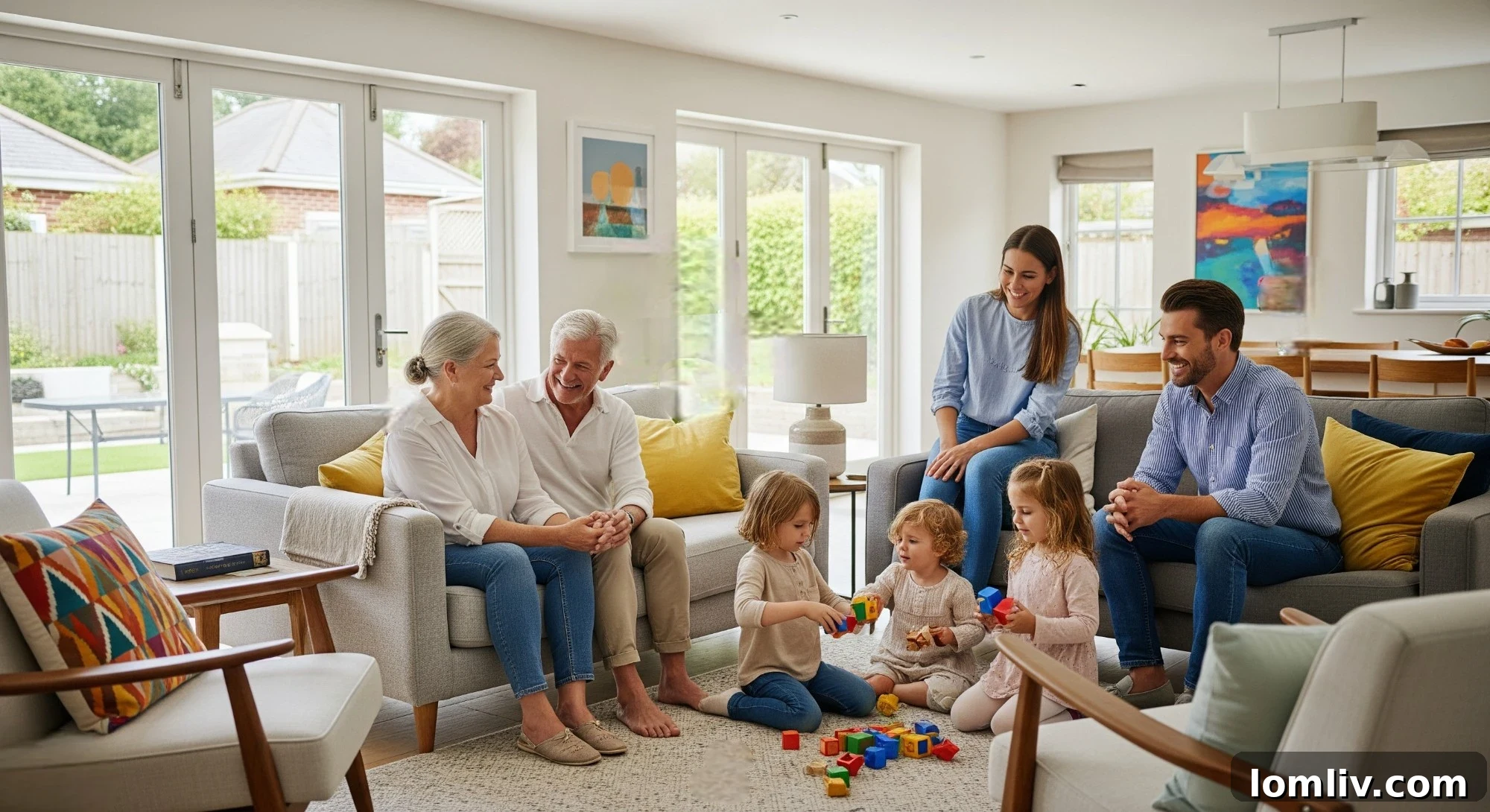
Today’s grandparents approach home design with a visionary mindset, extending far beyond a simple count of bedrooms. They are actively reimagining every square foot of their dwelling, ensuring each space serves a thoughtful purpose that enhances family life. Homes specifically engineered for successful multi-generational living often incorporate a blend of shared and private zones, alongside practical features that accommodate varying needs and abilities. Key design elements typically include:
- Separate Living Suites: These can manifest as self-contained apartments, converted basements, detached accessory dwelling units (ADUs), or even thoughtfully designed wings within the main house. They provide private bedrooms, bathrooms, and often kitchenettes or living areas for adult children, elderly parents, or live-in caregivers, fostering independence while maintaining proximity.
- Accessible Design Features: Prioritizing aging in place, these elements are crucial for long-term comfort and safety. Examples include zero-threshold walk-in showers, wider doorways (at least 36 inches), single-floor layouts or the provision for future elevators/stairlifts, grab bars in bathrooms, lever-style door handles, and non-slip flooring. These features benefit not only seniors but also young children and individuals with temporary mobility challenges.
- Open-Concept Kitchens and Living Areas: These expansive, fluid spaces serve as the heart of the home, facilitating large group meals, joyous celebrations, and spontaneous family gatherings. An open layout encourages interaction, makes entertaining easier, and ensures no one feels isolated while cooking or relaxing.
- Ample and Diverse Outdoor Spaces: Beyond a simple yard, multi-generational homes benefit from varied outdoor zones. This might include a spacious patio or deck for al fresco dining, a lush garden for quiet contemplation or communal planting, and safe, engaging areas for children’s recreation and imaginative play.
Many grandparents harbor a desire for their home to be more than just a place to visit; they want it to be a destination their grandkids genuinely look forward to. This often translates into thoughtful additions that spark joy and encourage activity. Imagine a vibrant garden where children can help cultivate plants, a sturdy swing set for endless outdoor fun, or a dedicated mini-play zone that encourages imagination and active play. These intentional touches do more than entertain; they actively strengthen family bonds, creating an atmosphere where the home feels like a cherished escape, filled with adventure and warmth, rather than just another stop on the way home.
Multi-functional Spaces and Smart Technology Integration
The concept of flexible or multi-functional spaces is particularly relevant in multi-generational homes. A guest bedroom might double as a home office, a craft room, or even a quiet study area. Basements can be finished to include a media room, a home gym, and an additional private suite. This adaptability ensures that the home can evolve with the family’s changing needs without requiring major renovations.
Integrating smart home technology further enhances comfort, safety, and convenience. Beyond basic security, smart systems can manage lighting, climate control, and entertainment, often through voice commands or simple apps. This can be especially helpful for seniors, providing a sense of control and ease of use. Automated lighting, smart door locks, and remote monitoring systems offer added peace of mind for all residents.
Achieving Harmony: Independence Meets Family Connection
One of the foremost concerns for grandparents considering a multi-generational living arrangement is the potential erosion of their personal independence and privacy. The true art of successful multi-generational living lies in striking a delicate, yet robust, balance between shared family connection and individual autonomy. With intelligent and empathetic design, a home can be meticulously crafted to foster privacy and personal space, even while seamlessly facilitating opportunities for everyone to gather and connect.
This thoughtful design might manifest as a quiet sanctuary where one can retreat and recharge – perhaps a sun-drenched sunroom perfect for reading, a dedicated hobby shed for creative pursuits, or a cozy reading nook tucked away from the main hub of activity. These personal havens exist harmoniously alongside vibrant, open shared areas where the entire family can convene, celebrate, and create lasting memories together. The key is to design distinct zones within the home, allowing for both intimate solitude and energetic communal interaction.
Beyond physical space, technology serves as a powerful enabler of independence within a busy household. Modern smart home systems, for instance, offer unparalleled convenience and security. Features like video doorbells allow residents to see and communicate with visitors from anywhere, enhancing safety. Automatic lighting systems can be programmed for convenience and energy efficiency, providing illumination precisely when and where it’s needed. These technological advancements provide retirees with an enhanced sense of control over their environment and daily routines, even amidst the bustling energy of a full multi-generational household, thereby reinforcing their independence and peace of mind.
Establishing Clear Boundaries and Communication
Successful multi-generational living also hinges on open communication and the establishment of clear boundaries. Before moving in, families should discuss expectations regarding shared responsibilities, finances, childcare, guest policies, and noise levels. Creating a family agreement or having regular family meetings can help address potential conflicts proactively and ensure everyone feels heard and respected. Designated private spaces for each individual or couple are non-negotiable, and respecting these zones is fundamental to maintaining harmony.
Beyond a Trend: The Enduring Value of Multi-Generational Living

What we are witnessing is far more profound than a fleeting trend in living arrangements; it represents a fundamental redefinition of how families envision and navigate the next chapter of life. Today’s grandparents are remarkably different from previous generations: they are more active, deeply involved, and more interconnected. They are often integral to daily family life, actively participating in childcare, enthusiastically cheering from the sidelines at soccer games, providing invaluable support for virtual learning, and offering a wealth of wisdom and emotional support. Because they play such a significant and hands-on role in the everyday fabric of their families, they are naturally seeking homes that not only accommodate but actively support this elevated level of engagement and involvement.
As home design philosophies continue to evolve, they increasingly mirror this modern, dynamic lifestyle. We observe a growing emphasis on flexible layouts that can adapt to changing family dynamics, innovative features that champion aging in place with dignity and comfort, and thoughtfully designed outdoor areas that beckon everyone to gather and interact. The focus is firmly on constructing spaces that genuinely fit the way contemporary families live—spaces that foster profound connection, offer unparalleled comfort across all age groups, and serve as joyful venues for everyday celebrations and milestones.
With the accelerating popularity of multi-generational living, proactive long-term planning has become more critical than ever before. A true forever home in this context must transcend its basic function of providing shelter. It must embody a living, breathing environment that nurtures meaningful relationships, ensures comfort and accessibility for every age, and instills in each resident a profound sense of security, belonging, and shared purpose. This holistic approach to home design acknowledges that a house is not merely a structure but a dynamic foundation for family well-being.
Today’s grandparents are not solely focused on their own retirement; they are actively contemplating the broader question: “How can this home genuinely grow and evolve alongside our entire family?” Whether they are anticipating the return of adult children, welcoming new grandchildren, or providing a supportive environment for elderly parents, adaptability is paramount. Homes that are inherently easy to adjust for various life stages—featuring distinct separate living areas, universal accessible design principles, and expansive open spaces for communal gathering—make it entirely possible for every individual to maintain their independence while simultaneously fostering deep, enduring family closeness.
Ultimately, a true forever home is more than just an address or a collection of rooms. It is a vibrant, evolving ecosystem where cherished memories are forged, family stories are lovingly passed down through generations, and individuals of all ages have the space and support to grow together. When grandparents approach home design with an insightful vision for both the present and the future, they construct not just a house, but a legacy. They build a home that profoundly reflects their unwavering love for connection and their steadfast commitment to family. It’s not merely about where they reside; it is fundamentally about how they choose to live—together, harmoniously, and with purpose.
The Broader Societal and Emotional Benefits
The rise of multi-generational living also brings significant societal advantages. It can reduce the financial burden on individual households, especially with rising housing costs and childcare expenses. For seniors, it often leads to reduced feelings of loneliness and isolation, promoting better mental and physical health. For children, growing up with grandparents can offer unique learning experiences, cultural enrichment, and a stronger sense of identity and belonging. This model of living strengthens community ties and fosters a more interdependent, supportive society.
Emotionally, the benefits are immeasurable. The constant presence of family provides a built-in support system during challenging times and amplifies joy during celebrations. Grandparents often find renewed purpose in their daily lives, actively contributing to their family’s well-being. Adult children experience the comfort of having their parents nearby, easing concerns about elderly care, while also benefiting from the invaluable wisdom and life experience of their elders. This symbiotic relationship cultivates a rich tapestry of shared experiences, creating an environment where love, understanding, and mutual respect thrive across all generations.