

The dynamic world of real estate continues to evolve, bringing forth both exciting opportunities and significant challenges. This week, we delve into critical topics shaping the industry, from the ever-present shadow of cybersecurity threats impacting transactions and client data, to unique opportunities to explore Dallas’s rich architectural heritage through exclusive property tours. We also shed light on a persistent source of confusion for both buyers and sellers: the complexities surrounding real estate agent disclosures and the practice known as “double agency.” Understanding these facets is crucial for professionals and consumers alike to navigate the market safely and successfully. Join us as we explore these vital updates and offer insights to empower your real estate journey.
Navigating the Digital Minefield: Cybersecurity Threats in Real Estate
In an increasingly digital landscape, the real estate sector has unfortunately become a prime target for cybercriminals. The industry’s reliance on high-value transactions and the exchange of sensitive personal and financial data makes it particularly vulnerable. Professionals and clients alike must maintain heightened vigilance against sophisticated cyber scams that threaten to compromise transactions, data integrity, and trust.
The spectrum of cyber threats is broad and constantly evolving, ranging from insidious wire fraud schemes to vulnerabilities stemming from unsecured Wi-Fi networks and outdated software. The absence of robust data policies, the prevalence of weak passwords, and the constant barrage of phishing emails also contribute to a perilous digital environment. Furthermore, the alarming trend of scammers impersonating legitimate real estate professionals adds another layer of complexity, making it harder for unsuspecting individuals to differentiate between genuine communications and malicious attempts.
Recognizing the urgent need for action, the National Association of Realtors (NAR) has taken a proactive stance. Through comprehensive articles and awareness campaigns, NAR aims to educate its members and the wider public on the prevalent risks and, crucially, on the actionable steps that can be taken to safeguard businesses and client assets. Resources like NAR’s “How to Thwart 6 Hacking Threats” provide invaluable, specific guidance for tackling various types of cyberattacks.

One of the most devastating and financially impactful scams is wire fraud. As Melissa Dittmann Tracey elaborates, “before settlement of the transaction, hackers may send your clients an email that appears to originate from you or the lender and contains directions for wiring their down payment funds.” This deceptively simple tactic can lead to catastrophic losses, as “unsuspecting clients who follow the directions often lose their funds permanently; hackers can make the money trail untraceable in mere minutes.” To combat this, security experts strongly recommend that real estate professionals integrate explicit warnings about wire fraud into their email signatures and, more importantly, address these threats directly and proactively with clients during initial consultations and throughout the transaction process. Establishing a protocol for verbally verifying all wiring instructions using a known, trusted phone number—never one provided in an email—is a critical best practice.
Beyond wire fraud, safeguarding against other threats is equally important. This includes ensuring all office and personal Wi-Fi networks are secure and encrypted, regularly updating all software to patch known vulnerabilities, and implementing strong, unique passwords combined with two-factor authentication for all accounts. Developing and enforcing a clear data privacy policy ensures that sensitive client information is handled responsibly and in compliance with regulations like GDPR or CCPA where applicable. Furthermore, ongoing training for real estate agents and staff on how to identify phishing emails, suspicious links, and imposter scams is paramount. By fostering a culture of cybersecurity awareness and implementing robust protective measures, the real estate industry can collectively build a more resilient defense against the relentless tide of digital threats.
Source: Realtor Magazine
Step Back in Time: Exclusive Tours of Nance House and The Gaston Bed & Breakfast
For those with an appreciation for history, architecture, and meticulous preservation, this month offers a rare opportunity to step inside two of Dallas’s most exquisitely restored historic homes. On February 26th, at 6 p.m., the Nance House and The Gaston Bed & Breakfast will open their doors for public tours and enlightening history briefings, promising an unforgettable journey into the past.
The tours will be personally guided by the dedicated owner siblings, Liz and Mike Nance, offering an intimate perspective on their labor of love. The Nance House, located at 4722 Gaston, and The Gaston Bed & Breakfast, situated just down the street at 4802 Gaston, stand as testaments to careful restoration and community pride. These properties not only showcase stunning architectural details but also tell compelling stories of Dallas’s rich heritage.
The Nance House, originally constructed in 1915, is a significant piece of Dallas’s early 20th-century residential architecture. Its enduring charm and the meticulous efforts to restore it were recognized with a prestigious 2019 Preservation Achievement Award. Over its century-long existence, the house has witnessed various transformations: initially a grand single-family residence, it served as a boarding house during the 1930s, reflecting the changing social and economic landscape of the era. Later, it was subdivided into apartments, a common fate for many large historic homes as urban demographics shifted. The current owners, Liz and Mike Nance, undertook an extensive and passionate restoration project, lovingly returning the property to its original grandeur as a single-family home. This restoration not only saved a piece of history but also revitalized its architectural integrity, allowing visitors to appreciate its turn-of-the-century design and craftsmanship.
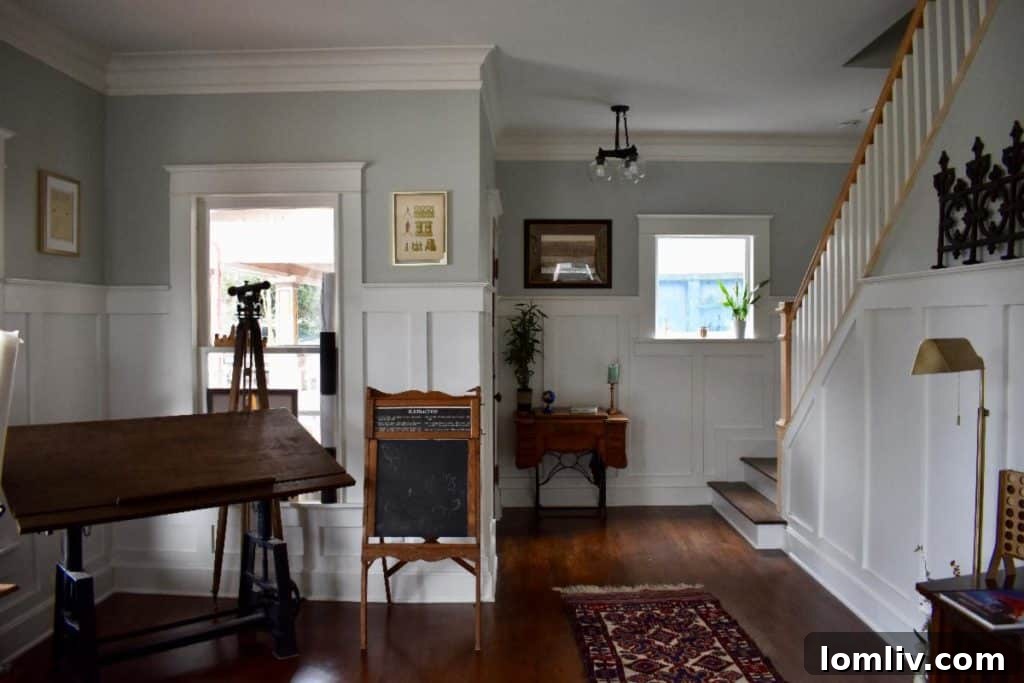
Adjacent to the Nance House, The Gaston Bed & Breakfast offers another remarkable example of historical revival. This magnificent property has also undergone a comprehensive restoration, transforming it into a luxurious five-bedroom facility. Beyond its comfortable accommodations, The Gaston Bed & Breakfast boasts a spacious dining room and versatile event space, making it a vibrant hub for gatherings and celebrations. Its restoration highlights a successful blending of historical preservation with modern functionality, providing a unique hospitality experience that respects its past while serving contemporary needs.
These exclusive tours are open to the public, though reservations are essential to ensure a personalized and manageable experience for all attendees. Admission to these enriching historical briefings and property explorations is free for members of Preservation Dallas, underscoring the value of supporting local heritage organizations. For non-members, a modest fee of $20 applies, contributing to the ongoing efforts of preserving Dallas’s architectural treasures. Don’t miss this unique opportunity to connect with the past and appreciate the dedication involved in bringing these historic homes back to life.
To secure your spot for the highly anticipated February 26th tours and delve into the fascinating narratives of these architectural gems, please click here to make your reservation. Spaces are limited, so early booking is highly recommended.
Demystifying Real Estate Agency: Unpacking “Double Agency” and Disclosure Challenges
The process of buying or selling a home is often one of the most significant financial decisions an individual will make. Amidst the excitement and complexity, understanding the role and loyalties of your real estate agent is paramount. However, a recent report reveals that a critical aspect of this relationship—agent representation disclosures—remains a persistent source of confusion, leaving many buyers and sellers vulnerable. This situation is particularly exacerbated by the controversial practice often referred to as “double agency.”
A comprehensive report from the Consumer Federation of America (CFA) has critically examined the state of real estate agent disclosures. The findings are concerning: these disclosures, intended to clarify agent roles, are “often complex and legalistic, lack important information, are not timely, and are not understood by many home sellers and buyers.” This lack of clarity is not just an inconvenience; it can place consumers in a financially risky position, fundamentally undermining the trust essential to a successful real estate transaction.
At the heart of much of this confusion lies “double agency,” or dual agency, a practice where a single real estate agent, or two agents from the same brokerage, represents both the buyer and the seller in the same transaction. While legal in many states, often with specific disclosure requirements, it inherently presents a conflict of interest. The fundamental ethical principle of an agent is to act in the best interest of their client. When an agent attempts to serve two masters with opposing goals (the seller wants the highest price, the buyer wants the lowest), it becomes incredibly challenging, if not impossible, to fulfill a true fiduciary duty to both parties equally.

The CFA’s 27-page report, titled “Why Required Real Estate Agent Disclosures About Representation Fail and How They Can Be Improved,” meticulously details the concerns arising from the fragmented landscape of state disclosure laws. These laws employ “dozens of terms” to identify possible agent roles, creating a bewildering array of classifications that only add to the consumer’s perplexity. Without a clear, universally understood framework, buyers and sellers struggle to grasp the nuances of who their agent truly represents.
Stephen Brobeck, a senior fellow at CFA and the report’s author, powerfully articulates the financial ramifications: “Not knowing whether your real estate agent represents your interests or those of the other party can be costly.” He further elaborates on the potential pitfalls, stating, “An agent working for the other party could, and may be legally required to, pass on compromising information such as the purchase price you’re prepared to sell for or spend. And this agent would have no obligation to help you find the right buyer or the right house at the right price.” This highlights the critical difference between having an agent committed solely to your interests versus one navigating a delicate balance between conflicting parties, which can lead to missed opportunities or disadvantageous terms for either the buyer or the seller.
The report advocates for significant improvements, including the adoption of simpler, more standardized disclosure forms, enhanced agent education, and potentially stricter regulations on dual agency practices. For consumers, the takeaway is clear: always ask explicit questions about an agent’s representation, thoroughly read and understand all disclosure documents, and if possible, seek independent legal advice. Empowering buyers and sellers with clear, concise information about agent loyalties is not just about compliance; it’s about fostering fair and transparent transactions in the real estate market.
Source: Consumer Federation of America
As the real estate market continues its dynamic trajectory, staying informed on critical issues like robust cybersecurity, engaging with local heritage through property tours, and understanding the complexities of agency representation is more vital than ever. These insights empower both real estate professionals and consumers to make more informed decisions, navigate potential pitfalls, and appreciate the rich tapestry of opportunities available in today’s property landscape. By prioritizing security, celebrating history, and advocating for clarity, we can collectively foster a more transparent and trustworthy real estate environment for all.