

In the dynamic world of real estate, the seemingly small details can often make the biggest difference. That’s why the dedicated professionals at Green Scene Home Inspections are committed to providing Daltxrealestate.com readers with invaluable insights into the intricacies of property assessment. Join us weekly for “Upon Closer Inspection,” where we illuminate the critical aspects homeowners and prospective buyers need to understand.
Navigating a real estate transaction can be complex, and one of the most crucial steps for any buyer is the home inspection. Typically, once a seller accepts an offer, an “option period” begins – a vital window (especially prevalent in regions like Texas) during which the buyer has the exclusive right to thoroughly investigate the property. This is when a certified home inspector, and other specialists if necessary, steps in to provide an objective, expert evaluation of the home’s condition.
A comprehensive home inspection involves a meticulous examination of all accessible major systems and components of the house. From the roof to the foundation, and everything in between, the inspector’s role is to identify anything that is missing, malfunctioning, or not up to current safety and structural standards. For the buyer, this detailed report is a powerful tool, providing critical information about the property’s true state. It not only reveals potential issues that could lead to significant future expenses but also offers a crucial opportunity to negotiate repairs or adjust the purchase price, ensuring a sound investment and peace of mind. Conversely, for the seller, an inspection can sometimes uncover unexpected issues that may necessitate additional time and financial investment to resolve, potentially impacting the smoothness and timeline of the sale.
Being prepared and informed is key. Understanding the most frequently encountered problems can empower both buyers and sellers to approach the inspection process with confidence. Here, we delve into three of the most common issues identified by home inspectors in our region, along with practical advice on how to prevent them and maintain your property effectively.
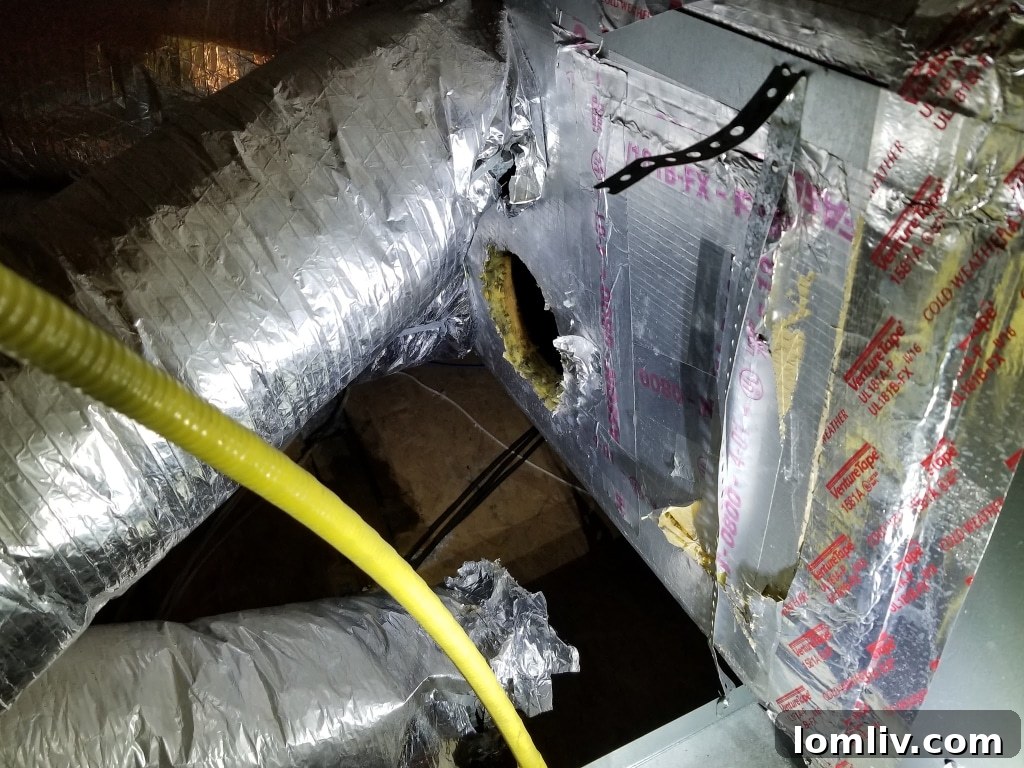
1. HVAC System Neglect: A Common Source of Trouble
Beyond the simple act of changing air filters, many homeowners regrettably overlook the essential maintenance their Heating, Ventilation, and Air Conditioning (HVAC) systems require. This oversight frequently leads to dirty, leaking, or malfunctioning HVAC components appearing on most home inspection reports. Such neglect is more than just an inconvenience; it can significantly diminish indoor air quality, dramatically increase energy consumption and utility bills, and drastically shorten the operational lifespan of expensive equipment. Furthermore, a poorly maintained furnace can pose serious safety risks, including carbon monoxide leaks.
The good news is that this common issue is entirely avoidable. Proactive maintenance is the cornerstone of a healthy HVAC system. Scheduling seasonal tune-ups—ideally in spring before the cooling season and in fall before heating season—with a licensed and reputable HVAC company can make all the difference. During these professional checks, technicians will clean coils, inspect ductwork for leaks, lubricate moving parts, check refrigerant levels, and ensure all electrical connections are secure and safe. This routine upkeep not only prevents minor issues from escalating into major, costly breakdowns but also enhances the system’s efficiency, extends its life, and ensures optimal comfort and air quality within your home. Investing in regular HVAC service is an investment in your home’s value and your family’s well-being.
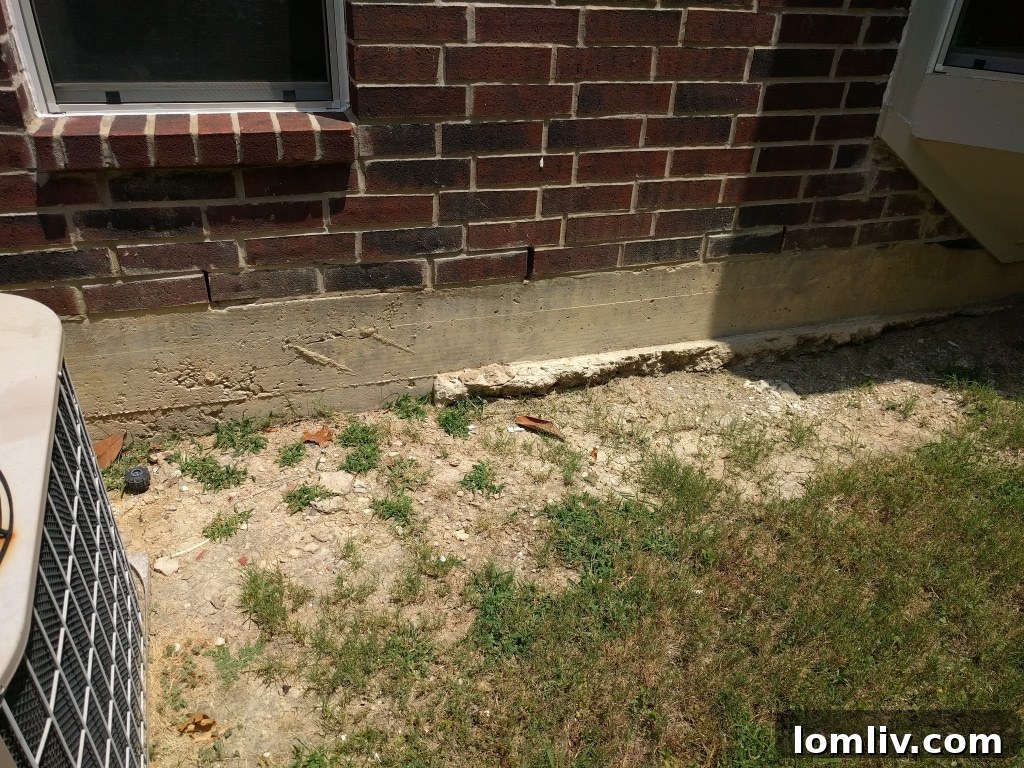
2. Foundation Vulnerability: The Perils of a Low Soil Line
Another prevalent concern frequently observed by inspectors, particularly in areas susceptible to soil expansion and contraction like North Texas, is soil erosion along the foundation. The soil surrounding your home plays a crucial role in providing support to the foundation, acting as a protective barrier against moisture and shifting ground. When this soil erodes and recedes, it leaves the foundation exposed and vulnerable, leading to a host of potential problems. An exposed foundation can lead to settling, cracking, and even significant structural damage over time. Water is the primary culprit behind soil erosion, as it washes away soil along the perimeter of the house, creating gaps and compromising the foundation’s integrity.
Addressing a low soil line and preventing foundation damage requires a strategic approach to water management. First and foremost, ensure your rain gutters are in impeccable working order, free of clogs, and properly aligned. Critically, downspouts must extend far enough away from the foundation to effectively channel rainwater clear of the home’s base. Improper drainage is a leading cause of foundation issues. Additionally, assessing the grading around your home is essential; the ground should gently slope away from the foundation for at least six feet to facilitate proper runoff. For homes situated on inclines or properties with highly expansive clay soils, natural erosion from rainfall can be a persistent challenge, necessitating periodic replenishment of soil around the foundation. Implementing French drains or other sub-surface drainage systems might also be beneficial in managing excessive groundwater, safeguarding your home’s structural stability for years to come.
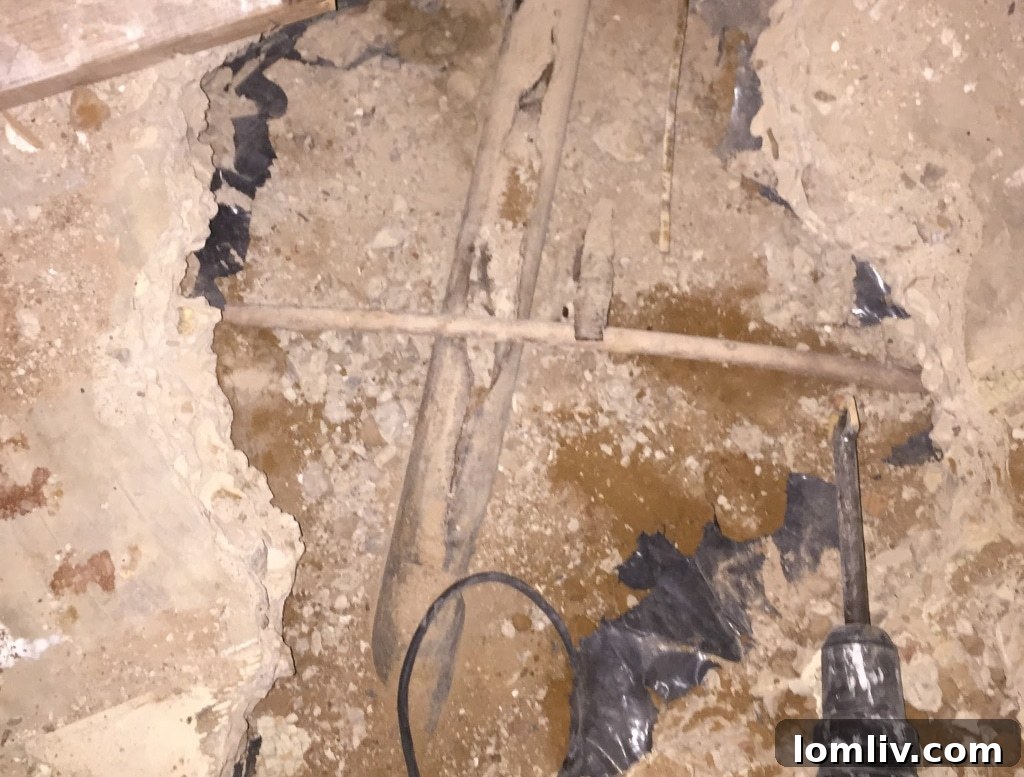
3. The Hidden Costs of Old, Outdated Equipment and Materials
In older homes, it’s common to encounter equipment and materials that have either fallen out of general use or have simply exceeded their functional lifespan. While charming in their historic context, components like cast iron drain pipes, antiquated electrical panels (such as Fed-Pac systems notorious for safety concerns), or original single-pane windows often represent significant liabilities. These aren’t merely cosmetic issues; they can pose serious safety hazards, contribute to sky-high energy bills, and are prone to sudden, costly failure.
For instance, aging electrical systems may not meet the demands of modern households, leading to overloaded circuits and fire risks. Deteriorating plumbing can cause leaks, water damage, and reduced water pressure. Beyond immediate safety, outdated systems are inherently inefficient, costing homeowners more in utilities each month. Replacing these elements can indeed be a substantial investment, but it’s an investment that pays dividends in safety, energy savings, and improved home functionality. Making these crucial updates proactively, when you can research options and budget appropriately, allows you to enjoy the benefits of new, efficient equipment without the added stress and pressure of a real estate contract. For sellers, addressing these issues before listing can prevent negotiation pitfalls and offer buyers a move-in ready home. For buyers, understanding the age and condition of major systems is crucial for future financial planning and for ensuring the safety and comfort of their new abode.
4. The Silent Threat: General Water Intrusion and Leaks
Beyond foundation issues, general water intrusion and leaks represent another critical concern frequently flagged during home inspections. Water is arguably a home’s greatest enemy, capable of causing widespread damage if not properly managed. These leaks can originate from various sources: a compromised roof, faulty plumbing (e.g., dripping faucets, leaking pipes under sinks or within walls), deteriorated window and door seals, or even minor cracks in the foundation or exterior siding. The consequences of unchecked water intrusion are severe and far-reaching, including the rapid growth of mold and mildew, which poses significant health risks and degrades indoor air quality. It can also lead to wood rot, compromising the structural integrity of framing and flooring, attracting pests, and damaging finishes like drywall and insulation. Identifying and addressing these issues promptly is paramount to maintaining a healthy and sound home environment.
Preventative measures and regular vigilance are key to mitigating the risks of water damage. Homeowners should routinely inspect their roofs for missing or damaged shingles, ensuring gutters and downspouts are clear and properly directing water away from the house. All exterior caulking around windows, doors, and utility penetrations should be checked annually and re-sealed as needed to create a watertight barrier. Inside the home, pay attention to any unexplained damp spots, discoloration on walls or ceilings, or musty odors, which are common indicators of a hidden leak. Repairing dripping faucets and leaky pipes immediately, no matter how minor they seem, can prevent them from escalating into major problems. For areas prone to higher humidity, such as bathrooms and kitchens, ensuring proper ventilation can significantly reduce moisture buildup and the associated risks of mold growth. Proactive maintenance and quick responses to potential leaks are essential for protecting your home’s value and your family’s health.
5. The Importance of Proper Ventilation Throughout the Home
Adequate ventilation is a silent hero in home maintenance, yet its absence is a common oversight that home inspectors frequently uncover. Proper airflow is essential for a home’s health, impacting everything from structural integrity to energy efficiency and indoor air quality. Inadequate ventilation in key areas like attics, bathrooms, and crawl spaces can lead to a cascade of problems. In attics, poor airflow can cause heat to build up excessively during summer, leading to higher air conditioning costs and premature aging of roofing materials. In winter, it can lead to condensation, which soaks insulation, fosters mold growth, and causes wood rot in the roof decking.
Similarly, bathrooms and kitchens, which generate significant moisture, require effective exhaust systems to prevent the accumulation of humidity. Without proper ventilation, this moisture can lead to mold and mildew on walls, ceilings, and in cabinets, contributing to poor indoor air quality and potential health issues. Crawl spaces, if not adequately ventilated or encapsulated, can become damp, musty environments that attract pests, promote wood rot, and allow moisture to seep up into the living areas. Ensuring that these critical areas have proper airflow is a relatively inexpensive way to avoid costly repairs and maintain a healthy living environment. This includes ensuring attic vents (soffit, ridge, or gable) are clear and unobstructed, exhaust fans in bathrooms and kitchens are properly sized and vented to the exterior, and crawl spaces are dry and appropriately ventilated or sealed. Investing in good ventilation is an investment in your home’s long-term health and efficiency.
Empowering Your Real Estate Journey with Knowledge
The journey of buying or selling a home is often one of the most significant financial and emotional undertakings in life. The insights gleaned from a professional home inspection are not merely a list of defects; they are a comprehensive guide to understanding your property’s condition, empowering you to make informed decisions. For buyers, it’s an opportunity to solidify a sound investment, negotiate repairs, and step into their new home with confidence, free from unforeseen burdens. For sellers, proactively addressing these common issues before listing can streamline the sales process, enhance property value, and demonstrate a commitment to transparency, ultimately leading to a smoother and more profitable transaction.
Ultimately, preventative maintenance is not just about avoiding immediate problems; it’s about safeguarding your investment, ensuring the safety and comfort of your living space, and significantly extending the lifespan of your home’s vital systems. Whether you’re preparing to sell or are on the verge of purchasing your dream home, remember that knowledge is your most powerful asset. Green Scene Home Inspections is dedicated to providing that knowledge, helping you navigate the complexities of home ownership with clarity and assurance. Don’t let common issues turn into costly nightmares; schedule a professional home inspection and embrace the peace of mind that comes with “Upon Closer Inspection.”