The practice of real estate investment, while often vital for urban development and property revitalization, occasionally veers into ethically dubious territory. There’s a crucial distinction between a legitimate investor seeking to purchase and repurpose property, and a predatory one who exploits the vulnerable. While it is perfectly legal for investors, developers, or home flippers to contact homeowners with purchase offers, a significant problem arises when these overtures target the elderly or disabled, manipulating them into selling their homes at drastically undervalued prices, often under veiled threats of eviction or legal entanglement.
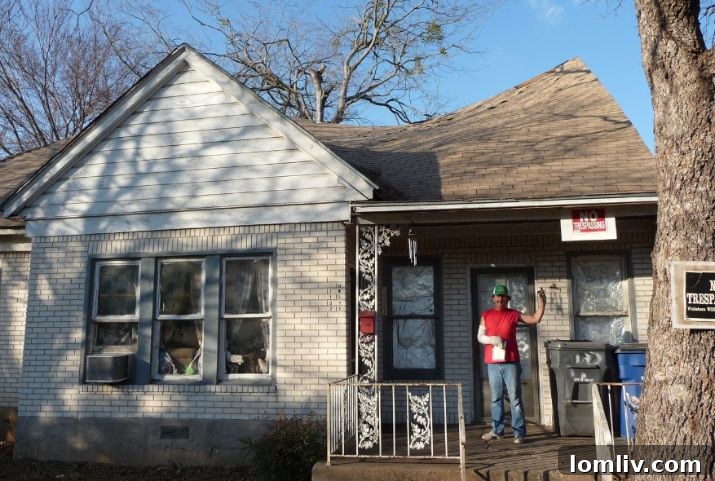
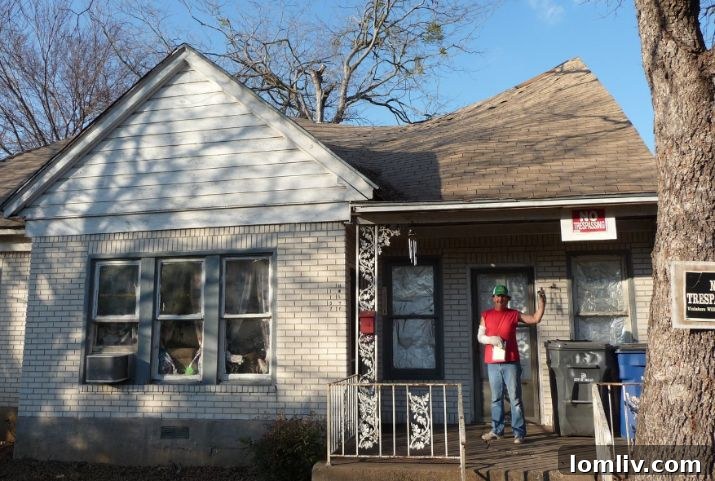
This unsettling scenario is currently unfolding for Durwood “Woody” Brodie Jr., a resident of South Edgefield, Dallas. Woody faces an additional, complex layer of difficulty: he is unable to communicate verbally due to severe injuries from a past accident. Further complicating his plight, it appears his estranged brother may have years ago illegally signed over the deed to a home that was not his to sell. This intricate web of personal vulnerability, potential fraud, and aggressive investment tactics highlights a growing concern within established communities.
Woody Brodie Jr. is deeply distressed by the persistent threats that loom over his family home, a place brimming with decades of personal history and cherished memories. In response, his compassionate neighbors in the South Edgefield and Elmwood areas of North Oak Cliff have rallied around him, forming a protective community front. Their collective determination to help Woody retain his cherished property has brought vital attention to his case.
Following the initial publication of Woody’s story, a beacon of hope emerged. Attorney Matt Glenn, himself a fellow resident of the neighborhood, reached out with an offer of assistance. His willingness to delve into the complexities of Woody’s situation brought immense relief to the neighbors, who had spent months tirelessly searching for an estate attorney. Their goal: to properly interpret the intricate details of deeds and a will that they believed would unequivocally show that the homes, belonging to Brodie’s late mother and father (who were divorced), were legally transferred to Woody, not his estranged brother. This offer of pro bono legal aid signifies a crucial turning point in Woody’s battle to secure his legacy.
However, every story has multiple facets, and to gain a comprehensive understanding of the situation, it becomes imperative to engage with all parties involved. In this complex narrative, the perspectives of the investors who have been contacting Woody are equally important, offering a different lens through which to view the ongoing dispute.
Unpacking “Your Problem My Solution”: The Investor’s Perspective
The central figure attempting to acquire Woody Brodie Jr.’s family homes is Nicholas Petroff, representing the company Your Problem My Solution. The properties in question are significant: a recently rebuilt home at 1137 Nolte Drive, funded by the City of Dallas after a period of disrepair, and a five-bedroom Austin stone residence situated on a triple lot at 1126 Nolte Drive. Astonishingly, the combined offer for these two valuable properties, located in a desirable and appreciating part of Oak Cliff, was a mere $8,000. This offer stands in stark contrast to prevailing market values in the area, immediately raising questions about its fairness and underlying intentions.
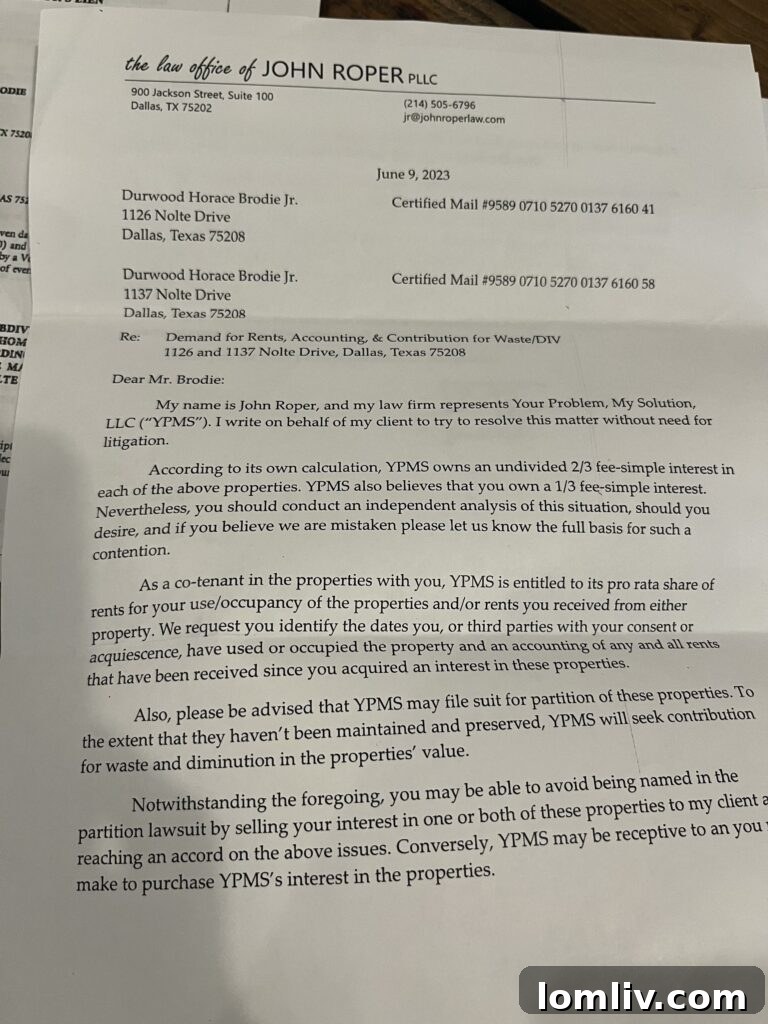
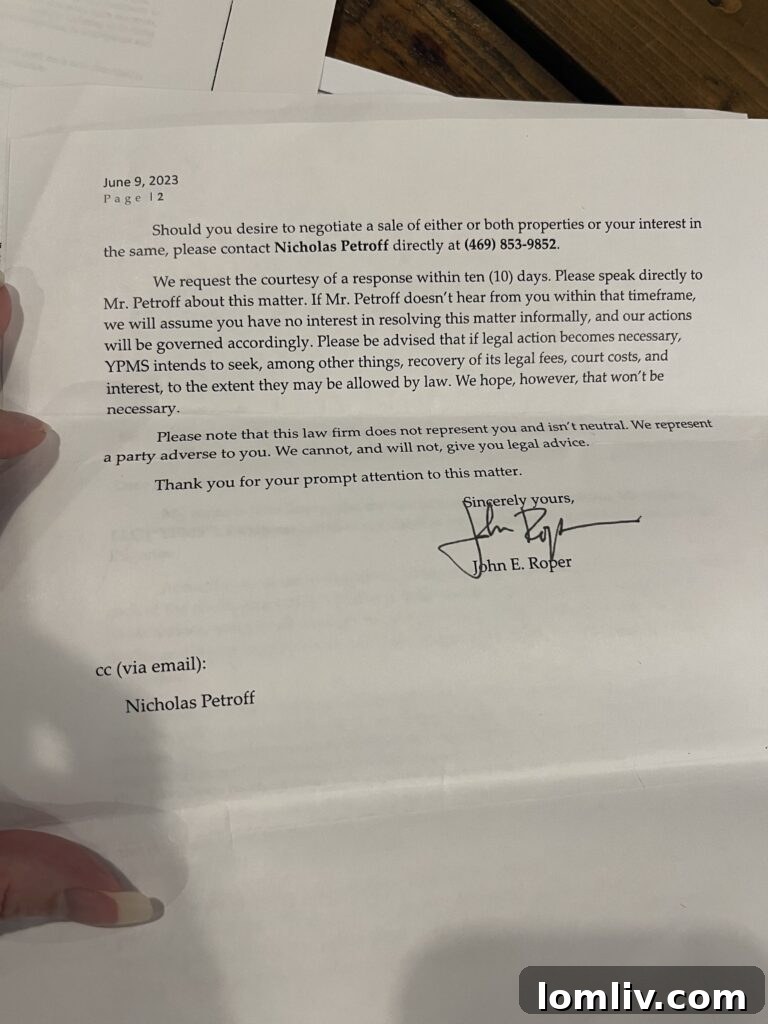
Your Problem My Solution, with offices on Canton Drive in Dallas, prominently advertises its ability to “turn your title into cash” with unparalleled speed and simplicity. This marketing message suggests a streamlined process for homeowners facing complex property issues, positioning the company as a swift and efficient solution provider. However, despite repeated attempts by daltxrealestate.com to contact Petroff via calls, emails, and text messages, he has remained unresponsive, casting a shadow of opacity over his operations and the specifics of his dealings with Woody Brodie Jr.
Petroff’s website boasts an impressive track record: 23 years of experience in real estate and over $20 million in completed deals. His online persona projects confidence and capability. “I can confidently say that I’m the problem-solver you’re looking for,” Petroff states on his site. He further claims, “When you’re facing little issues that put your project on hold or keep you from profits, my team and I have you covered. Property disputes, heir disputes, and even obstructive liens are a hassle that nobody wants to deal with. But I’m ready to take it off your hands and give you a simple solution to a complicated dilemma.”
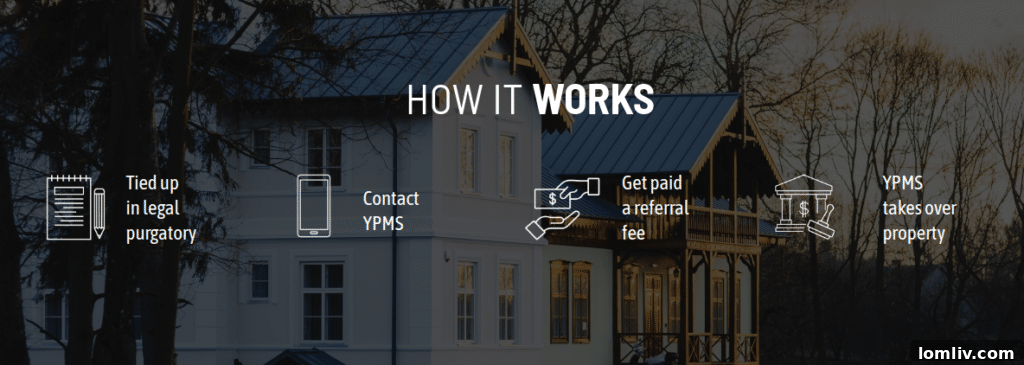
While Petroff positions himself as a resolver of complex dilemmas, in Woody Brodie Jr.’s case, the situation appears to be quite the opposite. According to documentation provided by Woody’s neighbor, Suzanne Felber, it seems Petroff may have offered a “simple solution” to Woody’s estranged brother, despite the brother allegedly not owning either property. This action has, in turn, created an exceedingly complicated and distressing dilemma for Woody, the rightful heir. This discrepancy underscores the critical need for a thorough legal review and highlights the potential for exploitative practices when dealing with vulnerable individuals and ambiguous property titles. It is also important to acknowledge that there might be further layers to this story yet unknown, which is precisely why the intervention of an experienced attorney like Matt Glenn becomes indispensable.
Community Solidarity and Legal Advocacy in South Edgefield
The collective strength and unwavering support of the South Edgefield community have become a cornerstone in Woody Brodie Jr.’s fight to protect his homes. It was on August 21st, the very day Woody’s compelling story first appeared on daltxrealestate.com, that attorney Matt Glenn stepped forward. During a detailed conversation, where the full background of Woody’s predicament was shared, Glenn—a neighbor well-versed in real estate law, corporate litigation, and general business transactions—graciously offered to take on the case pro bono. This act of community-minded legal advocacy provided a crucial turning point, signaling that Woody would not face these complex challenges alone.
“So there are some title issues,” Glenn acknowledged, articulating the core legal challenge. He then articulated a pragmatic approach: “What does he want? Maybe he wants to sell one of his homes. Ultimately, we need something from Woody. If we can get some information that he wants to sell one of the homes, we can just work on getting him a fair price.” This highlights the critical hurdle of discerning Woody’s wishes, given his communication challenges. As of the publication deadline, Glenn did not have a further update, indicating the ongoing nature and careful navigation required for the case.
Beyond legal representation, other forms of community and professional support have emerged. Mark Melton, the astute founder of the Dallas Eviction Advocacy Center, extended his expertise, offering to meticulously review the property records for Brodie’s homes on Nolte Drive. Melton’s observation—”We see this all the time”—underscores the pervasive issue of investors attempting to acquire properties from elderly and disabled individuals at prices significantly below market value. This pattern of exploitation is unfortunately a common challenge faced by vulnerable homeowners across Dallas and beyond.
Realtor Pamela Robison Mullins, associated with Dave Perry-Miller, further illuminated the broader socio-economic challenges at play. She explained to daltxrealestate.com that it’s a frequent predicament for Dallas residents who possess a deep desire to remain in their legacy family homes but find themselves financially unable to do so. This often forces them into difficult decisions regarding their most significant asset.
The City of Dallas, recognizing these challenges, offers a range of valuable assistance programs specifically designed to aid senior citizens and those on fixed incomes in repairing and maintaining their homes. In fact, this city support proved crucial for Woody Brodie Jr. previously, when his mother’s home on Nolte Drive suffered from a significant roof hole and multiple code violations. As recounted by neighbor Felber, the city intervened, rebuilding the home at almost no cost, demonstrating the impactful role public services can play in preserving affordable housing and ensuring resident safety.
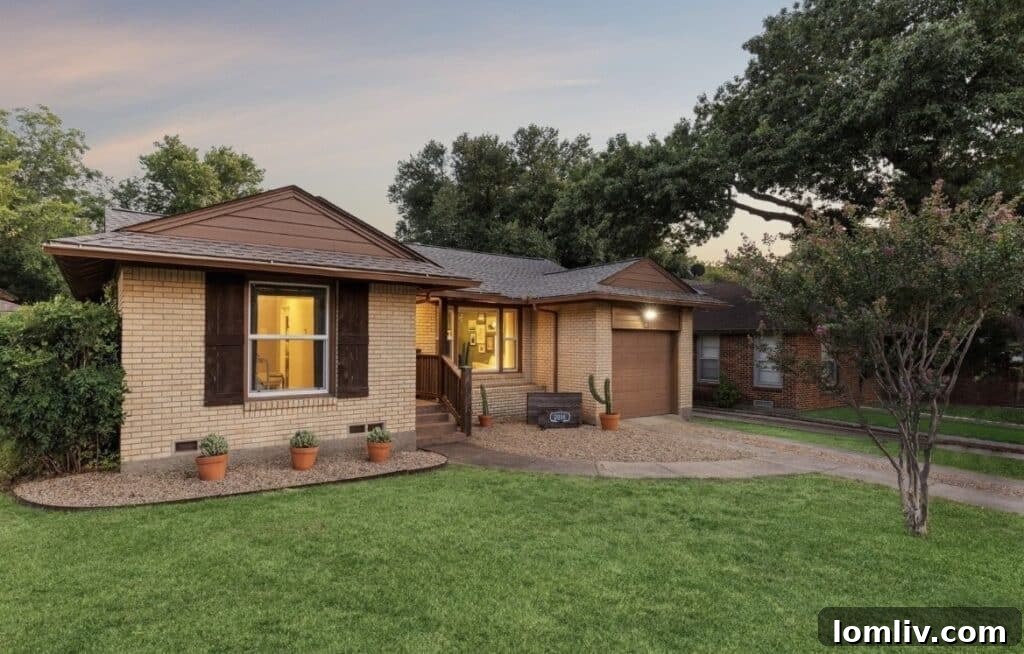
However, Brodie’s current predicament transcends mere property maintenance. It is fundamentally a complex legal matter involving the interpretation of a will, the legitimacy of a deed, and various other intricate legal documents. Neighbors attest that the homes he currently occupies on Nolte Drive are not only up to code but also meticulously maintained, dispelling any notion that the properties are distressed and justifying a low-ball offer based on their condition.
Mullins, while not directly involved in Woody’s case, expressed her willingness to connect him with her corporate attorney if he sought her assistance, emphasizing the boundaries of her role as a realtor. “We’re not allowed to give legal advice. That’s the best avenue I have to make sure he’s getting the correct information. I think the difficulty has been that he’s not verbal. I applaud those who are helping him.” Her comments underscore the importance of specialized legal counsel in such sensitive cases, especially when communication barriers exist.
Mullins is also keenly aware of the dynamic landscape of real estate investment in established neighborhoods, where investors frequently acquire homes with the intent to demolish and construct new, often larger, structures. While acknowledging that this isn’t inherently negative, as it can contribute to revitalization, she notes the rapid transformation occurring in specific areas.
Such development is particularly pervasive in the vicinity behind the Belmont Hotel and along Sylvan Avenue, near the site of the former Herrera’s Cafe. These areas, Mullins explained, have historically been home to lower-income residents, making them ripe for gentrification and significant property value increases. “Builders are coming in and buying those lots. They’re getting really good prices and they’re building three-story shotgun modern houses that go for like $570,000,” she observed. She recounted a personal experience: “I did an open house on Toronto [Street] and I had my husband go with me because I was a little nervous. Young people who can afford it are buying homes and making an investment for the future.” This trend, she believes, will dramatically alter the character of these neighborhoods within the next few years, driven by a growing desire among those who have previously lived downtown to own a house.
Woody Brodie Jr.’s case serves as a poignant reminder of the fine line between legitimate real estate investment and predatory practices that exploit vulnerability. It highlights the critical role of community solidarity, expert legal advocacy, and clear understanding of property rights in protecting legacy homeowners and preserving the unique character of Dallas’s historic neighborhoods. As the legal complexities unfold, the community remains hopeful that justice will prevail for Woody, allowing him to stay in the home he cherishes.
This comprehensive investigation is the second in a series dedicated to shedding light on pressing housing and development issues affecting the vibrant Elmwood and South Edgefield neighborhoods of Oak Cliff.