Navigating Dallas’s Urban Evolution: The Transwestern Preston Center Development Saga
Preston Center, a venerable and highly sought-after district in Dallas, finds itself at the nexus of urban growth and community preservation. For nearly two years, a significant real estate development proposal by Transwestern, targeting the prominent corner of Preston Road and Northwest Highway, has been a central topic of local discussion, drawing intense scrutiny from residents, city officials, and local media. This narrative explores the intricate journey of a project that exemplifies the challenges and compromises inherent in developing prime urban land in a rapidly expanding metropolis.
The Heart of the Matter: Density, Community, and the “Pink Wall”
The saga of Transwestern’s proposed luxury apartment complex began with ambitious plans that quickly ignited a formidable opposition among the homeowners residing in the vicinity, affectionately dubbed “Behind the Pink Wall.” Initially, Transwestern sought to acquire properties from the united owners of Townhouse Row and the Preston Center Apartments at this crucial intersection. Their initial proposal called for an ambitious 296 residential units, a number that sparked immediate and widespread alarm within the community. Residents, deeply concerned about the implications for their quality of life, rallied against what they perceived as excessive density, fearing increased traffic congestion, insufficient parking, and the potential strain on local infrastructure and services.
The core of the community’s apprehension revolved around several critical issues. Traffic on Preston Road and Northwest Highway is already notoriously heavy, and the prospect of hundreds of new residents was seen as a catalyst for gridlock. Parking, both for residents and their visitors, was another major concern, as was the potential for increased noise and the influx of delivery trucks and service personnel, altering the tranquil character of the surrounding single-family neighborhoods. Underlying these practical worries was a fundamental concern about the evolving identity of Preston Center – whether it would maintain its established charm or succumb to unbridled urbanization.
In response to this powerful community pushback, Transwestern embarked on a path of iterative revision and open dialogue. Over several months, and after numerous meetings, the developer significantly scaled back their proposals. The initial 296 units were first reduced to 220 and then, in the latest iteration, to 164. This significant reduction in proposed density stands in stark contrast to the 296 units initially envisioned, and even notably lower than the 125 units that could be built under existing zoning codes without any need for City Hall approval. This commitment to compromise underscored the developer’s recognition of the community’s profound influence and the necessity of achieving a consensus.
A Community Dialogue: Listening and Adapting
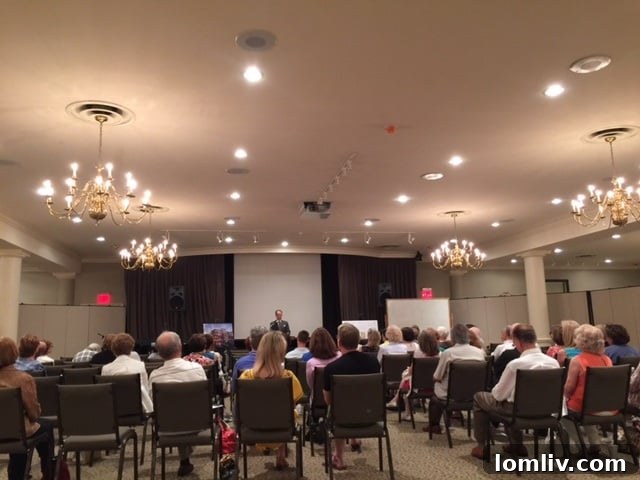
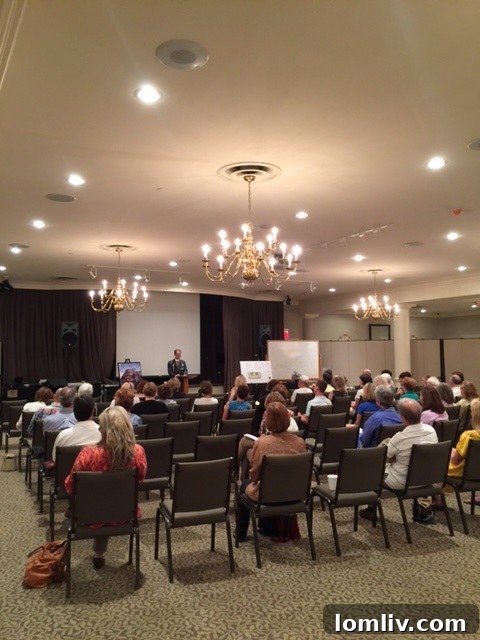
The culmination of these extensive negotiations and revisions was a pivotal community meeting held recently in the Fellowship Hall at Park Cities Baptist Church. Approximately 80 residents from the surrounding neighborhoods gathered to hear directly from Mark Cullwell and Bill Dahlstrom of Transwestern. Their presentation served as an announcement of a major shift: after nearly two years of persistent engagement, numerous meetings, and considerable media coverage, Transwestern had listened intently to the neighborhood’s concerns. Cullwell and Dahlstrom emphasized that their team understood the residents’ anxieties regarding density, traffic flow, parking availability, the impact of delivery services, and even the daily routines of apartment staff. They also acknowledged the market concern about the feasibility of leasing luxury apartments at $2,500 a month on a busy intersection, despite the historical presence of residential buildings there for over five decades.
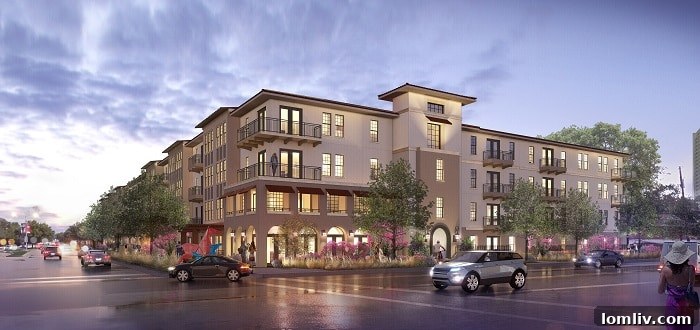
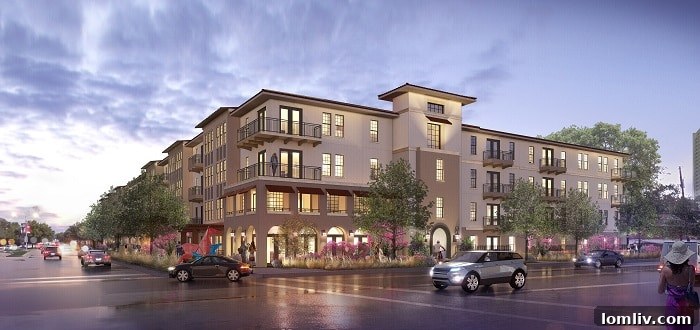
The meeting was a testament to the power of sustained community advocacy and the developer’s willingness to adapt. It marked a significant turning point from earlier, more contentious gatherings, signaling a potential path forward built on mutual understanding and compromise. The image of the proposed development, depicting a thoughtful integration into the existing urban fabric, helped visualize Transwestern’s revised vision.
Key Concessions and Community Benefits
Central to Transwestern’s revised proposal were concrete concessions designed to mitigate the development’s impact and offer tangible benefits to the surrounding community. John Pritchard, who heads the Preston Center Southeast Homeowners Association, meticulously outlined these commitments, which were presented as a reciprocal agreement: in exchange for the neighborhood’s support for a modest increase in density – primarily a single extra story and minor adjustments to setbacks – Transwestern pledged several key improvements:
- **Dedicated Turning Lane:** A dedicated turning lane would be constructed from Preston Road onto Averill Way, specifically aimed at alleviating traffic congestion and improving flow at the intersection.
- **Internalized Courtyards:** At the specific request of the neighbors, courtyards and communal spaces within the development would be strategically moved to the interior of the property, minimizing visual and auditory impact on adjacent residences.
- **Lower Northern Wing:** The northern wing of the property, which directly abuts the single-family homes on Del Norte, the first residential street to the north, would be limited to three stories. This lower profile is a direct response to concerns about building height encroaching on existing homes.
- **Comprehensive Parking Plan:** A detailed parking strategy was presented, specifying 1.91 parking spaces per unit for the south section (as agreed upon in draft Planned Development documents) and one space per bedroom on the north portion, aligning with Dallas city code. Furthermore, dedicated visitor parking would be provided to address guest and ancillary parking needs.
- **Commitment to Good Neighborliness:** Transwestern explicitly committed to operating as a “good neighbor,” implying a proactive approach to community relations and responsiveness to future concerns.
- **Construction Worker Transportation:** To minimize traffic and disruption during the construction phase, workers would be bused to the site, reducing the number of individual vehicles accessing the area.
These concessions highlight Transwestern’s significant efforts to address the community’s concerns directly, transforming a potentially contentious project into one with a more collaborative foundation.
Laura Miller’s Role and the Preston Center Task Force
A prominent figure in the Preston Center development discourse has been Laura Miller, a former Dallas Mayor and influential community activist. Miller’s involvement intensified last summer with the initial stirrings of residential development in Preston Center. Her presence has consistently focused on managing the inevitable growth in the area, stating she is not against development but seeks to ensure it is handled responsibly. It’s noteworthy that Miller and her husband own a unit in The Athena, one of the established high-rises on Northwest Highway, and reside over a mile away in a multi-million dollar home on Dentwood Drive, adding a layer of personal context to her advocacy.
Miller also cemented her influence by joining the Task Force Master Plan Study for Preston Center, an initiative she wryly refers to as the “Tsk Force,” alluding to its perceived slow pace and funding challenges. When City Plan Commissioner Margo Murphy suggested that the City Attorney might recommend the zoning change due to the Task Force’s lack of organization, Miller promptly rose to defend the group, affirming its active engagement in the planning process. Her presence at the recent Transwestern meeting was keenly observed, as her reactions often gauge the broader sentiment of influential community segments. While she did not explicitly endorse the project, her demeanor was notably different from past meetings, devoid of the strong opposition she had previously voiced. Later in the meeting, after several residents voiced support for Transwestern’s efforts, she initiated an informal, “unscientific” poll, ostensibly for the benefit of the Task Force.
Shifting Sentiments: A Glimmer of Consensus?
The informal poll conducted by Laura Miller revealed a surprising shift in community sentiment. She asked attendees to indicate their support for more four-story development along Northwest Highway. From the back of the room, it was evident that almost every hand went up, signaling a significant acceptance, if not outright endorsement, of Transwestern’s proposal for a four-story structure on part of the property. This was a notable departure from the staunch opposition seen in earlier stages of the development debate.
A resident then reminded Miller that Preston Center already hosted two high-rises, Preston Towers and The Athena (the latter being where Miller herself owns a unit). Building on this, Miller then posed a more provocative question: “How many people would support even higher development?” Remarkably, approximately 20 hands rose, and this time, there were no groans or expressions of discontent from the audience. This indicated a growing acknowledgment among residents that Dallas’s rapid growth necessitates vertical expansion, particularly in prime urban centers like Preston Center. Miller appeared to accept this evolving perspective, stating, “We would hope this is the ONLY case that the plan committee considers until the Task Force completes its study,” implicitly granting a conditional approval for Transwestern’s project to move forward, at least ahead of other potential developments.
The Economics of Development and Persistent Challenges
The prolonged negotiation process, stretching over nearly 24 months, has not been without its costs and frustrations. Mark Cullwell of Transwestern openly shared his view that such an extended timeline, filled with numerous hoops to jump through merely to gain an extra story, would “definitely be a deterrent to other developers.” This statement underscores the significant investment in time, resources, and negotiation capital required to bring complex urban projects to fruition in highly engaged communities.
Despite the prevailing sentiment of compromise, two distinctly negative voices emerged from the audience. One resident from Preston Tower mistakenly claimed that Transwestern’s drawings included retail components—a point quickly clarified as incorrect, given the area is zoned strictly residential. This individual also bafflingly brought up a historical attempt in the 1980s to relocate a fire station to Inwood Road, a tangent that left many scratching their heads. A more vociferous critic was identified as a former head of security at The Hockaday School, who, despite living in the area, staunchly opposed the zoning change. She provocatively demanded to know the financial gains Transwestern stood to make from the additional story and portrayed the sellers of the Townhouse Row properties as exploitative for seeking profit from their land. Cullwell calmly responded, explaining that the land value constituted only 15 to 18 percent of the project’s total capitalization, and later disclosed hard building costs at $175 per square foot, providing a glimpse into the financial realities of such large-scale developments.
John Pritchard, an agent with Virginia Cook and a key community liaison, offered a pragmatic perspective that resonated with many. He highlighted that the area is currently zoned for three-story multi-family residences. His warning was clear: if Transwestern’s meticulously negotiated deal collapses, another developer would likely step in, build within the existing three-story zoning, and potentially offer far fewer concessions or community benefits. The implication was stark: “They won’t have to be” good neighbors, as they would operate entirely within existing legal parameters, making Transwestern’s current offer a potentially unique opportunity for the community to shape its future.
A Historical Perspective: The Journey of Transwestern’s Proposal
The roots of Transwestern’s engagement with Preston Center trace back to 2014, when the developer first attempted to acquire the cluster of 12 1950s-era townhomes (Townhouse Row) and the Preston Center Apartments. This initial effort, aimed at constructing luxury apartments at the corner of Northwest Highway and Preston Road, quickly escalated into a high-profile community battle. Homeowners, notably, hired seasoned attorney P. Michael Jung to oppose the development, leading to intense scrutiny and political maneuvering, including the recusal of City Councilwoman Jennifer Staubach Gates due to a conflict of interest involving her husband’s firm, Jones Lang LaSalle. Despite the fierce opposition, Transwestern’s interest in this strategically significant corner never waned, even after the initial deal stalled. The developers wisely recognized the immense potential of this prime parcel of real estate.
After the initial setback, Transwestern strategically re-engaged, making a pivotal first call to Ashley Parks, a resident living at the intersection of Del Norte and Preston Road. This signaled a new, more community-centric approach. The developer went back to the drawing board, incorporating extensive neighborhood input to significantly scale down their plans. The current proposal represents a departure from the earlier all-encompassing project, now specifically requesting only one zoning change for approximately half of the property. This targeted approach demonstrates a clear effort to minimize impact and address localized concerns, proving that persistent dialogue can lead to more palatable solutions for complex urban development.
The Specifics of the Revised Plan
Transwestern’s current refined plan cleverly segments the property into two distinct tracts, each with a tailored development approach. The northern tract, positioned closest to the existing single-family homes like Ashley Park’s, is designed to be developed entirely within current zoning codes. This means no re-zoning is required for this section. Here, Transwestern intends to erect a three-story complex, meticulously incorporating a park buffer to create a respectful transition and green space adjacent to the single-family residences. This section will also feature a swimming pool and underground parking, generously providing approximately two cars per unit, exceeding typical requirements.
In contrast, the southern tract, located at the highly visible corner of Preston Road and Northwest Highway where the Preston Center Apartments currently stand, is the only portion requiring a zoning change. This will be the site of the four-story building, representing the highest density component of the project. The apartments within this complex are envisioned as large and luxurious, with the smallest units measuring a spacious 1,080 square feet and anticipated pricing around $2.50 per square foot. The average unit size is projected to be 1,400 square feet, predominantly featuring two to three bedrooms, catering to a discerning demographic seeking upscale urban living in a prime Dallas location. This thoughtful segmentation of the development reflects Transwestern’s commitment to balancing urban density with neighborhood compatibility.
Conclusion: A Precedent for Dallas’s Future
The Transwestern Preston Center development represents more than just a real estate project; it is a microcosm of Dallas’s ongoing urban evolution. With approximately 10,000 new residents moving to the city each month, the imperative for growth is undeniable. As one resident aptly put it, Preston Center is “ripe for developers,” signifying its strategic importance and untapped potential. The saga highlights the delicate balance between accommodating necessary urban expansion and preserving the unique character and quality of life within established communities. The nearly two-year journey, marked by spirited community engagement, developer responsiveness, and a shifting public sentiment, could set a significant precedent for future development projects across Dallas. It underscores that while growth is inevitable, its direction and impact can be shaped through persistent dialogue, strategic compromise, and a shared vision for a vibrant, livable city that grows not just outward, but thoughtfully upward.