North Texas Storm Recovery: Protecting Your Home from Contractor Scams After a Disaster
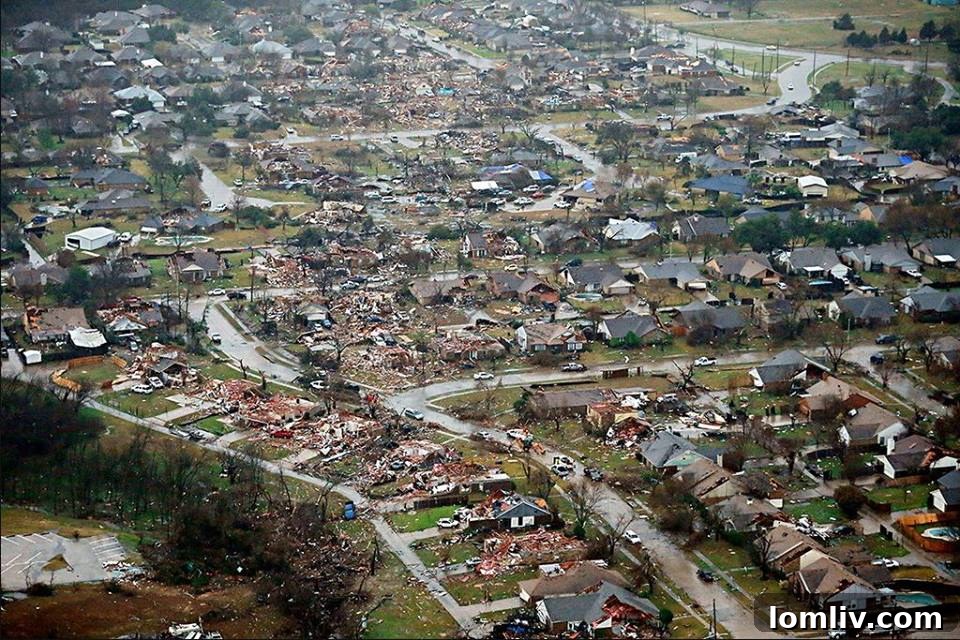
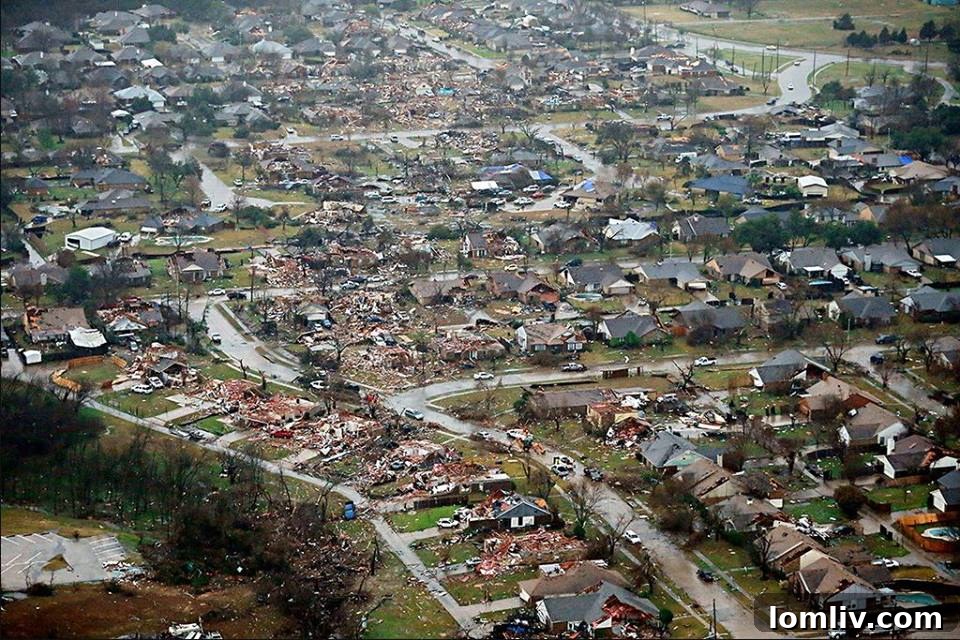
The aftermath of a severe storm leaves a path of physical devastation and emotional distress. For North Texas communities, particularly Rowlett, the memories of the EF-4 and EF-3 tornadoes that struck on December 26, 2015, serve as a stark reminder of nature’s formidable power. With hundreds of homes needing extensive repairs, the immediate challenge of rebuilding is often compounded by an insidious threat: opportunistic scam artists seeking to exploit vulnerable homeowners.
In the chaos and urgency that follow a natural disaster, residents are often desperate to restore their properties and lives. This vulnerability creates a fertile ground for unscrupulous contractors who promise quick, inexpensive fixes but deliver shoddy work or, worse, vanish with homeowners’ money. To combat this secondary wave of disaster, trusted organizations like the Dallas Builders Association (DBA) have stepped forward to provide essential guidance. Here at daltxrealestate.com, we are also committed to supporting our community with our “Hot Builders”—a select group of preferred home builders whom we vet, know, and trust for their integrity and quality workmanship.
The Post-Disaster Landscape: A Breeding Ground for Fraud
When homes are severely damaged, stress levels are high, and residents may not be in the best position to make critical decisions about repairs. This environment is precisely what “fly-by-night” contractors seek. These individuals or groups often arrive from out of state, or even emerge locally, with no intention of providing quality service. Their goal is simple: to swindle storm victims out of their limited resources, adding financial hardship to an already traumatic experience.
Dallas Builders Association Executive Officer Phil Crone highlights this critical issue, stating, “Losses due to fraud are one of the untold costs associated with disasters.” It’s not just about the monetary loss; it’s about the emotional toll, the delays in recovery, and the further damage to homes that could have been avoided. Protecting yourself and your property begins with recognizing the warning signs of a fraudulent contractor.
Essential Red Flags: Identifying and Avoiding Contractor Scams
The Dallas Builders Association urges storm victims to be vigilant and aware of specific red flags that indicate a contractor may be untrustworthy. By understanding these warning signs, you can arm yourself against potential scams and ensure your home repair project is handled by reputable professionals:
1. “No Contract Necessary” or Vague Agreements
- The Scam: A contractor assures you that a formal, written contract for the job “will not be necessary” or presents a very brief, unspecific agreement. They might claim it saves time or avoids bureaucracy.
- The Reality: For any significant home repair, a comprehensive, legally binding contract is indispensable. This document should meticulously detail the scope of work, materials to be used, project timeline, payment schedule, warranties, and a clear process for dispute resolution. Without a contract, you lose essential legal protection if the work is incomplete, substandard, or if the contractor abandons the job. Always insist on a detailed written contract before any work begins.
2. Demanding Full Upfront Payment or Cash-Only Transactions
- The Scam: The contractor pressures you to pay the entire project cost upfront, or insists on cash payments made directly to an individual salesperson rather than to a company account.
- The Reality: Legitimate contractors typically require an initial down payment, often ranging from 10-33% of the total cost, to cover initial material purchases and mobilization. Subsequent payments are usually tied to specific milestones or progress points during the project. Paying the full amount upfront eliminates any leverage you have if the work is not completed or performed poorly. Always make payments by check, credit card, or money order directly to the contracting company, ensuring a clear, verifiable transaction history.
3. Using Intimidation, Scare Tactics, or High-Pressure Sales
- The Scam: A contractor employs aggressive sales tactics, exaggerates the extent of the damage to instill fear, or threatens negative consequences if you don’t sign a contract immediately. They might claim your home is unsafe or that delays will lead to irreparable damage.
- The Reality: Reputable contractors understand the stress homeowners face after a disaster. They provide clear, factual assessments, offer transparent explanations, and allow ample time for you to review estimates, ask questions, and make informed decisions without coercion. Never feel pressured to sign a contract on the spot; always seek multiple bids and thoroughly research any company using such tactics.
4. Offering “Special Low Prices” for a Limited Time
- The Scam: You are informed that you qualify for an exclusive, “special low price” that is only valid if you commit and sign a contract right away.
- The Reality: This is a classic, manipulative sales strategy designed to bypass due diligence. While legitimate businesses may offer promotions, high-pressure “now or never” deals are highly suspicious, especially in a disaster recovery context where fair and consistent pricing should be the norm. Be wary of contractors who try to rush your decision-making process with such offers.
5. Lack of Verifiable References or Business Information
- The Scam: A contractor is unable or unwilling to provide a list of recent references from satisfied customers, or the references they do provide are untraceable or unresponsive. They might also lack a verifiable business address, proper licensing, or proof of insurance.
- The Reality: A trustworthy and professional contractor will gladly provide a list of past clients whom you can contact to assess their work quality and reliability. Always verify these references. Additionally, ensure the contractor provides proof of a valid business license, general liability insurance, and workers’ compensation insurance. Check with the Better Business Bureau, local licensing boards, and conduct thorough online searches for reviews and complaints. A physical, verifiable business address is a strong indicator of a legitimate operation.
6. Unsolicited Door-to-Door Sales or Inspections
- The Scam: Contractors appear at your door uninvited, especially shortly after a storm, offering free inspections or immediate repair services.
- The Reality: While some legitimate local businesses may canvass, extreme caution is warranted with unsolicited door-to-door sales. Many scammers target neighborhoods immediately after a disaster, claiming to have “noticed damage” you weren’t aware of. Always ask for proper identification, verify their company, and never allow anyone onto your roof or into your home for an inspection without scheduling an appointment and confirming their credentials.
The Dallas Builders Association: Your Ally in Safe Reconstruction
Navigating the complex landscape of post-disaster home repairs can be daunting, but you don’t have to do it alone. The Dallas Builders Association (DBA) is a cornerstone of the North Texas construction industry, established in 1944. As the trade association representing all segments of the residential building industry in the Dallas Metropolitan area, the DBA’s core mission is to empower its members to provide safe, affordable, and high-quality housing to local citizens.
Beyond its advocacy for the industry, the DBA plays a crucial role in consumer protection, particularly during challenging times like storm recovery. Their website, DallasBuilders.com, is an indispensable resource for North Texans. It features a dedicated section specifically designed to equip homeowners with the knowledge and tools needed to make informed decisions when selecting a contractor. This vital online resource provides:
- Comprehensive Tips for Selecting a Contractor: Guidance on how to vet potential builders thoroughly, including key considerations regarding their experience, credentials, and professional conduct.
- Essential Questions to Ask: A checklist of crucial questions to pose to prospective contractors, covering aspects like licensing, insurance, project experience, use of subcontractors, warranty provisions, and references.
- Relevant Texas Legislation: Information about state-specific consumer protection laws and regulations that homeowners should be aware of when entering into construction contracts.
- Search Link for Residential Construction Professionals: Access to a vetted directory of reputable residential construction professionals who are active members of the Dallas Builders Association, offering a trusted pool of experts for your rebuilding needs.
Furthermore, daltxrealestate.com enhances this support with our exclusive “Hot Builders” program. These are carefully chosen, preferred home builders who have undergone our rigorous vetting process, ensuring their commitment to quality, transparency, and customer satisfaction. We proudly stand by these professionals, confident in their ability to not only construct beautiful new homes but also to meticulously restore and rebuild existing properties with integrity.
Proactive Measures for a Secure and Efficient Recovery
Beyond recognizing red flags, homeowners can take several proactive steps to safeguard their interests and streamline the storm recovery process:
- Document All Damage Thoroughly: Before any cleanup or repairs, take extensive photos and videos of all damaged areas from various angles. This visual evidence is crucial for your insurance claims and as a record of the pre-repair condition.
- Contact Your Insurance Company Immediately: Notify your insurance provider as soon as possible. Understand your policy’s coverage limits, deductibles, and the specific claims process. They may also offer recommendations or advice on working with contractors.
- Obtain Multiple Written Estimates: Always get at least three detailed, itemized bids from different contractors. Ensure these estimates clearly break down labor, materials, and any potential unforeseen costs, allowing for direct comparison.
- Never Pay Your Deductible to a Contractor: Be highly suspicious of any contractor who offers to “waive your deductible” or absorb it into their costs. This practice is considered insurance fraud and is illegal in many states, including Texas. Your deductible is your responsibility to your insurance company.
- Maintain Meticulous Records: Keep a well-organized file—physical or digital—containing all contracts, invoices, payment receipts, communication logs (emails, dated call summaries), and photographs. This comprehensive paper trail is invaluable if any disputes or issues arise.
- Understand Permits and Local Building Codes: Major home repairs almost always require permits from your local city or county authorities. A reputable contractor will handle all necessary permits and ensure that all work adheres to current building codes and regulations. Never work with a contractor who suggests bypassing these legal requirements.
Rebuilding Stronger, Together
The journey to recovery after a natural disaster is undoubtedly challenging. However, by remaining informed, exercising caution, and leveraging the invaluable resources provided by trusted organizations like the Dallas Builders Association and daltxrealestate.com, homeowners in North Texas can navigate this complex period with greater confidence. Your home is one of your most significant investments, and protecting it from fraudulent practices is paramount. Take the time to choose wisely, empower yourself with knowledge, and contribute to rebuilding our communities not just to their former glory, but even stronger and more resilient for the future.