The United States housing market has been a whirlwind of activity and unprecedented shifts over the past few years, with late 2021 marking a particularly dynamic period. As the nation grappled with ongoing supply chain disruptions impacting home builders and the looming prospect of rising interest rates in 2022, a sense of urgency permeated the real estate landscape. This confluence of factors spurred an extraordinary rush among buyers, eager to secure an existing home before market conditions became even more challenging. The latest data from the National Association of Realtors (NAR) offered a clear snapshot of this accelerated activity, highlighting both the resilience of buyer demand and the deepening concerns around affordability and inventory scarcity. Understanding these intricate dynamics is crucial for anyone looking to navigate the complex waters of today’s real estate market, from first-time homebuyers to seasoned investors.
Unpacking the Surge in Existing Home Sales and Soaring Prices
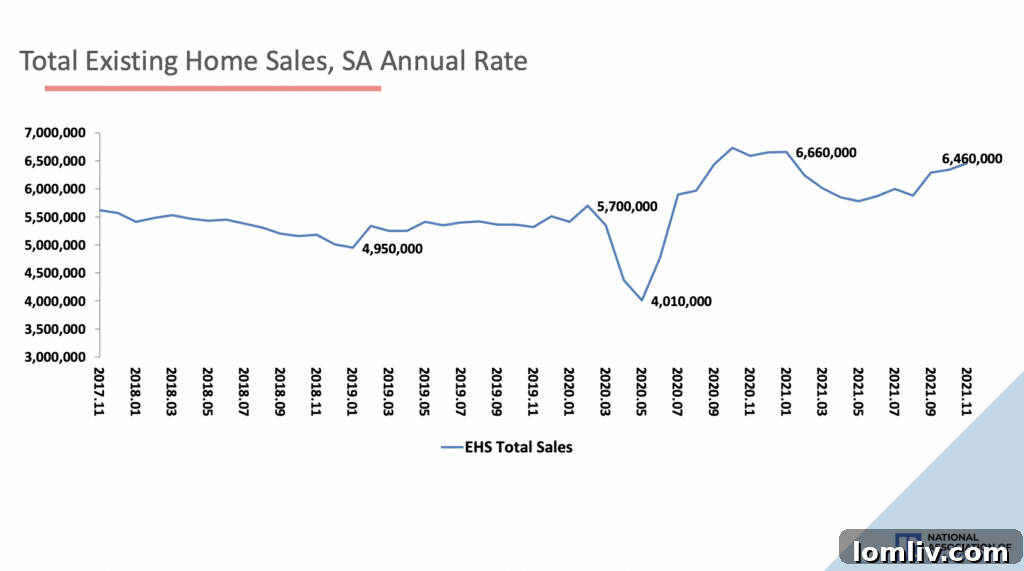
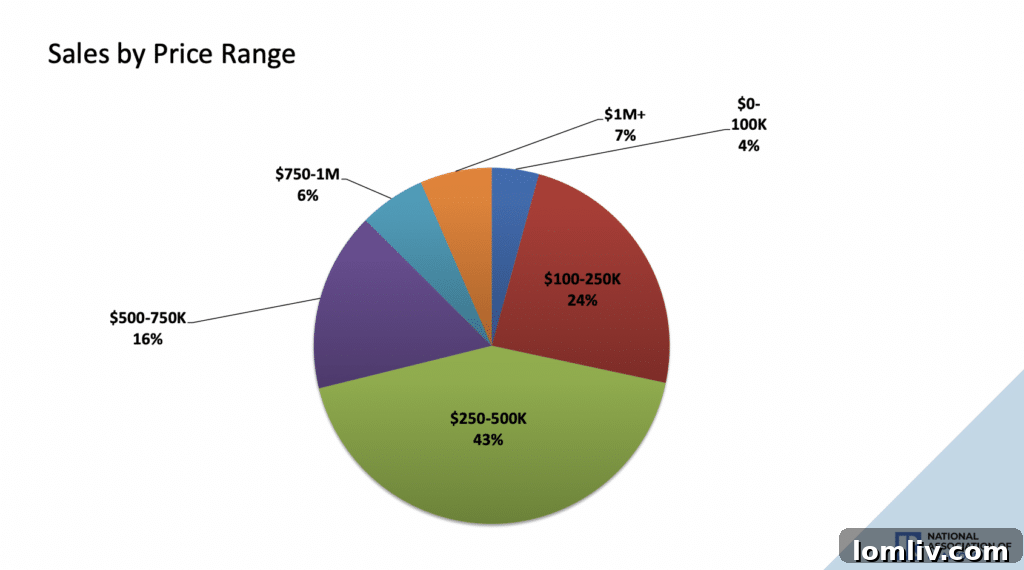
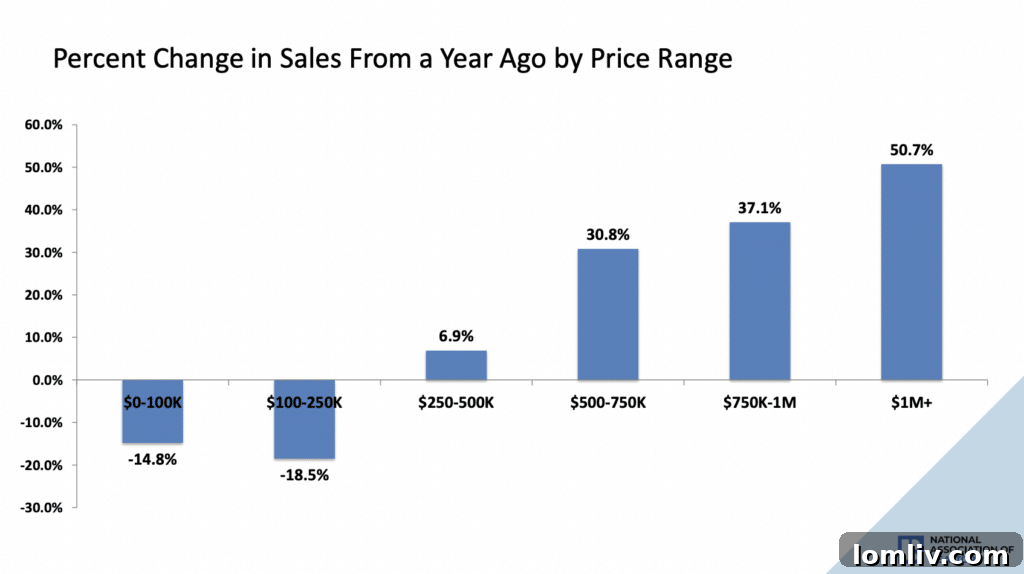
The statistics from NAR’s November existing home sales report revealed a significant uptick, with sales climbing by 1.9 percent from October to November 2021. This modest-sounding percentage translates into a substantial volume of transactions, reflecting a market where motivated buyers were making swift moves. This surge was not merely a random fluctuation; it was largely driven by a clear understanding that mortgage rates, which had remained historically low for an extended period, were on an inevitable upward trajectory. Many consumers, exhausted by rapidly escalating rental costs and seeking long-term financial stability, saw this window as their last best chance to lock in favorable financing terms.
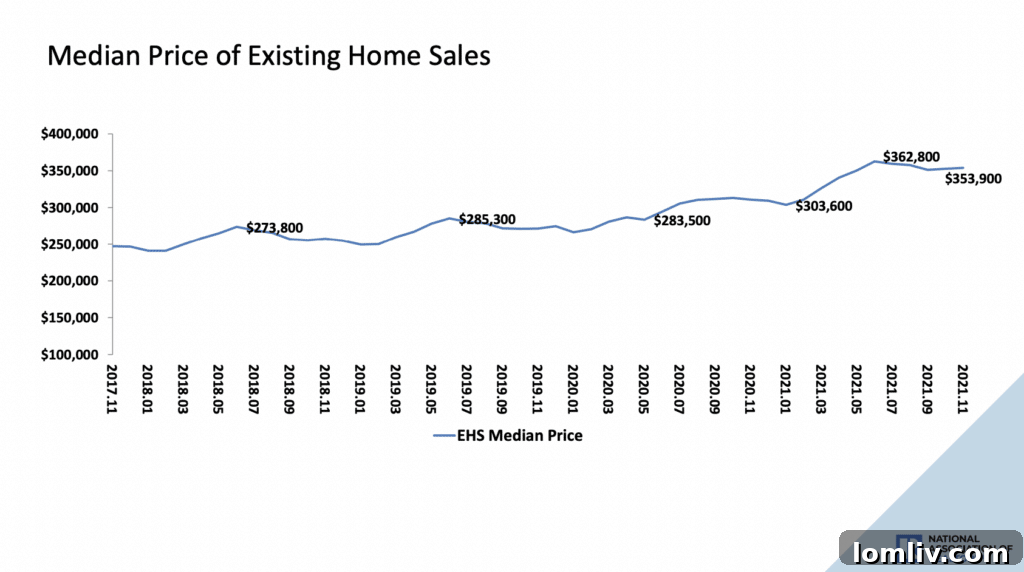
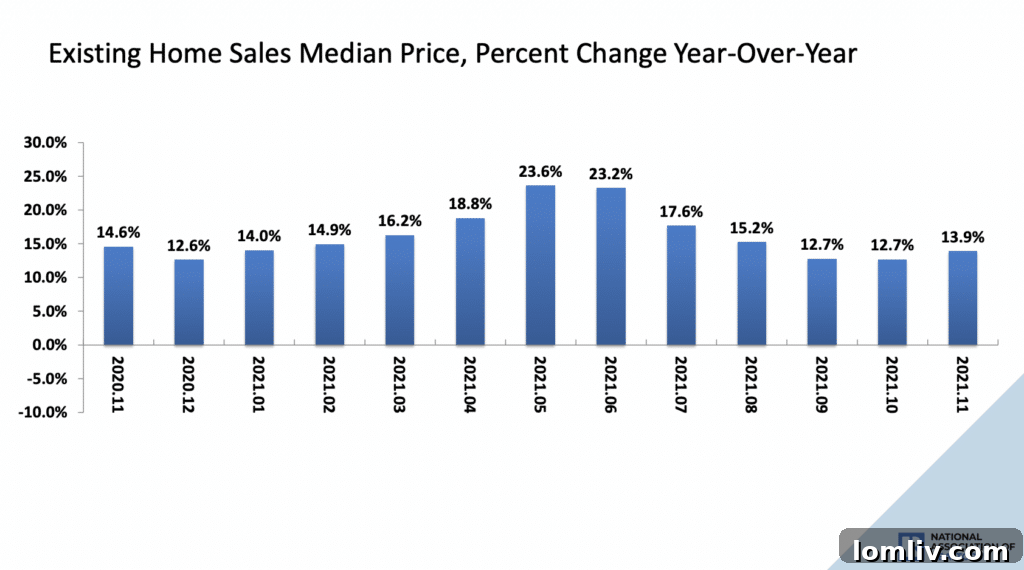
However, this increased buyer competition, coupled with a severely limited inventory of available homes, had a profound impact on prices. The median sales price for an existing home surged by an astounding 13.9 percent year-over-year. Such a sharp increase far outpaced wage growth for many Americans, raising significant concerns about long-term affordability. This aggressive price appreciation underscored a fundamental imbalance in the market: robust demand far outstripping the available supply. For sellers, it was an incredibly advantageous time, often leading to multiple offers and homes selling above asking price within days of listing. For buyers, particularly those entering the market for the first time, it meant facing intense bidding wars and stretching their budgets to unprecedented limits, highlighting the competitive nature of the market at the close of 2021.
Lawrence Yun, NAR’s chief economist, articulated this sentiment clearly: “Determined buyers were able to land housing before mortgage rates rise further in the coming months. Locking in a constant and firm mortgage payment motivated many consumers who grew weary of escalating rents over the last year.” His analysis points to the dual pressure points—rising rents and anticipated mortgage rate increases—that created a potent incentive for buyers to act decisively, even in a high-priced, low-inventory environment. This rush to secure a home effectively pulled forward demand from what might have been a slower market into an already overheated one, making the competition even fiercer.
The Alarming Rise in Rental Costs: Is Homeownership the Answer?
The discussion around homeownership cannot be separated from the parallel trend of skyrocketing rental prices across the nation. While many potential buyers struggled with the high cost of purchasing a home, those in the rental market faced their own set of daunting challenges. Apartment Guide recently released a comprehensive report detailing just how dramatically rents for one- and two-bedroom apartments had increased over the 12 months leading up to November 2021. The figures were striking: nationwide, rent prices for one-bedroom apartments soared by 21.3 percent, while two-bedroom units saw an increase of 16.7 percent during the same period.
These national trends were mirrored, and in some cases exacerbated, in specific metropolitan areas. In Dallas, for instance, the average monthly rent for a one-bedroom apartment reached $1,757, representing a significant 18.2 percent increase year-over-year. Just a short distance away in Fort Worth, a one-bedroom apartment would cost renters an average of $1,238 per month, an increase of 4.71 percent from November 2020. These figures reveal a market under immense pressure, where the cost of simply having a roof over one’s head was becoming increasingly burdensome for a vast segment of the population. For many, these escalating monthly rent payments began to look suspiciously similar to—or even higher than—what a potential mortgage payment might be, fueling a powerful incentive to consider homeownership despite the challenges.
This comparison between escalating rents and potential mortgage payments created a unique psychological and financial calculus for many households. The idea of locking in a stable, predictable monthly housing cost through a fixed-rate mortgage became incredibly appealing, especially when juxtaposed against the unpredictability of annual rent hikes. However, despite this strong motivation, the path to homeownership remained steep for many, particularly first-time buyers. Approximately 26 percent of all sales went to first-time buyers in November 2021. While a substantial figure, this represented a notable decrease from 29 percent in October of the same year and a more significant drop from 32 percent in November 2020. This decline suggests that even with the fierce desire to escape the rental trap, first-time buyers were increasingly squeezed out of the market by rising prices, intense competition, and the challenge of accumulating sufficient down payments. The dream of homeownership, while potent, was becoming harder to achieve for those just starting out.
Mortgage Rates on the Horizon: A Race Against Time for Buyers
The anticipation of rising mortgage rates played a pivotal role in shaping buyer behavior throughout late 2021. Historically low interest rates had been a primary driver of the housing boom, making homeownership more accessible and affordable for millions. However, as economic indicators pointed towards increasing inflation and a more hawkish stance from the Federal Reserve, it became clear that the era of ultra-low rates was drawing to a close. This realization created a powerful sense of urgency among potential homebuyers, many of whom opted to forgo the traditional holiday lull in real estate activity and instead dove headfirst into the market, determined to lock in favorable rates before they climbed higher.
NAR’s chief economist, Lawrence Yun, acknowledged this impending shift, affirming, “Mortgage rates are projected to jump in 2022; however, I don’t expect the imminent increase to be overly dramatic.” While his statement aimed to temper expectations of a sudden, drastic spike, it nonetheless signaled a definitive end to the historically low rates seen during the pandemic. Yun’s forecast predicted that the 30-year fixed mortgage rate would average at 3.7 percent by the end of 2022. For context, this represented a significant jump from the rates observed in late 2021, which often hovered in the low 3s or even high 2s for well-qualified buyers. Even a seemingly modest increase of half a percentage point or more can translate into hundreds of dollars added to a monthly mortgage payment, significantly impacting affordability, especially for those at the margins.
The impending rise in mortgage rates meant that every basis point counted, transforming the buying process into a time-sensitive endeavor. For many, locking in a rate was not just about saving money, but about ensuring that their dream of homeownership remained financially viable. This rush to finalize purchases before rate hikes solidified contributed to the intense demand observed in the existing home market. It also underscored a crucial lesson for prospective buyers: understanding macroeconomic trends and acting strategically can have a substantial impact on the long-term cost and feasibility of a home purchase. As rates continue their upward creep, the emphasis on proactive financial planning and rapid decision-making will only intensify, shaping the landscape of the housing market for the foreseeable future.
The Bottleneck of New Home Construction: Supply Chain and Labor Woes
While the existing home market experienced unprecedented demand, the new home construction sector faced a different, yet equally impactful, set of challenges throughout 2021. Many people looked to new construction as a potential solution to the severe inventory shortage, hoping for a fresh supply of homes to alleviate market pressures. However, home builders were plagued by a persistent combination of building material shortages, soaring lumber costs, and a critical scarcity of labor. These hurdles wreaked havoc on construction timelines and budgets, significantly impeding the ability to bring new homes to market at the pace needed to meet demand.
The global supply chain disruptions, exacerbated by the pandemic, meant that essential building materials—from windows and appliances to electrical components and even paint—were either unavailable, severely delayed, or drastically more expensive. Lumber, a foundational material for most new homes, saw its prices fluctuate wildly, at times reaching record highs, directly impacting the final cost of construction. Lawrence Yun highlighted this issue, stating, “Supply-chain disruptions for building new homes and labor shortages have hindered bringing more inventory to the market. Therefore, housing prices continue to march higher due to the near-record-low supply levels.” His comments underscore the direct link between the struggles of the new construction sector and the escalating prices in the broader housing market.
Beyond material shortages, the construction industry also contended with a persistent labor shortage. A long-term trend of fewer skilled tradespeople entering the workforce, combined with pandemic-related shifts and labor mobility issues, meant that even when materials were available, there weren’t enough workers to complete projects efficiently. This bottleneck in new construction has had far-reaching implications. It not only means fewer new homes are being built, but those that are built often take longer to complete and come with a higher price tag. This lack of new inventory further intensified competition for existing homes, perpetuating the cycle of rising prices and limited options for buyers. Addressing these deep-seated issues in the construction industry is paramount for any sustainable long-term solution to the nation’s housing crisis.
Navigating the Future: Industry Insights and Advocacy Efforts
As 2021 drew to a close, the real estate industry, represented by organizations like the National Association of Realtors (NAR), recognized the complex challenges ahead. While there was much to celebrate in terms of market activity and the enduring value of homeownership, there was also a clear understanding that significant work remained to be done to ensure a healthy and equitable housing market for all. Leslie Rouda Smith, NAR President and an associate broker at Dave Perry-Miller Real Estate, articulated this dual perspective, stating, “As the year comes to an end, NAR is very proud of the work we’ve done to protect homeownership and the valuable investments made in our communities and infrastructure.” This acknowledges the foundational role of real estate in wealth building and community development.
However, Rouda Smith also emphasized the need for continued vigilance and advocacy. “We recognize that further efforts are needed and will continue to promote Fair Housing, work to increase the housing shortage, and fight to dismantle discriminatory housing laws and outdated policies.” This commitment highlights several critical areas for future focus. Promoting Fair Housing means actively working to eliminate discrimination in housing, ensuring that everyone has an equal opportunity to rent or buy a home regardless of race, religion, sex, national origin, familial status, or disability. The phrase “work to increase the housing shortage” likely intends to convey “work to increase housing supply” or “work to alleviate the housing shortage,” by advocating for policies that support new construction and reduce barriers to development. This could include advocating for streamlined permitting processes, zoning reforms, and investment in infrastructure necessary for new communities.
Furthermore, the pledge to “fight to dismantle discriminatory housing laws and outdated policies” underscores an ongoing effort to address historical inequities that have shaped access to housing for various communities. This involves reviewing and challenging regulations that may inadvertently create barriers or perpetuate discriminatory practices. Such advocacy efforts are crucial not only for addressing the immediate challenges of inventory and affordability but also for building a more inclusive and resilient housing market for generations to come. The proactive stance of industry leaders in recognizing and addressing these systemic issues will be vital in shaping the trajectory of the real estate landscape in the coming years.
Conclusion: Preparing for the Evolving Housing Market
The housing market at the end of 2021 presented a paradox of robust demand coupled with severe constraints. Existing home sales soared, driven by motivated buyers eager to lock in historically low mortgage rates amidst rapidly rising rents. This intense competition, however, came at a significant cost, pushing median home prices to record highs and increasingly sidelining first-time homebuyers. Simultaneously, the promise of new construction as a market stabilizer was hampered by persistent supply chain disruptions and critical labor shortages, preventing a much-needed increase in housing inventory.
As we look ahead, the real estate landscape is poised for further evolution. The forecast for rising mortgage rates in 2022 suggests that the urgency felt by buyers in late 2021 will gradually give way to a more measured market, albeit one that remains challenged by fundamental issues of supply and affordability. Industry leaders are actively engaged in advocacy, striving to expand housing options, promote equitable access, and dismantle discriminatory barriers that have historically shaped the market. For individuals, understanding these multifaceted trends is more crucial than ever. Whether you are a prospective homeowner, a current property owner, or simply an observer of economic shifts, staying informed about the interplay of supply, demand, interest rates, and policy changes will be key to navigating the dynamic and ever-evolving real estate market effectively.