The Dallas-Fort Worth (DFW) metropolitan area continues to experience a sizzling hot homebuilding market, where innovation and design take center stage. As a new year unfolds, so do exciting new trends that redefine modern living. While the fascinating concept of the ‘skullery’ has already captured attention, there’s much more on the horizon, promising to reshape homes and lifestyles across North Texas.
To provide an exclusive glimpse into the future of residential design, we’ve gathered insights from the region’s most visionary homebuilders. These experts, with their fingers on the pulse of buyer preferences and architectural advancements, have peered into their crystal balls to share their predictions for homebuilding trends in 2015. Their foresight, coupled with stunning photographic examples from their own exceptional projects, offers an invaluable guide for anyone interested in the evolving landscape of DFW luxury real estate. Prepare to explore the cutting-edge concepts that are setting the standard for contemporary homes.
1. The Rise of Home Automation and Smart Living
In 2015, the integration of advanced technology is no longer a luxury but a fundamental expectation in home design. This trend, consistently highlighted by our builders, signals a profound shift towards truly “smart” homes that offer unparalleled convenience, security, and efficiency. Homeowners are increasingly seeking seamless control over their living environments, desiring the ability to manage various systems with the simple tap of a finger on their smartphone or tablet.
Les Owens, President of LRO Residential, emphatically notes this growing demand: “Everyone wants to control their house from their iPhone.” He foresees a rapid evolution, particularly with wireless connectivity: “There is a whole new wave of Wi-Fi-controlled door locks coming out; it will not be long until every new home has all exterior locks on Wi-Fi and controlled by phone, or interior home controls.” Buyers are eager to command their thermostat settings, lighting scenes, pool equipment, sophisticated security systems, surveillance cameras, modern appliances, and garage doors remotely. The potential for expanded capabilities seems limitless, and builders predict that home automation will continue its upward trajectory, becoming more sophisticated and intuitive.
Mark Danuser, President and Owner of Tatum Brown Custom Homes, echoes this sentiment, emphasizing the practical benefits. “Integrating technology throughout the home is making modern life easier, like [building] charging stations, being able to control everything from one place, and while you’re on-the-go.” Danuser expresses particular excitement about the future: “I’m personally excited about how smarter technology is going to evolve the home building, especially in regard to better energy efficiency and connectivity.” This comprehensive control not only enhances comfort and security but also contributes significantly to energy savings and an overall more connected living experience, making smart home features a key selling point in the competitive DFW market.
2. Grand and Luxurious Outdoor Living Spaces
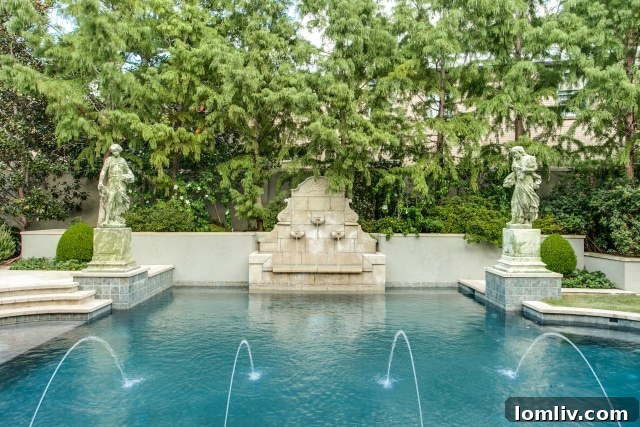
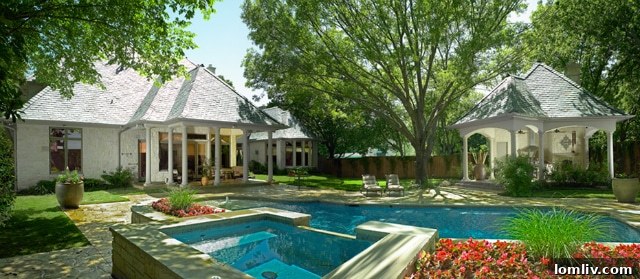
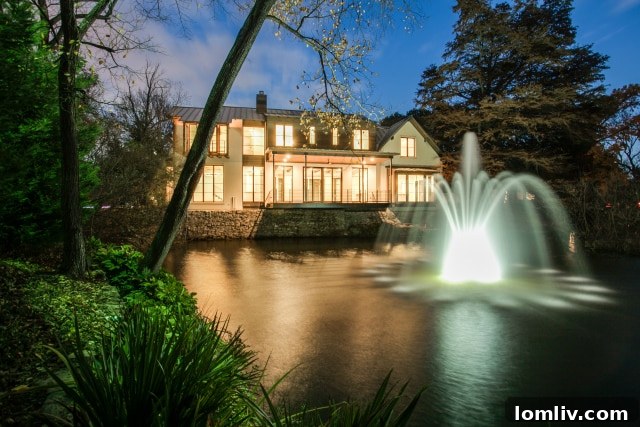
The allure of the outdoors continues to captivate homeowners, with demand remaining exceptionally high in 2015 for expansive, awe-inspiring outdoor living spaces. These areas are no longer mere additions but integral extensions of the home, designed to impress and offer a complete lifestyle experience. Buyers in DFW are actively seeking properties that provide a luxurious escape right in their own backyard, equipped with amenities that rival upscale resorts.
Kyle Belew, Founder & President of Veranda Fine Homes, provides a perfect illustration of this trend. “We recently finished a project that has an 800-square-foot outdoor loggia, and an almost 1000-square-foot courtyard,” he explains. The design incorporated thoughtful details to maximize utility and enjoyment: “We added a pool bath to this loggia, separated from the main house entirely, which the homeowners absolutely love, as well as a fireplace with a raised hearth, and an outdoor kitchen with a separate eating area and sitting area.” This comprehensive approach creates a self-sufficient outdoor oasis, perfect for entertaining or serene relaxation.
The desire for generous outdoor plots is further underscored by market data. A September 2014 Design Amenities Survey conducted for Starside Custom Builders revealed that a remarkable 90 percent of surveyed realtors, architects, and builders favored estate-sized lots. This preference is particularly strong in Texas, with one commentator noting that major corporate relocations, such as Toyota, State Farm, and FedEx, are bringing new residents to the state who are specifically looking for larger properties. Saad Chehabi, President and CEO of S&R Development, confirms this trend, stating, “We are seeing more demand for exceptional, contemporary backyards.” He adds, “My favorite trend has to be a smaller, energy-efficient home with a larger, over-the-top backyard,” highlighting a desire for balance between efficient indoor living and extravagant outdoor indulgence.
3. Seamless Integration Between Indoor and Outdoor Spaces
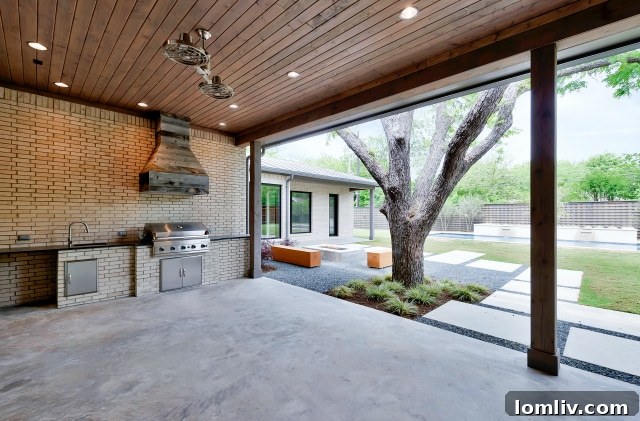
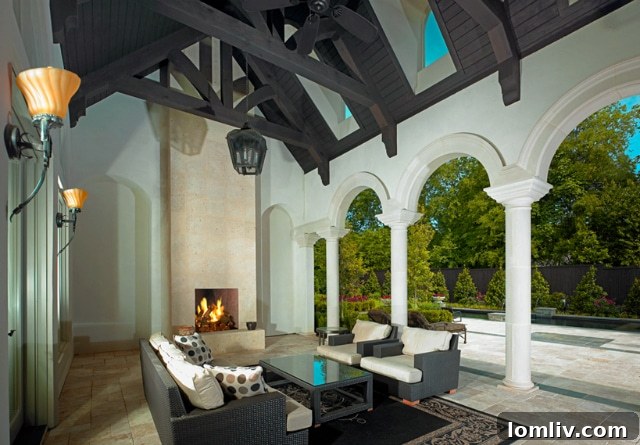
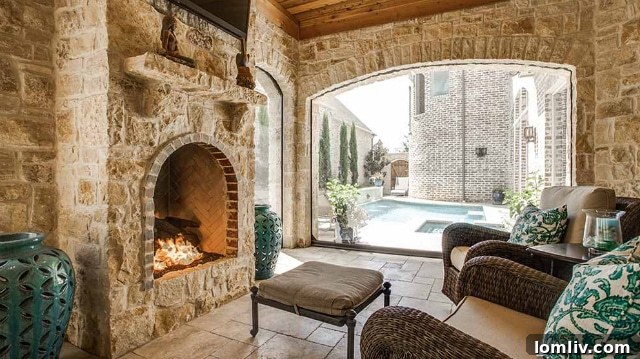
Building on the desire for luxurious outdoor spaces, homeowners in 2015 are demanding seamless transitions that effortlessly blend indoor and outdoor living. When a property boasts an exquisite backyard, a stylish loggia, or an inviting pergola, the expectation is for easy access and unobstructed views from within the home. This trend reflects a lifestyle choice where the boundaries between inside and out are increasingly blurred, creating a more expansive and natural living environment.
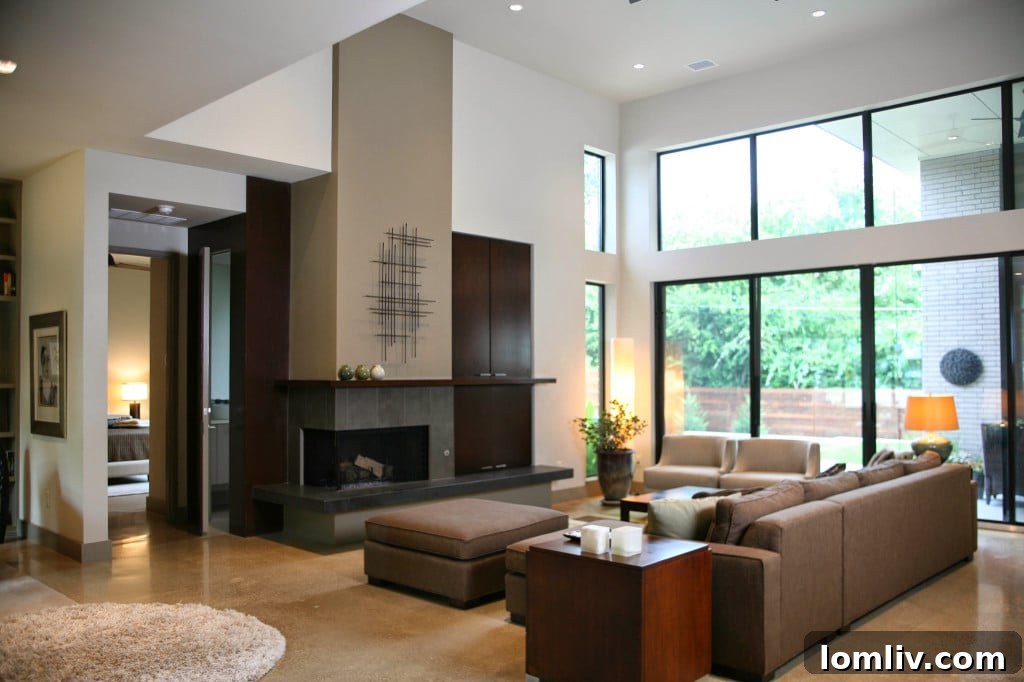
Tom Greico, Designer and Builder at Greico Modern Homes, observes this directly in client requests. “I see a continuing demand for homes that the living areas open onto the exterior spaces,” he states. Greico’s clients are particularly drawn to modern designs that emphasize openness and connectivity: “Our clients are wanting modern-style homes that feature multipurpose spaces with large expanses of glass and seamless access to the exterior.” This design philosophy prioritizes natural light and a constant visual connection to the landscape.
Further enhancing this indoor-outdoor fluidity, Les Owens predicts a rise in practical solutions like screened-in porches and motorized screens. These features allow homeowners to enjoy the fresh air and views without the inconvenience of insects, evolving the connection between these living spaces. Michael Turner, Owner of Classic Urban Homes, highlights innovative architectural elements that underscore this trend. “We have many examples of exterior walls continuing into the inside of the home,” he notes, illustrating how physical structures themselves contribute to a cohesive design. The sustained popularity of outdoor living spaces makes connecting all living areas a paramount consideration, ensuring that every part of the home feels integrated and purposeful.
4. Expansive and Bright Open-Concept Rooms with Large Windows
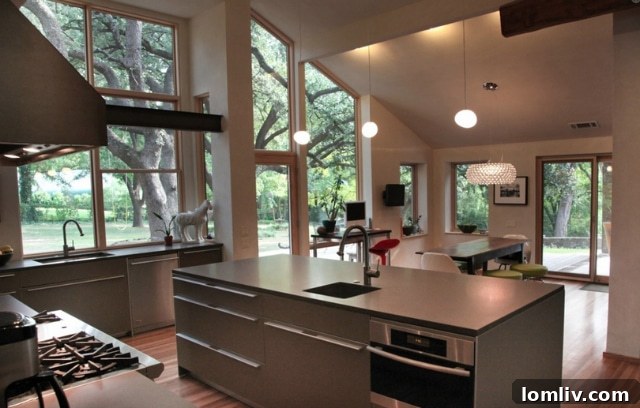
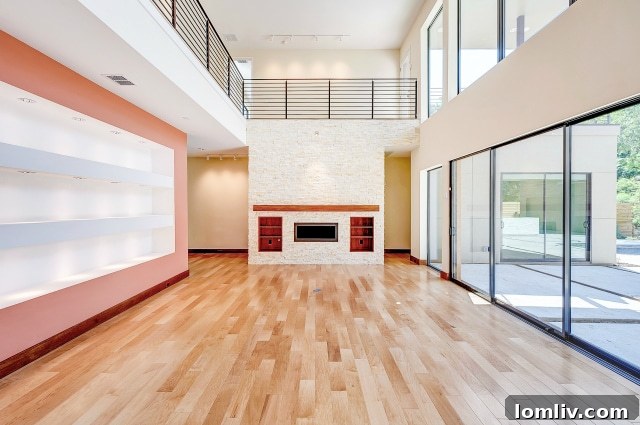
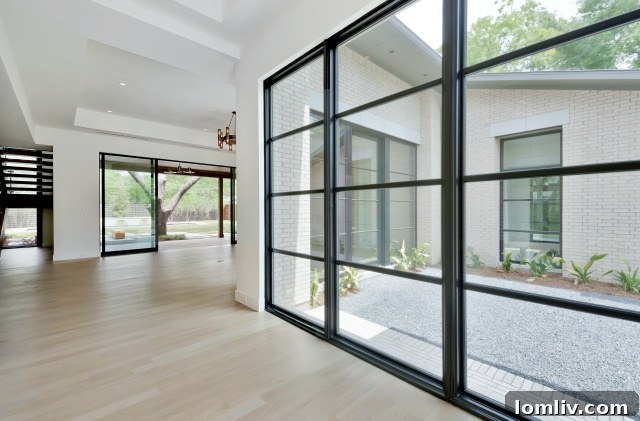
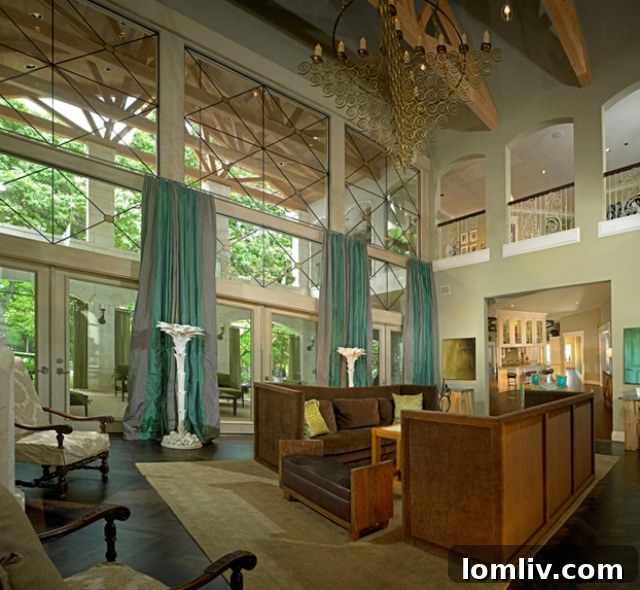
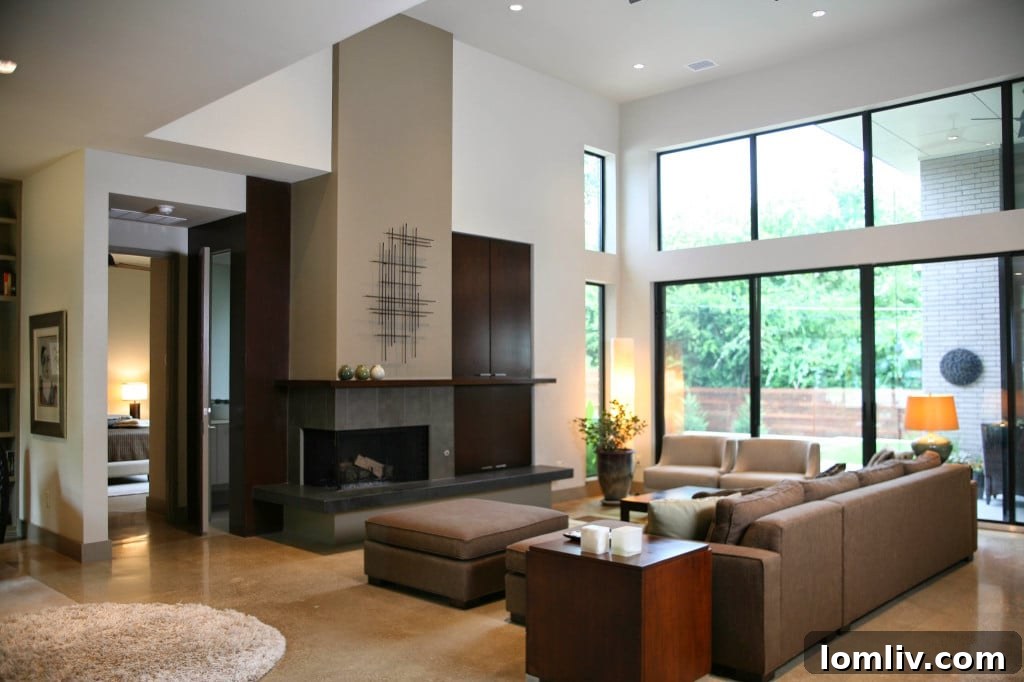
The demand for bright, open floorplans continues unabated in 2015, with homeowners actively seeking interiors characterized by abundant natural light and a sense of spaciousness. Our builders confirm that design elements like walls of windows and sophisticated modern lighting are key components in achieving this desired aesthetic. This trend is deeply intertwined with the previous points, as large windows facilitate both clear views to the outdoors and a seamless connection between interior and exterior environments.
Michael Turner highlights the fundamental desire behind this trend: “Clients are wanting clear and unobstructed views to the outdoors.” This natural desire for visual connectivity reinforces the importance of expansive glass in contemporary home design. Such elements not only enhance the aesthetic appeal but also contribute to a sense of well-being, bringing the calming influence of natural light and views indoors.
Mark Danuser further elaborates on the evolution of window design. “Floor-to-ceiling windows and doors have been ongoing trends that we see continuing,” he notes, indicating their enduring popularity. He also points to an exciting development: “Now we’re seeing curtain wall systems that typically you’d only see in more ultra-modern or commercial settings used in homes that are more soft contemporary or transitional.” This adaptation of commercial-grade glazing technology for residential use signifies a desire for maximum light penetration and architectural drama. Complementing these natural light sources, the article emphasizes the growing demand for LED lighting. Builders note that LED technology has matured significantly, now offering an unprecedented variety of options and sizes, allowing for tailored, energy-efficient illumination that enhances the bright and open aesthetic while reducing long-term energy costs.
5. The Allure of ‘Warmly Contemporary’ Architecture
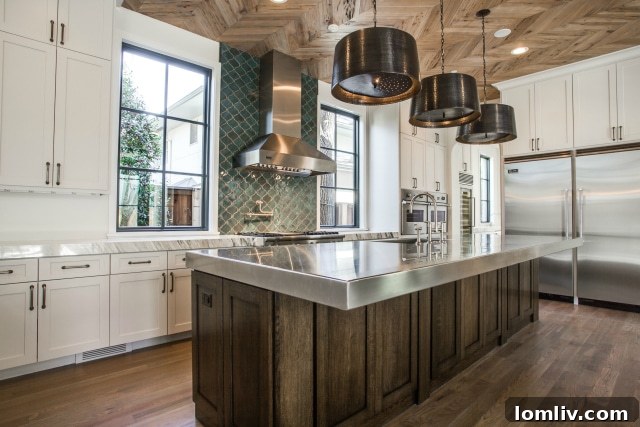
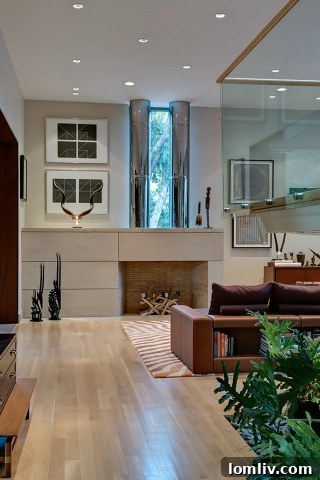
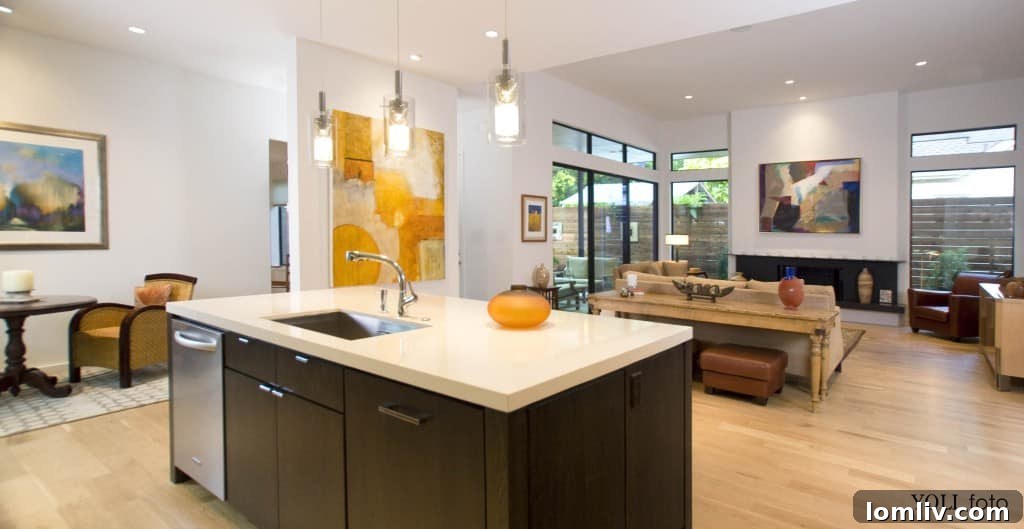
The era of stark, sterile modernity in home design is giving way to a more inviting aesthetic: ‘warmly contemporary’ architecture. Our builders report a colossal demand for modern architecture, but with a crucial distinction – clients are seeking designs that are clean and open, yet infused with warmth, character, and an abundance of natural materials and textures. This sophisticated blend offers the best of both worlds: minimalist elegance combined with comforting livability.
Les Owens observes this shift even in traditional homes. “Everyone wants a little contemporary feel in their homes, from plumbing fixtures to lighting—even traditional homes have taken on a clean line feel,” he states. He further elaborates on a refinement in taste: “I am seeing people start to push back from some of the more transitional/contemporary features and instead want a clean-lined, but very warm and livable home.” This indicates a preference for enduring design over fleeting trends.
Marc Kleinmann, President of Bauhaus Custom Homes, pinpoints the genesis of this movement: “The demand for modern houses in Dallas started about two years ago, and will be a major trend in 2015.” Michael Turner reinforces this, noting, “Modern architecture is gaining steam and many more modern homes are going up around town than ever before.” He concisely summarizes the change in preference: “I think ‘Olde World’ is out and people want something new and different and much cleaner in design.”
This warmly contemporary trend extends to interior elements and exterior material palettes. Mark Danuser highlights a fascinating migration of materials: “We are seeing clients migrate toward using typically exterior materials inside the home, like marble walls, steel accents, and brick or stone.” This blurs conventional design boundaries. On exteriors, there’s an adventurous spirit: “Overall, there’s been a change in the way people think about exterior features, like the use of copper or zinc paneling on the exterior and a blending of different materials, like wood, stone, plaster, and paint. People aren’t afraid to mix it up,” says Danuser. This willingness to experiment with diverse, natural materials creates homes that are both visually dynamic and intrinsically inviting.
6. Prioritizing Green and Sustainable Home Elements
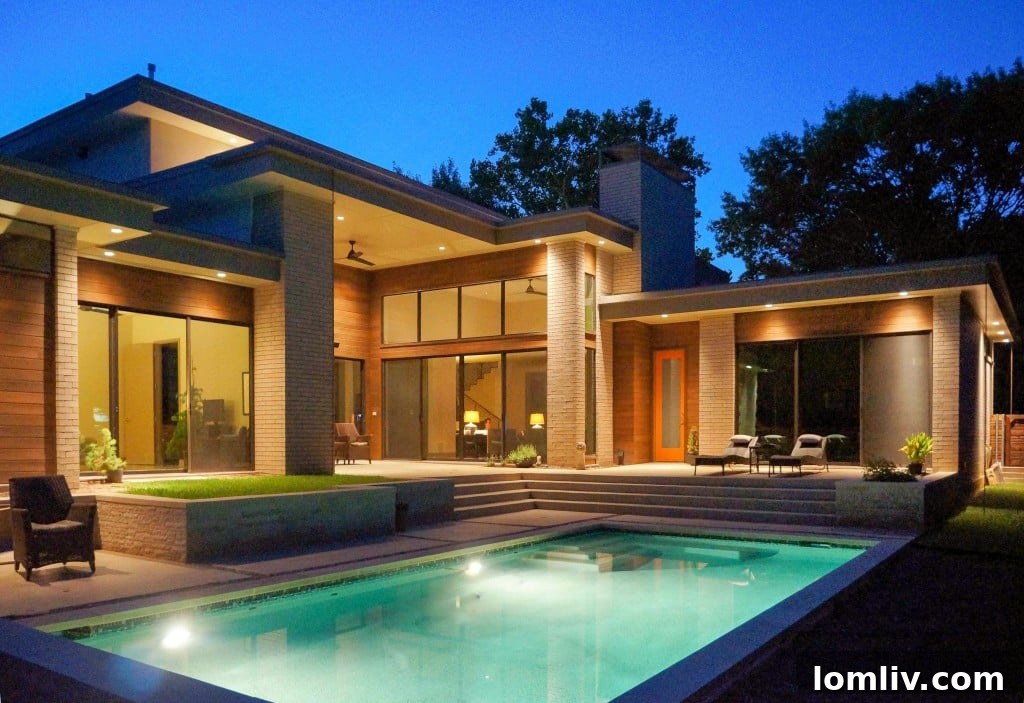
Environmentally friendly homebuilding is evolving beyond a niche concern to a standard practice, driven by both a sense of social responsibility and the tangible benefits of reduced energy costs. In 2015, expect a pronounced surge in demand for green elements that enhance sustainability and offer long-term financial savings to homeowners. These include advanced insulation techniques, efficient water heating systems, and high-performance climate control.
Specific features garnering significant attention include foam spray insulation, which provides superior thermal envelopes, and tankless water heaters, offering on-demand hot water with minimal energy waste. Air conditioning units with higher Seasonal Energy Efficiency Ratios (SEER-16 and up), often featuring variable speeds, are also increasingly sought after for their ability to maintain consistent temperatures efficiently. Marc Kleinmann of Bauhaus Custom Homes notes this shift: “The last few years, we have seen a significant shift in it being the standard rather than the variance.” He expresses optimism for the future, adding, “I am optimistic it will become the norm for our industry.”
Builders are also observing a trend toward smaller, more thoughtfully designed homes, which inherently consume less energy than their larger counterparts. Michael Turner advocates for this efficiency: “I think we still overbuild, I would like to see people build smaller, more efficient homes—I think they would find they could live in them their entire life.” He shares a recent success: “We just completed a new home for a couple in the ‘Bird Streets.’ It was just under 2,500 square feet and a one story and we got a ton of interest in this home while it was under construction.” This demonstrates a strong market appetite for compact, well-designed living spaces.
Kyle Belew has been a proponent of smaller, smarter spaces for years, even recommending Sarah Susanka’s influential book, The Not So Big House, to his clients. “I love this book and am still passing it out to each new customer, which is always a huge help when going through the architecture process,” he says. Additionally, Tom Greico is receiving more requests for solar panels, which are a natural fit for his flat-roofed modern homes, further cementing the move towards energy independence. He predicts, “I see an acceptance and availability of cost-effective systems that employ the sun to generate power, making the home almost self-sufficient,” signaling a future where homes actively produce their own energy.
7. Multi-Functional Rooms for Efficient Living
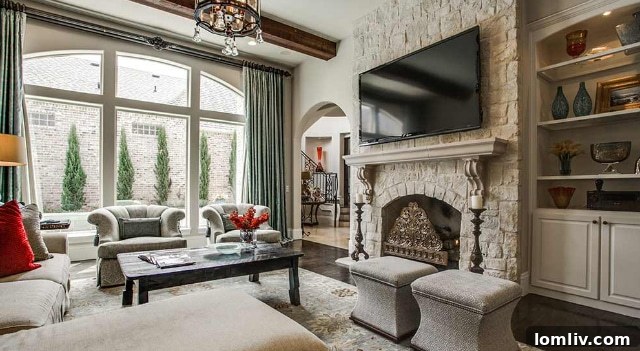
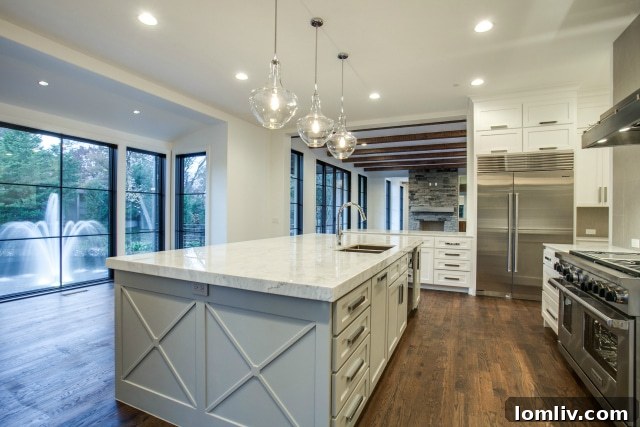
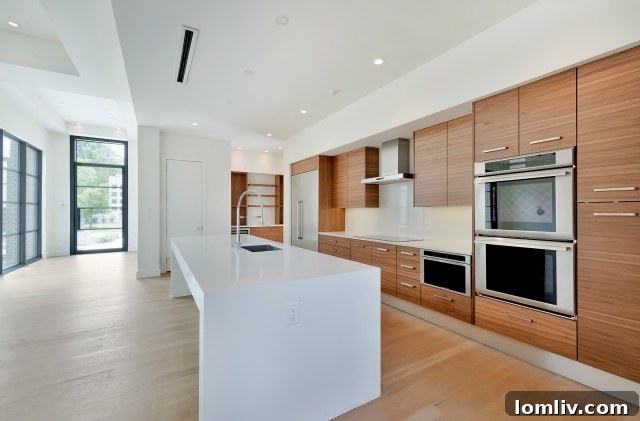
The traditional home layout, with its isolated home theaters and overly formal areas, is gradually becoming a relic of the past. Many of our builders predict the demise of these single-purpose spaces, which often represent wasted square footage in modern homes. Buyers are increasingly prioritizing a more efficient use of space, and in 2015, builders are responding by designing houses with fully usable, multifunctional areas seamlessly integrated through technology.
Jeff Dworkin, President of JLD Custom Homes and Past President of the Dallas Builders Association, clearly states this evolving preference: “I think we are going to continue to see the demise of the master tub and the media room—they take up too much square footage for limited use.” This reflects a pragmatic approach to home design, where every inch must serve a meaningful purpose. While these spaces aren’t vanishing entirely, their roles are transforming, becoming more casual, adaptable, and functional within the broader home context.
Mickey Munir, Founder and CEO of Sharif Munir Uncustomary Custom Homes, illustrates this adaptability with an example: “Instead of having a library full of books nobody uses, we may make that the media room, so now it’s got two purposes.” This approach creates dynamic spaces that can evolve with a family’s needs, serving as a quiet reading nook one moment and a vibrant entertainment hub the next. By maximizing the utility of each room, builders are delivering homes that are not only more efficient but also more responsive to the varied demands of contemporary lifestyles, moving away from rigid, predefined functions towards flexible, integrated living solutions.
8. Adventurous and Personalized Use of Paint
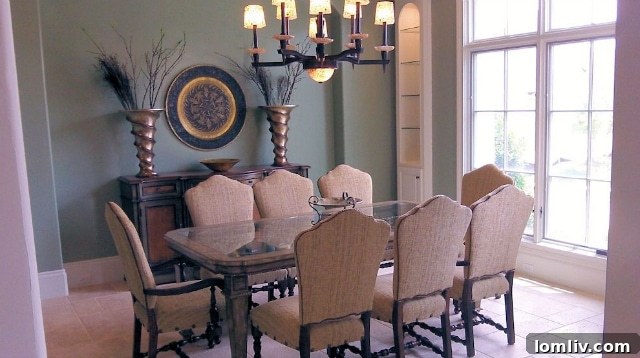
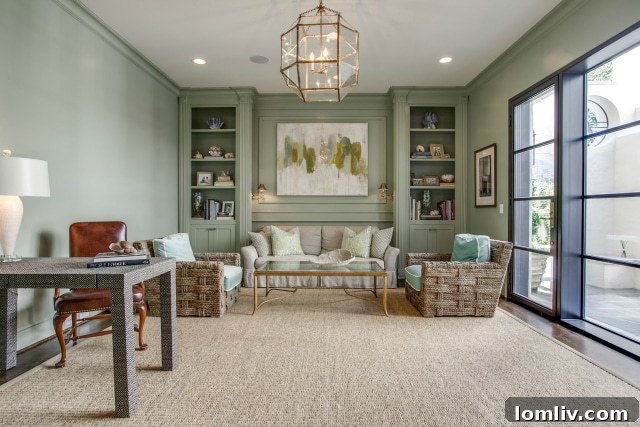
The burgeoning age of DIY creativity and digital inspiration platforms has significantly influenced interior design, empowering homeowners to explore bold and personalized aesthetics. Clients are now more confident in expressing their individual style and are challenging builders to incorporate a wider, more adventurous spectrum of colors into their homes. This marks a departure from traditionally neutral palettes, embracing paint as a powerful tool for personalization and mood creation.
Mark Danuser observes this direct impact: “We’ve seen clients embrace sites like Houzz and Pinterest, and as a result they have confidence to use color in fun ways.” He points to examples such as the sage-colored study, pictured above, as indicative of the year’s trending use of distinctive hues. These platforms provide endless inspiration, allowing homeowners to visualize unique color schemes and bring them to their custom homes, turning interior spaces into reflections of their unique tastes.
Kyle Belew forecasts a shift towards cooler paint tones in 2015, coupled with a reduced reliance on stains for interior finishes. He explains the benefits of this choice: “People are becoming more open-minded to painting, versus stained trim, doors, and cabinets. This allows the customer a wider variety of design options, which is providing very comfortable living spaces.” Painting offers greater versatility, allowing for brighter, fresher aesthetics that can transform the ambiance of a room. This flexibility not only caters to diverse design preferences but also contributes to creating interiors that feel more inviting, contemporary, and truly customized to the homeowner’s desired comfort and style.
9. The Enduring Appeal of the Downstairs Master Suite
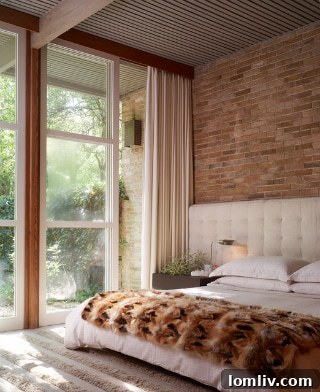
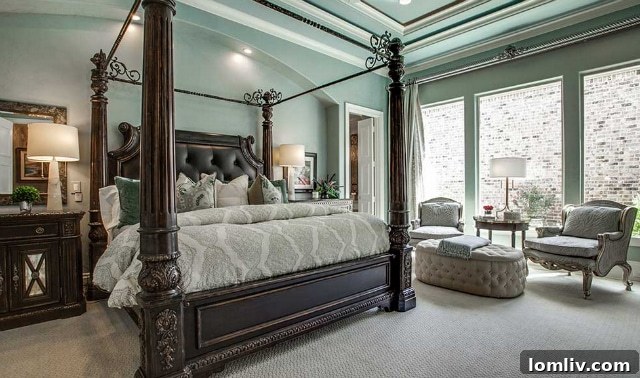
While some trends ebb and flow, the downstairs master suite remains a steadfast and powerful force in Texas homebuilding. This preference is deeply ingrained in the regional market, distinguishing it from housing trends in other parts of the country where upstairs master bedrooms are more common. For many Texans, the convenience, privacy, and accessibility of a ground-floor master bedroom are non-negotiable features, profoundly influencing purchasing decisions and new construction designs.
Mickey Munir, with his extensive experience, humorously yet pointedly remarks on this regional characteristic: “The only way you’re going to sell a house with an upstairs master is to an out-of-town person or a Highland Park or University Park person who’s used to it.” He emphasizes the local preference: “Texas people, they want that master downstairs if they’ve got a big enough lot. Always.” This consistent demand highlights a cultural preference for single-level living in the primary sleeping quarters, offering ease of access and the potential for aging in place without navigating stairs.
Supporting this anecdotal evidence, the Starside Amenities Survey confirms that for customers opting for a two-story house, the placement of the master suite downstairs is considered a significant advantage. This feature adds considerable value and appeal, making a home more attractive to a broad demographic, including families and empty nesters alike. Saad Chehabi concurs with this observation, stating, “We are seeing more demand for a first-floor master.” The downstairs master suite is more than just a room; it’s a foundational element of comfort and practicality that continues to define luxury living in DFW.
10. Streamlined and Efficient Smaller Home Offices
As technological advancements continue to miniaturize devices and streamline digital processes, the traditional large, dedicated home office is becoming a less critical requirement for many homeowners. In 2015, the trend shifts towards more compact, efficient, and integrated workspaces, reflecting the evolving nature of work and the desire for clutter-free living. The need for extensive physical storage for papers and bulky equipment has largely diminished, paving the way for smarter, multi-functional solutions.
Mark Danuser articulates this shift perfectly: “Smaller home offices are in line with efficiencies of today’s technology.” He explains the practical reasons behind this evolution: “You no longer need massive storage for papers, computers and printers are smaller, and devices are multi-use.” With laptops, tablets, and smartphones serving multiple functions, the need for a sprawling room dedicated solely to office work has largely evaporated. Modern home offices are designed to be highly functional without consuming excessive square footage.
In fact, the concept of a “home office” increasingly transcends the idea of a separate room altogether. Kyle Belew notes an emerging preference among his clients: “A lot of our clients are asking for command centers, which is a dedicated area for them to keep the household items organized, pay bills, etc.” These command centers are typically built-in nooks or well-organized stations that integrate seamlessly into common living areas, providing a central hub for administrative tasks without disrupting the home’s flow. One homeowner’s glowing feedback underscores their utility: “[One] homeowner commented that this is her favorite space in the house, and makes her life so much easier, as things are much more organized.” These smaller, integrated workspaces embody efficiency and organization, aligning with the contemporary desire for both productivity and a harmonious living environment.
The DFW homebuilding market in 2015 is clearly defined by a blend of technological innovation, an appreciation for expansive yet seamlessly connected spaces, and a strong push towards efficiency and personalized living. From smart home automation and grand outdoor retreats to warmly contemporary designs and highly functional interiors, these trends reflect a sophisticated understanding of what modern homeowners truly desire. Builders are not just constructing houses; they are crafting dynamic, sustainable, and aesthetically rich environments that cater to evolving lifestyles. What are your top predictions for homebuilding trends in the years to come? We invite you to share your thoughts!