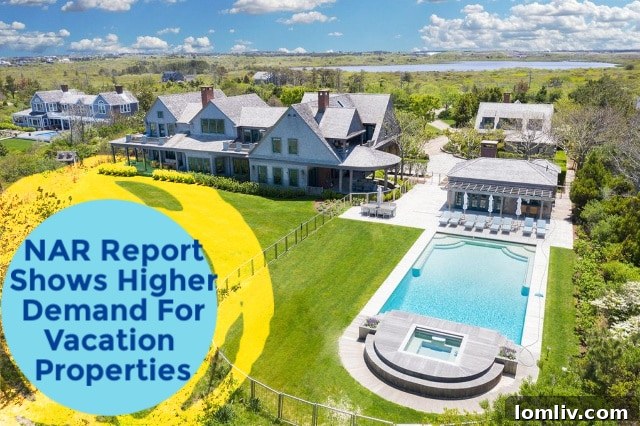
The Resurgence of Second Homes: Unpacking the Booming Demand for Vacation Properties
In recent years, the market for vacation homes has witnessed an unprecedented surge, transforming from a niche luxury into a mainstream investment and lifestyle choice for many. This robust demand is driven by a confluence of factors, ranging from evolving work cultures to a renewed appreciation for personal retreats. Understanding these dynamics is crucial for both prospective buyers and real estate professionals navigating this vibrant segment of the property market.
The Evolving Landscape of Vacation Home Ownership
The concept of a second home has long been associated with affluence and leisure, yet its profile has significantly broadened. What was once primarily a seasonal getaway now often serves multiple purposes: a remote work hub, a lucrative rental property, or a multi-generational family gathering place. Reports from leading real estate associations, such as the National Association of Realtors (NAR), have consistently highlighted this upward trend, noting a distinct increase in transactions involving vacation and investment properties.
This shift isn’t merely anecdotal; it’s backed by robust market data. The demand for properties in resort areas, coastal towns, and scenic countryside locations has often outpaced supply, leading to competitive markets and strong price appreciation. Buyers today are more diverse, including young professionals seeking hybrid work-life balance, families desiring permanent escape routes from urban congestion, and savvy investors looking for stable assets that also offer personal enjoyment.
Key Drivers Behind the Unprecedented Demand
Several significant factors have converged to fuel the escalating interest in vacation homes:
- The Remote Work Revolution: The most impactful catalyst has been the widespread adoption of remote and hybrid work models. This flexibility has untethered many from traditional office locations, allowing them to consider living or spending extended periods in desirable vacation spots without sacrificing their careers. A second home can effectively become a primary residence for several months a year, blurring the lines between work and leisure.
- Desire for Sanctuary and Escape: Global events of recent years have underscored the importance of personal space, safety, and well-being. A vacation home offers a tangible sanctuary, a place to retreat, de-stress, and reconnect with nature or loved ones away from everyday pressures. This emotional appeal is a powerful motivator for many buyers.
- Attractive Investment Potential: Beyond personal use, vacation homes are increasingly viewed as strategic investments. They offer the potential for significant appreciation, especially in sought-after locations. Furthermore, the rise of short-term rental platforms like Airbnb and VRBO has made it easier than ever for owners to generate substantial rental income, offsetting costs and often turning the property into a profitable venture.
- Historic Low Interest Rates (Past Influence): While interest rates have fluctuated, periods of historically low mortgage rates made financing a second home more accessible and appealing, stimulating demand. Even with adjustments, the long-term investment view often outweighs short-term financing shifts for many buyers.
- Generational Wealth Transfer: As wealth is transferred across generations, younger buyers are gaining access to capital that enables them to enter the vacation home market sooner than previous generations, either through direct purchase or with financial assistance.
Navigating the Investment Landscape of Vacation Properties
For many, a vacation home represents a dual-purpose asset: a place for personal enjoyment and a sound financial investment. Understanding the investment landscape is critical for maximizing its potential.
Property Appreciation: Historically, real estate tends to appreciate over time, and properties in desirable vacation destinations often see accelerated growth. Factors such as limited supply, ongoing development, and increasing tourism can contribute to robust value appreciation.
Rental Income Opportunities: The ability to rent out a vacation home when not in personal use is a major draw. This income can cover mortgage payments, property taxes, maintenance costs, and even generate a profit. Effective property management, whether self-managed or through professional services, is key to maximizing rental yields.
Portfolio Diversification: Including real estate, specifically vacation properties, can diversify an investment portfolio. Real estate can act as a hedge against inflation and may offer more stability compared to volatile stock markets, providing a tangible asset that can be enjoyed.
However, investors must also consider the potential downsides, including market fluctuations, the costs of maintenance and repairs, and the time commitment required for management. Thorough due diligence and a clear understanding of the local market are essential.
Popular Destinations and Emerging Hotspots
The allure of vacation homes is geographically diverse, with distinct preferences emerging across different buyer segments. Coastal regions continue to be perennial favorites, with locations like Florida, the Outer Banks, and various Californian beaches seeing sustained high demand. Mountain getaways, such as those in Colorado, Utah, and parts of the Appalachian range, also remain popular for winter sports enthusiasts and nature lovers.
Beyond these traditional hotspots, emerging markets are gaining traction. These often include areas with burgeoning outdoor recreation opportunities, smaller towns experiencing revitalization, or regions offering better value for money while still providing desirable amenities and natural beauty. Proximity to major metropolitan areas remains a strong factor, as it allows for easier weekend getaways and shorter travel times for remote workers.
The Luxury Segment: Exploring High-End Vacation Homes
Within the broader vacation home market, the luxury segment stands out for its unique characteristics and discerning buyers. These properties often boast unparalleled locations, bespoke architectural designs, state-of-the-art amenities, and expansive grounds. For high-net-worth individuals, a luxury vacation home is not just an escape but a statement, an heirloom, and often a key component of their global real estate portfolio.
The “most expensive vacation homes” exemplify this segment, showcasing properties that are architectural marvels, historical estates, or exclusive compounds offering unmatched privacy and services. These properties often come with dedicated staff, private beaches, helipads, and other ultra-luxurious features. The market for these homes is less influenced by interest rate fluctuations and more by wealth preservation, exclusivity, and the desire for unique experiences.
Investing in the luxury segment requires specialized knowledge of high-end markets, an understanding of international buyers, and access to an exclusive network of properties that are often not publicly listed. These investments offer not only personal prestige but also robust long-term value appreciation, given their rarity and unique attributes.
This image illustrates the aspirational nature and significant investment involved in the luxury vacation home market, a segment where demand continues to be strong for unique and high-quality properties.
Practical Considerations for Aspiring Vacation Home Owners
While the appeal of owning a vacation home is strong, potential buyers should approach the process with careful planning and realistic expectations:
- Financial Planning: Beyond the purchase price, consider down payments, mortgage interest rates, property taxes, insurance (including specific coverages for rental properties or flood/hurricane zones), and closing costs. Develop a comprehensive budget that includes ongoing maintenance and utility expenses.
- Property Management: Decide whether you will manage the property yourself (which can be time-consuming, especially for rentals) or hire a professional property management company. Managers handle bookings, maintenance, cleaning, and guest relations, often for a percentage of rental income.
- Location, Location, Location: Research the specific area thoroughly. Understand local zoning laws, rental restrictions, typical rental seasons, and future development plans. Assess amenities, access to services, and overall community vibe.
- Market Research: Analyze comparable sales and rental rates to ensure your investment is sound. Understand the seasonality of the market and how it might impact both occupancy and property value.
- Personal Use vs. Rental Strategy: Clearly define your primary goal. If it’s mainly for personal use, occasional rentals might be a bonus. If it’s primarily an investment, maximize rental potential, which might mean less personal use during peak seasons.
- Legal and Tax Implications: Consult with a real estate attorney and a tax advisor to understand the legalities of property ownership in your chosen location and the tax implications of owning and potentially renting out a second home.
The Future of the Vacation Home Market
The robust demand for vacation homes appears poised for continued strength, albeit with potential adjustments influenced by broader economic factors. While interest rate hikes could temper some buyer enthusiasm, the underlying drivers – the desire for flexibility, personal sanctuary, and sound investment – are likely to persist.
Technological advancements will continue to streamline property management and marketing, making ownership more accessible for a wider range of investors. Sustainability and eco-conscious design are also becoming increasingly important, with buyers seeking properties that align with their environmental values.
Demographic shifts, including the aging baby boomer generation seeking retirement havens and younger generations prioritizing experiences and work-life balance, will continue to shape demand. The market will likely evolve to offer more fractional ownership options and hybrid models that blend personal use with investment returns, catering to diverse needs and financial capacities.