Mega Sam’s Club Near Cityplace: A Dallas Development Battleground
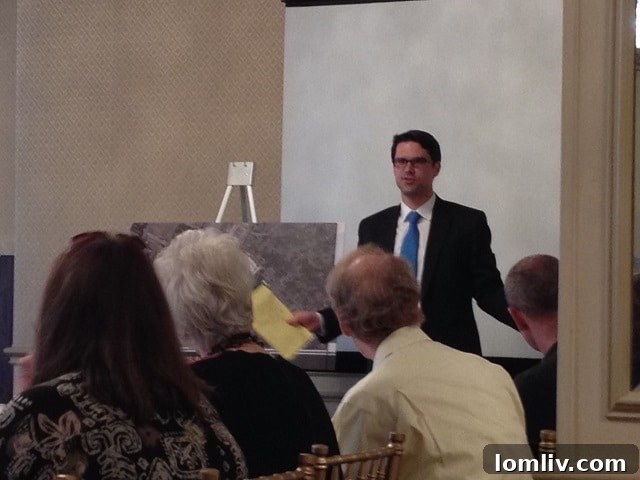
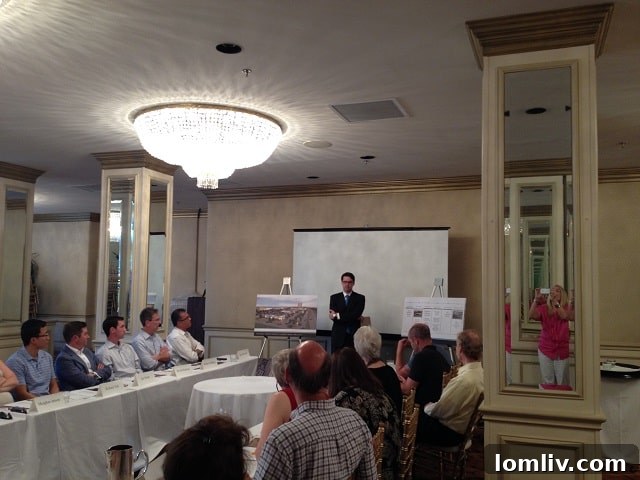
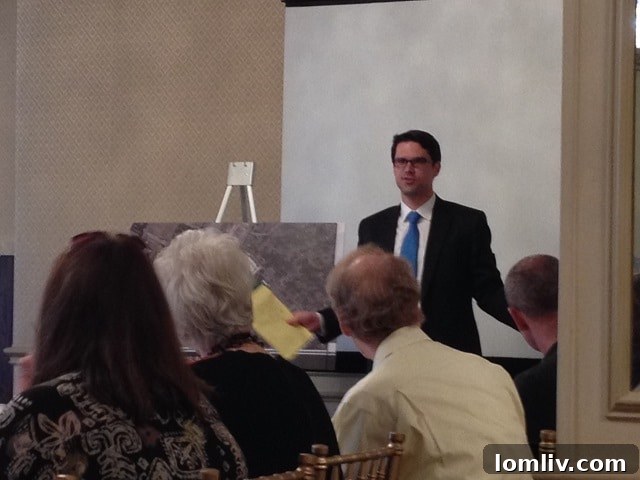
The landscape of Dallas real estate is constantly evolving, with new developments frequently sparking intense community discussions. One such project, a proposed super-sized Sam’s Wholesale Club, has ignited considerable debate, placing developer Trammell Crow Company directly in the public spotlight. At the heart of this unfolding story is Joel Behrens, a representative for Trammell Crow, who recently presented the ambitious plans to the esteemed Oak Lawn Committee (OLC).
Mr. Behrens, a seemingly earnest young man of 34, found himself navigating a tempest of local sentiment during his presentation. His task was to articulate Trammell Crow’s vision for the massive retail outlet, a vision that has met with both support and significant opposition. The OLC, renowned as the original custodians of Oak Lawn PD 193, plays a pivotal role in guiding and scrutinizing development within the Oak Lawn area. This committee is instrumental in preserving the distinct character of Oak Lawn, fostering features like tree-lined streets and maintaining its unique personality. Their diligent oversight is widely credited as a key factor in Oak Lawn’s enduring status as one of Dallas’s most sought-after neighborhoods and a consistent generator of substantial tax revenue. However, it’s crucial to note that the proposed Sam’s Club, though generating interest from the OLC, is slated for a location across Central Expressway, adjacent to Cityplace, and not directly within Oak Lawn’s protected boundaries.
This geographical distinction raises an important question that resonated among attendees at the recent meeting: does the Cityplace neighborhood, now rebranded by some as East Village, possess a protective body akin to the Oak Lawn Committee? Regrettably, the answer, as many have observed, is no. This absence of a dedicated, long-standing community oversight body leaves the ‘East Village’ area potentially more vulnerable to large-scale developments that might not fully align with the existing neighborhood fabric, a concern frequently voiced by residents.
The Developer’s Stance: Transparency and Dallas Roots
Joel Behrens, a Wisconsin native raised on a farm, exuded a profound sense of sincerity throughout his presentation. His demeanor was such that it would undoubtedly inspire pride in any parent. He clarified that his presence was primarily for public relations, a necessary response given the unexpected and intense negative reaction Trammell Crow had encountered regarding the proposed big-box warehouse store. Behrens firmly asserted that the company had maintained complete transparency throughout the entire process. He cited extensive engagement, including meetings with then-City Councilwoman Pauline Medrano, and a comprehensive proposal plan. Furthermore, he highlighted that two voluntary public meetings were held back in 2013, underscoring their commitment to open dialogue.
Behrens also took the opportunity to elaborate on Trammell Crow Company’s corporate structure. He explained that while the company had been acquired by and now operates as a wholly owned subsidiary of CBRE, it remains the very same Trammell Crow that has been an integral fixture in the Dallas development scene since its establishment in 1948. This historical lineage, he suggested, underpins their deep commitment to the city.
Emphasizing his personal dedication, Joel stated, “I’m 34, and I plan to work in Dallas for a long time.” This personal touch aimed to convey a long-term investment in the community, suggesting that Trammell Crow’s intentions are rooted in sustainable development and positive contributions to the city’s future. Initially, Behrens noted, feedback on the Sam’s Club plan was largely positive. However, he admitted, the situation “blew up” dramatically shortly thereafter.
Reinforcing the company’s integrity, Joel asserted, “This wasn’t premeditated; we were very transparent. That’s the only way to get deals done in this town.” He portrayed the company’s approach as straightforward and honest, adhering to established norms for successful development in Dallas.
The Backlash Unfolds: Accusations and Defense
Despite Trammell Crow’s claims of transparency, the public narrative took a sharp turn following Steve Brown’s initial report on the impending Sam’s Club on May 19. Since then, the company has faced a torrent of accusations, ranging from “bait and switch” tactics to being labeled “liars.” This shift in public perception underscores the volatile nature of large-scale urban development projects and the critical role of media coverage in shaping community sentiment. Behrens acknowledged the wave of speculation that has since engulfed the project, reiterating Trammell Crow’s firm denial of any wrongdoing.
“We’re clean: we were honest, and we shared the plan,” Joel Behrens declared, standing by the company’s integrity. He stressed, “We are NOT looking to deviate from it,” signaling Trammell Crow’s commitment to the original proposal while also acknowledging a willingness to address specific concerns.
In an effort to mitigate some of the community’s worries, Trammell Crow is planning various enhancements, particularly concerning landscaping and visual aesthetics around the site. They have expressed openness to further discussions about the project, demonstrating a desire to engage with stakeholders and find common ground. However, Behrens also made it clear that the company intends to avoid public confrontations, stating, “We’re not going to fight in the press.” This approach suggests a preference for direct dialogue and negotiation over public sparring, aiming to de-escalate tensions.
Responding to a suggestion from Councilman Adam Medrano, Trammell Crow recently organized one or two additional community meetings. These gatherings saw approximately 50 attendees, with a majority reportedly expressing support for the new Sam’s Club. This mixed reception highlights the division within the community regarding the project. The Oak Lawn Committee, seeking further insight into the level of support, even requested a list of names from those who attended, indicating their meticulous approach to assessing community impact.
Economic Insights and the Big Box Debate
As the committee delved deeper, questions naturally turned to the nature of the wholesale club itself. A particularly pertinent query involved the possibility of switching the anchor tenant from a Sam’s Club to a Costco. This suggestion often arises in community discussions, as Costco is frequently perceived by some as having a more upscale image, better employee compensation, and a different impact profile. However, it was revealed that Costco was not prepared to commit financially to the project, effectively closing that avenue. The underlying reason often cited for such decisions involves the higher operational costs, including, allegedly, more highly paid employees at Costco compared to Sam’s Club.
Amidst these deliberations, Frank Stich, a respected voice within the community, voiced his support for the proposed club, believing it would be a success. His sentiment echoes that of others who foresee high utilization by small business owners in the area, a common demographic for wholesale clubs. Rumors suggest this particular location could become one of the most profitable Sam’s Clubs in the entire country. Anecdotal evidence supports this, with the nearby Sam’s Club at Medallion Center consistently packed, demonstrating a strong market demand for such retail options in Dallas. Stich further emphasized the accessibility of such establishments, noting, “If people want to walk to Sam’s, they can walk.” This perspective suggests that modern big-box stores, when strategically located, can serve diverse needs, including those of pedestrians, challenging the conventional image of car-dependent superstores.
Indeed, one could envision Sam’s Club marketing new, expandable backpacks designed for urban walkers, enabling them to balance a ten-pack of toilet paper, paper towels, and a giant Tide detergent jug, perhaps even a slice of pizza, all in a single, convenient trip. This humorous, yet insightful, image highlights the potential for such stores to adapt to, and even influence, urban lifestyles.
Navigating Urban Infrastructure: Traffic, Trucks, and Studies
The conversation inevitably shifted to one of the most critical and contentious issues for any large-scale urban development: traffic. Brenda Marks, a committee member, meticulously focused on the traffic study, particularly ingress and egress points. Her primary concern revolved around northbound traffic attempting to access the proposed Sam’s Club. She highlighted that vehicles would likely be forced to navigate a circuitous route involving Capitol, Carroll, and Haskell avenues before finally reaching Central Expressway. This redirection, she argued, would inevitably funnel a significant volume of additional cars, along with large delivery trucks, directly through established residential neighborhoods. The potential for increased congestion, noise pollution, and safety hazards for residents is a major flashpoint.
The thought of such a traffic imposition immediately brings to mind the hypothetical scenario of a similar development occurring “Behind the Pink Wall” – a colloquial term for a highly affluent and protective Dallas neighborhood. The imagined “ruckus” in such an area underscores the disparity in community leverage and the differing levels of scrutiny various neighborhoods can bring to bear on development projects. It’s a stark reminder that while some communities possess robust mechanisms for defense against unwanted impacts, others, like the nascent ‘East Village,’ may find themselves without comparable defenses.
During the meeting, a representative from Trammell Crow made a statement suggesting that the traffic study had been waived. This assertion immediately raised eyebrows and sparked confusion. While the statement was indeed made, its exact context and validity remain uncertain. A waived traffic study for a development of this magnitude, especially in a densely populated urban area, would be highly irregular and could signify a significant oversight in the planning process. The implications of such a waiver for local infrastructure, public safety, and environmental quality are profound. Further investigation into this particular claim is certainly warranted and will be a critical point of follow-up.
The Road Ahead: A “Done Deal” with Aesthetic Compromises
The meeting itself was notably brief and civil, concluding with participants, even those in opposition to the club, agreeing to respectfully disagree. This polite discourse, however, belied the underlying tension and the feeling among many that the project’s fate might already be sealed. Demolition on the site was slated to commence immediately, reinforcing the perception that Trammell Crow was proceeding with a firm timeline, regardless of lingering community dissent. While the developer may have been genuinely surprised by the intensity of the backlash, there was a palpable sense that the project was, in essence, a “done deal.”
Nevertheless, Trammell Crow has indicated a willingness to return to the drawing board to implement landscaping, visual, and other aesthetic changes. This concession, while perhaps not addressing core concerns like traffic or the sheer scale of the development, demonstrates an effort to appease residents by mitigating the visual impact and integrating the facility more harmoniously into its surroundings. Such adjustments often serve as a bridge between developers’ economic objectives and communities’ desire for preserving neighborhood character, even when the fundamental project moves forward.
The ongoing saga of the Sam’s Club near Cityplace serves as a potent case study in the complex dynamics of urban development in a rapidly growing city like Dallas. It highlights the delicate balance between fostering economic growth, accommodating retail demand, and preserving the unique character and livability of established neighborhoods. As demolition proceeds and construction eventually begins, the community will undoubtedly continue to watch closely, hoping that the compromises and adjustments promised will indeed lead to a development that ultimately serves the best interests of all stakeholders.
This narrative, far from over, is merely “To be continued…” as Dallas continues to navigate its path of expansion and transformation.