

In a significant development that underscored the growing threat of cyber warfare against municipal infrastructure, Dallas Chief Information Officer Bill Zielinski delivered a critical update to the City Council’s Public Safety Committee. The briefing, held on a Monday, detailed the aftermath and ongoing response to a sophisticated ransomware attack that began on May 3. This malicious incident severely disrupted essential city services, leading to the shutdown of various public-facing websites and critical internal operations, including police dispatch and city permitting functions.
Zielinski confirmed that he and his dedicated team are working closely with federal and state law enforcement agencies, as well as cybersecurity experts, to thoroughly investigate the breach. A primary concern is to ascertain whether any sensitive personal information belonging to Dallas residents or city employees may have been accessed or exfiltrated by the perpetrators, identified as the notorious Royal Ransomware group. The public portion of the safety briefing was intentionally concise, lasting less than 15 minutes, before Committee Chairman Adam McGough transitioned the session into an executive meeting. This closed-door session allowed for a more secure and confidential discussion of sensitive details related to the ongoing criminal investigation and remediation efforts.

Addressing the constraints on public disclosure, Zielinski emphasized the delicate balance between transparency and investigative integrity. He stated, “This is an ongoing criminal investigation, and the city cannot comment on specific details related to the method or means of the attack, the mode of remediation, or potential communications with the party launching the attack.” He further explained the critical rationale behind this cautious approach: “Doing so risks impeding the investigation or exposing critical information that can potentially be exploited by the attacker.” This statement highlighted the complexities involved in managing a high-profile cyber incident while ensuring the city’s long-term security posture remains uncompromised.
Despite the initial severity, city websites were largely restored and functioning again within five days of the incident. However, the swift recovery came with some temporary drawbacks, as certain information remained outdated, or was temporarily relocated to alternative sections of the city’s online portal. This partial disruption underscored the immediate challenge of restoring data integrity and accessibility following a major cyberattack. The city’s IT department worked tirelessly to bring services back online, prioritizing essential functions to minimize public inconvenience.
Zielinski acknowledged the pervasive concern among residents regarding the potential exposure of their personal and financial data. He assured the public, “We know that many people have questions about whether any of their personal or financial information has been exposed.” Detailing the rigorous investigative process, he added, “As part of the investigation, we’re reviewing system and transaction logs and other information for indications of data exfiltration. We also monitor the dark web for any presence of City of Dallas data.” Providing a crucial update, he reported, “At this point, we do not have evidence or indication that there has been data removed during this attack.” This ongoing monitoring and forensic analysis are vital steps in ensuring the full scope of the breach is understood and communicated.
Should any evidence of a data breach be discovered through the intensive forensic analysis, Zielinski pledged that the City of Dallas would directly contact any identified victims. This commitment to direct communication is a critical component of the city’s incident response plan, aiming to provide timely and accurate information to those potentially affected, allowing them to take necessary protective measures against identity theft or other malicious activities.
Understanding the Dallas Ransomware Attack: A Timeline of Disruption
The first public indications of a network problem emerged on May 3, when city officials initially reported a general network issue. While such occurrences are not entirely unprecedented – a similar network outage two weeks prior had caused the delay and subsequent cancellation of a Dallas City Council meeting that could not be streamed live – it quickly became apparent that the May 3 incident was far more severe than a simple network malfunction. The previous outage, which prevented the city’s information technology officials from broadcasting the meeting online and via public access channels, had been an inconvenience. The latest event, however, would prove to be a full-scale cybersecurity crisis.
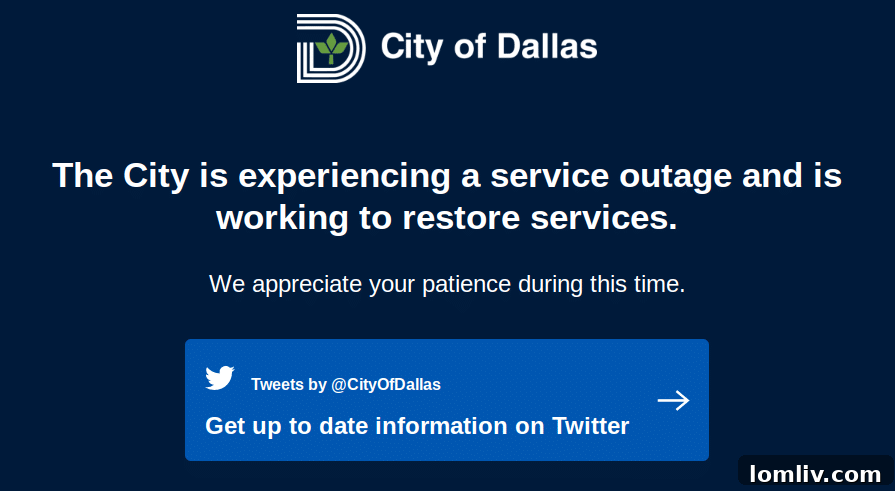
Indeed, while a mere network outage poses inconveniences for citizens tracking public meetings or accessing online city documents, the gravity of the May 3 issue became undeniable with alarming speed. Officials wasted no time in announcing that Dallas had fallen victim to a sophisticated ransomware attack, specifically identifying “a group called Royal” as the perpetrators. This swift identification of the threat actor underscored the urgency and scale of the attack.
Zielinski elaborated on the initial detection and immediate response to the Public Safety Committee. “In the early morning hours of Wednesday, May 3, the city’s security monitoring tools notified our Security Operations Center of the presence of ransomware in the city’s IT environment,” he recounted. This early detection mechanism proved crucial, enabling the city’s security protocols to react quickly. He further explained the proactive measures taken: “Our security tools took proactive measures to attempt to quarantine the ransomware and prevent its additional spread in the environment.” This rapid containment strategy is a cornerstone of effective cybersecurity incident response.
The impact on frontline services was immediate and profound. Police officers and code compliance personnel were forced to revert to manual processes, using pen and paper to record vital information, as internal and external dashboards, along with tracking systems, became inoperable. Similarly, the city’s permit office was entirely unable to process any applications or inquiries online, bringing critical administrative functions to a standstill. These operational disruptions vividly illustrated the far-reaching consequences of a successful ransomware attack on municipal services.
To prevent further compromise, Zielinski confirmed the decisive actions taken by the city’s IT team. “In the immediate response, the city’s IT team took additional measures to bring systems, services, and devices offline and off the network in order to prevent the further spread of this malicious software,” he stated. This move, while disruptive to daily operations, was deemed a necessary and critical step to isolate the infected systems and halt the ransomware’s propagation throughout the city’s extensive network infrastructure.
Strategic Next Steps to Prevent Spread and Fortify Against Future Attacks
During his Monday briefing, Zielinski provided a clear explanation of ransomware for the committee members and the public. He defined it as a type of malicious software, or “malware,” designed to encrypt an organization’s data, effectively locking it away. The attackers then threaten to either publicly release the sensitive information or permanently block access to it unless a ransom payment is made, typically in cryptocurrency. This extortion model is increasingly prevalent, targeting organizations globally, with public entities often becoming prime targets due to the critical nature of their services and the perceived willingness to pay to restore them.
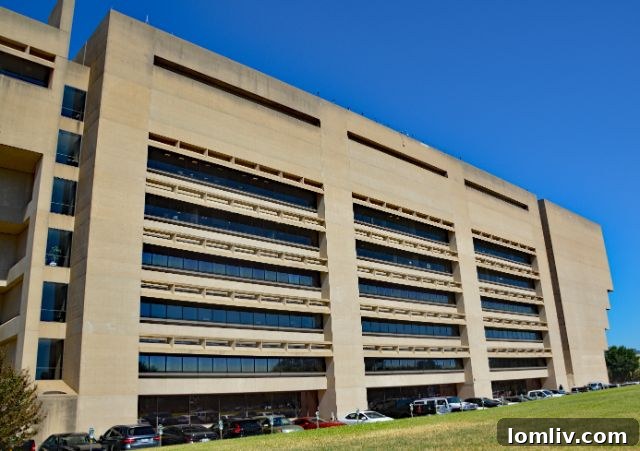
Zielinski lauded the City of Dallas’s swift and coordinated response to the attack. This included immediate notification to all city staff, the general public, and critical state and federal authorities. Furthermore, the city promptly informed its cyber insurance provider, a crucial step for managing potential financial fallout and supporting recovery efforts. This multi-pronged communication strategy is a key aspect of robust incident management, ensuring all stakeholders are aware and involved.
He articulated the foundational principle of ransomware incident response. “In a ransomware attack, the first step is responding to the attack itself and stopping the propagation and implantation of the malicious software in your environment,” he explained. This containment phase is paramount. He reiterated the justification for the immediate service disruptions: “That’s why we took the proactive steps to take system services and devices offline. While this is disruptive to business operations, this is a best practice and a necessary step to limit the overall impact of the attack.” This strategic decision, though inconvenient, significantly mitigated the potential for broader damage and data loss.
Beyond containment, the subsequent critical steps in the city’s recovery and hardening process involve a meticulous investigation. This includes pinpointing the exact source of the attack, comprehensively understanding how the malicious software was introduced into the network, and systematically scouring the entire IT environment to identify all infected devices, systems, and services. This forensic analysis is exhaustive, aiming to uncover vulnerabilities and ensure complete eradication of the threat.
Zielinski underscored the rigorous approach required for complete recovery. He asserted, “Once an environment has been infected, there really is no way to guarantee the ransomware is gone unless devices and applications have been completely wiped or wholly replaced.” He elaborated on the demanding nature of this remediation: “Completely re-imaging or replacing servers and applications is absolutely necessary before reattaching them to the network and restoring those servers.” This methodical rebuilding process ensures that no hidden remnants of the malware can resurface and reignite an attack.
Committee members, recognizing the gravity of the incident and its implications, strongly emphasized the urgent need for sustained investment in advanced security tools and effective, specialized cyber professional services. District 12 Councilwoman Cara Mendelsohn articulated this concern, stating, “This event underscores the need for our city to address the longstanding underinvestment in IT and possibly even look at how we structure IT.” Her comments highlighted the systemic issues that often leave municipal governments vulnerable to sophisticated cyber threats.
Adding to the discussion, District 13 Councilwoman Gay Donnell Willis proposed a tangible solution for addressing these critical technology deficiencies. She suggested that information technology needs, particularly those related to cybersecurity infrastructure and expertise, could and should be explicitly addressed within the scope of the upcoming 2024 bond program. This proactive approach would provide a dedicated funding mechanism for modernizing the city’s digital defenses.
Zielinski expressed his gratitude to the elected officials for their understanding and support, acknowledging the crucial role of political will in securing the necessary resources. He concluded by emphasizing the long-term benefits of such strategic investments. “These investments, while they may not eliminate altogether the potential for one of these attacks, reduce the risk and limit the impact of attacks when they occur,” he affirmed. This forward-looking perspective highlights that while perfect prevention may be elusive, robust cybersecurity investments are essential for building resilience and ensuring the continuity of vital city services in an increasingly complex and dangerous digital landscape.