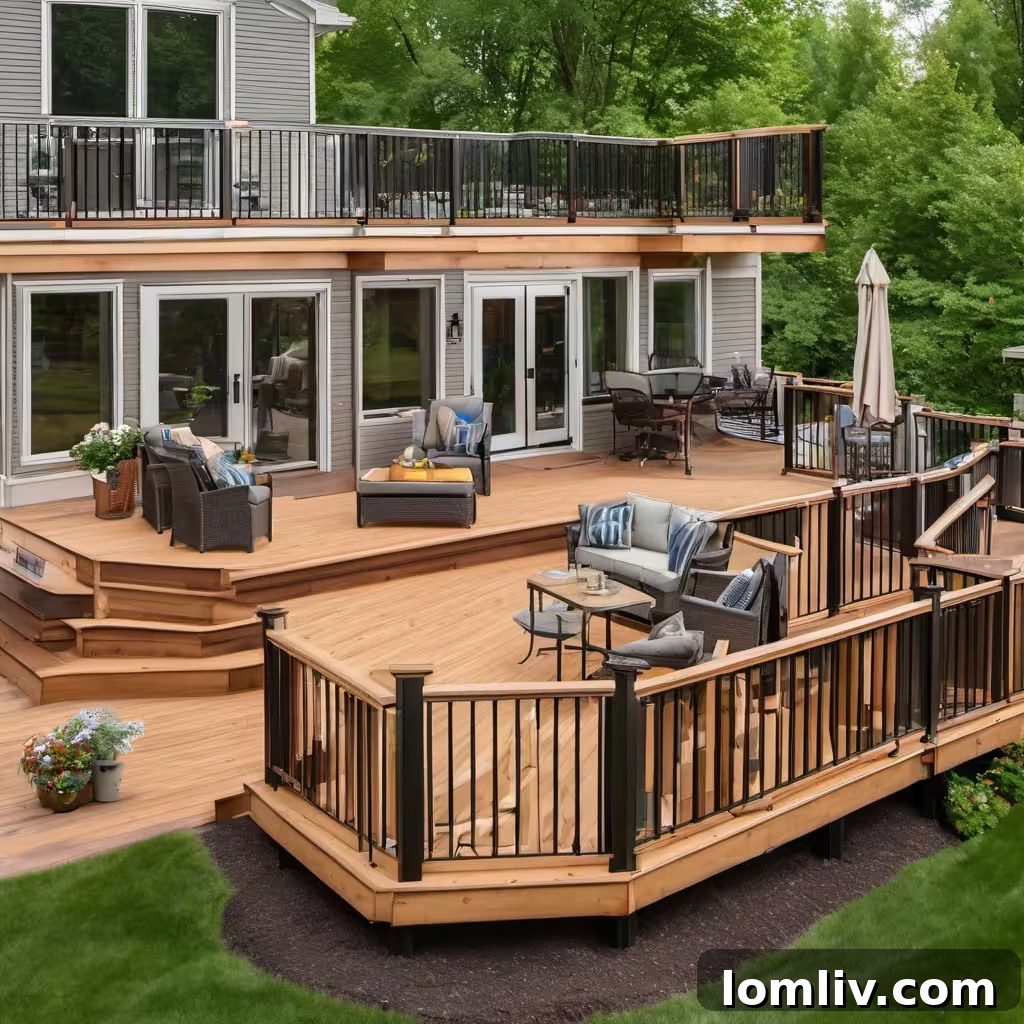
Transforming your backyard into a personal oasis with a new deck is a dream for many homeowners in Minnesota. A well-designed and expertly built deck doesn’t just expand your usable living space; it significantly enhances your outdoor enjoyment, offering a perfect venue for summer barbecues, tranquil mornings, or simply admiring the serene winter landscape. Beyond personal pleasure, a quality deck can substantially boost your home’s curb appeal and market value. However, constructing a deck in Minnesota presents unique challenges, primarily due to the state’s famously dynamic and often extreme weather patterns.
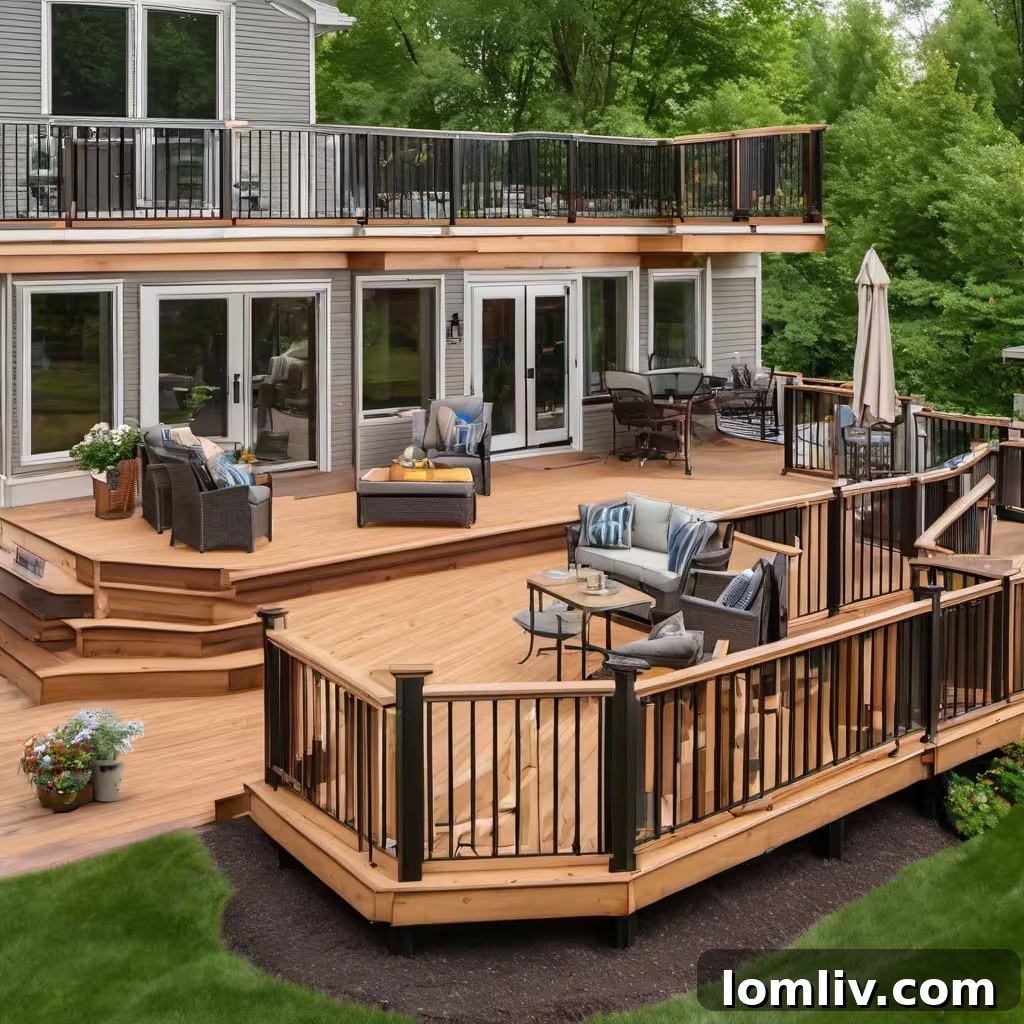
From the scorching, humid embrace of summer to the unforgiving, icy grip of winter, Minnesota’s climate relentlessly tests the resilience of any outdoor structure. These dramatic temperature fluctuations, coupled with significant moisture from rain and snow, exert immense strain on decking materials and the underlying structure. Navigating these environmental realities is crucial for a lasting investment. Unfortunately, many homeowners, whether opting for DIY or hiring inexperienced builders, fall prey to several common mistakes that can compromise their deck’s safety, longevity, and aesthetic appeal. This comprehensive guide aims to illuminate these critical pitfalls, providing you with the knowledge to avoid them and ensure your Minnesota deck stands strong for decades to come.
Choosing the Wrong Deck Materials for Minnesota’s Climate

The selection of decking materials is arguably the most critical decision when planning your Minnesota deck. The state’s climate, with its brutal freeze-thaw cycles, intense UV exposure, and pervasive moisture, demands materials that are specifically engineered or naturally suited to withstand such extremes. Opting for cheaper, less durable alternatives is a common and costly mistake that can lead to premature deterioration, constant maintenance, and an unsightly deck.
Among the most popular choices is **Green Treated Wood**, typically pressure-treated pine. Its affordability and chemical treatment (often with ACQ – Alkaline Copper Quaternary) make it highly resistant to rot, fungal decay, and insect infestation, which are significant concerns in a moisture-rich environment like Minnesota. Treated wood offers a robust and economical foundation for many decks and performs commendably under harsh conditions. However, it’s not entirely maintenance-free; regular cleaning, staining, and sealing every few years are essential to prevent warping, cracking, and splintering, thus preserving its structural integrity and appearance. Homeowners should also be aware that ACQ-treated wood requires specific corrosion-resistant fasteners, as standard galvanized fasteners can react with the chemicals and corrode rapidly.
For those seeking a more natural aesthetic, **Cedar** remains a beloved option. Renowned for its rich, warm hues and distinctive aroma, cedar also possesses natural resistance to moisture, decay, and insects due to its inherent oils. Its softer nature makes it comfortable underfoot and relatively easy to work with. However, cedar is a higher-maintenance wood than treated pine. To prevent it from fading to a silvery gray and to protect it from the elements, regular staining and sealing are imperative. Without diligent maintenance, cedar can be more prone to surface scratches, dents, and weathering, impacting its beautiful appearance over time.
A rapidly growing segment of the market, offering exceptional durability and minimal upkeep, is **Composite Decking**. Brands such as Trex, Timbertech, and Azek lead this category, providing a sophisticated blend of recycled wood fibers and plastic polymers. This innovative composition results in a material that is highly resistant to rot, mold, mildew, fading, scratching, and insect damage. Composite decks virtually eliminate the need for sanding, staining, or sealing, freeing homeowners from tedious annual maintenance. They come in a vast array of colors, textures, and finishes, meticulously mimicking the natural beauty of various wood species without the associated upkeep hassles. While the initial investment for composite decking is typically higher than for traditional wood options, the long-term savings on maintenance, repairs, and replacement often make it a more cost-effective choice over the lifespan of the deck. Many reputable deck builders in Minnesota, like Thunderstruck Restorations in Anoka, advocate for and utilize composite materials due to their superior performance in challenging climates. Understanding these material characteristics and aligning them with your budget, aesthetic preferences, and maintenance expectations is paramount for a successful Minnesota deck build.
Ignoring Minnesota’s Unique Weather Realities

Building a deck in Minnesota demands a profound respect for and understanding of its diverse and often extreme weather conditions. The state experiences not just hot, humid summers and bitterly cold, snowy winters, but also rapid temperature swings, significant precipitation, and prolonged periods of high humidity. Ignoring these environmental realities during the design and construction phases is a critical mistake that can lead to premature structural failure, material degradation, and diminished enjoyment of your outdoor space.
One primary concern is **water management and drainage**. Without proper planning, water from heavy rains and melting snow can accumulate on the deck surface, beneath the boards, or against the house. This pooling water is an invitation for trouble: it accelerates wood rot, fosters the growth of unsightly and damaging mold and mildew, and can even contribute to ice formation in winter, creating slip hazards and putting stress on materials. To combat this, your deck design must incorporate a slight, imperceptible slope (typically 1/8 to 1/4 inch per foot) away from your home, directing water efficiently off the surface. Furthermore, proper spacing between deck boards (usually 1/8 to 3/16 inch) is essential to allow water to drain through and promote adequate airflow, preventing moisture buildup underneath the decking. Consider also the surrounding landscape; ensure that runoff from your roof or yard isn’t directed towards or under your deck, potentially exacerbating moisture issues. Installing gutters and downspouts that channel water far away from the deck’s foundation is a simple yet vital step.
Another frequently overlooked factor is the **deck’s orientation and ventilation**. The direction your deck faces significantly impacts its exposure to sunlight and prevailing winds throughout the year. A deck excessively exposed to direct, intense sunlight, particularly if south or west-facing, can become uncomfortably hot during Minnesota’s humid summers. Prolonged UV exposure also accelerates the degradation of decking materials, causing wood to fade, splinter, and crack, and even affecting the color stability of composites. Conversely, a deck constantly shrouded in deep shade, perhaps north-facing or heavily canopied, may struggle with persistent dampness, encouraging moss, algae, and mold growth, and delaying the drying process after rain or snow. Thoughtful positioning to balance sun and shade can extend the life of your materials and enhance comfort. Strategic placement of pergolas, retractable awnings, or even shade-tolerant landscaping can offer relief from intense sun. Equally important is adequate ventilation *underneath* the deck. Stagnant, moist air trapped beneath the deck structure creates an ideal breeding ground for decay. Ensuring open sides or strategic lattice work allows for crucial airflow, helping to dry out the substructure and prevent moisture-related problems. By proactively addressing Minnesota’s distinct weather challenges in your deck design, you’re investing in a more durable, safer, and enjoyable outdoor living experience.
A Flawed Foundation: The Root of Many Deck Problems
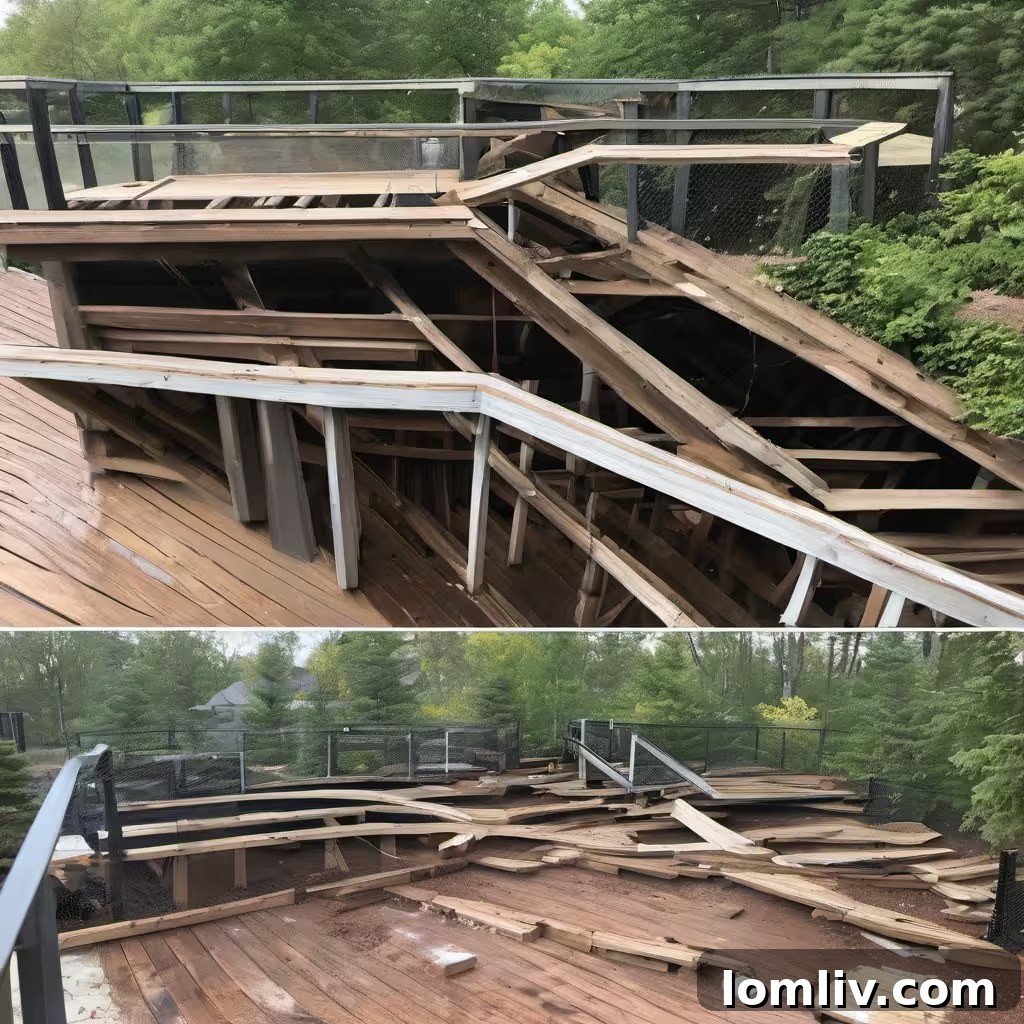
The foundation is the unsung hero of any deck, providing the critical support that ensures stability, safety, and longevity. In Minnesota, where the ground is subject to dramatic freezing and thawing cycles, getting the foundation right is not merely important—it’s absolutely imperative. A foundational mistake is often the most difficult and expensive to rectify, and one of the most common errors is failing to install footings deep enough to circumvent the notorious phenomenon of frost heave.
**Frost heave** occurs when water in the soil freezes, expands, and pushes upward on anything in its path, including deck footings. As the ground thaws, it settles back down, often unevenly. This repeated up-and-down movement can quickly destabilize a deck, leading to leaning posts, cracked joists, uneven surfaces, and ultimately, structural failure. To prevent this destructive cycle, deck footings in Minnesota must extend below the local frost line. While this depth can vary slightly by county and specific soil conditions, the standard requirement across most of Minnesota is at least 42 inches deep. This ensures that the base of the footing rests on stable, unfrozen soil throughout the winter. Skimping on this seemingly simple step by digging shallower holes or using inadequate precast blocks for primary supports is an invitation for future headaches and costly repairs.
Beyond depth, the **size and type of footings** are equally critical. Using footings that are too small for the anticipated load of the deck (considering its size, materials, and potential live loads like furniture and people) or not suited to the local soil type can compromise stability. Concrete piers, typically poured into cylindrical forms (Sonotubes), are the most common and reliable choice for robust deck foundations. These piers provide a solid, monolithic base that effectively distributes the deck’s weight over a larger area, minimizing the risk of settling or sinking. For taller decks or challenging soil conditions, some builders may opt for helical piles, which are screw-like steel shafts driven deep into the ground until they reach stable soil, offering exceptional stability without extensive excavation. Regardless of the type, proper reinforcement with rebar within concrete piers is often required by code to enhance strength and prevent cracking.
Finally, understanding and adhering to **local building codes and obtaining necessary permits** cannot be overstated. These codes are in place to ensure public safety and dictate specific requirements for footing depth, size, spacing, and construction methods. A professional deck builder will be intimately familiar with these regulations and ensure all work is inspected and approved. Attempting to bypass these crucial steps not only compromises the safety and integrity of your deck but can also lead to legal issues, difficulties with home insurance, and significant problems when it’s time to sell your property. A solid, code-compliant foundation is the bedrock of a safe and enduring Minnesota deck.
Skimping on Quality Fasteners: A Hidden Weakness
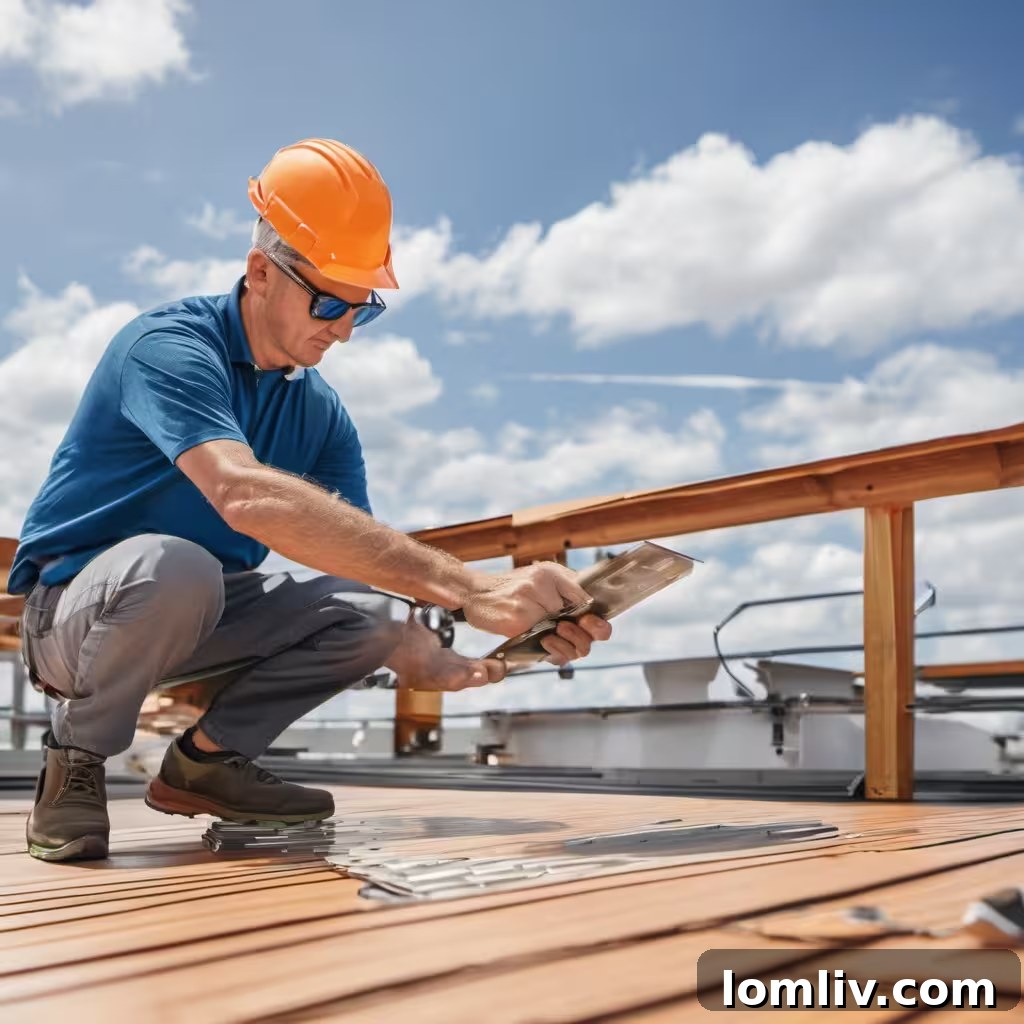
While often hidden from view, fasteners are the critical connective tissue that holds your entire deck structure together. They bear the brunt of everyday stresses, from fluctuating temperatures and moisture exposure to dynamic loads from foot traffic and furniture. Making the mistake of skimping on quality or using incorrect types of fasteners is a grave error that can lead to rapid structural deterioration, unsightly blemishes, and, most importantly, serious safety hazards. In Minnesota’s challenging climate, where decks are continually exposed to moisture from snow and rain, coupled with the corrosive effects of chemically treated lumber, choosing the right fasteners is non-negotiable.
The primary enemy of fasteners in an outdoor environment is **corrosion**. Rust, the common form of corrosion in steel, forms when iron reacts with oxygen and moisture. This process weakens the metal, reducing its load-bearing capacity and causing it to expand, which can crack or damage the surrounding wood. In Minnesota, the frequent presence of moisture, whether from melting snow, humid air, or direct rain, creates an ideal environment for rust. Furthermore, many modern pressure-treated woods utilize copper-based preservatives (like ACQ), which, when in direct contact with incompatible metals, can accelerate a galvanic reaction that leads to rapid corrosion of fasteners. Therefore, **corrosion-resistant fasteners** are not merely recommended; they are an absolute requirement for any outdoor project in Minnesota.
When selecting fasteners, two main categories stand out for their superior resistance to corrosion: **stainless steel** and **specialty coated fasteners**. Stainless steel fasteners, particularly grades 304 and 316, offer excellent corrosion resistance. Grade 304 is suitable for most general exterior applications, while 316 provides even greater protection against corrosion, making it ideal for coastal areas or specific applications where exposure to harsh chemicals or salt is a concern (though less common for inland Minnesota decks, it’s still a top-tier option). For other applications, high-quality **hot-dip galvanized** or specifically **ceramic-coated fasteners** designed for exterior use and compatibility with ACQ-treated lumber are excellent choices. These coatings create a protective barrier that shields the underlying steel from moisture and chemical reactions. Always look for fasteners explicitly labeled as “ACQ compatible,” “exterior grade,” or “corrosion resistant” when purchasing.
Beyond corrosion resistance, the **type of fastener must also match the decking material and application**. For instance, traditional deck screws are designed for securing deck boards to joists, but their specific head style (e.g., bugle head, trim head) and drive type (e.g., Torx, square drive) can impact aesthetics and ease of installation. For composite decking, manufacturers often recommend specific proprietary screws designed to prevent “mushrooming” or bulging around the screw head, ensuring a clean finish. Some premium composite decks utilize hidden fastening systems, which consist of clips that attach boards from the side, creating a seamless surface free of visible screws. Furthermore, structural connectors like joist hangers, post bases, and hurricane ties, which are crucial for the overall stability and safety of the deck frame, must also be made from adequately corrosion-resistant materials, typically hot-dip galvanized or stainless steel.
While high-quality fasteners may represent a slightly higher upfront cost, this investment is negligible compared to the expense of repairing or replacing a failing deck due to corroded or inadequate connections. Skimping on fasteners is a false economy that jeopardizes the structural integrity, safety, and lifespan of your entire deck. Prioritizing strength, durability, and corrosion resistance in every fastener ensures that your Minnesota deck remains safe, sturdy, and beautiful for countless seasons.
Conclusion
Building a deck in Minnesota is an exciting endeavor that promises years of outdoor enjoyment and increased home value. However, the state’s unique and demanding climate presents a specific set of challenges that, if ignored, can lead to costly mistakes and diminish the pleasure of your investment. From selecting materials that can withstand extreme temperature swings and abundant moisture to establishing a robust foundation that defies frost heave, every aspect of your deck’s design and construction demands careful consideration.
By understanding and proactively avoiding common pitfalls—such as choosing inappropriate materials, neglecting proper drainage and ventilation, failing to install a deep and sturdy foundation, and compromising on the quality of fasteners—you are well on your way to creating an outdoor space that is not only beautiful but also exceptionally durable and safe. The key to a successful Minnesota deck lies in thoughtful planning, meticulous attention to detail, and a commitment to quality that addresses the specific environmental demands of the region. Whether you choose to embark on a DIY project or partner with experienced deck builder in Anoka, Minnesota, armed with the insights from this article, you are now equipped to make informed decisions that will ensure your deck remains a cherished part of your home for many seasons to come.