By Norman Alston, FAIA
Special Contributor
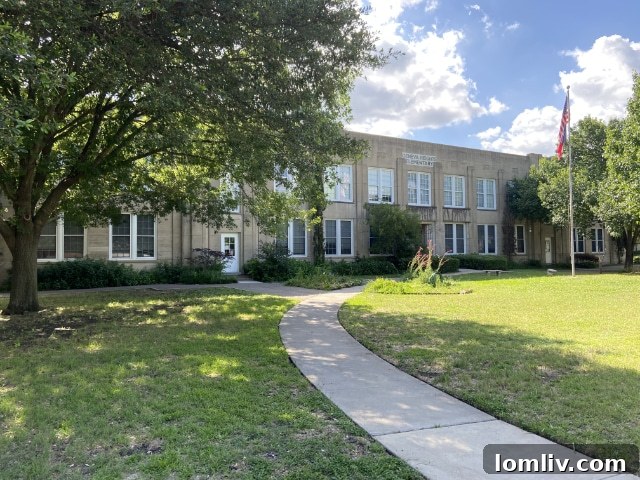
Geneva Heights Elementary, a cherished institution nestled in the heart of East Dallas, stands at a critical juncture. More than just a school building, it represents a vibrant community hub, a repository of history, and a potent symbol in the ongoing dialogue about historic preservation within the Dallas Independent School District (DISD).
In November 2020, Dallas citizens overwhelmingly approved the most ambitious school bond program in Texas history. Valued at an astounding $3.2 billion, this initiative significantly surpasses any previous DISD bond offering, signaling a profound commitment to educational infrastructure. The program’s design is particularly noteworthy: it strategically prioritizes improvements and modernization across DISD’s extensive inventory of existing schools, with only a limited number of new “replacement” campuses. This forward-thinking approach aims to move beyond decades of reactive deferred maintenance, striving instead to cultivate modern, effective, and inspiring learning environments for all students.
DISD’s Expansive Historic Building Portfolio: A Unique Responsibility
Of DISD’s 215 existing schools, a remarkable 140 are old enough to be formally considered eligible for historic status. This statistic positions DISD as the steward of the largest collection of potentially historic buildings not only in the Dallas-Fort Worth area but quite possibly across the entire state of Texas. Such a vast and historically rich portfolio carries immense responsibility and offers unparalleled opportunities for cultural and educational enrichment.
While DISD has commendably undertaken some exceptional preservation projects in the past—such as the magnificent restorations of Booker T. Washington High School, Woodrow Wilson High School, and Long Middle School—historic preservation has historically been an afterthought in the district’s broader facilities planning. A review of their 2018 Long Range Facilities Master Plan, for instance, reveals a notable absence of any mention of the sheer number of potentially historic schools, let alone a recognition of the distinct needs, challenges, and immense opportunities these venerable structures present. Where preservation has occurred, it has predominantly been the direct result of passionate community advocacy, with local residents powerfully articulating the intrinsic value of their existing school buildings—not just as learning spaces but as vital community landmarks—and expressing a strong desire for future generations to inherit and enjoy this enduring connection to their past.
Geneva Heights Elementary: A Bellwether for Preservation in East Dallas
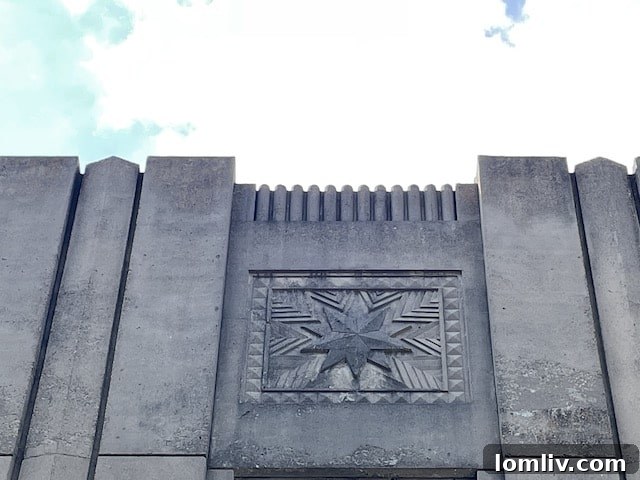
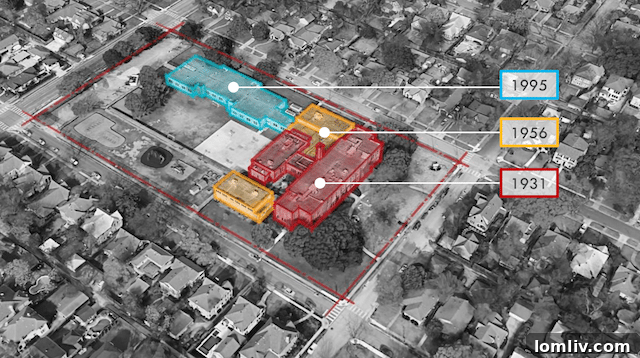
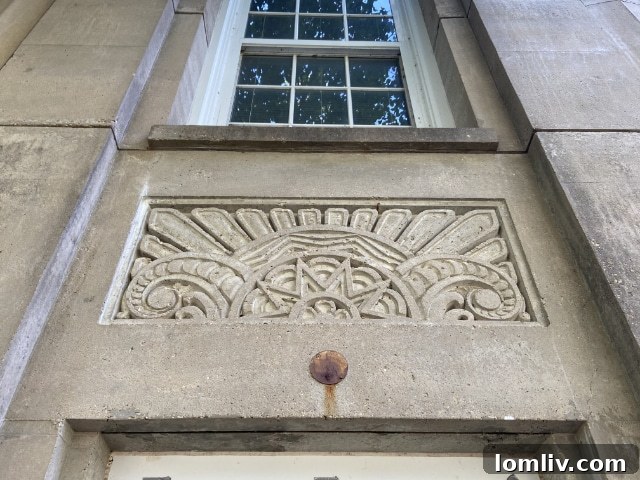
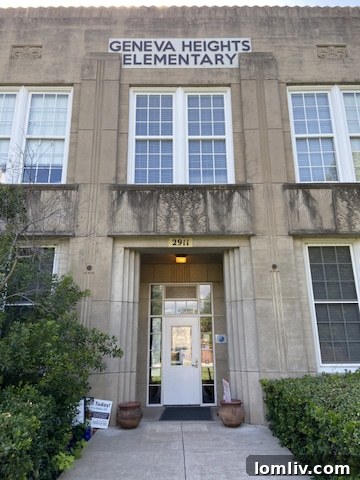
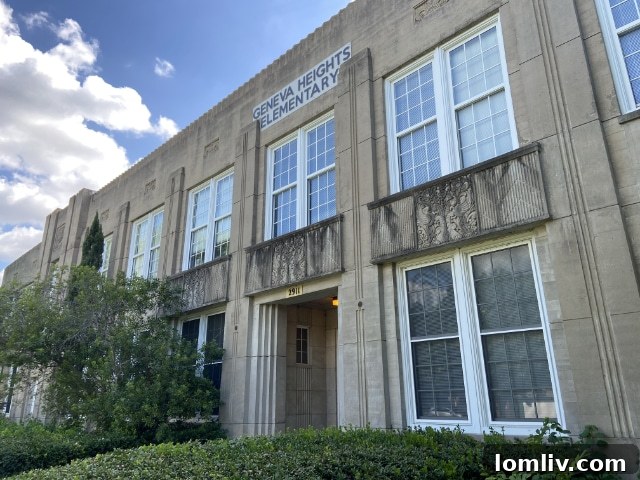
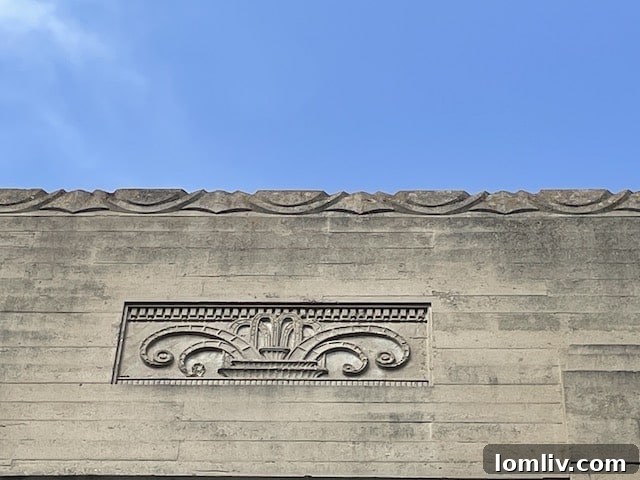
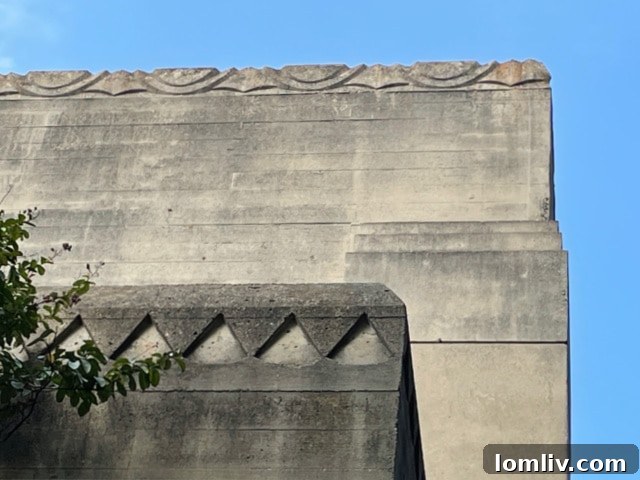
This brings us to the current situation at Geneva Heights Elementary. Constructed in 1931, this Old East Dallas school building, while perhaps modest by contemporary architectural standards, captivates with its intricate details and a timeless elegance that belies its age. It is surrounded by a large and exceptionally devoted community, a constituency that includes current families deeply engaged with the school and countless alumni who proudly carry its legacy. Their collective voice is a powerful force in shaping its future.
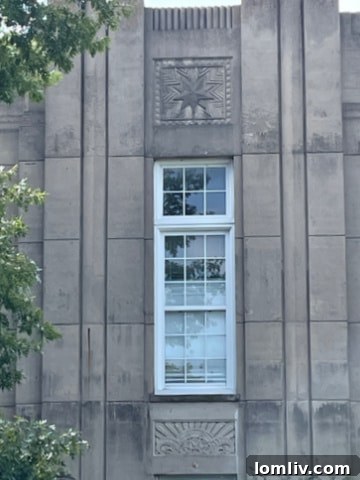
During the preparatory phases for DISD’s 2020 Bond Program, Geneva Heights was identified as having one of the highest scores on the district’s Facilities Condition Index (FCI). In this context, a high score is not a mark of excellence but rather an indicator of significant disrepair and extensive work required to bring the building up to modern standards. Consequently, Geneva Heights was placed on a list of 14 potential “replacement” schools. Initial community meetings, held to deliberate these plans, indicated a strong preference among residents for preserving the historically significant original sections of the building, while strategically replacing only the newer additions. This consensus formed the basis for early planning efforts.
Navigating Conflicting Visions for Geneva Heights
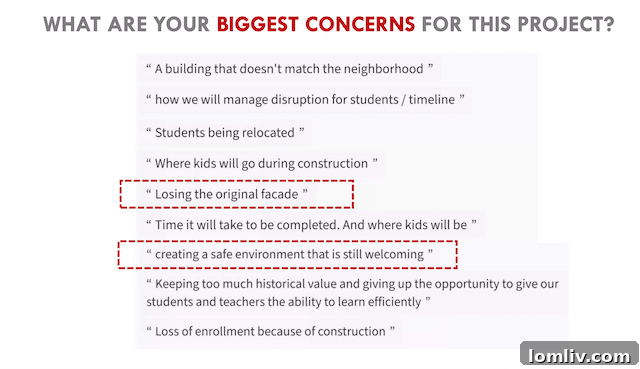
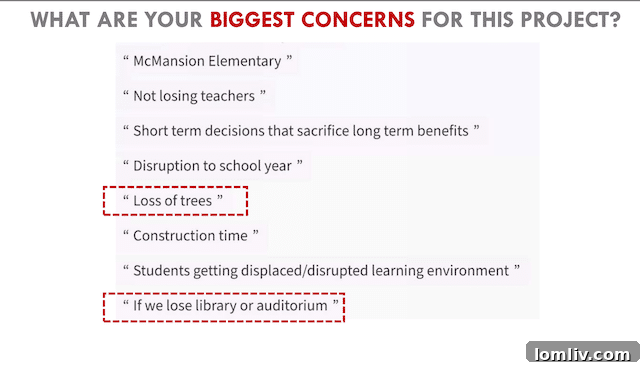
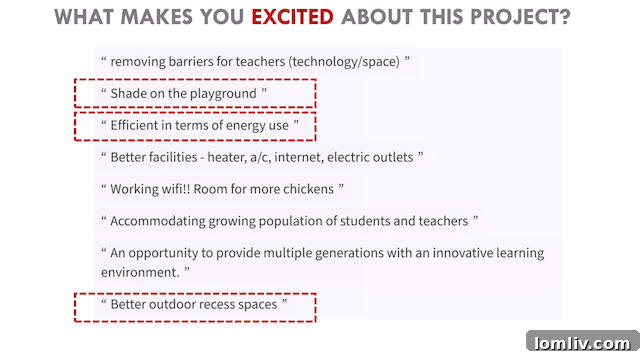
The design phase for the new iteration of Geneva Heights is now underway. However, a recent public meeting on August 30 presented a surprising turn of events. Architects unveiled plans that carefully reflected the initial community desire for preserving the exterior of the original building, integrating it with new structures. Yet, during the discussion, a significant sentiment emerged from attendees: a preference for an entirely new school, one that would retain none of the historic original structure. This unexpected shift has introduced considerable uncertainty and casts a shadow of doubt over the final direction DISD will ultimately take with Geneva Heights. The outcome of this decision will not only define the future of Geneva Heights but will also undoubtedly establish a crucial precedent for the remaining 139 older and potentially historic schools across the district, all of which are likely to undergo similar evaluations and debates over the next decade.
As the community and DISD meticulously work through the complexities surrounding Geneva Heights, it becomes imperative to examine in greater detail several unique considerations that apply to all these historic school properties. These factors extend beyond mere aesthetics and delve into fiscal prudence, environmental stewardship, and profound community impact.
The Facility Condition Index (FCI), a widely utilized tool in facility management, serves as a crucial metric for organizations overseeing large and diverse building portfolios. It helps systematically organize, catalog, and prioritize maintenance and improvement needs. The FCI is essentially a ratio or percentage that compares the estimated cost of all necessary upgrades to bring an existing building to the functional and aesthetic standards of a brand-new facility of equivalent size, against the projected cost of constructing that entirely new building. This comparative analysis provides a clear financial perspective for decision-makers.
In the specific case of Geneva Heights, the school registers an alarming FCI score of 91, tying for the third-worst score across all of DISD. This means that the projected cost to comprehensively repair and upgrade Geneva Heights to the exacting standards of a completely new school is approximately 91 percent of the cost of simply building a new school from the ground up. While the calculation might seem to suggest that a new build is almost as expensive, the crucial insight lies in the bottom line, a detail that often gets overlooked in initial assessments.
The Undeniable Economic Advantage: Renovation Outperforms Replacement
Despite pervasive misconceptions, the financial data unequivocally demonstrates a compelling truth: it is inherently more economical to renovate an existing school than to completely replace it, even for buildings with the most extensive maintenance and repair requirements. DISD itself has previously stated that preservation was “cost-prohibitive.” However, their own data, as reflected in the FCI calculation for Geneva Heights, reveals an overall savings of 9 percent when opting for renovation over new construction. This 9 percent saving, when applied across a $3.2 billion bond program and numerous historic schools, translates into hundreds of millions of dollars that could be reallocated to enhance other educational priorities or facilities.
For a school that has served as a pivotal focal point and anchor for its community for many decades, and for a school district committed to maximizing the impact of its facilities dollars, this financial reality should be the definitive answer to the renovate-versus-replace debate. Renovation not only preserves a significant capital asset but also avoids the substantial hidden costs associated with demolition, waste disposal, and the disruption to a community that often accompanies the loss of a beloved landmark. Smart financial planning recognizes the long-term value embedded in existing structures.
Embracing Environmental Responsibility: The Greenest Building is Already Built
Beyond the compelling financial arguments, another critically important consideration, often strangely overlooked, is environmental responsibility. Our collective quest to optimize the use of natural resources and aggressively combat the escalating effects of climate change rightfully garners significant attention and widespread support, particularly among environmentally conscious residents of East Dallas. In the architecture and design fields, a near-universal consensus has emerged: wherever feasible, the preservation and adaptive reuse of existing structures represent the most environmentally responsible approach. As famously articulated by Karl Elephanté, a former president of the American Institute of Architects, “The greenest building is the one that is already built.”
Building construction is a prodigious contributor to global climate degradation, responsible for a significant portion of carbon emissions and waste. By choosing not to demolish an existing building, and thereby avoiding the substantial deposit of its components into local landfills, we preserve immense amounts of “embodied carbon.” Embodied carbon refers to the greenhouse gas emissions associated with the entire lifecycle of building materials: from extraction and manufacturing to transportation and construction. Saving a building means saving all that energy and emissions already invested. Furthermore, preservation eliminates the need to expend additional energy and consume precious new natural resources for new construction. This decision directly aligns with sustainable practices, reducing our carbon footprint and promoting a circular economy. The notion that “new is good, old is bad” is not merely outdated; it is a relic of 20th-century thinking that directly contradicts modern environmental imperatives. How profoundly contradictory would it be for us to diligently teach our children about sound environmental stewardship and sustainable practices within the walls of a brand-new school, built at the expense of ignoring those very principles?
Community Identity and the Enduring Legacy of Historic Schools
Our schools are far more than just brick-and-mortar structures; they are the heartbeats of our communities, central to family life, and foundational to a child’s educational journey. The profound emotional, social, and cultural value that historic schools like Geneva Heights offer cannot be quantified by the Facility Condition Index alone. These buildings are imbued with generations of memories, stories, and shared experiences, fostering a deep sense of belonging and continuity within neighborhoods. They provide a tangible link to the past, reminding students and residents of the rich history that shaped their community. Demolishing such a landmark can sever these vital connections, eroding community identity and creating a void that a new building, however modern, can rarely fill. Preserving these unique architectural assets, while thoughtfully adapting them for 21st-century learning, enriches the educational environment with character, history, and a sense of place that generic new constructions often lack.
Charting a Sustainable Path Forward for DISD’s Historic Gems
The current challenge at Geneva Heights Elementary serves as a critical case study and an urgent call to action for DISD. With 139 other potentially historic schools awaiting similar evaluations, it is imperative that the district develops a comprehensive, proactive, and deeply integrated historic preservation strategy. This strategy should go beyond reactive community protests and instead involve:
- Early Engagement: Foster genuine, transparent, and early community dialogue about historic assets and preservation options from the outset of any planning process.
- Expertise Integration: Incorporate historic preservation specialists, architects, and environmental consultants into master planning teams to ensure informed decisions.
- Long-Term Vision: Develop a district-wide preservation plan that identifies significant schools, prioritizes their needs, and outlines sustainable funding and maintenance strategies.
- Educational Messaging: Clearly communicate the financial, environmental, and cultural benefits of preservation to all stakeholders, dispelling myths and fostering understanding.
- Innovative Solutions: Explore adaptive reuse designs that creatively blend historic character with modern educational needs, accessibility, and technology.
As the community and DISD grapple with the pivotal questions facing Geneva Heights, it is paramount for all involved to fully grasp the multifaceted implications of their decisions. The choice made here will reverberate far beyond one school building, shaping the architectural legacy, environmental footprint, and community spirit of Dallas’s public education system for generations to come. It is a decision that demands foresight, fiscal responsibility, and a profound respect for our shared heritage.
Norman Alston, FAIA, founded Norman Alston Architects 30 years ago to allow him to focus his practice on historic preservation, the fulfillment of his architectural passion. Through his restoration designs, education and advocacy, he seeks to integrate historic buildings into the urban fabric while creating a wider culture of preservation that embraces the unique character of the community’s architectural legacy.