In the dynamic world of investment, a timeless axiom guides the sagacious: “buy low and sell high.” This fundamental principle champions a contrarian approach, urging investors to resist the herd mentality and discern genuine value amidst fleeting trends. It’s about recognizing when the market is overenthusiastic about a fad and, conversely, when it’s unfairly neglecting a sound opportunity. For instance, the fleeting popularity of certain niche eateries, like poke restaurants, often serves as a cautionary tale; what seems like “the next big thing” can quickly fade into obscurity, much like yesterday’s ramen craze. It is with this discerning investment philosophy in mind that one must critically examine recent shifts in the housing market, particularly the post-pandemic surge in demand for larger homes, as highlighted by a recent Realtor.com report.
The initial instinct to seek more expansive living spaces in the wake of the COVID-19 pandemic was entirely understandable. As remote work models became not just temporary solutions but permanent or semi-permanent fixtures in many professional lives, the need for dedicated home offices or additional bedrooms for work-from-home employees became evident. Beyond functional work areas, many also yearned for private outdoor spaces, perhaps a sprawling garden, a serene patio, or even a swimming pool, offering respite and recreation in an era of restricted public access. This natural evolution of housing needs suggested a sensible reevaluation of space requirements for the average homeowner.
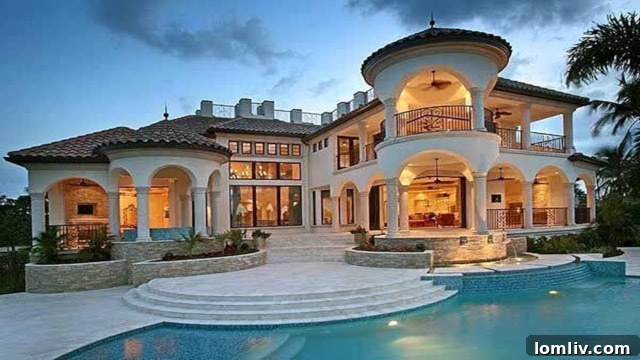
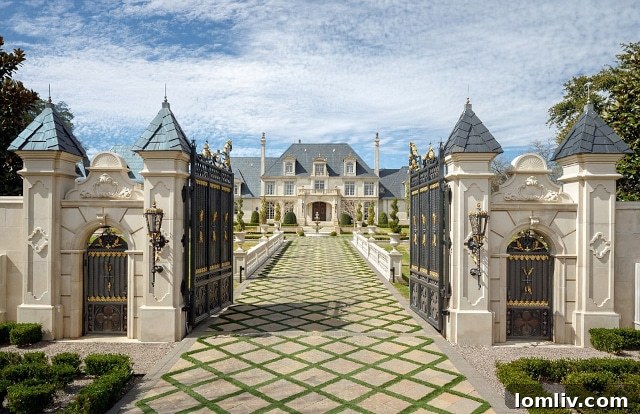
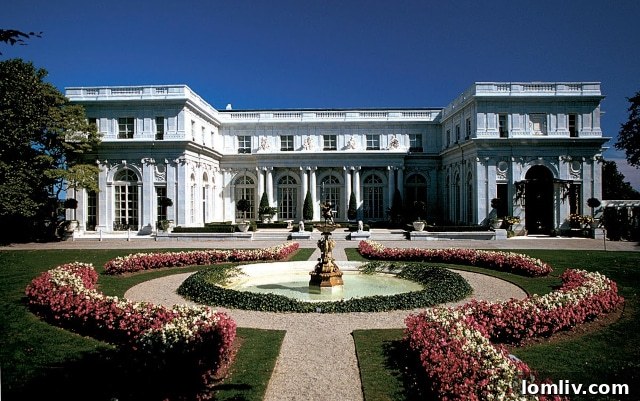
However, the trend reported by Realtor.com wasn’t merely about the average buyer adding an extra room or a modest backyard. Instead, it spotlighted an intriguing, and arguably irrational, phenomenon within the ultra-luxury segment. Wealthy homebuyers, many already residing in substantial “McMansions,” began actively pursuing even grander “McMcMansions”—properties often exceeding 10,000 square feet and boasting significant acreage. These were not just new constructions but frequently white elephant listings that had languished on the market for years, suddenly being snapped up with an unprecedented fervor, driven more by fear than by sound investment logic. This sudden pivot marked a distinct reversal of a previous luxury market trend that favored more manageable, albeit opulent, properties over excessively large estates.
This dramatic shift in buyer behavior was a direct, fear-driven reaction to the unprecedented challenges of social and family distancing. The pandemic fostered an irrational need among some multi-generational families to consolidate under one roof, seeking “Swiss Army knife” homes capable of catering to virtually every conceivable need once fulfilled by the outside world. These properties were envisioned as self-contained fortresses, veritable above-ground bunkers, albeit without the Spartan aesthetic of military-chic bunkbeds. The demand for specific features such as multiple home offices, private gyms, state-of-the-art media rooms, and even dedicated “classroom spaces” became a tangible, albeit highly specialized, requirement for these super-sized residences. The underlying sentiment was clear: a desire for complete self-sufficiency and insulation from perceived external threats, regardless of the long-term practicality or financial wisdom.
The Perils of Panic: Why Fear-Driven Decisions Often Fail
At its core, this trend is symptomatic of panic, a potent emotion rarely conducive to sound financial decision-making. If conventional wisdom advises against making significant life choices for several months *after* a life-altering event has passed, how prudent can it be to make such decisions *during* the very throes of a global crisis? History offers abundant lessons on this front. While major events of the past century, from world wars to economic depressions, have undoubtedly shaped societies and economies, none have fundamentally and permanently altered the intrinsic human desire for social interaction, community engagement, and external experiences. The idea of acquiring acres of private land to permanently replace public parks, cultural venues, or social gathering spots is not only an exorbitantly expensive short-term fix but also fundamentally out of sync with long-term human behavior. As early re-openings and subsequent surges in cases demonstrated, once restrictions are eased, people instinctively gravitate back towards normalcy, eager to reconnect with the world beyond their immediate walls.
To put this in historical context, let’s examine the evolution of home sizes in the U.S. In 2014-2015, the average new single-family home peaked at approximately 2,660 square feet, before modestly retreating to 2,498 square feet by 2019. Contrast this with 1920, when the average new home measured a mere 1,048 square feet—meaning roughly 2.5 homes from a century ago would equate to a single modern residence. However, square footage alone doesn’t tell the full story. The 1920 household, on average, housed 4.33 people, resulting in a modest 242 square feet per person. Fast forward to 2019, and a home, though significantly larger, typically accommodated only 2.52 occupants, translating to a generous 992 square feet per person. This dramatic fourfold increase in personal space occurred during a period when household occupancy dropped by a substantial 42 percent. This shift primarily reflects increased prosperity, smaller family sizes (influenced by factors like birth control), and a desire for more individual space, rather than a universal need for colossal structures. Indeed, many, including the author, comfortably reside in relatively spacious homes alone, acknowledging the personal preference for space without endorsing excess.
The pertinent question then becomes: Will COVID-19 permanently reverse this trajectory, causing average new home sizes to rebound to or even surpass 2014-2015 levels? While a temporary surge is plausible, a sustained, long-term trend appears doubtful for the vast majority of buyers. For average households, the realities of stagnant wage growth and the overarching concern for affordability will inevitably temper any prolonged expansion in home sizes. Practicality and financial prudence will likely outweigh the desire for size for size’s sake. The wealthy, of course, are often less constrained by such financial considerations. Yet, even for them, investing in a home whose market viability was largely contingent on a global pandemic carries inherent risks. Such a property might require another, equally rare and disruptive global event to find a ready buyer, or it may necessitate selling at a significant, potentially multi-million-dollar, loss.
Long-Term Real Estate Strategy: Learning from the Past, Investing for the Future
A fundamental tenet of informed decision-making, particularly in real estate investment, is the axiom that the past often informs the future. Looking back before moving forward provides invaluable insight into market cycles and underlying value. For example, when acquiring my Athena condo in 2012, I meticulously analyzed decades of prior sales data. This rigorous review allowed me to understand property values before the real estate bubble burst and the ensuing recession, giving me a clear picture of its potential for bounce-back and long-term appreciation. This historical perspective provided the confidence needed to make a sound investment.
Applying this lens to the current market, it’s clear that certain individuals genuinely need to upsize to effectively manage their work-from-home lives. This might translate to an additional bedroom for an office, or perhaps a more functional layout. However, even these seemingly permanent changes might prove to be less enduring than we currently envision, as companies re-evaluate hybrid models and the pandemic’s immediate pressures subside.
But for those affluent, fear-stricken buyers scouring the market for 15,000-square-foot behemoths featuring ten bedrooms, a private gym, a state-of-the-art media room, multiple classrooms, dedicated offices, alongside a swimming pool, tennis court, and putting green – the challenge of eventually unloading such a property will be immense. This elaborate multi-generational fantasy of weathering the end of the world together is, in reality, often just that: a fantasy. Children and grandchildren, with their own lives, careers, and social circles, will inevitably return to their independent routines and visitation schedules once the crisis abates. What feels urgent and necessary now is a transient phenomenon, unlikely to recur with the same intensity for decades. Meanwhile, the owners of these sprawling estates may find themselves watching “It’s a Wonderful Life” in an empty media room, while housekeepers perpetually sweep cobwebs from thousands of square feet of unused space. The sheer operational cost, from astronomical utility bills to extensive staffing and maintenance, will undoubtedly become a source of significant stress, perhaps requiring more than just a tranquil viewing to ease the burden.
Understanding Market Liquidity and Resale Value in Luxury Real Estate
A crucial aspect often overlooked by buyers in a frenzy is the reason why a property has lingered on the market for an extended period. If a home has remained unsold for years, there’s almost always a fundamental reason. Sometimes it’s simply an unrealistic price point, but often, the property itself possesses inherent drawbacks, making it less desirable or functionally “useless” to a broad segment of the market. Astute buyers must thoroughly investigate and comprehend these underlying issues, because, without fail, they will encounter the very same challenges when it comes time to sell. Will reselling a cavernous home, acquired during a period of widespread fear and driven by transient needs, necessitate another equally unique and unsettling global event to attract a buyer? Or will the owners face the grim reality of losing hundreds of thousands, or even millions, when they eventually attempt to offload such a specialized asset in a more normalized market?
An amusing, yet telling, detail from the original report was the palpable squeamishness of these wealthy buyers when their acquisitions were labeled as “mansions” or, even worse, the dreaded “McMansion.” Instead, a noticeable rebranding effort emerged in property listings, with these opulent residences being re-categorized as “large estates.” This linguistic maneuvering, while attempting to sound less ostentatious and perhaps more dignified, ultimately serves as an eye-roll-inducing attempt to mask the true nature and potential liabilities of these excessively large and often impractical properties. It highlights a disconnect between the perception of prestige and the reality of long-term value and market liquidity.
Ultimately, such reports serve as a valuable reminder of the importance of maintaining a critical perspective in real estate. The allure of chasing trends, especially those fueled by emotion, can be strong. However, true investment wisdom lies in adhering to fundamental principles, understanding market cycles, and making rational, long-term decisions that transcend the momentary anxieties of the present. Perhaps, for the sake of sound judgment, it’s best to occasionally step back from the sensational headlines of real estate news portals and focus on enduring value.