Colleyville Community Victorious: Preserving the Urban Forest Amidst Development Pressures
In a significant win for local environmental conservation and community-led preservation efforts, residents of Colleyville, Texas, have successfully halted a major development project that threatened a vital segment of the city’s cherished natural landscape. The recent decision by the Colleyville City Council marks a pivotal moment in the ongoing battle to protect the unique character and ecological integrity that make this Tarrant County city such a highly desirable place to live.
The controversy centered around a 14-acre parcel of land strategically located between Pool Road and Wilkes Drive. This beautiful, wooded area, home to a pristine segment of the Cross Timbers Forest, faced a proposal for extensive development into a gated community. However, on February 21, the Colleyville City Council delivered a unanimous denial to WillowTree Custom Homes’ appeal, rejecting their request to rezone the property from its existing agricultural classification to single-family estate residential. This resolute denial effectively blocked “The Bluffs at Colleyville,” a planned luxury home development, much to the relief and celebration of a dedicated community.
For more insights into Colleyville’s dedication to its green spaces and the ongoing dialogue between urban growth and natural preservation, explore further discussions on the “Trees vs. Houses” debate within the city’s urban forest initiatives.
Read more about the Colleyville urban forest debate.
The Heart of the Matter: Protecting Colleyville’s Natural Heritage
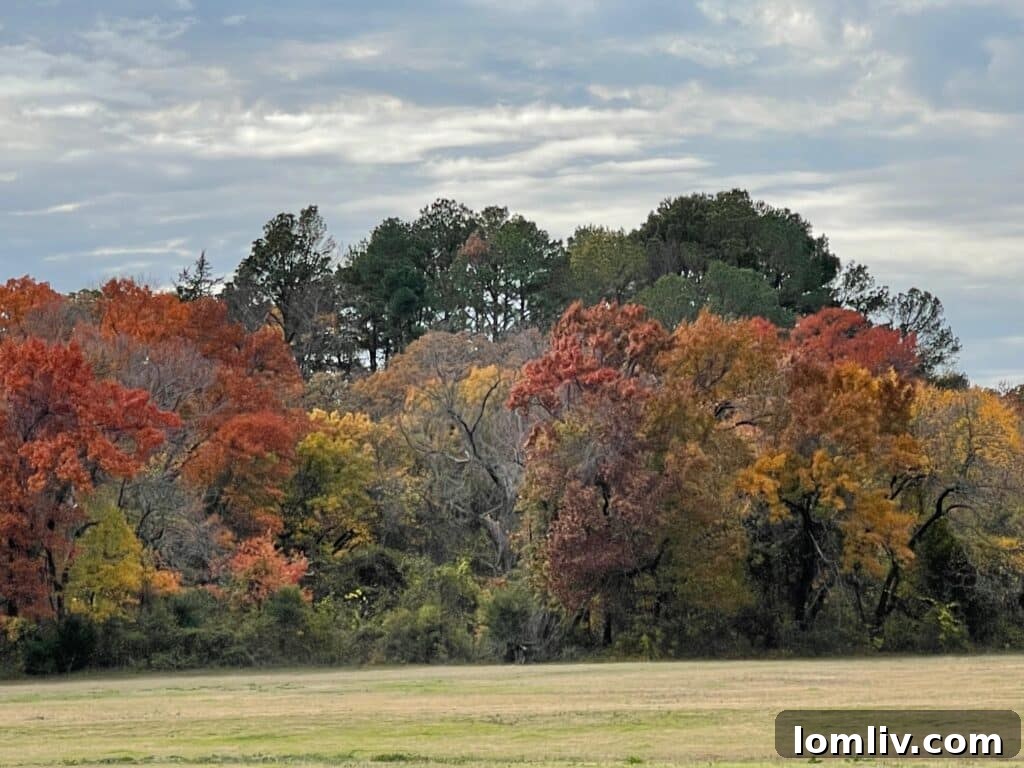
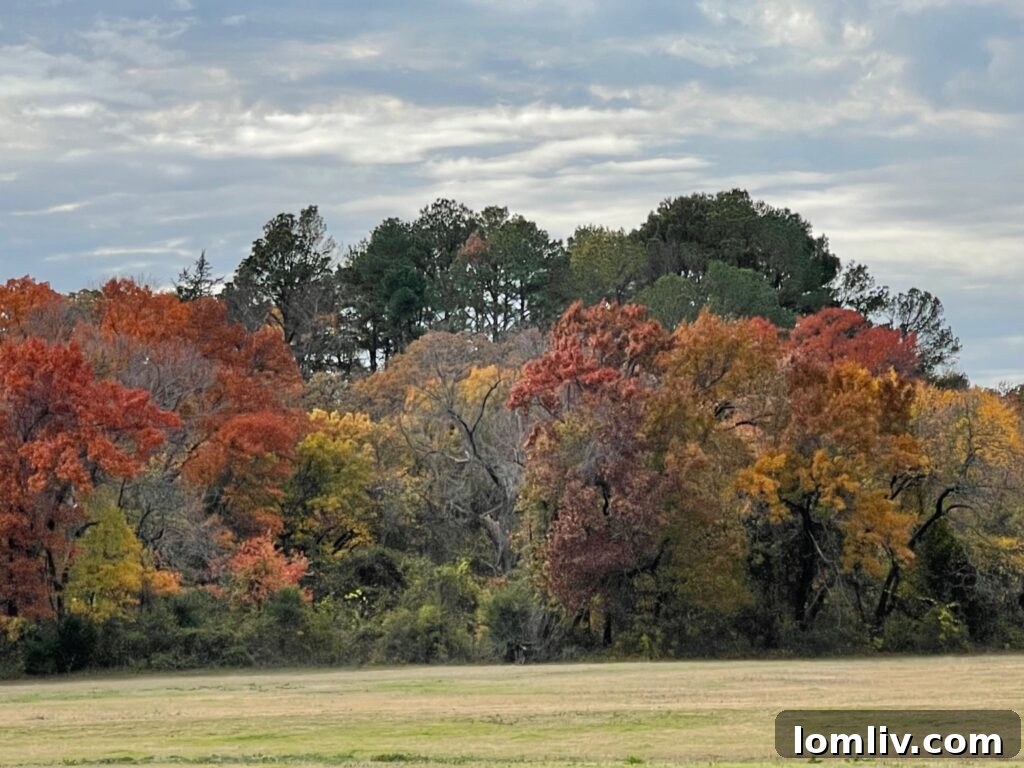
The 14 acres at the core of this dispute are far more than just undeveloped land; they represent a crucial piece of Colleyville’s natural heritage. This area is distinguished by its unique characteristic as a remnant of the Eastern Cross Timbers Forest, an ecological treasure defined by its distinctive blackjack oak and post oak trees. Moreover, the land’s topography is significant, sloping steeply into the Big Bear Creek watershed, making it an integral part of the local hydrological system and a critical wildlife habitat.
Community activist Tim Waterworth, a prominent voice in this movement and the force behind the SaveColleyvilleTrees.com initiative, eloquently articulated the profound implications of the proposed development. Following the City Council’s decisive vote, Waterworth shared a message with his supporters, encapsulating the collective relief and outlining the rationale behind the community’s unwavering opposition. His statement underscored the irreplaceable value of what would have been lost:
Last night the Colleyville City Council delivered a resounding 6-0 denial to the developer’s appeal, effectively stopping the rezoning and proposed development of 14 precious acres of Cross Timbers Forest located at 2417 Wilkes Drive and 6900 Pool Road. Our heartfelt kudos go out to the City Council for their foresight and for thoroughly understanding the true implications of this proposal. This particular parcel of land is exceptionally unique, boasting an ancient Cross Timbers Forest situated on terrain that descends sharply into the vital Big Bear Creek watershed.
The Council demonstrated a clear understanding of what the developer seemed reluctant to acknowledge: that the site’s significant elevations would necessitate extensive grading, considerable fill material, and the construction of massive retainer walls. Such interventions would have irrevocably altered the natural landscape. Ultimately, the consequence would have been the devastating loss of a pristine remnant of the Eastern Cross Timbers Forest, comprising hundreds of irreplaceable large and mature Heritage Trees. Beyond the trees themselves, the intricate wildlife habitat they meticulously provide would have been decimated, forever impacting the delicate ecological balance of our region.
We extend our profound gratitude to the dedicated elected city leaders, the diligent Planning & Zoning commissioners, and the tireless city staff who invested countless months of hard work and commitment into this complex case. Their unwavering dedication to due process and the well-being of our community did not go unnoticed. Our deepest thanks also go to the hundreds of concerned and caring citizens who took the time to sign opposition letters, making their voices heard through formal channels. A special appreciation is reserved for the many neighbors who consistently showed up at public meetings, respectfully advocating for our shared vision and ensuring that community concerns were at the forefront of the discussion.
We especially commend our neighbors who, from the very outset, firmly rejected the defeatist assertion often made in such situations: “It’s going to be developed anyway, you might as well get on board.” Your relentless pushing back, your individual contributions to this powerful movement, and your collective spirit in coming together made an undeniable, positive difference. This victory is a testament to what a united community can achieve.
As for the future of this invaluable land, time will undoubtedly reveal its path. However, I am more confident than ever that we are closer to realizing the possibility of this land being permanently conserved. It has the potential to become a true community heritage asset, a cherished legacy to be enjoyed and protected by future generations of Colleyville residents.
The Environmental and Community Impact of Forest Preservation
The Colleyville City Council’s decision was not merely about denying a development; it was a profound affirmation of the city’s commitment to environmental stewardship and maintaining the high quality of life its residents cherish. The Cross Timbers Forest is not just aesthetically pleasing; it performs crucial ecological functions. It acts as a natural filter for air and water, helps mitigate urban heat island effects, supports biodiversity by providing food and shelter for countless species, and prevents soil erosion, particularly in sloped areas like those leading to Big Bear Creek.
The prospect of significant grading, extensive filling, and the construction of numerous retainer walls, as highlighted by Waterworth, painted a stark picture of environmental degradation. Such activities would have directly impacted the watershed, potentially increasing runoff and compromising water quality. The removal of hundreds of mature trees, often referred to as “Heritage Trees” due to their age and ecological value, would have represented an irreversible loss, destroying a natural ecosystem that has evolved over centuries. This potential destruction was a primary driver behind the community’s passionate advocacy, demonstrating a clear understanding that once these natural assets are lost, they cannot be truly replicated.
The Power of Community Activism and Responsible Governance
This success story in Colleyville is a powerful testament to the efficacy of community activism when coupled with responsive local governance. The diligent efforts of residents, led by individuals like Tim Waterworth, exemplify how organized and respectful advocacy can influence critical decisions. Their strategy involved not only raising awareness through platforms like SaveColleyvilleTrees.com but also mobilizing citizens to participate actively in the democratic process—attending meetings, submitting formal opposition letters, and consistently voicing their concerns.
The City Council’s unanimous 6-0 vote underscores their commitment to listening to their constituents and prioritizing the long-term environmental and community well-being over immediate development pressures. It signifies a council that delves deep into the potential impacts of proposals, beyond just surface-level presentations, to understand the full scope of environmental and aesthetic alterations. This collaborative spirit, where city leaders, planning commissioners, and staff work closely with engaged citizens, forms the bedrock of sustainable community development and protects the very essence of what makes Colleyville unique.
Looking Ahead: Towards a Future of Conservation
While the immediate threat has been averted, the question of the land’s long-term future remains. As Tim Waterworth noted, “Time will tell.” However, this victory undoubtedly brings the community closer to the aspirational goal of conserving this land as a permanent community heritage asset. Potential pathways could involve the city or local land trusts acquiring the property, or perhaps further collaborative efforts to establish conservation easements that protect the Cross Timbers Forest indefinitely.
The “Trees vs. Houses” debate is not unique to Colleyville; it’s a narrative playing out in rapidly growing urban and suburban areas across the nation. However, Colleyville’s recent decision provides an inspiring model for how communities can effectively stand up for their natural spaces. It reinforces the idea that an area’s appeal is often intrinsically linked to its green infrastructure and natural beauty, factors that contribute significantly to property values, public health, and overall quality of life. This precedent sets a strong foundation for future planning and development decisions within Colleyville, ensuring that the city continues to thrive while simultaneously preserving the invaluable natural resources that define its charm.