Navigating Market Volatility: Understanding Mortgage Rates, Inflation, and Your Home Buying Journey
Recent headlines have spotlighted significant shifts in the financial landscape, particularly a notable downturn in the stock market with the Dow Jones experiencing its most substantial single-day decline in two years. Traditionally, a shaky stock market often signals a flight to safety, leading investors to reallocate funds into more stable assets like bonds. This increased demand for bonds typically drives bond prices up and, consequently, pushes interest rates down. For aspiring homeowners and those looking to refinance, lower interest rates generally translate into more affordable mortgage payments, a welcome prospect during economic uncertainty.
However, the current economic climate presents a more complex picture. While the stock market’s performance usually has a direct and inverse relationship with bond yields and subsequently mortgage rates, another powerful economic force is exerting upward pressure on rates: inflation. This dual influence creates a challenging environment for predicting the direction of mortgage rates, leaving many potential home buyers and current homeowners feeling uncertain about their next steps, especially regarding the critical decision of locking in a mortgage rate or letting it float.
Decoding the Market: Stocks, Bonds, and Interest Rates
To fully grasp the intricate dance of today’s financial markets, it’s essential to understand the core relationships at play. When the stock market, represented by indices like the Dow Jones Industrial Average, experiences a sharp decline, it often reflects broader economic anxieties. Investors become more risk-averse, pulling money out of potentially volatile stocks and moving it into safer investments. U.S. Treasury bonds are a prime example of such a safe haven. As demand for these bonds increases, their prices rise. Bond prices and their yields (which dictate interest rates) move in opposite directions; therefore, higher bond prices typically lead to lower bond yields and, by extension, lower long-term interest rates, including mortgage rates.
This historical pattern is why many expect mortgage rates to drop during stock market downturns. For decades, this inverse correlation has provided a degree of predictability for the housing market. Homebuyers could often anticipate more favorable borrowing conditions when the broader economy seemed to falter, making homeownership potentially more accessible.
The Inflation Factor: A Game Changer for Mortgage Rates
What makes the current situation unique, and why are interest rates not following the usual script despite stock market turbulence? The answer lies in persistent inflation. Inflation is the rate at which the general level of prices for goods and services is rising, and subsequently, the purchasing power of currency is falling. When inflation is high and persistent, it erodes the value of future money. Lenders, including those in the mortgage industry, must account for this erosion. If inflation is expected to remain elevated, lenders will demand higher interest rates to compensate for the diminished purchasing power of the money they will be repaid in the future.
Central banks, like the U.S. Federal Reserve, actively manage inflation through monetary policy. Their primary tool to combat rising inflation is to increase the federal funds rate, which influences interest rates across the entire economy, including mortgage rates. By making borrowing more expensive, the Fed aims to cool down economic demand, thereby bringing inflation back to its target levels. Even if a stock market dip would otherwise suggest lower rates, the Fed’s aggressive stance against inflation can counteract this effect, keeping mortgage rates elevated or even pushing them higher. This dynamic explains why we might see a simultaneous downturn in stocks and an upward trend in mortgage rates, a scenario that can be particularly perplexing for consumers.
Locking vs. Floating: Making the Right Mortgage Decision
In this unpredictable environment, the question of whether to “lock” or “float” a mortgage rate becomes paramount for anyone buying a home or refinancing. Understanding the implications of each choice is crucial:
- Locking Your Rate: When you lock your mortgage rate, your lender guarantees a specific interest rate for a set period, typically 30 to 60 days. This means that even if market rates increase before your loan closes, your rate remains fixed. The primary advantage of locking is certainty and protection against rising rates. If you believe rates are likely to increase, or if you simply prefer peace of mind, locking offers security. However, if rates were to fall significantly after you’ve locked, you might miss out on a lower rate, though some lenders offer “float-down” options for a fee.
- Floating Your Rate: Floating means you allow your interest rate to move with the market until a specified period before closing, or even until closing day. The benefit here is the potential to capture a lower rate if market conditions improve. If you’re confident that rates will decrease, or if you have a high tolerance for risk, floating could save you money. The significant risk, however, is that rates could rise, resulting in a higher monthly payment than initially anticipated. This strategy is particularly risky in a volatile market influenced by inflation.
The decision to lock or float is a personal one, weighing your risk tolerance against your market outlook. Given the conflicting signals from the stock market and inflation, making an informed choice requires deep market knowledge and expert guidance.
The Indispensable Role of a Trusted Mortgage Expert
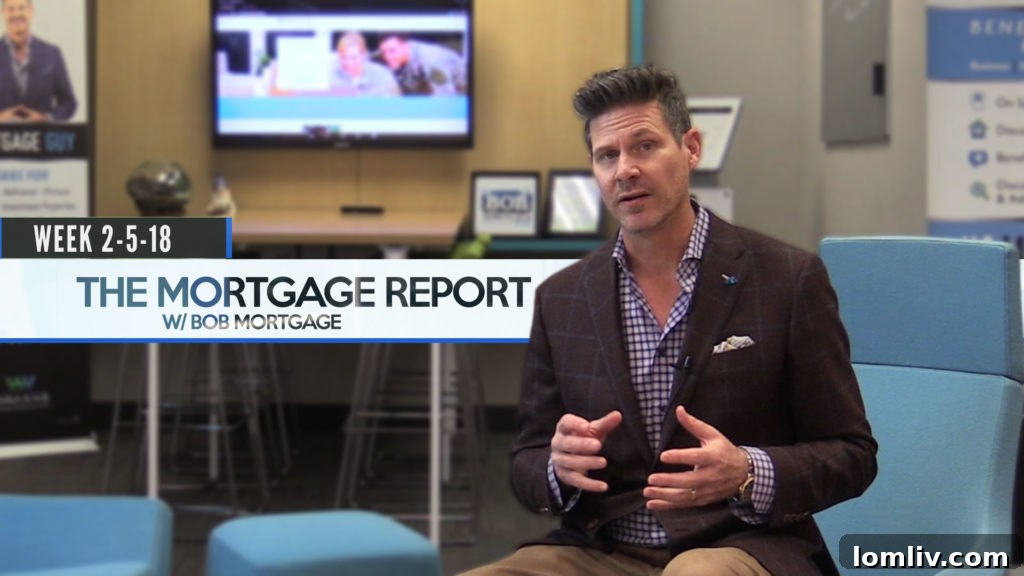
When faced with such complex financial decisions, attempting to navigate the waters alone can be overwhelming and potentially costly. This is precisely where the expertise of a seasoned mortgage adviser becomes invaluable. Professionals like Bob Johnson, affectionately known as BobMortgage, are not just facilitators of loans; they are strategic partners who possess an intimate understanding of market nuances.
As the senior mortgage adviser at the nation’s oldest private lender —Wallick & Volk — BobMortgage brings decades of experience and market foresight to the table. His role extends beyond simply finding you a rate; he helps you interpret economic indicators, understand their potential impact on your specific financial situation, and make proactive decisions tailored to your home buying or refinancing goals. Whether you’re a first-time buyer or a seasoned investor, his guidance on the timing of a rate lock, understanding different loan products, and mitigating risk can save you thousands over the life of your loan.
Wallick & Volk’s long-standing reputation as a private lender means they often have the flexibility and resources to offer diverse products and personalized service, which can be a significant advantage in a dynamic market. Leveraging their institutional knowledge combined with BobMortgage’s individual expertise ensures you’re making choices based on solid market intelligence, not speculation or panic.
Empowering Your Home Buying Journey in Uncertain Times
No matter what price range you’re considering, or what phase you are in your home buying journey, having clarity on mortgage rates and market trends is essential. In an environment where the Dow’s plummet and persistent inflation are simultaneously shaping the cost of borrowing, panic is the least productive response. Instead, informed action, guided by experts, is key.
Homeownership remains a significant long-term investment for many, offering stability and wealth building over time. While short-term market fluctuations can be concerning, a well-planned approach, backed by solid financial advice, can help mitigate risks and capitalize on opportunities. Focus on your personal financial health, understand your budget, and work with professionals who can demystify the complexities of the mortgage market. They can help you assess affordability, explore various loan options, and strategize the best time to secure your rate.
Ultimately, making the right decision about your mortgage rate in today’s intricate financial climate requires more than just watching the news; it demands expert analysis and personalized advice. So, instead of succumbing to market anxieties, empower yourself with knowledge and professional guidance.
Don’t panic! Gain valuable insights and expert analysis to guide your decisions. Watch this week’s comprehensive Mortgage Report for a detailed breakdown of current market conditions and actionable advice.