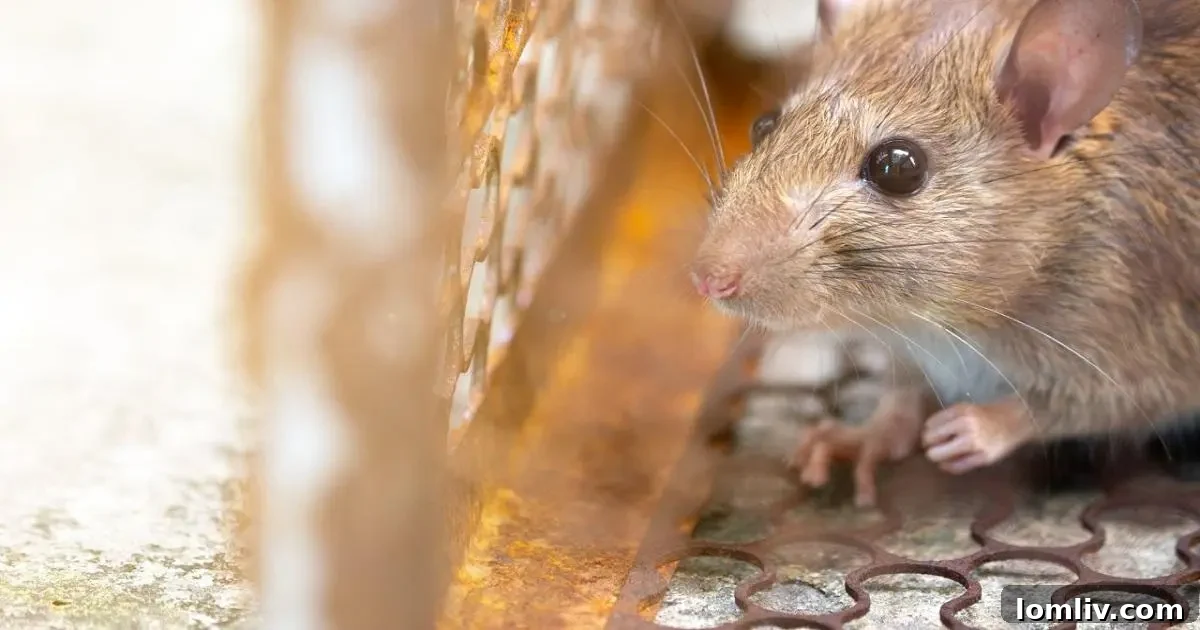
Selling your property can be a complex process, and one often overlooked but critically important step is ensuring your home is free from unwanted guests. Critter removal should be a top priority for any homeowner looking to list their property. Addressing any pest or wildlife issues doesn’t just protect your investment; it significantly increases your home’s attractiveness and marketability to potential buyers. Many discerning buyers are immediately deterred by any signs of infestations, viewing them as red flags that could indicate deeper, more costly structural problems or ongoing maintenance headaches in the future.
Before you even think about putting that “For Sale” sign in your yard, conduct a thorough inspection of your property for potential critter hiding places and entry points. Pay close attention to wall cracks, gaps in the foundation, openings around utility lines, and even your roofline. A property that is demonstrably critter-free exudes an impression of meticulous care and responsible ownership. This immediately puts buyers at ease, enhances their perception of the property’s value, and can significantly improve your negotiating position.
While some minor issues might be tackled with DIY methods, professional wildlife removal services can save you a tremendous amount of time, stress, and potential future complications. Knowing that your home has been expertly inspected, thoroughly treated, and made safe from pests provides invaluable peace of mind, allowing you to confidently present your property to any prospective buyer.
The Undeniable Impact of Critter Removal on Your Home Sale
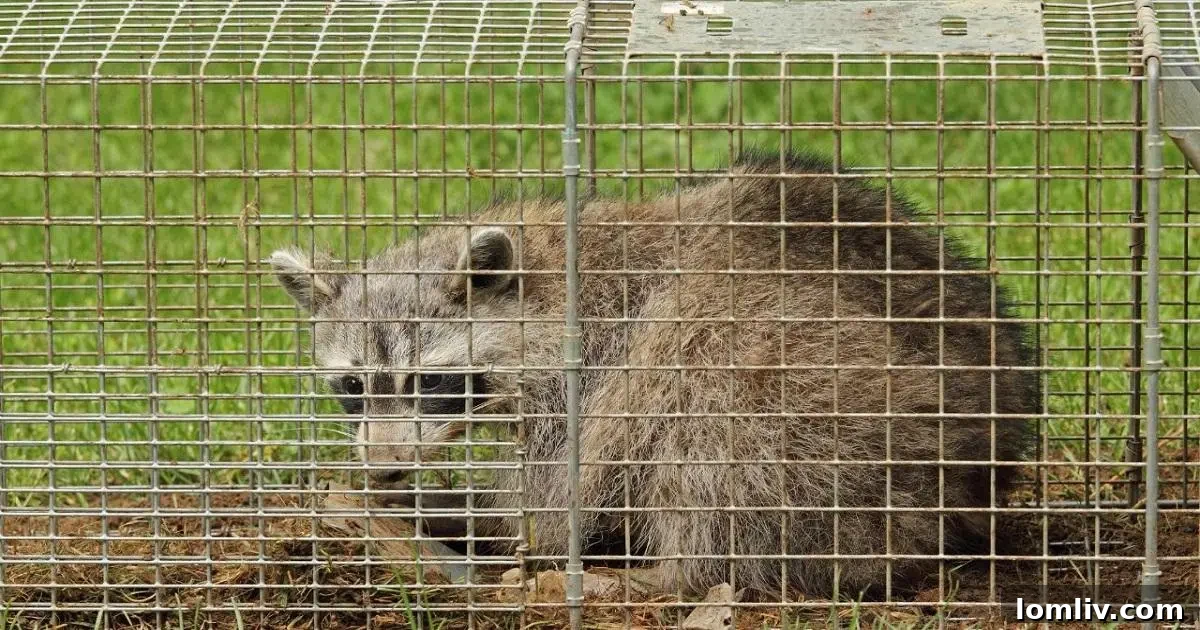
The presence of critters, from tiny insects to larger wildlife, can have a surprisingly profound and negative effect on a home sale. These issues directly impact both the visual appeal and perceived value of your property, influencing everything from buyer interest to final sale price.
Elevating Curb Appeal and First Impressions
Curb appeal plays an absolutely crucial role in attracting prospective buyers. It’s the first impression your home makes, often before a buyer even steps foot inside. Signs of pests, such as droppings, chewed wiring, visible nests, or damaged exterior siding, can instantly diminish this appeal. These visible indicators tell a story of neglect, leading buyers to question the overall maintenance of the property. You want a buyer’s first impression to be overwhelmingly positive, inviting them in, rather than raising immediate concerns.
Taking the time to clean up outdoor areas and eliminate all signs of critter activity is a quick and effective way to enhance your home’s exterior presentation. As part of this critical process, consider the following actions:
- Thoroughly Clean Outdoor Areas: Remove all junk, trash, debris, and any visible critter droppings. Power wash stained pathways or siding if necessary.
- Repair Visible Damages: Promptly fix any holes, gnawed wood, or entry points created or exploited by critters. This demonstrates proactive maintenance.
- Maintain Immaculate Landscaping: Regularly mow your lawn, trim overgrown vegetation, prune shrubs away from the house, and clear any leaf piles or woodpiles that could serve as critter habitats.
A small investment of time and effort in proactive critter removal and exterior clean-up can truly transform your home’s curb appeal, making it far more enticing to a wider pool of buyers.
Preserving and Enhancing Property Value
Selling a home with known critter issues can significantly decrease its market value. Buyers commonly perceive pest problems as indicators of expensive, underlying repairs that they will inherit. This perception often compels sellers to yield on their asking price, offer concessions, or face prolonged negotiations that can ultimately lead to a canceled transaction. The financial impact can be substantial, often far exceeding the cost of professional critter removal.
Critter removal is an investment that helps protect your property’s value by:
- Increasing Buyer Trust and Confidence: Buyers feel more secure and confident investing in a home that has been clearly well-maintained and free of pest concerns. This reduces their perceived risk.
- Ensuring a Smooth Inspection Process: Home inspections almost always uncover pest issues if they exist. Resolving these problems proactively before listing can prevent delays, renegotiations, and potential price reductions during the critical inspection period.
- Avoiding Post-Sale Liability: If pest problems are discovered or intentionally undisclosed post-sale, you could face severe legal ramifications. Proactive removal and proper disclosure protect you from potential lawsuits.
Being proactive in addressing critter issues ensures your investment is not only prepared for sale but also positioned to fetch its maximum value and facilitate a smooth transfer to the next owner.
Identifying Common Critters and Their Detrimental Impact
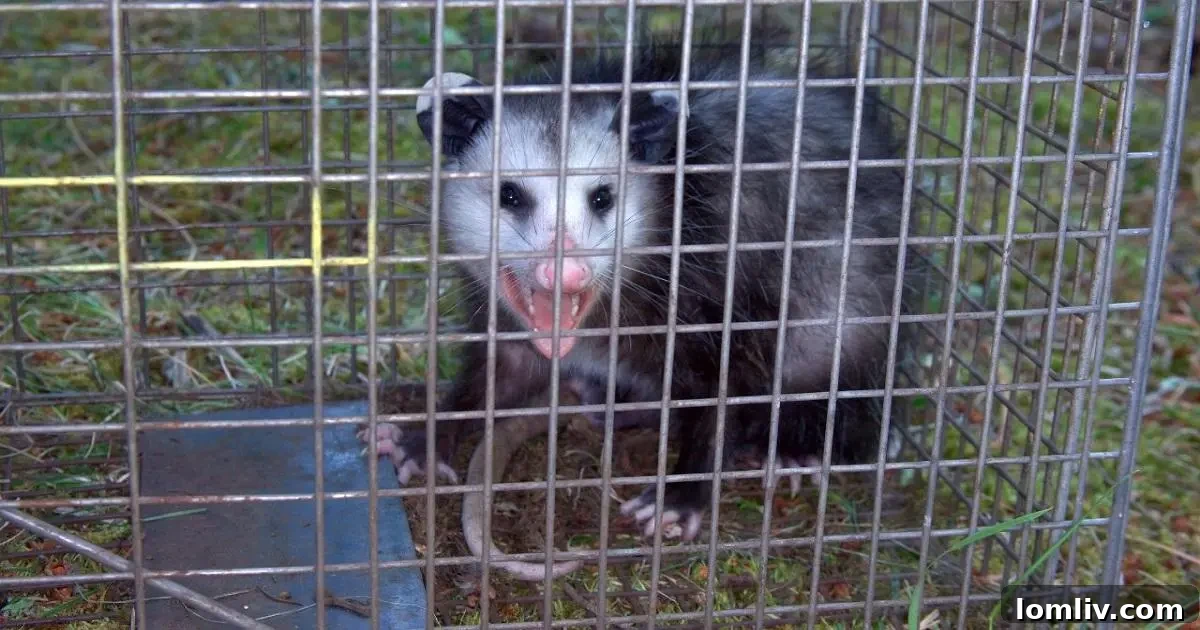
Understanding the specific types of critters that may invade your property is crucial for effective prevention and removal, especially before selling. Their presence can lead to a range of severe consequences, from compromising structural integrity to posing serious health risks to residents.
Structural Damage Concerns
Critters are notorious for causing significant and often hidden damage to homes. This damage can be costly to repair and a major deterrent to potential buyers:
- Termites and Carpenter Ants: These wood-destroying insects can silently chew through wooden structures, including support beams, floor joists, and wall studs. Termite damage, in particular, can be extensive and require expensive structural repairs, which will immediately deter buyers or lead to significant price reductions.
- Rodents (Mice and Rats): Rodents are relentless gnawers. They chew on almost anything, including electrical wires, insulation, PVC pipes, and even support beams. Gnawed electrical wires pose a significant fire hazard, while damaged insulation compromises energy efficiency. A professional rodent removal service is essential to address these issues safely and effectively. DIY solutions are often inadequate and can leave underlying problems unaddressed, especially in properties that haven’t been meticulously maintained.
- Wildlife (Raccoons, Squirrels, Bats): Larger wildlife can cause considerable damage when they nest in attics, crawl spaces, or wall cavities. This includes tearing up insulation, chewing on wooden beams, damaging ductwork, and contaminating areas with droppings and urine. The resulting odors can be persistent and difficult to remove.
If you are considering selling your home, it is strongly recommended that you identify and correct any structural damages related to pests *before* undertaking pest control measures. Early detection and timely corrections are key to minimizing costs and impact.
Health and Safety Risks
Beyond structural damage, many critters pose direct health and safety risks to occupants, which can be a major liability for sellers:
- Rodents (Mice and Rats): These carry and transmit various diseases, including Hantavirus, Leptospirosis, Salmonellosis, and even the plague. They can contaminate food preparation surfaces and spread bacteria through their droppings and urine.
- Bats: Bat droppings, known as guano, can harbor a fungus that causes Histoplasmosis, a serious respiratory disease. Bats can also carry rabies, though direct contact is rare.
- Raccoons: Raccoons are known carriers of roundworm (Baylisascaris procyonis), which can be transmitted to humans through contact with their feces and can cause severe neurological damage.
- Cockroaches: These pests can trigger allergies and asthma attacks, particularly in children. They also carry bacteria and pathogens that can contaminate food.
It is paramount to identify these critters and ensure their humane and complete removal to guarantee a safe living environment. Professional critter removal before listing a property will help mitigate these serious health risks to potential purchasers, making your property significantly more appealing and reducing your liability as a seller.
Preparing a Pre-Sale Critter Removal Checklist
Whether you have existing critter issues or simply want to take preventative measures, addressing pest concerns before listing your property is a strategic move. A comprehensive checklist ensures you cover all bases, presenting your house in the best possible condition.
Here’s an essential checklist to prepare your home for a successful sale:
- Conduct a Thorough Property Inspection: Walk around your entire home, both inside and out. Look for tell-tale signs such as droppings, gnaw marks, nests, damaged insulation, disturbed siding, cobwebs, mud tubes, or any unusual odors. Pay close attention to attics, basements, crawl spaces, garages, utility closets, and the perimeter of your foundation.
- Seal All Potential Entry Points: Critters need a way in. Identify and seal any gaps, cracks, or openings around doors, windows, foundation, utility line entry points, and the roofline. Use appropriate materials like caulk, steel wool (for small holes to deter rodents), expanding foam, or mesh screens for vents and chimneys.
- Eliminate Food and Water Sources: Critters are attracted to easy access to food and water. Keep all food items in tightly sealed containers. Regularly clean up crumbs and spills. Dispose of garbage frequently in secure, lidded bins. Address any leaks or sources of standing water both inside and outside your home, including leaky faucets, drains, or stagnant bird baths.
- Maintain Immaculate Landscaping: Overgrown vegetation provides excellent cover and nesting sites for many pests. Keep shrubs and tree branches trimmed away from your home’s exterior walls and roof. Clear leaf litter, woodpiles, and other debris from your yard. Ensure gutters are clean and draining properly, directing water away from the foundation.
- Reduce Interior Clutter: Clutter in basements, attics, and storage areas can provide hiding spots for pests. Declutter and organize these spaces to reduce potential harborage areas.
- Consider Professional Help: If you find signs of infestation, or if you simply want peace of mind, enlist the services of a professional pest control expert. They can conduct a thorough inspection, accurately identify pests, recommend the most effective treatment plan, and offer preventative solutions.
- Document All Actions Taken: Keep meticulous records of all inspections, treatments, repairs, and preventative measures related to critter removal. This documentation can be invaluable for disclosure purposes and provides tangible proof to potential buyers that your home has been proactively cared for.
Following this pre-sale critter removal checklist will significantly increase the attractiveness of your home, boost buyer confidence, and give you better prospects for a smooth and successful sale. Demonstrating diligent maintenance speaks volumes to buyers and helps ensure a hassle-free transaction.
Measuring the Impact of Critter Removal on Property Sales
Addressing critter issues proactively is not just about avoiding problems; it’s a strategic move that demonstrably enhances your property’s market appeal and can directly influence the outcome of your sale. The return on investment for critter removal is often seen in several key metrics.
Key Metrics to Consider:
- Time on Market: Homes that are professionally inspected and treated for critter issues typically sell faster than properties with unresolved pest problems. Statistics often indicate that homes with active infestations or undisclosed past issues tend to remain listed for significantly longer periods, accumulating carrying costs for the seller. A pest-free home removes a major hurdle for buyers, accelerating their decision-making process.
- Sale Price: Properties that have undergone thorough critter removal and remediation can command higher sale prices. Buyers are generally willing to pay a premium for homes that are deemed well-maintained and free from the potential headaches and expenses associated with pests. The cost of removal is often recouped, and then some, in the final sale price.
- Buyer Perception: A home that clearly demonstrates attention to detail and proactive maintenance, including a pest-free environment, creates a profoundly positive impression. This signals to buyers that the property has been well-cared for, increasing their comfort level and trust. This positive perception often leads to increased buyer interest, more offers, and ultimately, a more favorable sale for the seller.
Recommendation: Prioritize a Professional Inspection!
Before officially listing your home, strongly consider scheduling a professional pest inspection. Even if you don’t see obvious signs, an expert can identify hidden issues or potential vulnerabilities. Addressing any problems found during this pre-listing inspection can mitigate future complications and potential deal-breakers that might arise during a buyer’s inspection.
Cost vs. Benefit Analysis:
| Expense | Impact & Benefit |
| Critter removal services | Increased home value, enhanced buyer confidence, avoidance of costly future repairs |
| Professional inspection fees | Faster sale, prevention of renegotiations, peace of mind for both seller and buyer |
| Preventative measures (sealing, landscaping) | Long-term savings on pest control, improved property aesthetics, reduced risk of recurrence |
By carefully considering these elements, you can fully analyze the overall positive impact that investing in critter removal can have on your home sale. This proactive approach leads to a smoother transaction, greater financial returns, and ultimately, more satisfied buyers.
Pre-Sale DIY Pest Control Strategies
Ensuring your home is free of pest issues before listing it is one of the biggest attractions you can offer potential buyers. While professional help is often necessary for significant infestations, effective DIY pest control strategies can help keep your premises safe, clean, and welcoming, making a strong positive impression on prospective purchasers.
Natural Repellents and Deterrents
Employing natural repellents is a safe and effective way to manage minor pest problems and deter future invaders. For instance:
- Essential Oils: Peppermint, tea tree, and lemon essential oils are known for their strong scents that many pests dislike. Mix a few drops of these oils with water in a spray bottle and apply the solution to potential entry points, baseboards, window sills, and areas where pests have been observed.
- Vinegar: White vinegar’s pungent smell can repel ants and spiders. Spray a diluted vinegar solution directly on ants or along their trails.
- Coffee Grounds: Sprinkling used coffee grounds around the perimeter of your home can deter ants and other crawling insects.
- Diatomaceous Earth: Food-grade diatomaceous earth is a natural powder that dehydrates and kills insects upon contact. Sprinkle it in cracks, crevices, and along baseboards where pests may hide, ensuring you use a mask to avoid inhalation.
- Physical Barriers: Beyond repellents, creating physical barriers is paramount. Seal cracks and gaps in your home’s foundation, walls, and around windows and doors using caulk, weatherstripping, or expanding foam. Install screens on all windows and vents, and ensure they are free of tears. Proactively observing for pests and addressing them promptly will help maintain a relatively pest-free home.
Routine Maintenance Tips
Consistent routine maintenance is your first line of defense against pest infestations. By eliminating favorable conditions, you significantly reduce the likelihood of critters taking up residence:
- Clear Outdoor Debris: Regularly remove leaves, woodpiles, overgrown brush, old tires, and any other clutter from your yard. These items provide ideal shelter, breeding grounds, and hiding spots for various pests.
- Maintain Your Lawn and Landscaping: Keep your grass mowed regularly. Trim shrubs and tree branches so they do not touch the exterior walls or roof of your house. This eliminates “bridges” that pests can use to access your home.
- Keep Kitchens and Food Areas Pristine: Always store all food items in airtight containers. Clean up any spills, crumbs, or food particles immediately. Regularly wipe down counters and sweep floors.
- Manage Waste Effectively: Take out trash regularly and ensure all garbage cans, both indoor and outdoor, have tight-fitting lids. This prevents pests from accessing food waste.
- Eliminate Standing Water: Inspect your property for any sources of stagnant water. This includes bird baths, neglected pet water bowls, clogged gutters, and flower pot saucers. Disposing of standing water is crucial for reducing mosquito populations and other moisture-loving pests.
Implementing these DIY strategies and maintaining a diligent routine can greatly reduce your home’s appeal to pests, creating a cleaner, healthier, and more attractive environment for potential buyers.
Professional Critter Removal Services: An Investment for Sellers
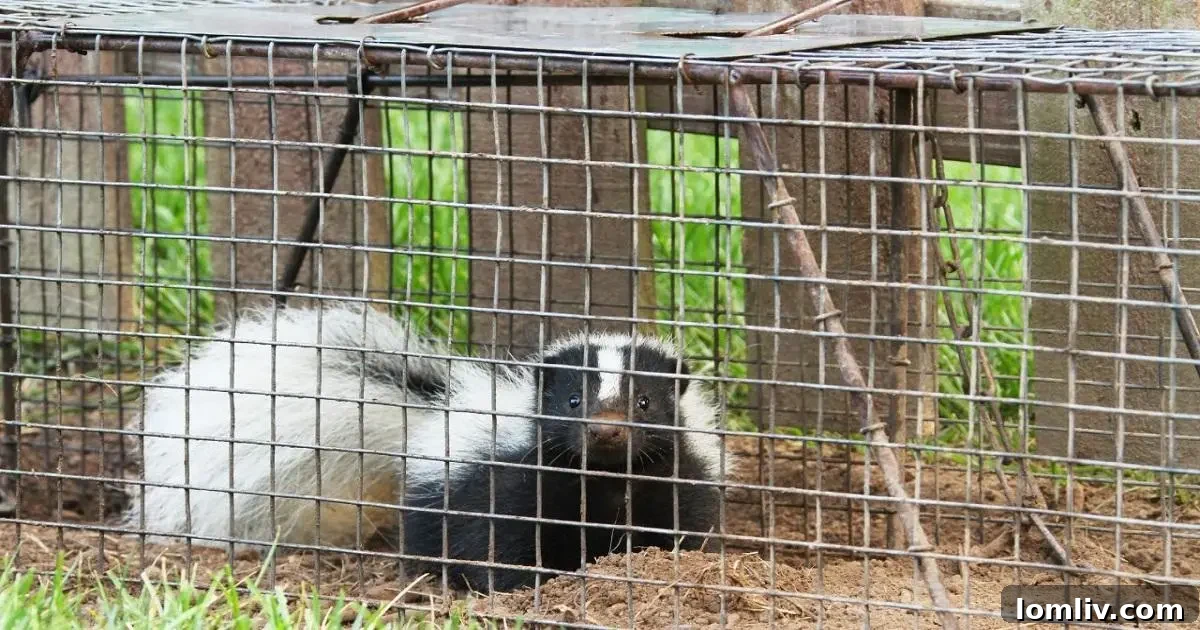
While DIY methods can be effective for minor pest issues, significant infestations, or the presence of larger wildlife, necessitate the expertise of professional critter removal services. A property should never be listed for sale with serious critter problems, as this can severely damage its reputation and hinder its marketability. Entrusting the job to professionals ensures that these destructive creatures are humanely and effectively removed, and that your property is restored to optimal condition.
Choosing the Right Pest Control Professional
Sellers need to be selective when hiring an exterminator; not just any company will do. Look for reputable companies known for their humane wildlife removal practices, such as Critter Stop. Their processes are designed to ensure that no further harm comes to the animals during their removal from your property, adhering to ethical standards that many buyers appreciate.
When choosing a pest control professional, keep these crucial points in mind:
- Reputation and Reviews: Always check online reviews and testimonials from previous customers. A strong track record of customer satisfaction and positive feedback is a good indicator of reliability and quality service.
- Experience and Specialization: Assess how long the company has been in business and if they specialize in the types of critters you are dealing with (e.g., wildlife, rodents, insects). Experience brings expertise in effective and humane removal.
- Licensing and Insurance: Ensure the company is fully licensed by state and local authorities and carries comprehensive insurance. This protects you from liability in case of accidents or damages during the removal process.
- Methods Used: Inquire about the specific removal techniques they employ. Prioritize companies that emphasize safe, effective, and humane methods, especially for wildlife. They should also offer integrated pest management (IPM) solutions that focus on long-term prevention.
- Guarantees and Follow-Up: Ask about any service guarantees or warranties on their work. A reputable company will stand behind its services and often offer follow-up inspections or treatments.
Companies like Critter Stop often boast excellent reputations, backed by glowing online customer reviews, due to their commitment to quality work and outstanding customer service.
Understanding Techniques Used to Remove Critters
Professional critter removal services utilize a variety of specialized techniques, chosen based on the specific type of critter, the extent of the infestation, and local regulations. A basic understanding of these methods can help you have more informed discussions with your exterminator.
Common Professional Approaches Include:
- Trapping and Relocation: This method is commonly used for larger animals like raccoons, squirrels, opossums, and sometimes even bats. Humane live traps are set strategically, and once an animal is caught, it is safely removed and relocated to a suitable natural habitat far from your property, in accordance with local wildlife regulations.
- Exclusion (Sealing Entry Points): This is a critical long-term solution. After critters are removed, technicians will identify and seal all potential entry points into your home. This involves using durable materials such as galvanized steel mesh, concrete, caulk, or specialized sealants to prevent future infestations. This step is often referred to as “critter proofing” and is essential for lasting results.
- Humane Eviction and Deterrence: For some wildlife, especially bats or birds, exclusion devices like one-way doors are installed. These allow animals to exit the property but prevent them from re-entering. Repellents or scare tactics may also be employed for certain species.
- Sanitation and Decontamination: After removal, professionals will clean and decontaminate areas affected by critter droppings, urine, and nesting materials. This is vital for removing odors, preventing the spread of diseases, and repairing damage to insulation or structures.
Having a good knowledge of these methods will empower you to discuss specific options and concerns with your exterminator. Informed discussions lead to more effective, customized, and humane critter removal strategies. For more information or a free inspection, do not hesitate to call a local expert like Critter Stop at (214) 234-2616.
Legal and Disclosure Requirements for Home Sellers
Critter removal prior to a property sale is not just about aesthetics and value; it often intersects with local regulations and ethical obligations. Adhering to these requirements protects your interests as a seller and builds essential trust with potential buyers.
Navigating Local Regulations
Localities can have vastly different regulations concerning critter removal, especially regarding wildlife. It is imperative to contact your local government, municipal animal control, or wildlife agency for specific laws in your area. Many municipalities and counties have ordinances dictating how certain wildlife can be handled, trapped, or relocated. Furthermore, some removal methods may require permits, particularly when dealing with protected species or employing certain trapping techniques.
Any contractor you hire for pest or wildlife removal must be properly licensed, insured, and operate in full compliance with all local, state, and federal legal standards. Ensuring complete adherence to all regulations safeguards you from potential fines, legal disputes, and reputational damage. Always retain all licenses, invoices, and correspondence with contractors as part of your sales documentation.
Ethical Considerations and Disclosure for Sellers
Beyond legal requirements, sellers have a strong ethical obligation to disclose any known pest problems to potential buyers. Failing to do so is not only considered unethical but can also lead to severe legal ramifications, including rescission of the sale or substantial financial penalties. Transparency is key to a smooth transaction and preventing future disputes.
Kindly provide honest and comprehensive insight into any prior infestations, pest-related damages, or measures undertaken to resolve them. This includes disclosing:
- Past or present presence of rodents, insects, or wildlife.
- Any structural damage caused by these critters (e.g., chewed wires, compromised wood).
- Any treatments, repairs, or preventative actions you’ve taken.
Fully informing potential buyers about these risks, particularly those related to structural damage or health hazards from infestations, will certainly help foster buyer confidence. Transparency builds trust, making buyers feel more secure in their purchase decision and significantly reducing the probability of any disputes or claims after the deal is closed.
About the Author:
Sam Patrick is a Texas-based freelance writer specializing in pest and animal control. With years of hands-on experience, he writes for Critter Stop, Dallas’s top animal control service, creating educational content on humane pest prevention and control methods. Passionate about animal welfare and environmental conservation, Sam advocates for non-lethal solutions to pest problems. An avid outdoorsman and animal lover, he draws inspiration from Texas’s landscapes to enrich his writing. Through his expertise, Sam significantly impacts the field of pest and animal control.