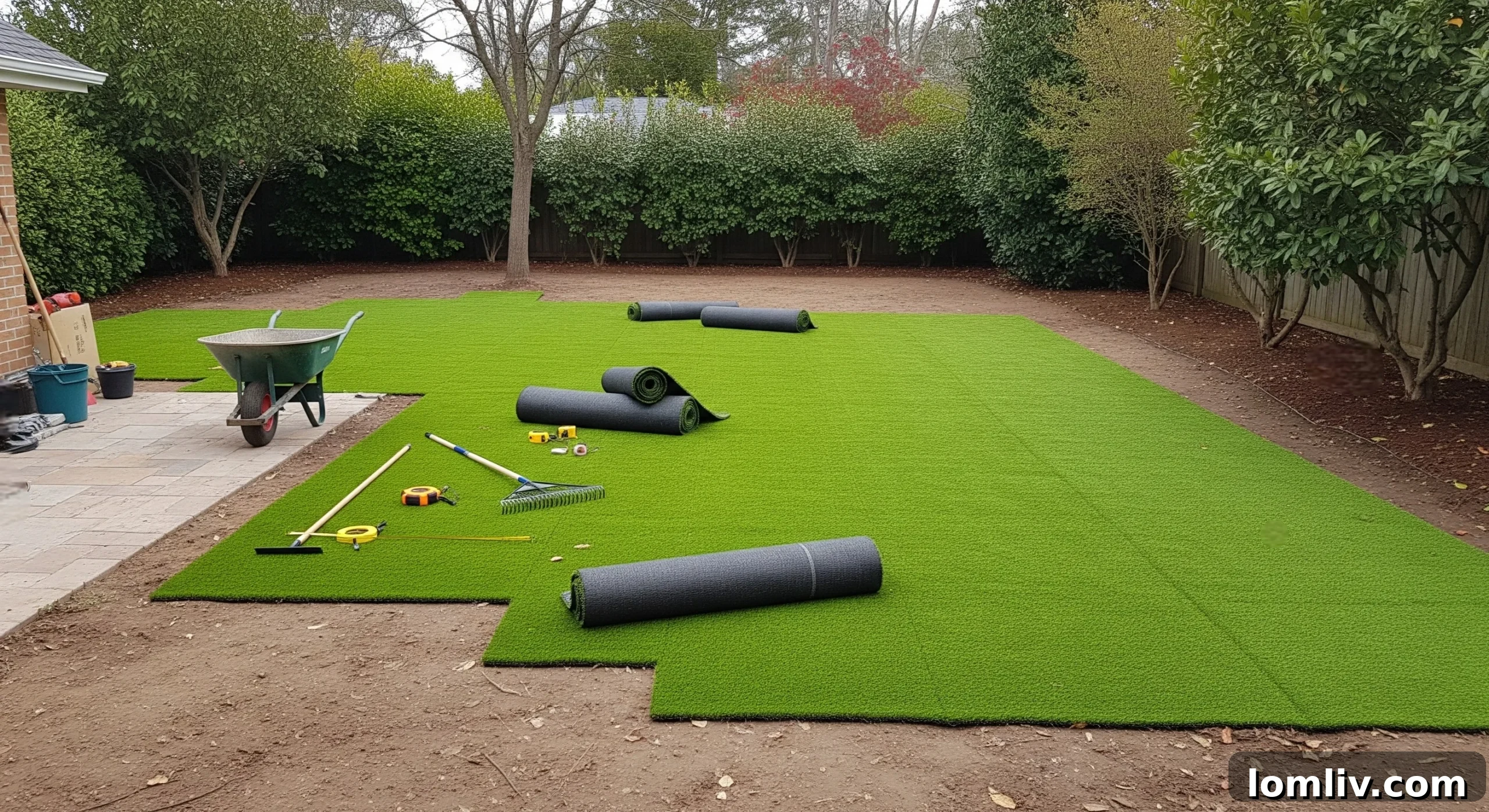
Transforming an outdoor space often begins with the foundation beneath our feet. For many homeowners, traditional grass presents a constant battle against nature: relentless watering during dry spells, patchy growth in shaded areas, muddy footprints after rain, and endless hours spent mowing, fertilizing, and weeding. This is where the elegant simplicity of artificial grass steps in, offering a compelling, low-maintenance alternative that provides year-round verdant beauty without the typical demands of natural lawns.
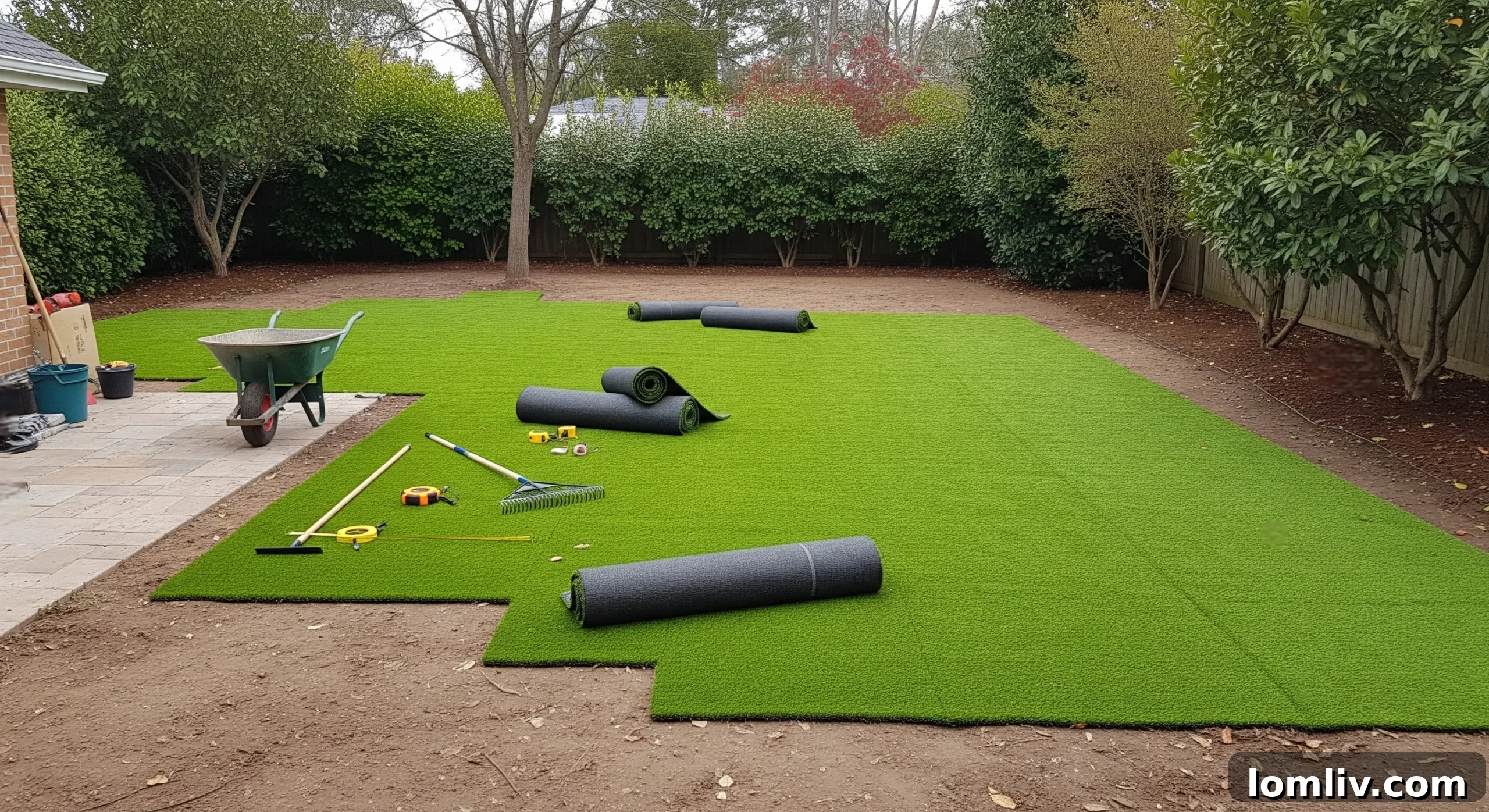
Modern synthetic turf is no longer the stiff, unnatural-looking product of decades past. Today’s artificial lawns are designed for remarkable realism, blending seamlessly into a variety of landscapes. You’ll find it creating serene, green sanctuaries in urban balcony settings, defining stylish pathways between stepping stones in compact side yards, or finally bringing life to those notoriously difficult, high-traffic zones where natural grass simply refuses to thrive. It’s an ideal solution for families with pets, offering a clean, mud-free play area that’s easy to rinse and resistant to digging. Parents appreciate the elimination of grass stains and allergens, while pet owners enjoy simplified clean-up and odor control when choosing specialized infills. The enduring appeal of artificial turf lies in its effortless beauty and remarkable resilience, promising a pristine look with minimal effort – a true game-changer for anyone seeking a picturesque outdoor environment without the ongoing chores.
While professional artificial grass installation is always an option, the truth is that many homeowners successfully tackle this project themselves. With a methodical approach, the right tools, and a weekend dedicated to the task, DIY artificial grass installation can be a highly rewarding endeavor. It’s a hands-on project that not only enhances the visual appeal and functionality of your property but also offers a significant sense of accomplishment. Imagine transforming a tired, unruly patch of ground into a vibrant, evergreen landscape that requires virtually no upkeep, freeing up your valuable time to simply relax and enjoy your newly revitalized outdoor living space.
Step 1: Meticulous Ground Preparation – The Foundation of Durability
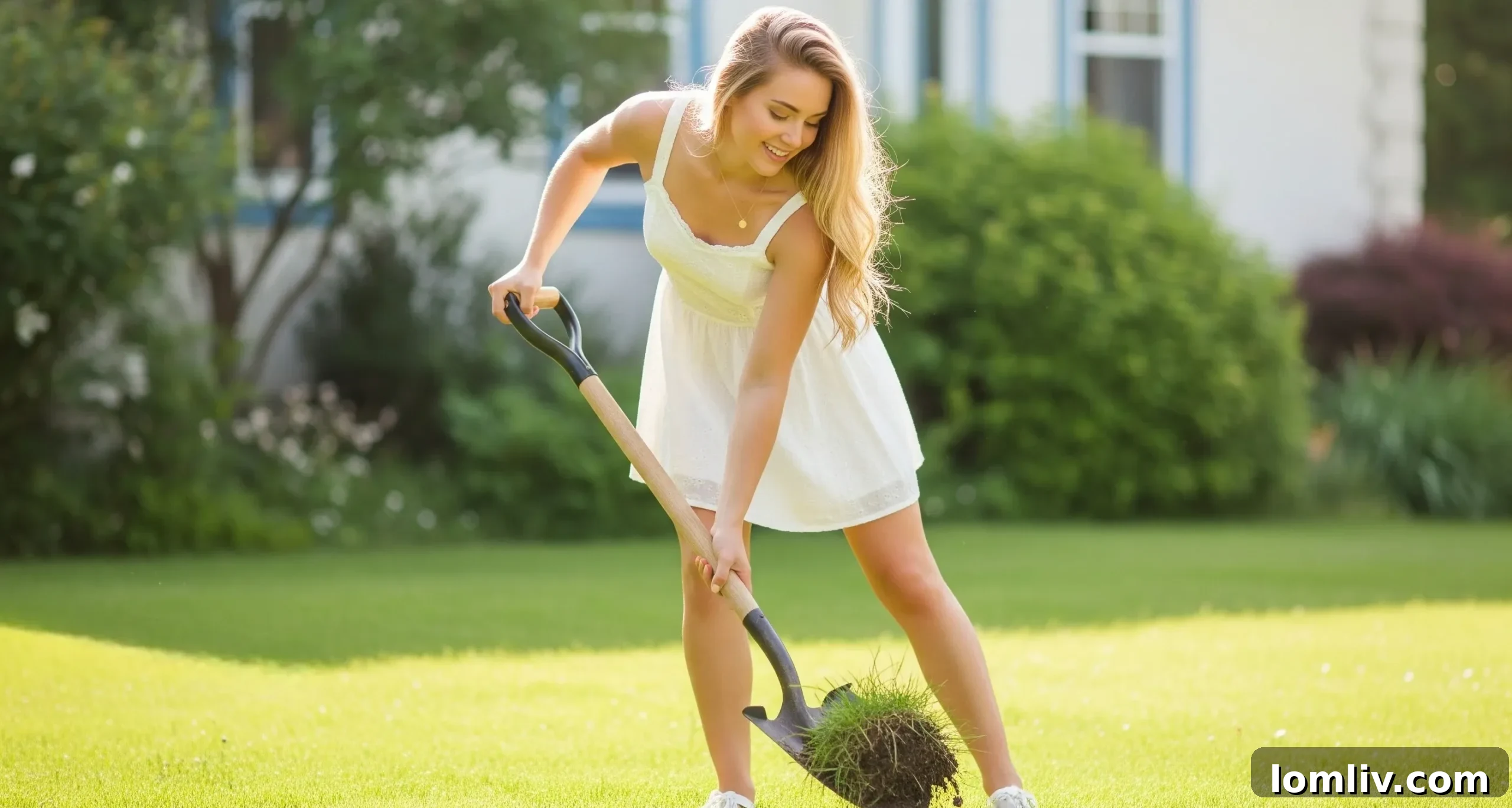
The success and longevity of your artificial lawn hinge entirely on thorough ground preparation. This initial phase, while perhaps not the most glamorous, is critical for ensuring proper drainage, a level surface, and preventing future issues. Begin by completely clearing the area of all existing vegetation – this means removing natural grass, stubborn weeds, any visible rocks, old roots, and debris. Dig down approximately 3 to 4 inches to establish a clean, consistent sub-base. For larger areas, renting a sod cutter can significantly expedite this process. The goal is to create a blank canvas, free from organic material that could decompose over time and lead to uneven settling or weed growth.
If your yard currently features an irrigation system, now is the time to decommission it. Cap off any existing sprinkler lines or, ideally, remove them entirely to prevent leaks, water accumulation, and potential mold issues beneath your new turf. Proper drainage is paramount for artificial grass; while the turf itself is permeable, water still needs to flow away effectively. Ensure the area has a slight, consistent slope (approximately 1-2% grade) away from any structures like your house or patio. This gentle grade will direct rainwater efficiently, preventing pooling and maintaining the integrity of your installation. Before any significant digging commences, always contact your local utility locating service (like 811 in the U.S.) to identify and mark any underground utility lines. This crucial step prevents accidental damage, costly repairs, and ensures your safety.
Step 2: Constructing a Robust and Level Base – The Heart of Stability
With the ground cleared and graded, the next step involves establishing a durable perimeter and a solid base layer. While not strictly mandatory, installing an edging material like bender board, flexible plastic, or treated wood around the installation area offers numerous benefits. It creates a crisp, professional finish, helps contain the base material, and provides a stable anchor point for the edges of your artificial turf. This defined border elevates the overall aesthetic, making your new lawn appear intentional and seamlessly integrated into your landscape design.
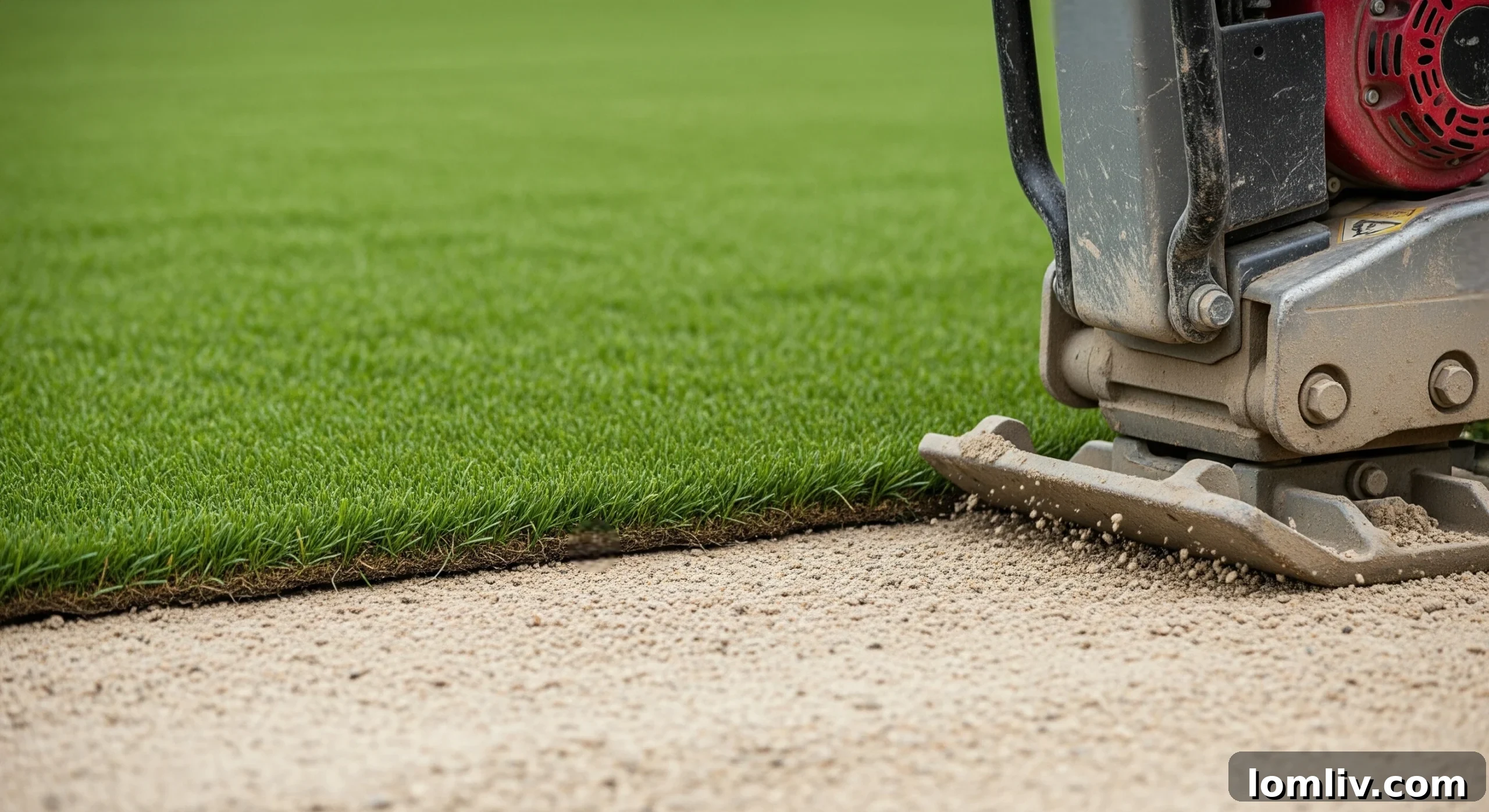
Next comes the foundational layer, typically composed of 3 to 4 inches of compacted aggregate. Popular choices include crushed stone, decomposed granite, or Class II road base. These materials are chosen for their excellent drainage properties and ability to compact tightly, forming an incredibly stable and permeable sub-base. Spread the material evenly across the entire area, meticulously raking and leveling it to maintain that slight slope for drainage. This is arguably the most important stage for ensuring a smooth, even, and long-lasting artificial lawn. Once distributed, compact the base material thoroughly using a plate compactor (recommended for larger areas) or a hand tamper for smaller spaces. Multiple passes are essential, often with a light misting of water between passes, to achieve maximum compaction and eliminate soft spots or future depressions. A well-compacted base is vital to prevent the turf from settling unevenly over time, which can lead to unsightly dips and humps. For an extra layer of protection against weed growth, consider rolling out a high-quality geotextile weed barrier fabric over the compacted base. This permeable fabric allows water to drain while acting as a formidable shield against any stubborn weeds attempting to push through.
Step 3: Precision Laying and Secure Positioning of Your Artificial Turf
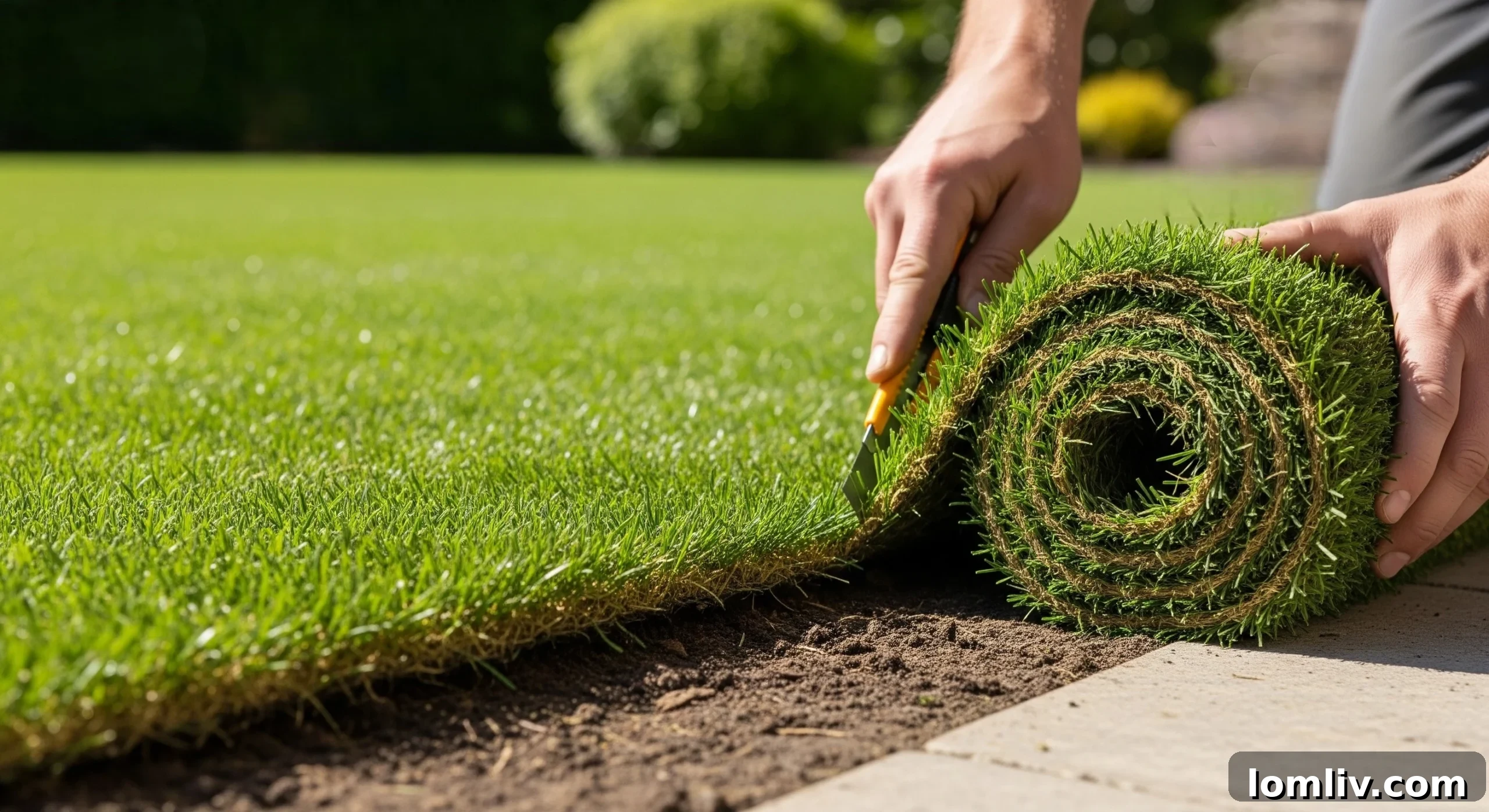
With your meticulously prepared base ready, it’s time for the exciting part: rolling out the artificial grass. Synthetic turf typically comes in large rolls and can be quite stiff when first unrolled. To make it more pliable and easier to work with, lay out the turf panels in the sun for at least a few hours, or even overnight, allowing the material to relax and flatten. The warmth helps the backing expand and contract, making it easier to maneuver and conform to your landscape’s contours.
When positioning the turf, a critical detail often overlooked is ensuring that the blades of all panels face the same direction. The “grain” of artificial grass, much like carpet, influences its appearance. If panels are laid with blades facing different directions, the lawn will appear patchy and inconsistent, especially under varying light conditions. Carefully position your first roll, ensuring it aligns perfectly with your chosen edge. Using a sharp utility knife or a specialized carpet blade, begin trimming the turf to fit the exact dimensions and curves of your area. Take your time with cuts around permanent fixtures like stepping stones, tree trunks, or garden beds – precision here makes a significant difference in the finished look. If your project requires multiple rolls, meticulously butt the edges together to create seamless joints. Professional-grade seam tape and adhesive are essential for securing these joins. Apply the adhesive evenly to the tape, place it beneath the seam, and press the turf edges firmly together, ensuring no gaps or overlaps. Use heavy objects or specialized seam rollers to hold the seam down while the adhesive cures. Once the turf is perfectly positioned and all seams are secured, anchor the perimeter. Use galvanized turf nails or U-shaped staples, spaced every 6-12 inches along the edges, to firmly secure the turf to the compacted base. After anchoring, give the entire lawn a preliminary brush with a stiff-bristled broom or power broom to help the blades stand upright, removing the initial “packaging” look and bringing the turf to life.
Step 4: Integrating the Essential Infill – Enhancing Performance and Lifespan
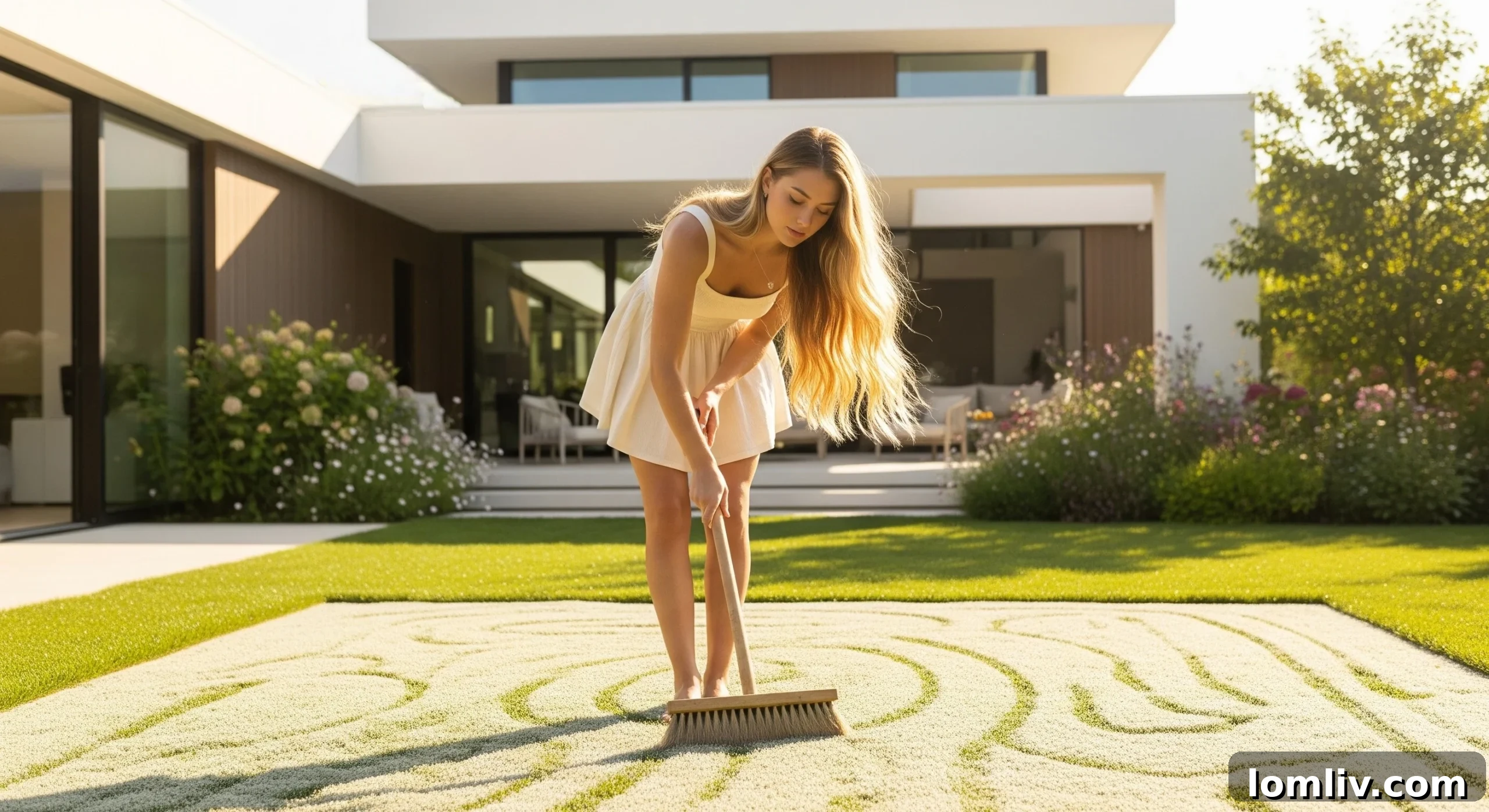
The infill material is a crucial component of artificial grass installation, acting as the “seasoning” that enhances both the look and feel of your new lawn. It’s not just an aesthetic choice; infill plays several vital roles: it adds weight to the turf, helping to keep the blades upright and giving the grass a more natural, plush feel. It protects the turf backing from UV rays, extending the lifespan of your investment. It also provides a cushioning effect, making the surface softer and safer for play, and in the case of pet-friendly infills, aids in odor control and drainage.
There’s a variety of infill options, each with specific benefits. Common choices include:
- Silica Sand: An affordable and widely used option, silica sand provides excellent blade support and ballast.
- Crumb Rubber: Often made from recycled tires, crumb rubber offers superior cushioning and bounce, making it popular for playgrounds and sports fields. However, it can absorb heat.
- Zeofill (Zeolite): Specifically designed for pet owners, zeolite infill helps absorb and neutralize pet odors through its unique molecular structure, making it a highly recommended choice for dog runs and pet relief areas.
- Acrylic-Coated Sand: These sands often come with antimicrobial properties or cooling technologies, offering enhanced durability and a cooler surface temperature.
Spread the chosen infill evenly over the entire surface of the artificial turf. A drop spreader can help achieve a consistent application, especially for larger areas, though it can also be done by hand with careful measurement. Once distributed, use a stiff-bristled broom or, ideally, a power broom, to work the infill down into the turf fibers. This step requires diligent effort, as the goal is to get the infill to settle deep into the backing, ensuring the blades stand upright and the surface feels natural. Continue brushing and spreading until the infill is no longer visible on the surface but has settled between the blades. This process will transform the turf, giving it a fuller, more realistic appearance and improving its performance.
Step 5: The Grand Finale – Polishing Your New Outdoor Space
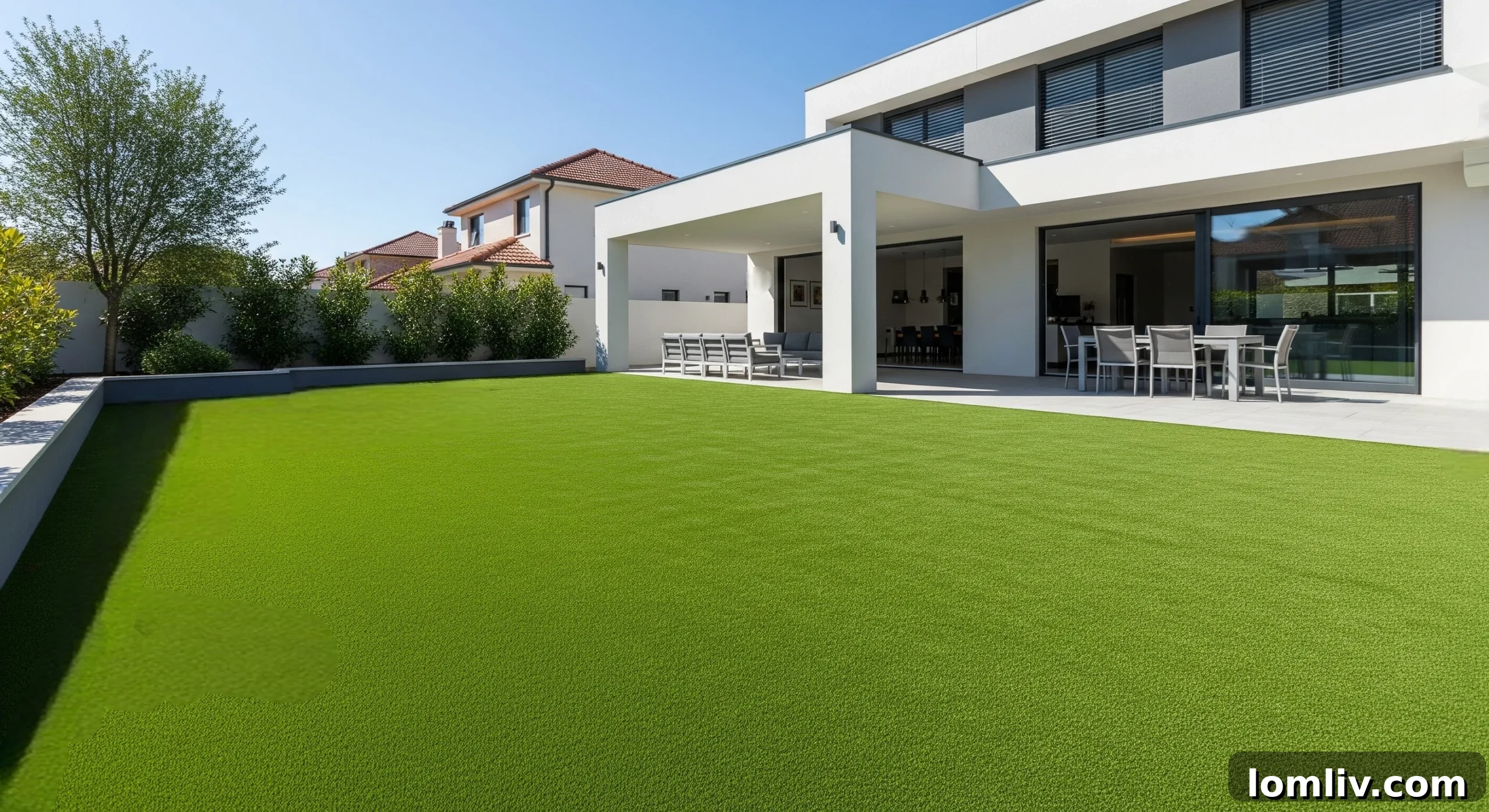
With all the major installation steps complete, the final stage is dedicated to tidying up and giving your new artificial lawn a polished, professional finish. This involves a thorough inspection and cleanup of the entire area. Sweep or vacuum any loose infill particles, stray turf blades, or small scraps that resulted from trimming. This ensures a pristine surface and prevents any leftover debris from being tracked into your home.
Take one last critical look at all edges and seams. Confirm that every edge is securely anchored and that no sections are lifting or pulling away from the border. Check all seams to ensure they remain tightly bonded and virtually invisible. If any areas of the turf appear matted down from foot traffic during installation, use a stiff broom or power broom to gently lift the blades, restoring their natural upright position. Once these final touches are complete, step back and admire your handiwork. You’ll be greeted by a perfectly green, inviting outdoor space that boasts consistency in color and texture, free from the common imperfections of natural lawns. No more muddy patches, no more brown spots, and the perpetual hum of a lawnmower becomes a distant memory. This transformed space is now ready to be enjoyed, offering a soft, resilient surface that looks impeccable in all weather conditions, all year round. It’s an investment that pays dividends in terms of beauty, utility, and, most importantly, freeing up your time for more enjoyable pursuits than lawn maintenance.
Essential Tools and Materials for a Successful DIY Project
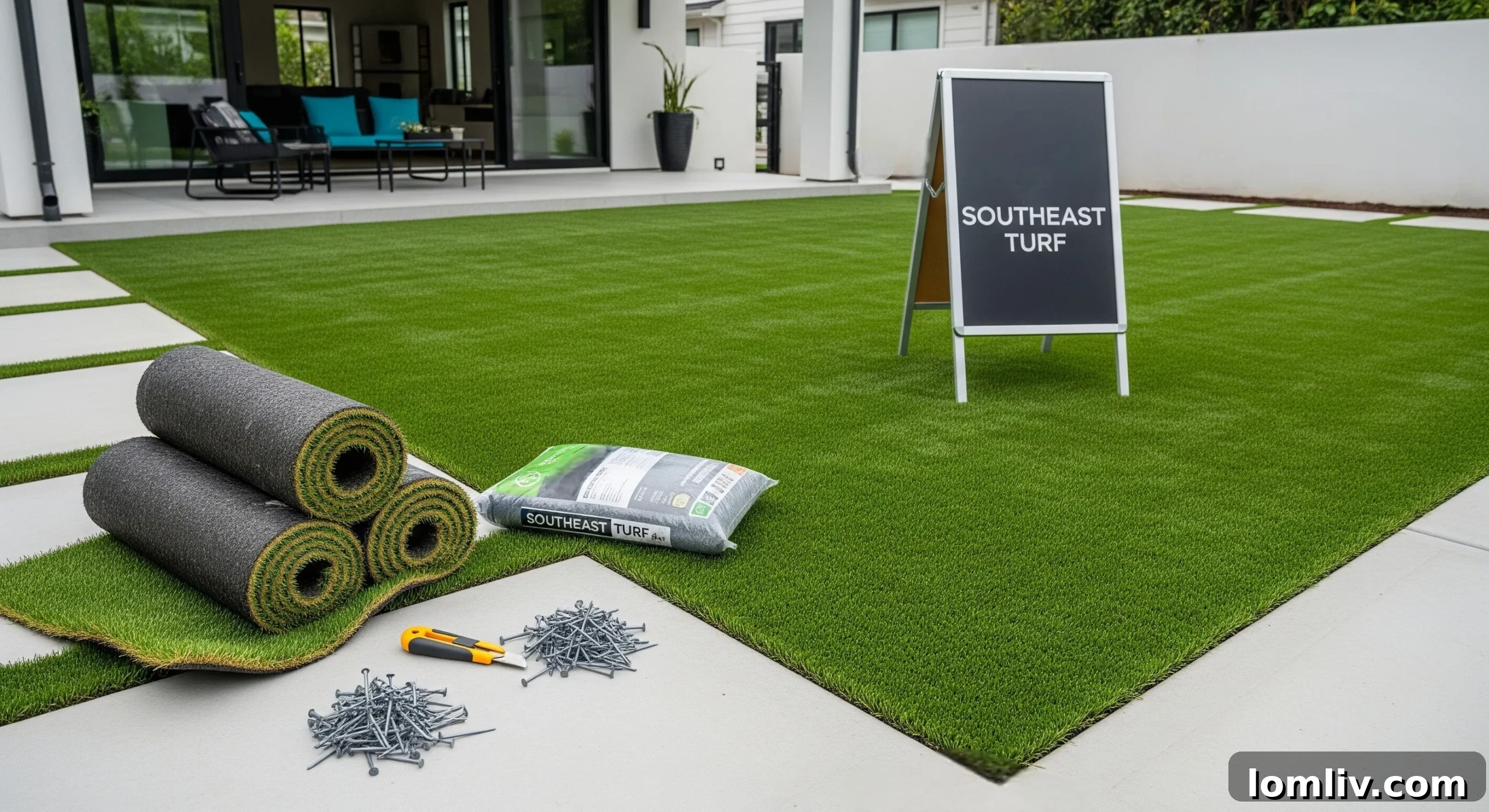
While some items might already be staples in your garage, having the right equipment makes the artificial grass installation process considerably smoother and more efficient. Here’s a comprehensive list of what you’ll likely need:
- Shovel or Spade: Essential for digging out existing vegetation and leveling. A heavy-duty garden shovel or a trenching spade will be your best friend.
- Rake (Landscape or Bow Rake): Used for spreading and leveling base materials, as well as final cleanup.
- Wheelbarrow: Indispensable for transporting soil, base materials, and infill efficiently across your yard.
- Plate Compactor or Hand Tamper: Crucial for compacting the base layer. A plate compactor is highly recommended for optimal results, especially for larger areas, and can often be rented.
- Utility Knife or Carpet Blade: A heavy-duty utility knife with a supply of sharp replacement blades, or a specialized carpet knife, is essential for precise cutting of the turf.
- Measuring Tape: Accuracy is key in landscaping; use a durable, long measuring tape for precise measurements.
- Turf Nails or Staples (Galvanized): Used to anchor the edges of the artificial grass to the base. Choose galvanized options for rust resistance.
- Weed Barrier Fabric: An optional but highly recommended addition to prevent weeds from growing through the turf. Select a permeable landscape fabric.
- Crushed Stone or Decomposed Granite: The primary material for your stable, permeable base layer. Calculate the required volume carefully.
- Infill Material: Silica sand, crumb rubber, zeolite (pet-friendly), or acrylic-coated sand, chosen based on your needs and usage.
- Turf Adhesive and Seam Tape: Necessary for bonding multiple pieces of turf together to create virtually invisible seams. Ensure the adhesive is formulated for outdoor use and synthetic materials.
- Stiff-Bristled Broom or Power Broom: For brushing the turf blades upright and working the infill down into the fibers. A power broom significantly eases this task.
- Gloves and Safety Glasses: Always prioritize safety when working with tools and sharp blades.
Critical Considerations for a Flawless Artificial Grass Installation
Beyond the step-by-step process, a few key insights can elevate your DIY project from good to outstanding:
- Mastering Drainage: Reiterate the importance of the subtle slope. A well-designed drainage system, starting with your ground preparation and base, is crucial. If your area experiences exceptionally heavy rainfall, consider installing an additional perimeter drain for peace of mind.
- The Art of the Seam: For areas requiring multiple turf pieces, cutting curved seams rather than straight ones can make them less noticeable. Irregular, natural-looking cuts tend to blend better than perfectly straight lines that can highlight imperfections. When gluing, ensure consistent pressure and adequate drying time.
- Safety First, Always: Working with sharp blades requires utmost caution. Always wear protective gloves and safety glasses. Make slow, deliberate cuts instead of rushing, and keep children and pets away from the work area during installation.
- Understanding Local Climate: Consider how your local climate might impact your turf. In extremely hot climates, some infills can get warm; investigate cooling infill options if this is a concern. In regions with heavy snowfall, ensure proper drainage is maintained once snow melts.
- When to Call the Experts: While DIY is empowering, acknowledge your limits. If the project scope feels overwhelming, involves complex shaping, or you encounter unexpected challenges (like significant grading issues or extensive tree roots), consulting or hiring a professional artificial grass installer is a wise decision. Their expertise can save you time, effort, and potential costly mistakes.
Embracing the convenience and beauty of artificial grass is a journey of thoughtful planning and careful execution. Take your time, enjoy the process, and soon you’ll have a stunning, low-maintenance landscape that truly works for you, enhancing your home’s appeal and your lifestyle.