When Lee Warren, a seasoned real estate professional himself, found himself needing reliable assistance to manage his burgeoning portfolio of rental properties, he naturally turned to someone he trusted: a long-time friend and licensed Realtor. This friend, Ashley Williams Creamer, had recently transitioned into property management, presenting herself as a capable and trustworthy expert in the field.
“I have known her for years — we were friends,” Warren recalled, reflecting on the foundation of trust that underpinned their professional agreement. This personal connection, however, would soon be tested and ultimately shattered by a series of events that left Warren and numerous other property owners reeling from significant financial losses.
Warren now alleges that Ashley Williams Creamer systematically betrayed their friendship and her professional obligations by failing to remit rental payments she collected on his behalf. His story, unfortunately, is not isolated. We spoke to several other property owners who recount remarkably similar experiences of unreturned funds and broken promises. Even more individuals hint at alleged “near misses,” where they narrowly avoided becoming victims of her purported schemes.
When confronted by CBS-11 regarding these serious allegations, Creamer’s response was curt: they would “have to talk to my attorney.” However, her last attorney of record declined to comment on the ongoing situation, adding another layer of ambiguity to the unfolding scandal.
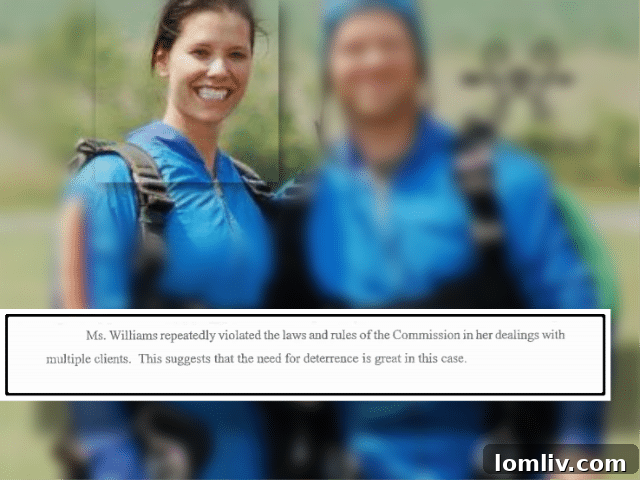
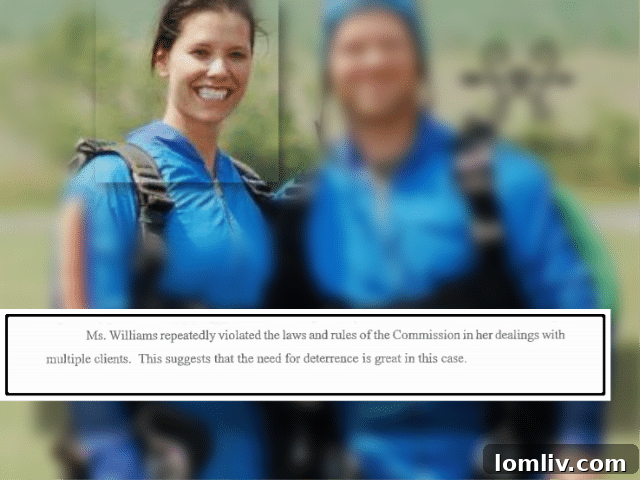
Amidst the mounting complaints, at least one official body found compelling evidence supporting Warren’s and others’ claims. The Texas Real Estate Commission (TREC), the state’s regulatory authority for real estate professionals, conducted a thorough investigation. In May, TREC took decisive action, revoking Ashley Williams Creamer’s real estate license. The commission cited an astonishing 68 violations and imposed a substantial fine of $122,000, signaling the severe nature and breadth of her alleged misconduct.
The Tumultuous Professional Journey: Five Brokerages in Four Years
The formal hearing, convened by TREC on May 6th, brought to light the extent of the alleged malfeasance. During the proceedings, ten witnesses, including Lee Warren, provided testimonies outlining their experiences and the financial damages incurred. According to the commission’s final order, Creamer herself did not present any evidence in her defense, allowing the allegations to stand largely unchallenged within the regulatory framework.
A deeper dive into Creamer’s professional history, as detailed in the TREC order, reveals a pattern of instability that, in hindsight, might have served as a warning sign. The order explicitly noted that Creamer allowed her real estate license to lapse on two separate occasions: first on July 24, 2017, and then again from October 27, 2017, all the way through the date of the hearing. These lapses occurred because she lacked a sponsoring broker, a mandatory requirement for active real estate agents in Texas.
Her brokerage affiliations further underscore this erratic professional trajectory. She was affiliated with Texas Starpath Partners from September to October 2013, Guildford Management from October 2013 to June 2016, JP Piccinini Real Estate Services from June 2016 to February 2017, Keller Williams Management from February to July 2017, and Moving Texas Realty from July 25 to October 26, 2017. This rapid succession meant she had been associated with five different brokerages within a mere four-year span—a grand total of five brokerage migrations in a relatively short period, raising questions about consistency and professional stability.
“The allegations against Ms. Williams stem from complaints received by the Commission from property owners who alleged Ms. Williams failed to remit rental payments from renters to their property owners, among other concerns,” the official document stated. This concise summary masks the profound financial and emotional distress experienced by those who entrusted Creamer with their properties.
Beyond Warren’s claims, TREC’s investigation encompassed a broad spectrum of complaints from a diverse group of property owners. These included Hodaka Makino, who represented four property owners residing in Japan who had contracted Creamer for management services. Richard Hartman, living abroad, also relied on Creamer to manage his North Dallas property. Other complainants included Carole Campbell (one McKinney property), Peter Mathews (two Keller properties), Kimberly Hooten (three Austin properties), Susan Biles (an Austin property), and Cherie Smith (one Austin property).
Each of these individuals recounted similar harrowing experiences: repeated attempts to contact Creamer, urgent inquiries about their missing funds, and ultimately, a complete failure to receive the rental payments they were owed. In some particularly egregious instances, it was discovered that the sponsoring broker listed on the property management agreements signed by clients was not even the active sponsoring broker Creamer was working under at the time, further complicating the legal and ethical dimensions of her operations.
The culmination of TREC’s extensive investigation was the complete revocation of Ashley Williams Creamer’s real estate license and the assessment of a hefty fine, covering all 68 distinct violations that were brought before the commission. This action serves as a stark warning to other professionals in the industry about the consequences of neglecting their fiduciary duties.
“You need honesty…”: A Betrayed Trust
For Lee Warren, the TREC ruling, while a vindication, offered only “cold comfort.” He initially turned to Creamer after a disappointing experience with a previous property management vendor. Having managed his own properties in the past through his brokerage, Warren was well-versed in the industry’s demands. He was satisfied with his initial choice of vendors, but when that manager retired and sold her portfolio, the quality of service plummeted.
“They were horrible. I had over $14,000 in accounts receivable that they weren’t even trying to collect,” Warren explained. “I was with them for maybe six months when I decided to give Ashley a try, based much on our friendship.” This decision, rooted in personal trust and a desire for better service, would prove to be profoundly regrettable.
Creamer herself, in 2015, had posted a video advertisement for her company, MSA Asset Manager, on YouTube. Investigations also revealed she operated under other business names, including CMO RPM LLC and Elite Echo Property Management—a common tactic that can make tracking past complaints and business history more challenging for prospective clients.
In the video caption, Creamer proclaimed, “As an owner and investor, you want a simple, stress-free and profitable solution for your properties. You need honesty, straightforward advice and market experts to maximize your portfolio. We specialize in national property management. This means we consult with you on the fix-up, finding strong tenants, creating cash flow and helping with the exit strategy and disposition.” These words, promising integrity and expertise, stand in stark contrast to the experiences of her clients.
Yet, almost from the very beginning of their professional engagement, Warren reported issues with Creamer’s service. “We started having communication issues pretty quickly. She only managed my properties for four months,” he recounted. “I notified her in the fourth month that I was going to change managers due to a multitude of issues that she was not addressing. She wanted at least 30 days notice. I agreed.”
But a week later, Warren uncovered an even more alarming truth: “Then, a week later, I found out that her license was inactive,” he recalled. This discovery immediately rendered her management of his properties illegal. “I told her at that time that she could no longer manage my properties legally and that the change to the new management company would be effective immediately.” The revelation that her license was not active stripped away any remaining professional legitimacy and accelerated his decision to sever ties.
In total, Lee Warren estimates Creamer owes him approximately $45,000 in unremitted rental payments and other charges. He has since secured a judgment against her for $50,000, a legal victory that, tragically, does not guarantee the recovery of his lost funds.
The journey for Warren and the other victims to achieve any form of resolution was a protracted and frustrating one, taking more than 18 months as the case slowly moved through TREC’s channels. Even after the regulatory body’s severe sanctions, Warren lamented the inability to get law enforcement to investigate the matter as a criminal offense.
“I filed a report with the city of Little Elm after being punted by everyone else,” he explained. “Since her last office location was her house, and that house is in the Little Elm PD jurisdiction, that’s where our case needed to be filed.” The response from local authorities was disheartening: “Got a call from them last week stating that they are technically leaving the case open, but the DA likely would not pursue it. They see it as a civil case, not criminal,” he said, highlighting a common challenge for victims of such fraud. His attempt to file a report in Dallas, where one of his properties was located, was met with similar bureaucratic hurdles, directing him back to Creamer’s residential jurisdiction.
Realtor Georgette Jones also shared a concerning experience with Creamer. “She was my transaction coordinator from February 2018 until August 2018 when she stole $3,500 from me and my client by acting in a property management role — she was not hired for that,” Jones stated, emphasizing that Creamer overstepped her contracted role and exploited a position of trust.
Jones acknowledged that her financial loss was significantly less than that of other clients, but her anger stemmed deeply from the violation of trust and the broader damage such incidents inflict upon the reputation of honest real estate professionals. “It’s not about the money for me but my client and I lost a client as well,” she confessed. While she felt she “dodged a bullet” compared to others, the personal nature of the alleged theft particularly infuriated her: “I am more pissed that she used our (all the people she stole from) money to buy implants, get rounds of fertility treatment, buy a home in Aubrey and travel.”
The ripple effect of such deceit is profound. “Some people won’t be able to bounce back from this and for the rest of us, it makes us distrust people that aren’t even like this,” Jones added, articulating the corrosive impact on professional relationships and general public trust.
“She lies to your face”: A Public Record of Discontent
Indeed, Ashley Williams Creamer’s various company profiles online present a veritable raft of disgruntled customers from all corners of the country. Her MSA Property Management Yelp page, for example, is populated with numerous negative reviews, painting a consistent picture of unmet promises, missing funds, and poor communication. These public testimonials serve as a grim chronicle of the widespread dissatisfaction with her business practices.
Beyond Yelp, other review platforms like Homelight, RateABiz, and the Better Business Bureau (BBB) echo these sentiments. MSA Property Management, under Creamer’s operation, holds an abysmal “F” rating with the BBB, a damning indictment of its customer service and ethical conduct. These collective reviews paint a clear and disturbing pattern, offering crucial insights into the alleged failures and misconduct.
What Happens Now? Seeking Recourse and Preventing Future Harm
For some of those who claim Ashley Williams Creamer owes them money, a potential avenue for recourse exists through TREC’s Real Estate Recovery Trust Account. This fund is established to compensate consumers who have suffered actual damages due to the actions of a license holder. However, there are strict limitations on these payments.
As TREC explicitly states on its website, “Regardless of the number of applicants, payments from the Real Estate Recovery Trust Account may not exceed $50,000 per transaction, with a maximum of $100,000 per license holder for multiple transactions.” While this fund provides a crucial safety net, it’s important to understand that there is a ceiling, and once that maximum is met for a particular license holder, future claimants may find themselves unable to recover any funds through this mechanism. This limitation underscores the severe financial risks property owners face when trust is breached.
Georgette Jones, having learned from her painful experience, offers invaluable advice to fellow property owners: “Always Google the company and the person before signing up, never let more than one month go without balancing the books, if there are any excuses why the monthly rents didn’t get to your account, immediately call corporate or TREC.” Her guidance emphasizes the critical need for proactive oversight and rigorous due diligence.
Expanding on Jones’s wisdom, prudent property management practices dictate several key steps to mitigate risk:
- Thorough Vetting: Beyond online searches, verify license status directly with TREC or your state’s equivalent regulatory body. Check references, including previous clients and sponsoring brokers.
- Detailed Contracts: Ensure all responsibilities, payment schedules, fee structures, and exit clauses are clearly outlined in a legally binding contract.
- Escrow Accounts: Confirm that your property manager utilizes separate escrow or trust accounts for client funds, never commingling them with operational funds. Request regular statements for these accounts.
- Regular Financial Review: Actively reconcile income and expenses monthly. Do not wait for a problem to arise. Question any discrepancies immediately and demand clear explanations and documentation.
- Communication Protocols: Establish clear communication channels and expected response times. A lack of transparency or responsiveness is a significant red flag.
- Proof of Payments: Insist on receiving copies of tenant lease agreements and proof of rent collection from tenants, especially during initial periods.
- Know Your Rights: Familiarize yourself with the state’s real estate regulations and your rights as a property owner. Understand the process for filing complaints with regulatory bodies.
The adage “manage your property manager” has never been more relevant. Property ownership, particularly from a distance, requires a high degree of trust in management professionals. However, as the Ashley Williams Creamer case demonstrates, this trust must be earned and continuously verified.
In a Facebook group dedicated to real estate investors, Lee Warren candidly explained the profound shock he felt upon realizing the extent of Creamer’s alleged actions. “If I hadn’t gone through this, it would be hard for me to comprehend as well,” he wrote, empathizing with the disbelief many might feel. His primary motivation now is to prevent others from falling victim to similar schemes: “I just want to do everything possible to ensure that she does not victimize others.”
In the coming weeks, we will delve deeper into the experiences of other clients who claim Creamer withheld their rent payments. We will also provide a comprehensive look at the TREC complaint process and explore additional options available to her former clients for seeking justice and recovery. If you possess information critical to these ongoing stories, please email [email protected].
173481_Williams_ORDF (1) by Bethany Erickson on Scribd