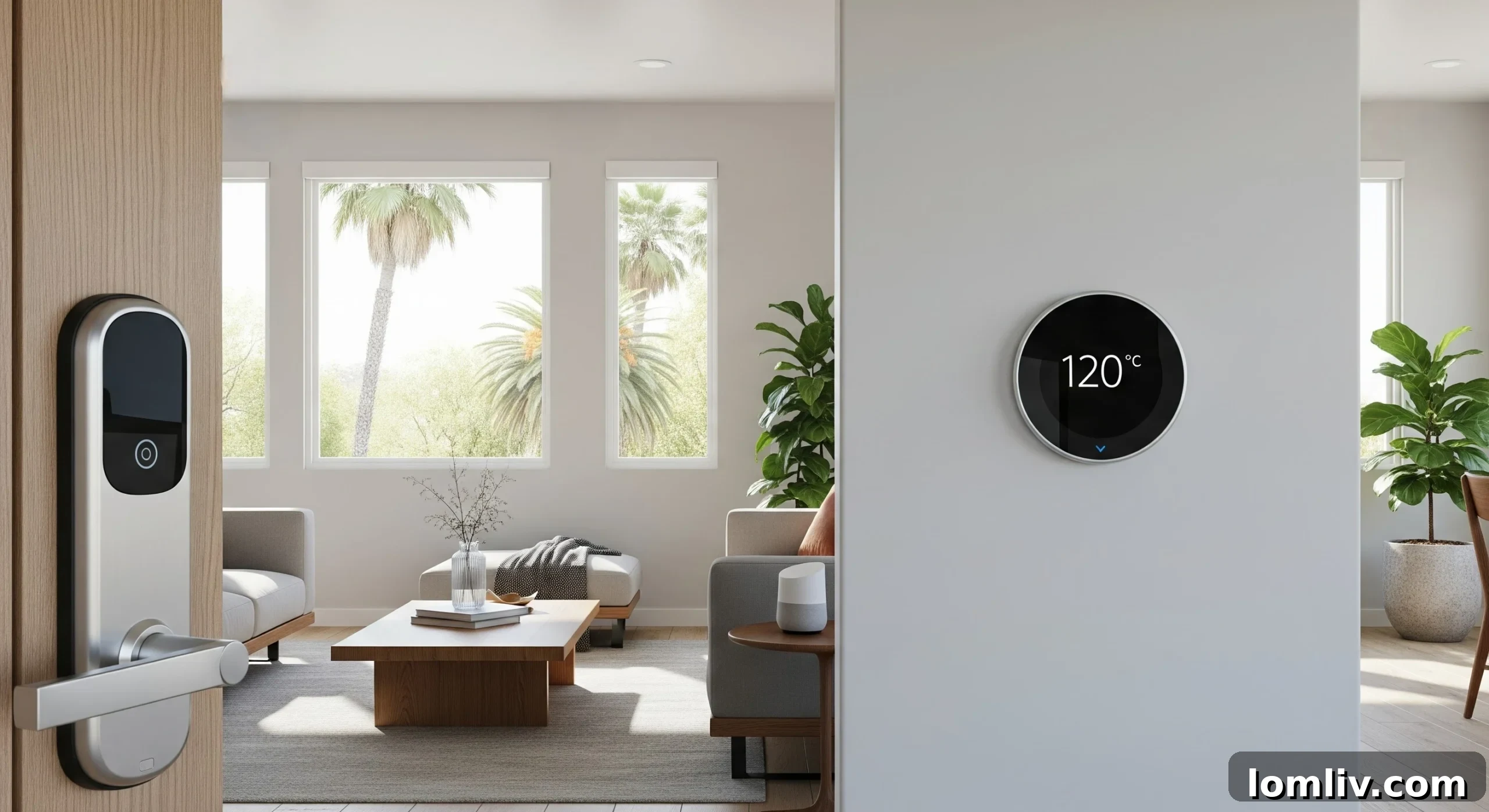
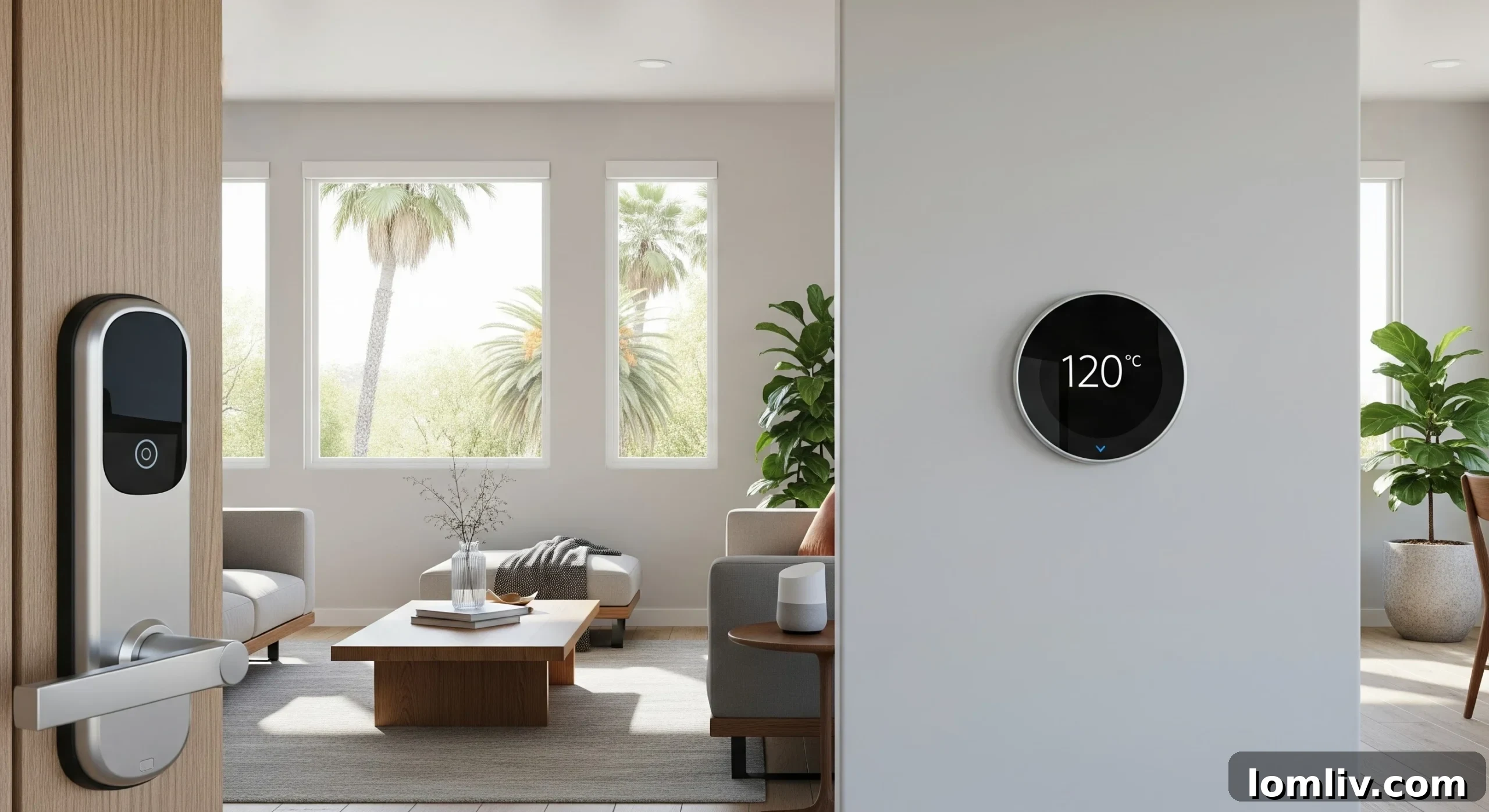
In today’s digitally driven world, technology seamlessly integrates into almost every aspect of our lives. From the smartphones in our pockets to the applications that simplify our daily routines, digital advancements are no longer luxuries but expectations. This paradigm shift extends significantly to our living spaces, where the demand for smart home technology is rapidly becoming a standard rather than a niche preference.
For property managers and real estate investors overseeing rental units, recognizing and responding to these evolving tenant needs is crucial. Modern renters, particularly younger demographics, are actively seeking properties that are not only comfortable and well-maintained but also equipped to support their connected, digital lifestyles. The allure of a “smart home” goes beyond mere convenience; it speaks to efficiency, security, and a contemporary living experience.
However, if you haven’t yet explored integrating smart home infrastructure into your investment properties, you might be contemplating whether these upgrades are truly a worthwhile investment or simply a passing fad. The market trends and growing tenant expectations strongly suggest the former. Smart home features are transforming rental properties, making them more attractive, secure, and energy-efficient.
This comprehensive guide will delve into the compelling reasons why smart home upgrades represent a sound investment for your rental properties. We will explore the myriad benefits, from increased rental income to enhanced property value, and highlight some of the most popular and high-ROI smart solutions you should consider focusing on to maximize your returns and tenant satisfaction.
Why Smart Home Upgrades are a Strategic Investment for Rental Properties
The term “smart home upgrades” is frequently discussed, but what exactly does it entail, and how do these systems integrate into a rental property? Fundamentally, a “smart home” refers to a living space equipped with interconnected devices that allow occupants—or you, as the property owner—to remotely control, monitor, and automate various home functions, typically via a smartphone app, voice commands, or a centralized hub. This broad category includes everything from adjusting the thermostat to locking doors, managing security systems, or controlling lighting, all from virtually anywhere.
One of the most appealing aspects of smart home upgrades for property investors is their installation flexibility. Most smart devices can be installed post-construction, meaning you don’t need to embark on a major home renovation project to integrate them. They can be added incrementally during tenant turnovers, minor repairs, or as part of planned property enhancements. While the upfront costs can vary significantly depending on the scope and type of technology you choose, the long-term benefits often far outweigh the initial outlay.
Investing in smart home technology offers a wide spectrum of advantages that directly impact your bottom line and property appeal:
Significant Boost to Your Rental Income Potential
One of the most tangible benefits of incorporating smart home features is the ability to justify a higher rental price. In a competitive rental market, properties equipped with modern conveniences stand out. A substantial number of tenants, particularly tech-savvy millennials and Gen Z, are not only willing but eager to pay a premium for a rental property that offers enhanced convenience, superior security, and improved energy efficiency. These features are perceived as significant value-adds, making the property more desirable and competitive.
For instance, a smart thermostat is a major draw. It offers tenants precise climate control and often provides data on energy consumption, empowering them to significantly reduce their monthly energy bills. The cost savings for tenants translate into a willingness to pay slightly more in rent, creating a win-win situation where your property generates higher income while offering tangible benefits to your occupants.
Lower Tenant Vacancy Rates and Enhanced Retention
Tenant satisfaction is a cornerstone of a successful rental property business. Happy tenants are loyal tenants, far less likely to seek new living arrangements. Smart home integrations play a pivotal role in cultivating an environment where residents feel more secure, comfortable, and in control of their living space. The convenience of keyless entry, the peace of mind offered by smart security systems, and the effortless control over home environments contribute to a superior living experience.
This translates directly into lower tenant vacancy rates, which is a key benefit for any property investor. Securing long-term tenants provides a stable, reliable source of passive income and dramatically minimizes the considerable costs associated with tenant turnover. These costs can include expenses for repainting, flooring repairs, extensive cleaning, marketing new listings, and the time-consuming process of screening new applicants. By making your properties more appealing and comfortable through smart technology, you foster loyalty and reduce these operational burdens.
Increased Property Values and Future-Proofing Your Investment
While the immediate revenue gains from higher rental premiums are attractive, smart home upgrades also offer substantial long-term benefits by increasing the overall market value of your properties. While smart home integrations on their own may not always be assigned an incredibly high standalone value by appraisers, their role in making a property feel modern, updated, and highly functional is undeniable.
Appraisers increasingly recognize the value of features that contribute to a property’s efficiency, security, and contemporary appeal. For example, the long-term energy savings facilitated by a smart thermostat or the advanced security provided by a sophisticated locking system are factors that contribute to a property’s perceived value. If your strategic plan involves selling or refinancing your investment properties in the future, these smart technology investments can help you command a higher asking price, aligning your property’s value with current market expectations and future trends.
Better Savings on Utility Costs and Enhanced Efficiency
A core strength of smart home technology lies in its remarkable ability to improve efficiency and help both you and your tenants reduce utility consumption and lower your carbon footprint. Many smart home applications feature intuitive dashboards that allow for real-time monitoring and optimization of a home’s operating expenses, directly impacting utility bills.
Consider the practical example of a smart water leak detector. These devices are designed to continuously monitor plumbing for unusual moisture or constant drips. Should a leak be detected, the system immediately sends an alert to your or your tenant’s smartphone. This early notification enables prompt intervention, addressing minor issues before they escalate into major, incredibly expensive water damage repairs that can affect the structural integrity of the property and lead to significant downtime. Similarly, smart lighting systems in common areas can drastically cut electricity waste by ensuring lights are only on when needed, further contributing to cost savings and environmental responsibility.
High-ROI Smart Technology Purchases to Consider for Rentals
Not all smart home upgrades offer the same return on investment (ROI). For property investors, the smartest approach is to prioritize improvements that are most desired by tenants, deliver tangible cost savings, and enhance the overall living experience. Focusing on these key areas ensures that your investment provides maximum value and appeal:
- Smart Thermostats: Representing a small upfront cost for a huge, visible value, smart thermostats are often the first recommendation. Tenants immediately see and appreciate the energy savings and enhanced climate control. Features like geofencing and programmable schedules optimize heating and cooling, reducing utility bills and making living more comfortable.
- Smart Locks / Keyless Entry Systems: These offer massive wins for both convenience and security. Tenants benefit from keyless access, never worrying about lost keys. For landlords, they eliminate the need to rekey locks between tenants, simplify property access for maintenance, and offer remote lock/unlock capabilities.
- Smart Security Systems (Video Doorbells, Motion Detectors): Incredibly high in demand, these systems provide real peace of mind. Video doorbells allow tenants to see and speak with visitors remotely, while motion detectors can deter potential intruders. These features significantly boost a property’s security profile, a top priority for most renters.
- Smart Leak Detectors: A relatively inexpensive and easy way to prevent catastrophic water damage. By detecting leaks early, these devices prevent minor drips from becoming incredibly expensive structural repairs, saving thousands in potential damages and insurance claims.
- Smart Lighting (especially in common areas): Can dramatically cut electricity waste, especially in multi-unit properties or common areas like hallways and stairwells. Smart lighting adds an extra layer of security through scheduled lighting and remote control, enhancing visibility and safety.
- Smart Plugs and Outlets: For relatively low cost, smart plugs transform regular appliances into smart ones, allowing tenants to control lamps, fans, and small electronics remotely. This offers basic automation and energy monitoring, adding a touch of modern convenience without extensive installation.
The beauty of these recommended upgrades is that most are relatively inexpensive, simple to install, and intuitive for tenants to use, making them ideal starting points for any property owner looking to modernize their portfolio.
Essential Considerations When Integrating Smart Features into Rentals
While the advantages of incorporating smart upgrades into your rental properties are substantial, it’s equally important to be aware of potential challenges and additional considerations to ensure a smooth and successful integration:
- The Upfront Cost: Equipping multiple rental units with smart technology can accumulate significant costs. It’s crucial to prioritize upgrades that offer the fastest and most impactful returns, such as smart thermostats and locks. Consider a phased approach, perhaps starting with one or two key features across all units, then gradually expanding as budget allows and technology evolves.
- Technology Obsolescence: The tech world moves at an incredibly rapid pace, with new devices and platforms emerging constantly. To mitigate the risk of rapid obsolescence, stick with well-known brands that have a proven track record of product support, software updates, and compatibility with major smart home ecosystems like Amazon Alexa, Google Home, or Apple HomeKit. Choosing open standards rather than proprietary systems can also offer more flexibility.
- Tenant Privacy Concerns: This is a critical ethical and legal consideration. Transparency is paramount. Tenants must be fully informed about what smart devices are installed in the home, how they function, what data they collect (if any), and who has access to their controls. Clear communication, perhaps through a lease addendum, can prevent misunderstandings and build trust. Ensure that any surveillance features are clearly disclosed and meet all privacy regulations.
- Setup, Reliability, and Ongoing Maintenance: A “smart” lock that fails to operate is infinitely more frustrating and problematic than a simple, reliable deadbolt. It’s imperative to ensure that all smart technology is professionally and correctly installed, and that it is consistently reliable. This often means ensuring robust Wi-Fi connectivity throughout the property. Be prepared to provide clear instructions for tenants on how to use the devices and have a plan for troubleshooting, maintenance, and prompt repairs when technical issues inevitably arise.
- Internet Dependency and Cybersecurity: Most smart devices rely on a stable internet connection to function optimally. Consider whether internet service will be included in the rent or if tenants are responsible. Furthermore, interconnected devices introduce potential cybersecurity vulnerabilities. It’s wise to ensure your chosen devices have strong security protocols and that network security best practices are followed.
- Compatibility and Integration: As you add more smart devices, ensuring they can seamlessly communicate and integrate with each other under a single platform is vital for a truly “smart” experience. Fragmented systems can lead to frustration for both you and your tenants.
Elevate Your Rental Properties and Attract Desirable Tenants
In conclusion, strategically integrating smart home technology into your rental properties is a profoundly effective way to make them stand out in a competitive market. It’s more than just a trend; it’s a fundamental shift in how people expect to live and interact with their homes. By adopting these modern advancements, you’re not just upgrading a property; you’re enhancing the entire tenant experience, future-proofing your investment, and unlocking new avenues for revenue growth.
When you consider the comprehensive picture—the ability to command higher rents, the significant benefit of retaining happier tenants for longer periods, and the undeniable increase in your property’s overall market value—the rationale for investing in new smart home features becomes overwhelmingly clear. Proactive property owners who embrace these innovations today will undoubtedly position themselves for sustained success and profitability in the evolving real estate landscape.
Author Bio
Dalip Jaggi: An entrepreneur, technologist, and passionate business leader, Dalip Jaggi embodies the core values of Revive Real Estate, a pioneering PropTech company he co-founded with the mission to democratize house flipping. Since its inception in 2020, Revive has quickly established itself as the smartest solution for homeowners nationwide seeking to maximize their home’s sales value through strategic renovations and modern upgrades.