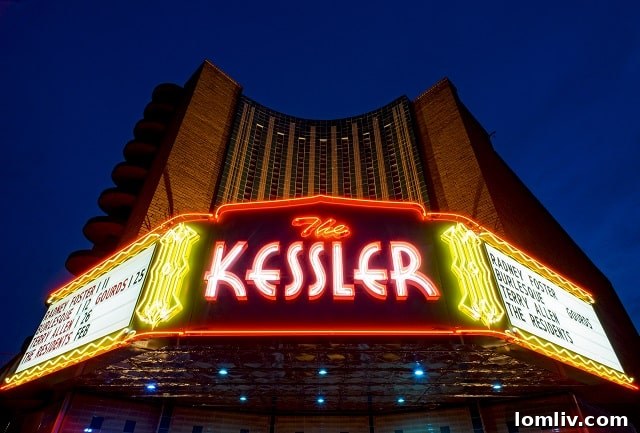
Unpacking the Kessler Theater Video: A Deep Dive into Dallas Real Estate, Neighborhood Stereotypes, and Urban Culture
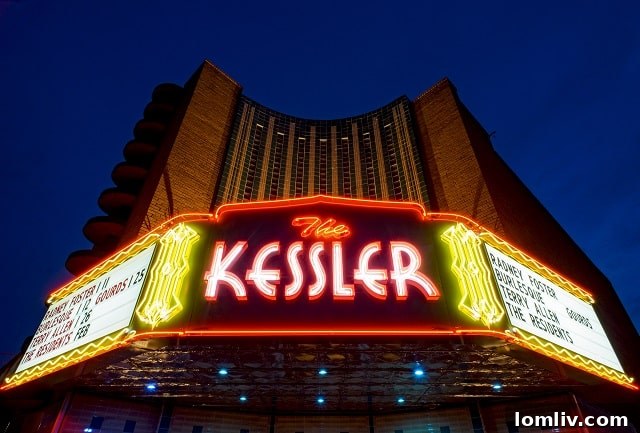
The digital age ensures that certain moments transcend their immediate context, becoming viral sensations that spark broader conversations. Such was the case with a now-infamous video captured at the historic Kessler Theater, an incident that quickly became the talk of Dallas and beyond. Filmed by the theater’s artistic director, Jeff Liles, and initially shared on his Facebook page, the video captured a heated exchange involving two women who were allegedly asked to leave a Lee Ann Womack concert due to disruptive behavior. This event, far from being just a simple dispute, ignited a fascinating discussion about social etiquette, perceived class differences, and the evolving landscape of Dallas neighborhoods and their real estate values.
The video, which garnered thousands of shares and widespread attention on platforms like The Dallas Observer, depicted a scene where the women, seemingly under the influence, contested their removal. They claimed a personal connection to the performer, Lee Ann Womack, and expressed frustration over the request to leave. However, it was the subsequent remarks made by one of the women, later identified as Kayla Watts, that truly propelled the incident into a significant local talking point. Her comments, particularly the dismissive labeling of Oak Cliff – the vibrant neighborhood where the Kessler Theater is nestled – as “the hood,” revealed an underlying tension regarding urban perceptions and the snobbery that can unfortunately accompany rapid urban development.
While some might view such an incident as mere social drama, its deeper implications resonate profoundly with issues of real estate, community identity, and the persistent stereotypes that plague rapidly gentrifying areas. We initially deliberated on covering this story, partly out of a shared understanding that anyone can have an off night. Indeed, many of us have found ourselves in less-than-stellar situations after a few too many drinks. However, the core of the video, and Watts’ subsequent commentary, clearly pointed to a larger narrative about Dallas’s dynamic real estate market, the diverse character of its neighborhoods, and the unfortunate persistence of outdated social prejudices.
Challenging “The Hood” Stereotype: Oak Cliff’s Transformation
The term “the hood” carries a loaded historical and social weight, typically signifying a “bad part of town” or “the other side of the tracks” – areas often associated with lower property values and social challenges. Yet, the reality of urban development, especially in cities like Dallas, frequently defies these simplistic labels. Oak Cliff, where the Kessler Theater stands as a cultural beacon, is a prime example of a neighborhood that has undergone a remarkable transformation, evolving from an overlooked district to a highly desirable locale.
Far from lowering property values, being perceived as “cool” or “up-and-coming” can significantly beef them up. This phenomenon isn’t new; countless urban areas globally have followed a similar trajectory. Consider Hell’s Kitchen in New York City. Once notorious for its gritty streets, poverty, and immigrant populations along 39th Street and 10th Avenue, it has astonishingly transformed into one of Manhattan’s most coveted residential areas. Homes that were once affordable now command prices upwards of $14 million, showcasing a dramatic shift in perception and value.
Similarly, San Francisco’s Haight-Ashbury district, famous as a counterculture mecca in the 1960s, was originally characterized by beautiful 19th-century wooden houses. Its property values plummeted during the ’60s due to a proposed freeway, making it accessible to artists and hippies. Today, it stands as a testament to urban evolution, with condos now listed for over $1.3 million. These examples illustrate that “the hood” is a fluid concept, often misinterpreted and rarely reflecting the true potential or current value of a diverse urban landscape.
Oak Cliff embodies this narrative of revitalization. Once viewed by some as economically depressed, it has experienced a renaissance, driven by a renewed appreciation for its historic architecture, vibrant arts scene, and strong community spirit. The Kessler Theater itself is a symbol of this resurgence, drawing diverse crowds and showcasing local and national talent. It has become a cornerstone of the community, fostering cultural engagement and contributing to the area’s economic vitality. The notion of calling such a dynamic, evolving neighborhood “the hood” not only disrespects its residents and history but also ignores the significant investment and pride that have shaped its current identity.
The Viral Video and Its Social Commentary
The conversation around the Kessler Theater video extended beyond real estate, delving into issues of social conduct and perceived elitism. As reported by The Dallas Observer, the diatribe delivered by Kayla Watts was described as “an obscenity-laced speech full of racist and homophobic slurs and insinuations.” While the exact nature of all the slurs can be debated, what was unequivocally clear was a pervasive tone of rudeness and judgment. Comments about “the lesbians” and the infamous declaration of herself and her friend as “white, normal people” before insulting Jeff Liles’ dreadlocks underscored a disturbing lack of empathy and respect.
Crazy person at The Kessler Sometimes people talk too loud during shows and we have to remove them from the room. This was one of those times.
Posted by Jeffrey Liles on Saturday, May 9, 2015
The video captured by Jeffrey Liles vividly illustrates the professionalism of the Kessler Theater staff in a challenging situation. The two women, claiming acquaintance with Lee Ann Womack, were asked to leave following complaints from other concertgoers. While one woman promptly exited, Kayla Watts remained, attempting to justify her behavior in an extensive recording. Her monologue included referring to Oak Cliff as “the hood,” describing herself and her companion as “white, normal people,” and making personal remarks about Liles’ appearance. Despite the escalating tension, Liles and the Kessler team handled the encounter with remarkable patience and professionalism, a testament to their dedication to providing a respectful environment for all patrons.
Jeff Liles’ calm demeanor throughout the exchange was particularly striking. His attempts to explain the need for quiet in a theater setting were met with resistance, akin to reasoning with unruly children. It highlighted a significant disconnect between the patrons’ expectations and the venue’s operational standards, but also a deeper societal issue regarding entitlement and respect for public spaces and diverse communities.
The Irony of Perception: University Park vs. Oak Cliff
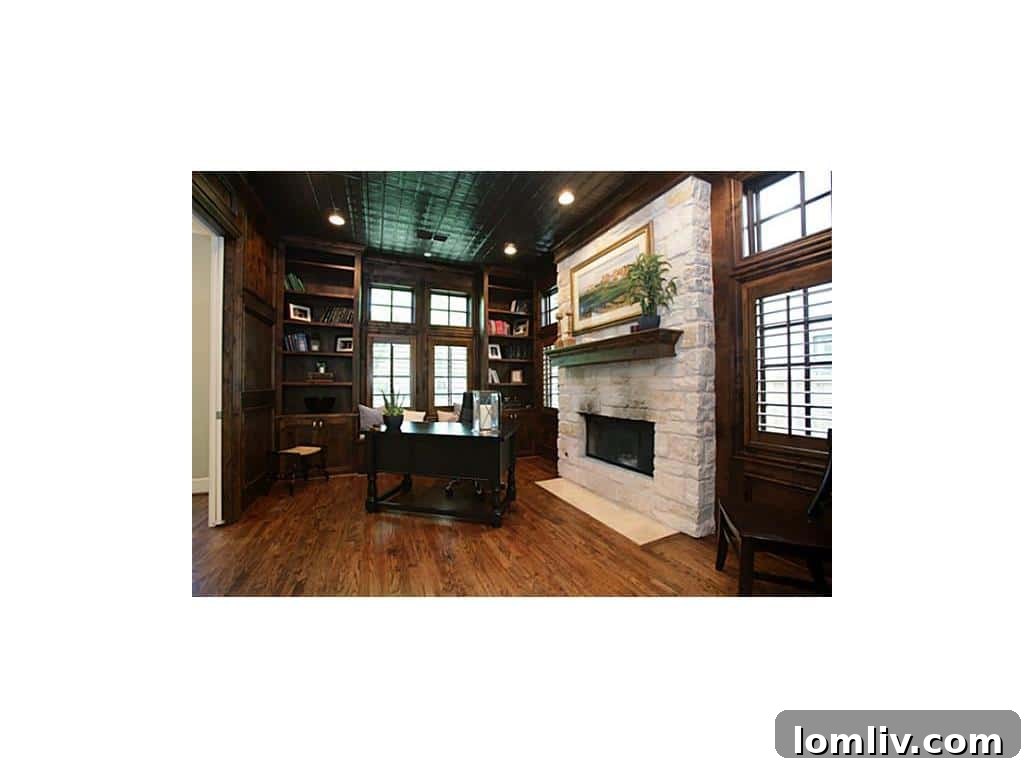
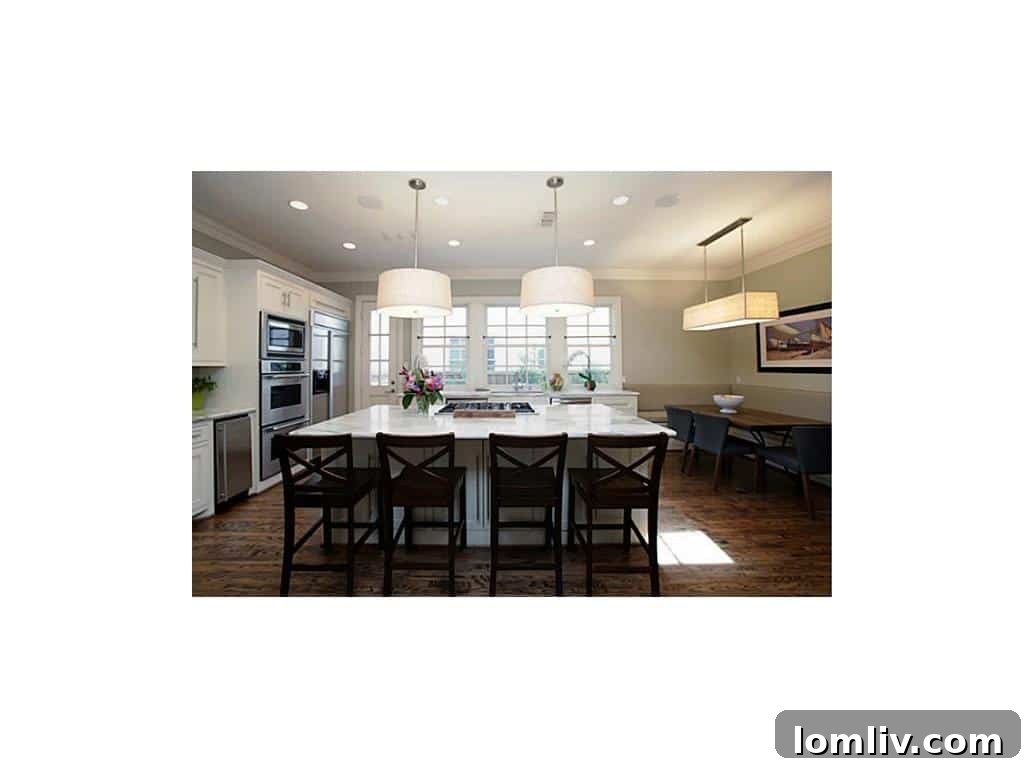
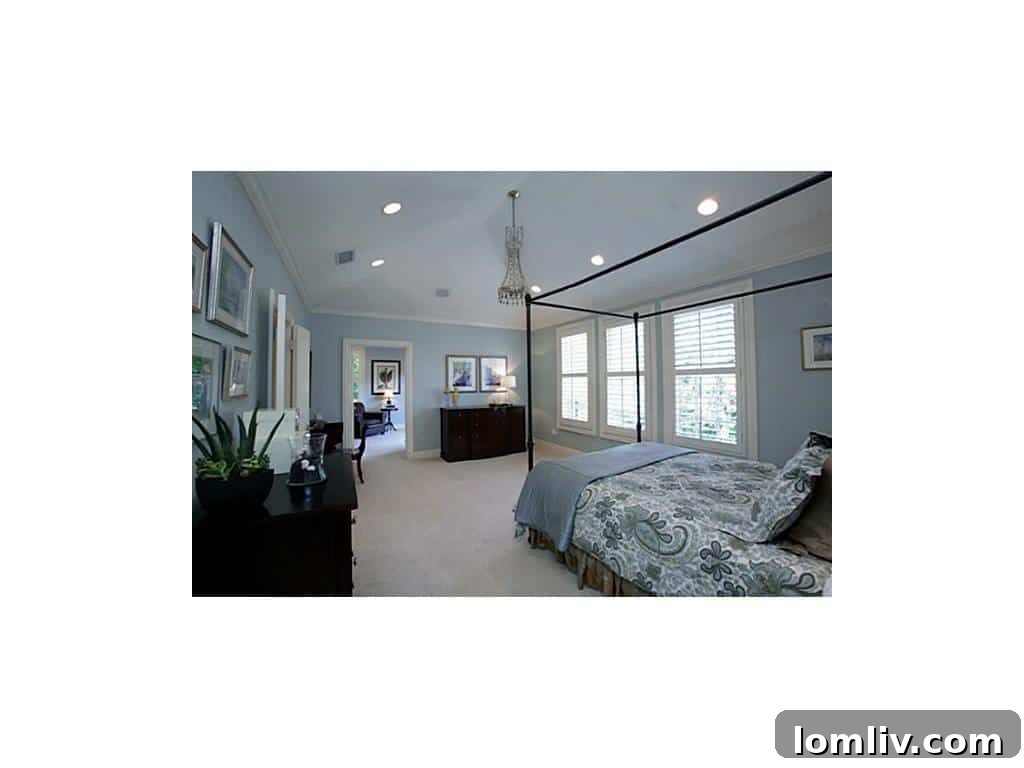
A compelling layer of irony was revealed when further investigation uncovered Kayla Watts’ own residential background. Despite her disparaging remarks about Oak Cliff, proclaiming it “the hood,” Watts resides in the affluent Dallas neighborhood of University Park. Records indicate that she and her spouse or significant other purchased a substantial 5,110-square-foot home in University Park for approximately $1.5 million. This revelation underscored a significant hypocrisy, where someone living in a highly privileged area felt comfortable denigrating another community with outdated and inaccurate stereotypes.
It’s important to note that while University Park is undoubtedly a desirable and expensive neighborhood, its value doesn’t inherently diminish the worth or beauty of other areas. In fact, Dallas is rich with diverse communities offering exceptional quality of life and impressive real estate. For instance, just a short distance from the Kessler Theater, in what Watts dismissively termed “the hood,” one can find homes of comparable value and architectural splendor. Kessler Park, a gem within Oak Cliff, boasts stunning properties that rival those in more traditionally prestigious Dallas neighborhoods.
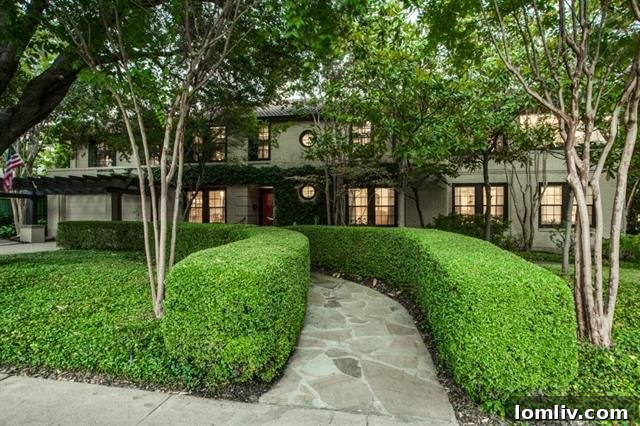
This juxtaposition serves as a powerful reminder that true understanding of a city’s real estate landscape extends beyond preconceived notions. Dallas is a tapestry of unique neighborhoods, each with its own character, charm, and property values that reflect evolving demand and appreciation. From the historic elegance of Highland Park and University Park to the artistic vibrancy of Oak Cliff and the burgeoning appeal of areas like Bishop Arts, the city offers a wide spectrum of living experiences.
Beyond the Incident: Embracing Dallas’s Diverse Real Estate and Culture
The Kessler Theater incident, while initially unsettling, provided an invaluable opportunity to discuss deeper themes within Dallas’s urban fabric. It highlighted the importance of moving beyond superficial judgments and embracing the genuine diversity and dynamism that define our city. To truly appreciate Dallas real estate, one must look beyond zip codes and historical stereotypes and instead recognize the value and community pride found in every corner.
Whether it’s a meticulously restored historic home in Oak Cliff, a modern condominium downtown, or a sprawling estate in the northern suburbs, Dallas offers something for everyone. The true spirit of the city lies in its blend of cultures, its commitment to growth, and the welcoming nature of its diverse communities. Having immense pride in where you live is a wonderful thing, a testament to the community you’ve chosen. However, this pride should never morph into snobbery or an uninformed dismissal of other neighborhoods. Every “hood” or district has its own story, its own value, and its own proud residents contributing to the rich tapestry of Dallas.
Ultimately, the video served as a cultural litmus test, challenging residents to confront their own biases about neighborhoods and wealth. It emphasized that respect for others and an open mind are far more valuable than any address or property value. Dallas is a city of continuous evolution, and its real estate market reflects this ongoing narrative. By fostering understanding and mutual respect across all its communities, we can ensure that Dallas remains a vibrant, inclusive, and truly exceptional place to live, work, and thrive.