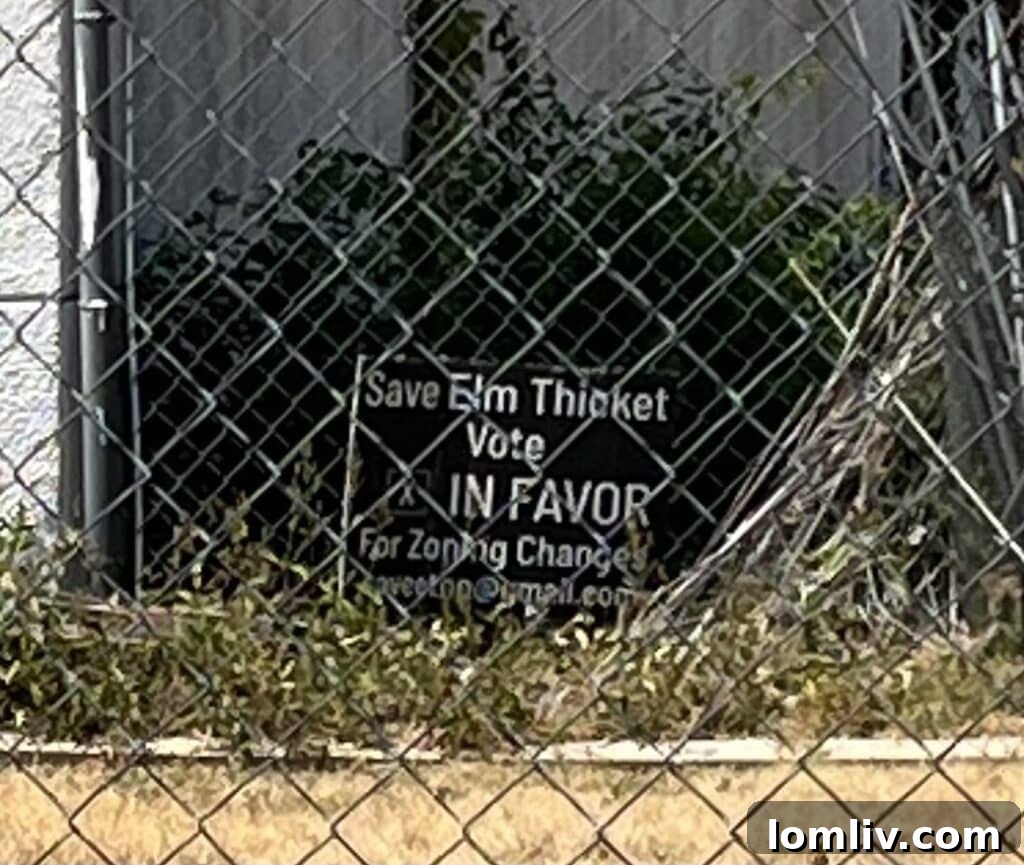
The historic Elm Thicket/Northpark neighborhood in Dallas, a resilient Freedman’s community, continues its steadfast fight to preserve its unique character and heritage. Nearly a year has passed since residents stood united against City Hall, successfully securing critical zoning changes designed to curb overwhelming new construction. Yet, a drive through this vital Dallas community, bordered by Lemmon Avenue, Lovers Lane, Inwood Road, and Mockingbird Lane, reveals a landscape still undergoing rapid and often jarring transformation, challenging the very essence of their hard-won victory.
Residents achieved a significant milestone by limiting the footprint and height of new developments. This collective effort aimed to protect the fabric of a neighborhood that has been home to generations of Dallasites. However, the visual reality on the ground often tells a different story. “When the zoning fight came to pass, we knew we had to either stand and fight now or the neighborhood’s gone,” one resident passionately articulated. “There was no other way around it.” This sentiment underscores the deep commitment and urgency felt by those dedicated to preserving their cherished community.
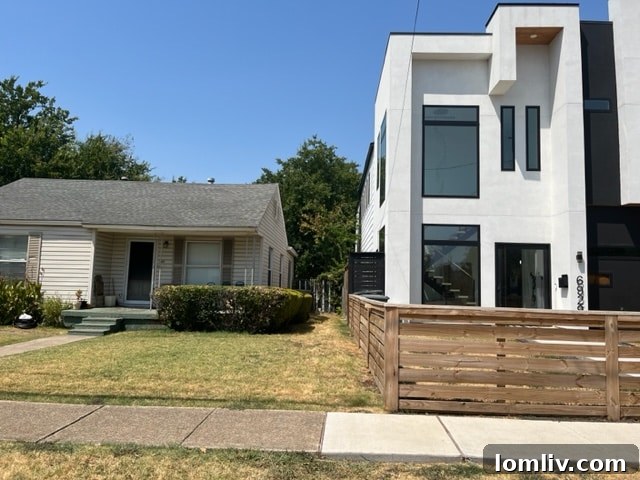
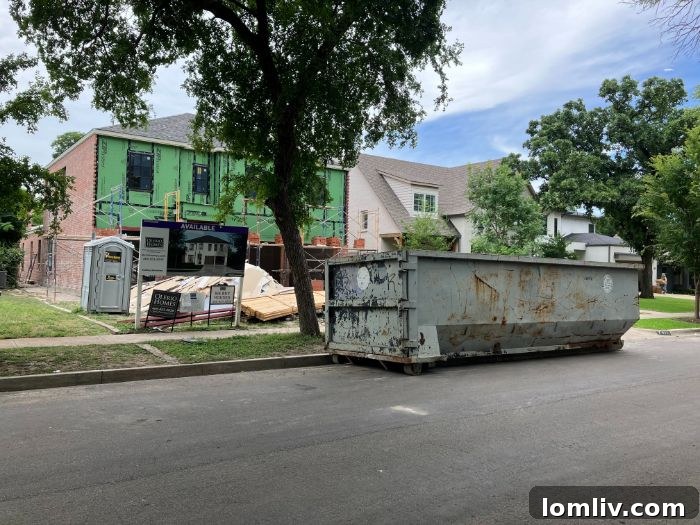
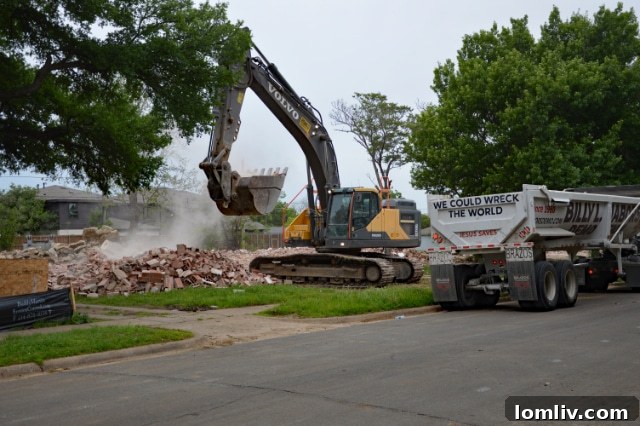
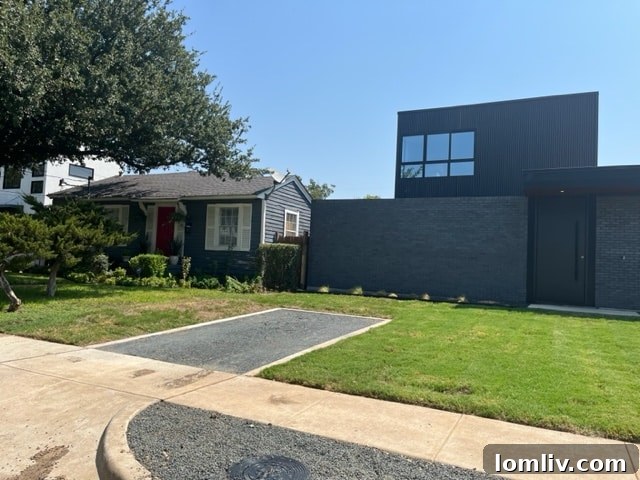
Historically, Elm Thicket/Northpark was characterized by its charming, affordable one-story homes, built with wood frames or brick, nestled along narrow streets shaded by mature, welcoming tree canopies. These homes represented a legacy, a testament to decades of community building. Today, a striking contrast defines the area. Towering, contemporary “McMansions” now pepper the neighborhood, often constructed on elevated slopes. These imposing structures, far removed from the original architectural style, unfortunately contribute to altered drainage patterns, directing water runoff directly into adjacent, long-established properties. The once-abundant trees, integral to the neighborhood’s aesthetic and environmental health, have frequently been replaced by construction company dumpsters and portable toilets, symbolizing a stark shift in the community’s natural and built environment.
While the term “gentrification” is cautiously used, the visual evidence strongly suggests its pervasive presence. The influx of newer, wealthier residents has undeniably reshaped the neighborhood’s landscape and social dynamics. Furthermore, a growing concern revolves around properties that, if not sold, are frequently repurposed as short-term rentals, often operating as Airbnbs. This trend is poised for change, however, as the City of Dallas prepares to enforce a residential ban on short-term rentals commencing in December, offering a glimmer of hope for restoring residential stability.
A fundamental question arises: How are developers seemingly circumventing the “downzoning” regulations approved by the City Council? The answer lies in a critical loophole: many developers had already secured their permits, paid the requisite fees, and were thus “grandfathered in” to continue construction under the old regulations even after the October vote. This administrative detail effectively allowed a surge of incompatible development to proceed, creating a paradoxical situation where policy change is enacted, yet its immediate impact is muted by pre-existing approvals.
Despite these ongoing challenges, residents remain immensely proud of their advocacy efforts and firmly believe in the long-term impact of their fight. They are convinced that their collective action has successfully fortified the neighborhood against even more pervasive and incompatible development in the future, establishing a crucial precedent for community-led preservation.
Beyond the architectural changes, this development shift casts a long shadow over Elm Thicket/Northpark’s ability to secure vital federal funding. As Jonathan Maples, the neighborhood association president, explains, the influx of high-value properties distorts how the neighborhood is perceived for “equity scoring” – a critical metric for federal aid. “Because this neighborhood is in transition, you’ve got big houses going up,” Maples stated. “When they look at that equity scoring, they say, ‘Oh, no, they’ve got $2 [million] and $3 million houses going up over there. They surely don’t need any money.’ But that’s false. This is a Freedman’s neighborhood. We will ask for [funding], and just know that if it gets stuck in limbo, I will raise hell about it.” This highlights a significant challenge: the very development that residents fought against now jeopardizes essential resources for a historically underserved community.
Navigating Changes and Challenges in Elm Thicket/Northpark
The relentless pace of construction activity has left many longtime residents bewildered, witnessing familiar streets like March Avenue transformed into vacant lots and new structures emerging at every corner. The planning and urban design departments, while working closely with the community on zoning, do not directly police code compliance, as Assistant Director Andrea Gilles clarified. “I heard anecdotally that there were quite a few permits already in play or already submitted,” Gilles explained. She emphasized that while plans must meet code to obtain a permit, her department isn’t responsible for on-site enforcement. “I don’t know if there have been 311 calls over certain properties that people think are being built outside of the standards,” she added, pointing to the need for citizen vigilance.
Even with the new zoning, Gilles noted, developers can still construct “pretty big house[s] out of this and meet the standards.” She recalled trying to make this clear during the rezoning process, laying out scenarios for what square footage was still achievable on various lots. “You still get a pretty big house. It just helped avoid some of those very tall, flat-roof structures,” she said. A key factor in the current appearance of new homes being built so close to existing structures is the committee’s decision not to address side setbacks during the zoning amendment process. This omission has unfortunately contributed to the sense of encroachment felt by many residents.
The neighborhood’s August newsletter serves as a crucial communication tool, actively drawing attention to construction violations that pose serious risks to children and pedestrians. One highlighted concern is the practice of “home builders hav[ing] started parking their construction Dumpsters on our public streets.” The newsletter underscores the extreme danger this presents, as drivers’ visibility is severely compromised, increasing the likelihood of accidents. Residents are strongly encouraged to report such violations directly to the City of Dallas Building Inspection Division, empowering the community to play an active role in enforcing safety standards.
The development standards officially approved in October delineate specific criteria for new construction within the defined “authorized hearing area,” encompassing Lovers Lane to the north, Inwood Road to the east, Mockingbird Lane to the south, and Lemmon Avenue and Bluffview Boulevard to the west. These crucial regulations include:
- Single-story and two-story structures must adhere to a maximum of 35 percent lot coverage, ensuring adequate open space.
- A minimum of 90 percent of the main structure’s roof, when exceeding 20 feet from grade, must feature a hip or gable design, promoting a more traditional aesthetic.
- Maximum structure height is strictly limited to 25 feet, with no portion of the building permitted to exceed 30 feet from grade, to prevent overly tall constructions.
- Duplex uses are specifically permitted along Mabel Avenue and Roper Street, allowing for certain types of multi-family housing in designated areas.
Despite these clear guidelines, many residents observe that a significant portion, if not all, of the construction currently underway in Elm Thicket/Northpark does not align with the criteria approved last October. This disconnect, as neighbors consistently point out, stems from the aforementioned “grandfathering” clause, where development plans were often submitted and permits secured “on a napkin” prior to the crucial council vote, effectively exempting them from the new, stricter regulations.
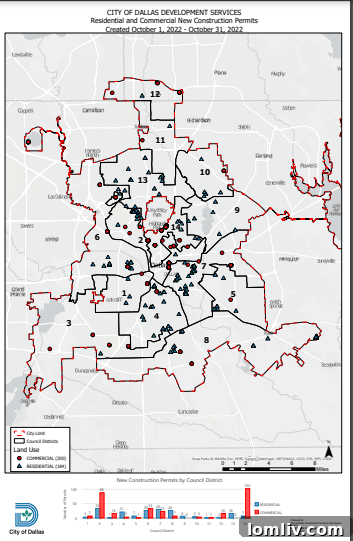
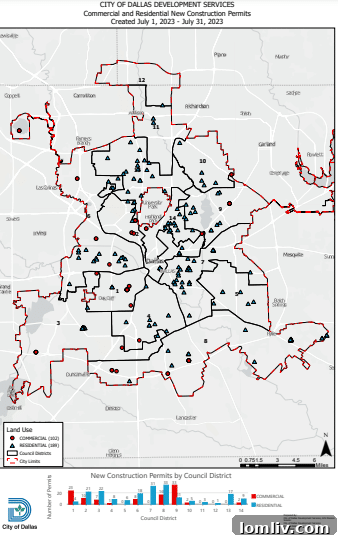
Dallas Director of Development Services, Andrew Espinoza, clarified that his department primarily oversees permitting and does not directly manage zoning changes. However, he provided a valuable link to permitting data, which can be searched by ZIP code. This transparency tool allows residents to track and scrutinize the permits issued, providing a clearer picture of the development activities occurring in their neighborhood.
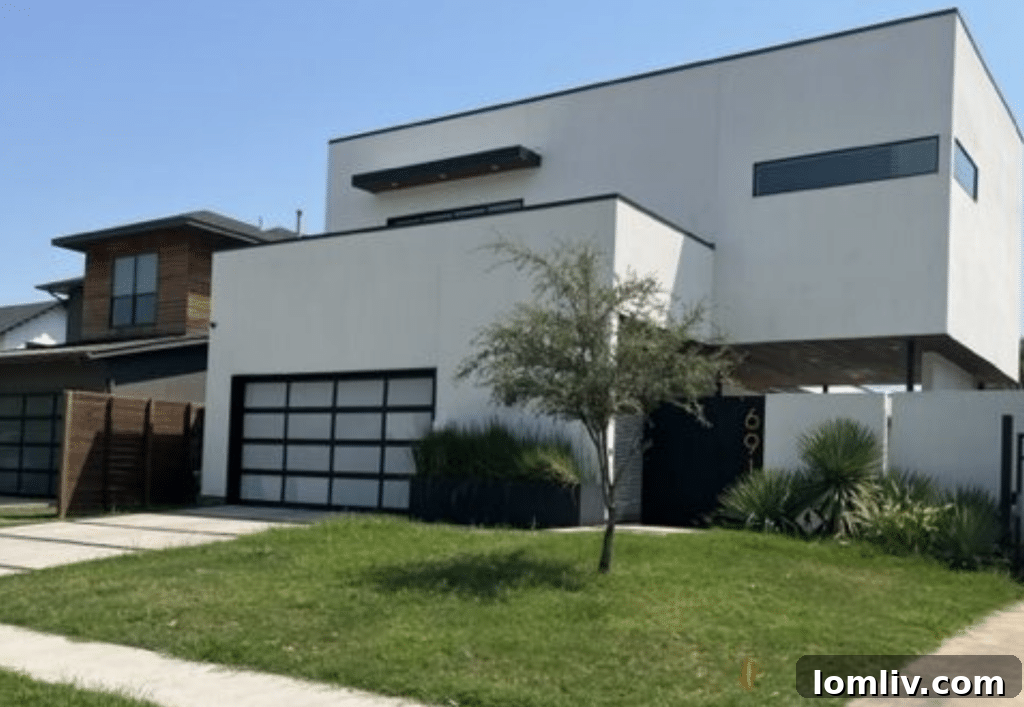
Prominently displayed “For Sale” signs from Olerio Homes are a common sight throughout the neighborhood, including a significant $1.8 million listing on Morton Street. Lou Olerio, the driving force behind the company, proudly states that for 14 years, his team has been dedicated to “developed outstanding new homes and communities in Dallas’ most popular communities — Preston Hollow, Devonshire, Bird Streets, Bluffview, and the Medical District.” The presence of such luxury developments underscores the dramatic shift in market value and demographic within Elm Thicket/Northpark. Despite outreach, Lou Olerio did not respond to a request for an interview with daltxrealestate.com, leaving many questions about their development strategies unanswered.
Community Resilience: Neighborhood Safety and Future Bond Projects
The Elm Thicket/Northpark Neighborhood Association meeting on August 26 provided a crucial forum for residents to discuss an array of pertinent issues, including the critical topic of neighborhood safety. This gathering highlighted the community’s proactive approach to maintaining a secure environment for its residents.
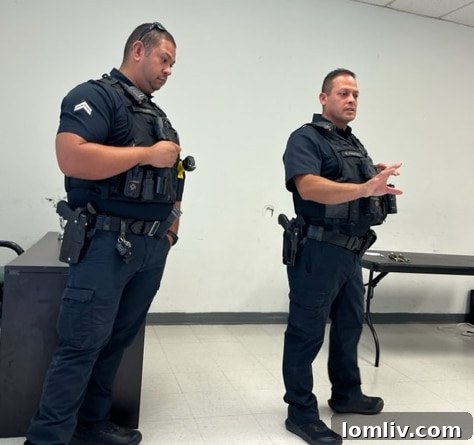

Neighborhood Police Officer Mike Villanueva shared reassuring statistics, indicating a relatively low crime rate within the area. In a two-month span beginning July 1, only five crimes were reported and investigated: three car burglaries and two stolen vehicles. Officer Villanueva noted that much of the localized crime tends to be concentrated near the Arches at Park Cities Apartments on University Drive. He underscored the importance of community vigilance, stating, “If the residents take ownership of the community where they live, you’d be surprised that the crime will go somewhere else when they don’t have access — like a kid in a candy store — to all that stuff.” He also pointed out a significant contributing factor to property crimes: “Most of the reports we see, a high percentage of the cars are left unlocked.” Officers actively encouraged residents to download the iWatchDallas smartphone application, a valuable tool for anonymously reporting suspicious activities and suspected crimes. Looking ahead, National Night Out, scheduled for October, offers another excellent opportunity for residents to further strengthen their bonds with local law enforcement and foster a safer community. District 2 Councilman Jesse Moreno echoed these sentiments, dispelling misconceptions: “Elm Thicket/Northpark really is a safe neighborhood. You can hear all the mistruths out there that this is a crime-ridden neighborhood, but it really is one of the safest places in the City of Dallas.”
Strategic Investments: Bond Projects for Elm Thicket/Northpark
The August neighborhood association meeting also served as a crucial platform for discussing future investments through Dallas’s upcoming 2024 bond program. Jenny Nicewander, Interim Director of Bond and Construction Management and a resident of Elm Thicket for over a decade, provided comprehensive insights into this vital initiative. She articulated the fundamental need for a bond program: “Mainly because we have a lot of large, expensive projects that would drain our general fund budget.”
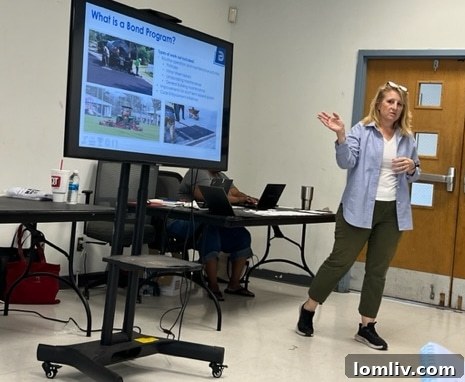
A comprehensive needs inventory has identified an staggering $16.6 billion worth of necessary projects across the city. The formidable task of prioritizing and paring down this extensive list falls to the Community Bond Task Force, which is charged with narrowing it to a more manageable $1.1 billion for the upcoming election. While initially slated for May 2024, several City Council members have recently requested that the bond election be postponed to November of next year, allowing for more time to address critical issues like pension deficits.
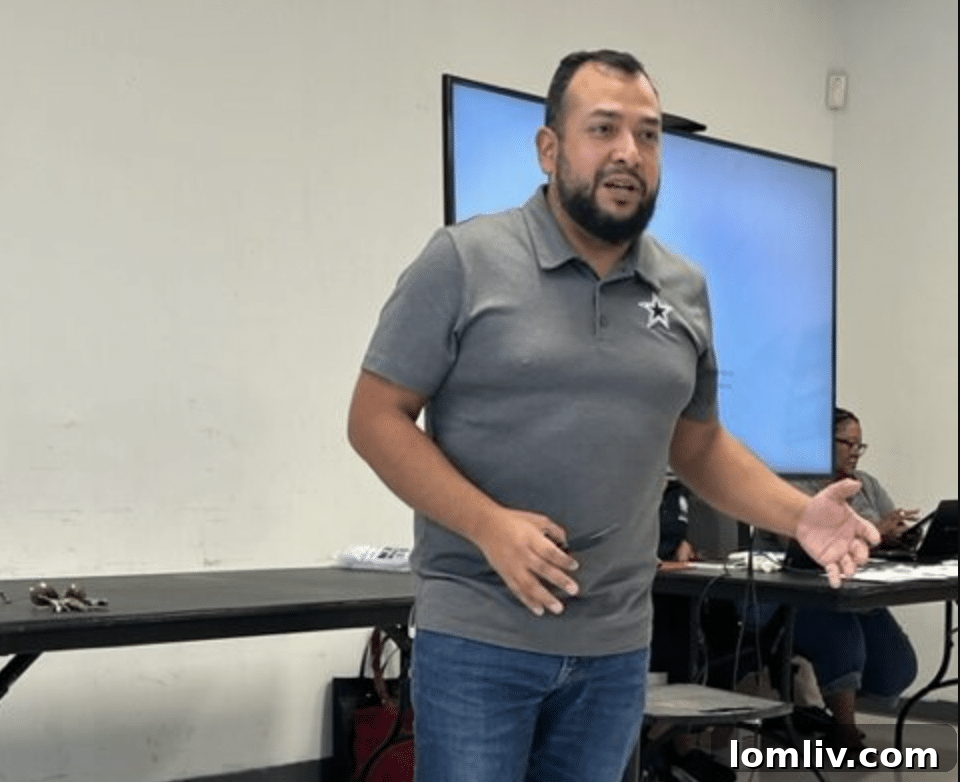
Nicewander strongly encouraged residents to actively participate by submitting eligible projects to her office, emphasizing the importance of community input. She noted that the majority of identified projects for Elm Thicket/Northpark on the needs inventory are focused on improving unimproved alleys, a long-standing concern for residents. Furthermore, public input is highly valued, with town hall meetings scheduled for September 26 and October 3, providing crucial opportunities for residents to voice their priorities and concerns. Jonathan Maples reinforced this call to action: “Our voices are the only way we get some of that bond money. Let’s make our voices heard.”
The recent neighborhood association meeting boasted a notable presence of local leaders, including Councilman Moreno, newly-elected DISD school board trustee Sarah Weinberg, and K.B. Polk Elementary School Principal James Wallace. It’s important to note that District 6 Councilman Omar Narvaez, who was not present, represents a segment of the neighborhood situated north of University Park. Councilman Moreno echoed Jonathan Maples’ earlier concerns regarding the city’s equity scoring system. He highlighted that despite the City Council adopting a Racial Equity Plan last year, the influx of new development in Elm Thicket/Northpark is skewing these figures, unfairly disadvantaging the historic community when it comes to federal and bond funding. “One thing that I am not pleased with is our equity scoring, once again, is failing to recognize the need of Elm Thicket/Northpark just because of all the mix of homes that we have in this neighborhood,” Moreno passionately stated. “It is not getting the equity points that it deserves. That happened with [American Rescue Plan Act] dollars and it’s happening again with bond dollars. I hope when you go speak and give your testimony, you reference the fact that this is a community that is deserving.” This collective call to action underscores the ongoing commitment to ensuring Elm Thicket/Northpark receives the equitable treatment and resources it rightfully merits.
The Elm Thicket/Northpark community stands as a testament to resilience, deeply rooted in its history as a Freedman’s town. While victories have been hard-won in the battle for sensible zoning, the struggle against encroaching development and its unintended consequences continues. From navigating the complexities of “grandfathered” permits to advocating for equitable distribution of city resources, residents remain actively engaged in shaping their future. Their collective voice, unwavering spirit, and commitment to community preservation ensure that Elm Thicket/Northpark will continue to fight for its unique identity and deserved support in the heart of Dallas.