Every week, the meticulous professionals at Green Scene Home Inspections offer Daltxrealestate.com readers invaluable insights and education on crucial aspects of property inspection. Delve deeper into the structural integrity and safety of homes by tuning in for our regular series, “Upon Closer Inspection.” Our commitment is to illuminate what our expert eyes observe, ensuring homeowners and buyers are well-informed about their most significant investments.
Navigating the Home: Essential Inspection Insights from Roof to Hearth
From the crowning glory of a home – its roof – to the cozy warmth of its fireplace, every component plays a vital role in a property’s safety, longevity, and value. Our comprehensive home inspections go beyond a superficial glance, meticulously uncovering potential issues that could lead to significant problems down the line. Join us as we explore critical areas of home inspection, revealing both common pitfalls and the pinnacle of residential construction.
The Perilous Path: Uncovering Roof Deficiencies and Temporary Fixes
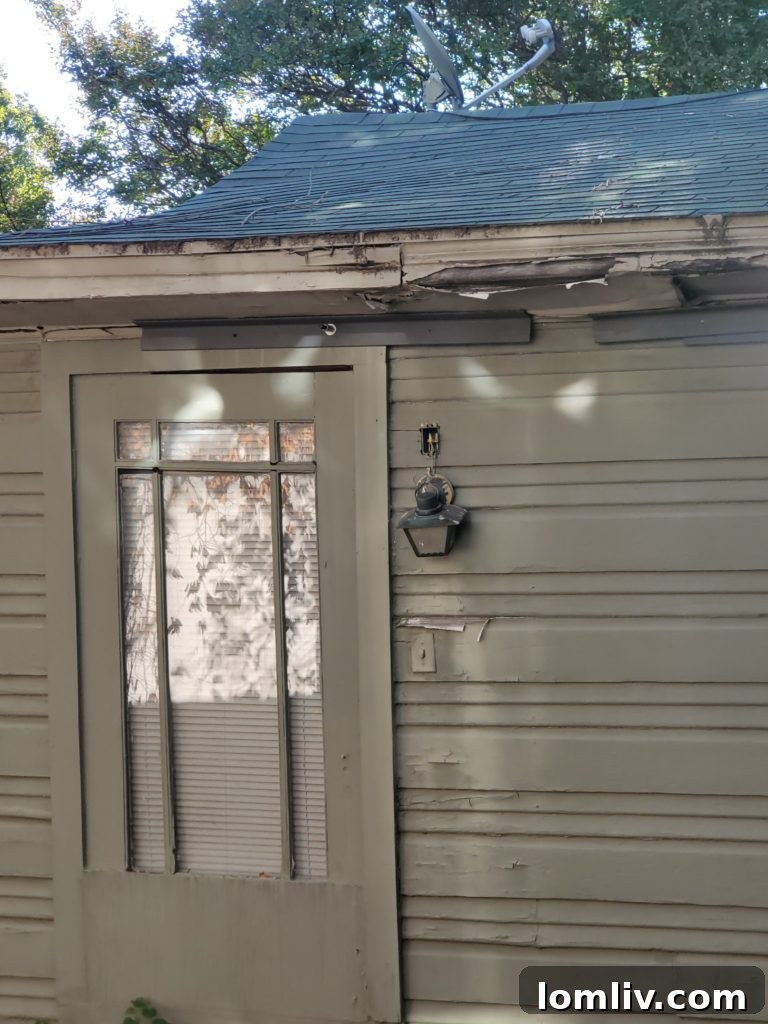
A home’s roof is its primary defense against the elements, and its structural integrity is non-negotiable. During inspections, we frequently encounter various degrees of roof damage, some of which present immediate safety hazards. Consider the scenario depicted above: a roof featuring what appears to be makeshift 2×2 lumber acting as supports. This kind of temporary, unengineered repair is a red flag for any seasoned home inspector. While a quick fix might seem to address an immediate crisis, it rarely offers a long-term solution and often masks more severe underlying issues.
Such inadequate supports indicate a compromised roof structure that could be vulnerable to collapse, especially under heavy loads from snow, ice, or strong winds. It suggests a potential failure in the roof decking, rafters, or trusses, which are integral to maintaining the overall structural stability of the entire house. Professional home inspectors are trained to identify these dangerous alterations and assess their implications for the property’s safety. Beyond the obvious danger, these types of repairs can lead to water intrusion, mold growth, and further deterioration of building materials, significantly impacting indoor air quality and structural integrity. A proper roof repair involves understanding the root cause of the damage and implementing solutions that meet current building codes and industry standards, often requiring specialized roofing contractors and structural engineers.
After the Storm: Assessing Disaster-Related Roof Damage
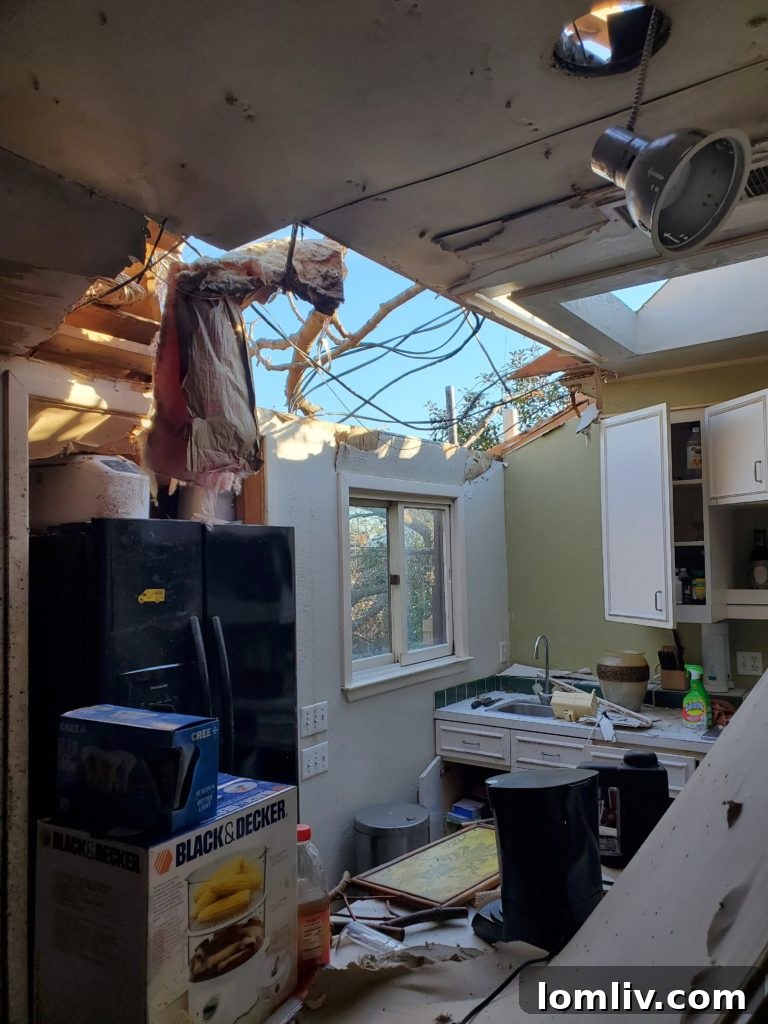
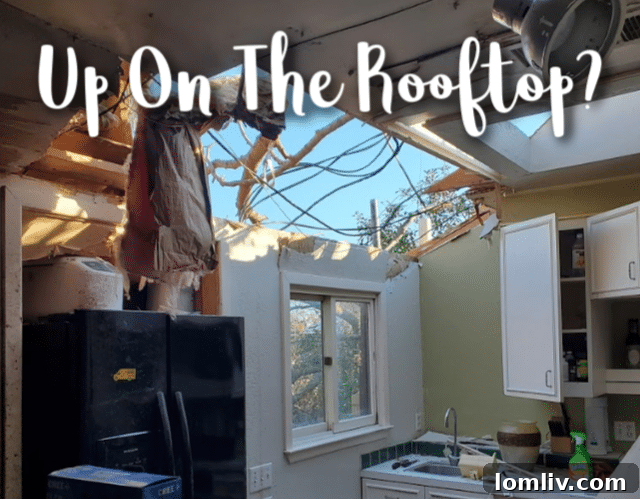
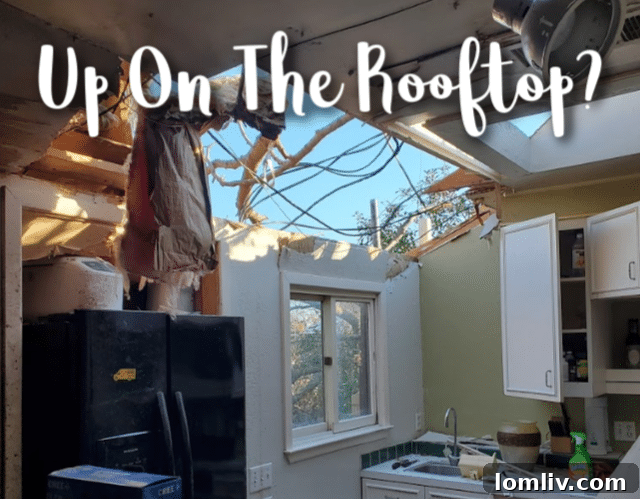
Natural disasters, particularly severe weather events like tornadoes, leave a devastating trail of destruction in their wake. For homeowners in affected regions, the recovery process is often long and arduous, with roof damage frequently topping the list of urgent repairs. The image above serves as a stark reminder of the extensive damage that can be inflicted by such powerful forces. In scenarios like these, the importance of a thorough post-disaster home inspection cannot be overstated.
Following a tornado or similar catastrophic event, a comprehensive inspection helps homeowners accurately assess the full extent of the damage, which is crucial for insurance claims and planning effective repairs. Beyond visible destruction, an inspector can identify hidden structural compromises, water infiltration points, and potential hazards that might not be immediately apparent to an untrained eye. Unaddressed damage can lead to a cascade of problems, from persistent leaks and mold growth to diminished structural integrity, jeopardizing the safety and habitability of the home. Our inspectors work diligently to provide detailed reports, ensuring that homeowners have the necessary documentation and understanding to navigate the complex process of recovery and restoration. It’s not just about fixing what’s broken; it’s about rebuilding resilience and ensuring the long-term safety of the home.
Beyond the Chimney: Understanding Fireplace Safety and Modern Options
When thinking of a cozy home, a fireplace often comes to mind. However, the world of fireplaces has evolved significantly, presenting both new conveniences and unique inspection considerations. A thorough chimney and fireplace inspection is paramount for home safety, regardless of the type of system installed.
Traditional vs. Ventless: A Look at Gas Fireplaces
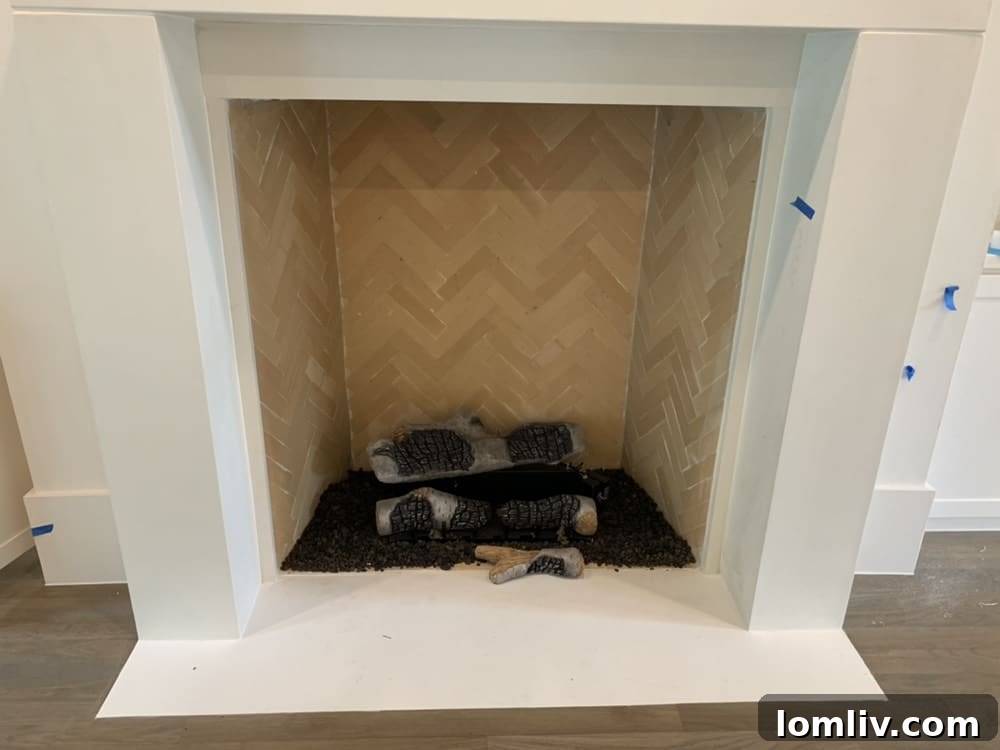
Gas fireplaces are a popular feature in modern homes, offering the warmth and ambiance of a traditional fireplace without the mess of wood. The installation shown here appears to be a standard gas fireplace in a new construction home. Typically, such fireplaces rely on a flue or chimney system to safely vent combustion byproducts – including carbon monoxide – outside the home. During an inspection, we meticulously check the venting system, gas lines, ignition, and overall condition of the fireplace and chimney to ensure they meet safety standards and are operating correctly. Proper drafting and an intact flue liner are critical to prevent the accumulation of hazardous gases indoors.
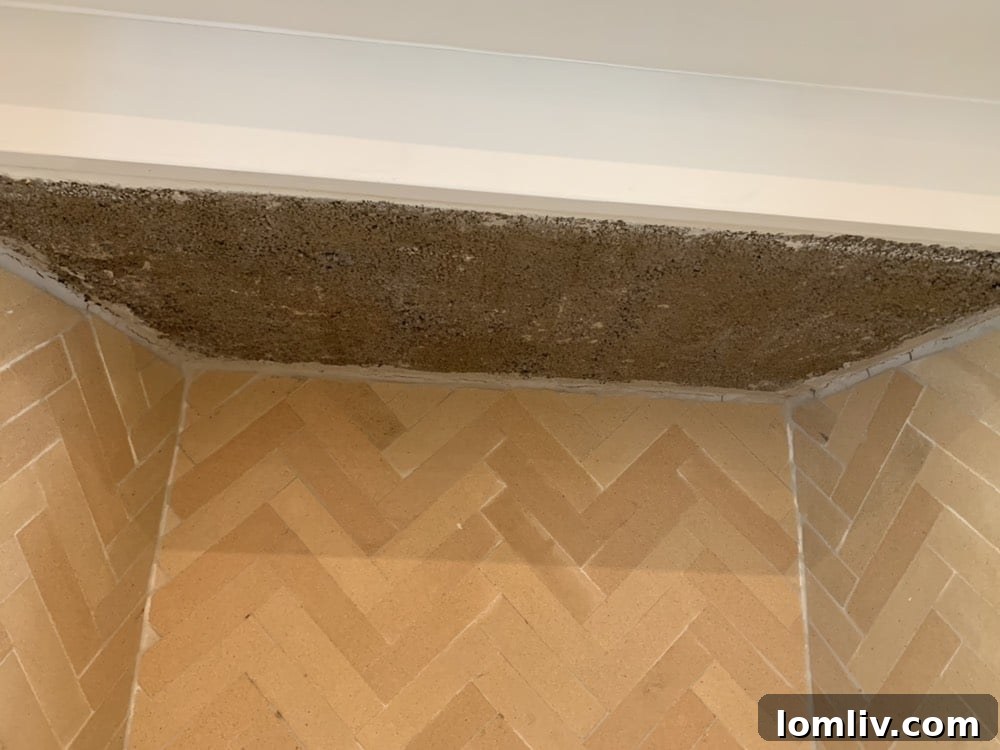
However, modern innovations have introduced another category: ventless gas fireplaces. As seen in the second image, these units are designed to operate without a traditional flue or chimney, often making them an appealing option for ease of installation and flexible placement within a home. While they offer energy efficiency by releasing all their heat directly into the living space, they come with a different set of safety considerations. Ventless fireplaces are engineered to burn gas cleanly, producing minimal byproducts. Nonetheless, they still consume oxygen from the room and emit small amounts of moisture, carbon dioxide, and very low levels of carbon monoxide. For this reason, proper ventilation of the room and adherence to manufacturer guidelines for room size are critical. Home inspectors pay close attention to the presence of carbon monoxide detectors, proper clearances from combustibles, and the overall operational safety of these units, emphasizing that while convenient, ventless systems require homeowners to be particularly vigilant about indoor air quality. Understanding these nuances is crucial for both comfort and safety in any home.
Roofing Excellence: The Durability and Investment of Premium Materials
While many homes opt for standard roofing materials, some homeowners choose to invest in premium options that offer superior durability, aesthetics, and longevity. One such material stands out for its exceptional qualities: natural slate.
The Enduring Appeal of Slate Roofs vs. Asphalt Shingles
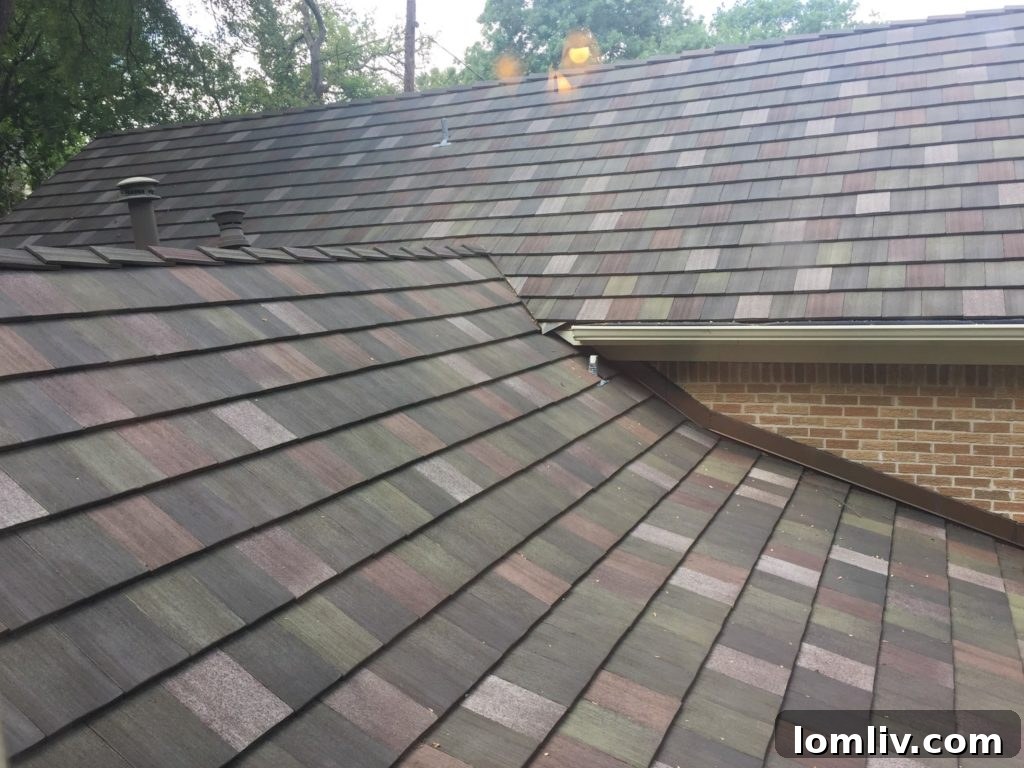
The image above showcases a magnificent slate roof, a testament to timeless elegance and unparalleled resilience. Slate roofs are renowned for their incredible lifespan, often lasting 125 years or even longer, far surpassing the typical 20-30 year lifespan of conventional asphalt shingles. This exceptional durability makes slate a significant, long-term investment, justifying its higher initial cost. While asphalt shingles typically range from $200 to $400 per square foot for installation, a high-quality slate roof can cost upwards of $1500 per square foot, reflecting the specialized material, complex installation process, and the craftsmanship required.
Beyond longevity, slate offers numerous benefits including superior fire resistance, excellent weather protection against hail and high winds, and a distinctive aesthetic that enhances curb appeal and property value. However, the decision to install a slate roof comes with important structural considerations. Slate tiles are significantly heavier than asphalt shingles, weighing approximately 8 to 15 pounds per square foot compared to asphalt’s 2 to 4 pounds. Consequently, homes intended for a slate roof often need to be specifically designed with a reinforced roof structure to adequately support this substantial weight. Retrofitting a slate roof onto an existing home not originally designed for such heavy loads can require costly structural modifications. Home inspectors evaluate the condition of existing roofs, offering crucial insights into whether a property’s current structure could support such an upgrade, or highlighting the immense value and longevity of an existing slate installation. Understanding these differences is key to making informed decisions about one of the most critical components of any home.
Conclusion: The Indispensable Value of Professional Home Inspections
From the foundational integrity of the roof to the intricate details of a fireplace system, every element of a home contributes to its overall safety, functionality, and value. The varied scenarios we’ve explored—from the dangers of temporary roof repairs and the widespread damage from natural disasters to the nuanced safety requirements of different fireplace types and the enduring investment of premium roofing materials—underscore a singular truth: the indispensable value of a professional home inspection.
Green Scene Home Inspections is dedicated to providing thorough, detailed, and insightful assessments that empower homeowners and prospective buyers with the knowledge they need. Our experts meticulously examine every component, identifying potential hazards, assessing the condition of vital systems, and offering expert recommendations. Investing in a comprehensive inspection is not just a formality; it’s a proactive step towards protecting your property, ensuring the safety of its occupants, and making informed decisions about one of your most significant assets. Trust the experts to look closer, so you can live with greater peace of mind.