The pursuit of homeownership or the desire to expand existing living spaces has become an increasingly daunting challenge in today’s dynamic real estate market. Prospective buyers and current homeowners alike are grappling with soaring property values, escalating interest rates, and a scarcity of available inventory, making traditional housing solutions often unattainable. However, a groundbreaking alternative is now emerging, offering a fresh perspective on accessible and affordable housing: prefabricated modular homes. Eric Robb, the astute President of Turn Key Fabrication, believes this innovative approach is not merely a fleeting trend but a transformative solution poised to redefine the housing landscape for countless individuals and families.
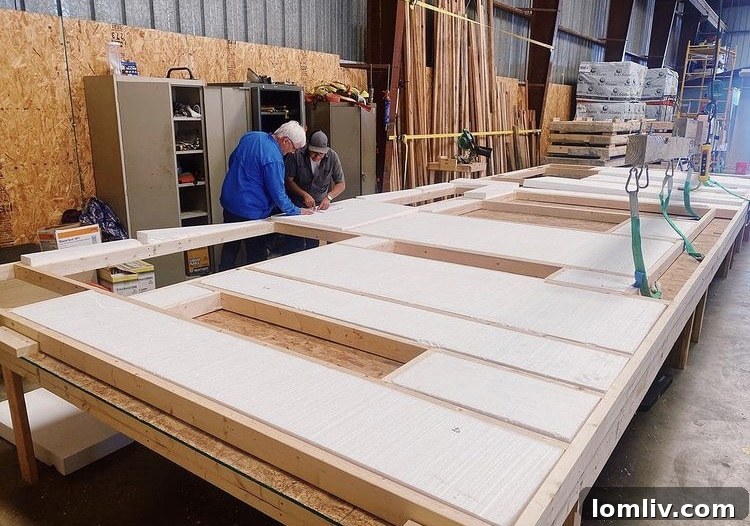
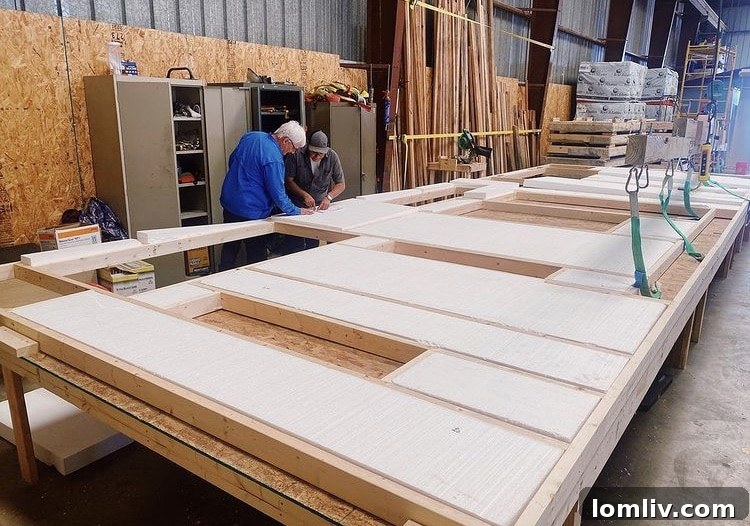
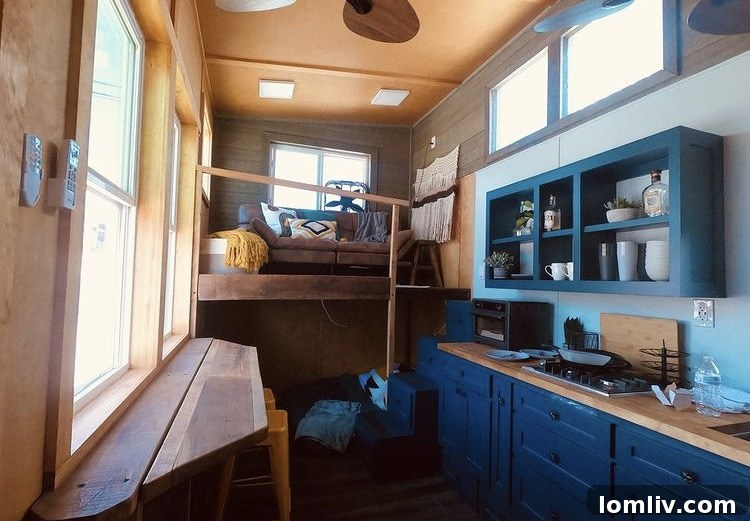
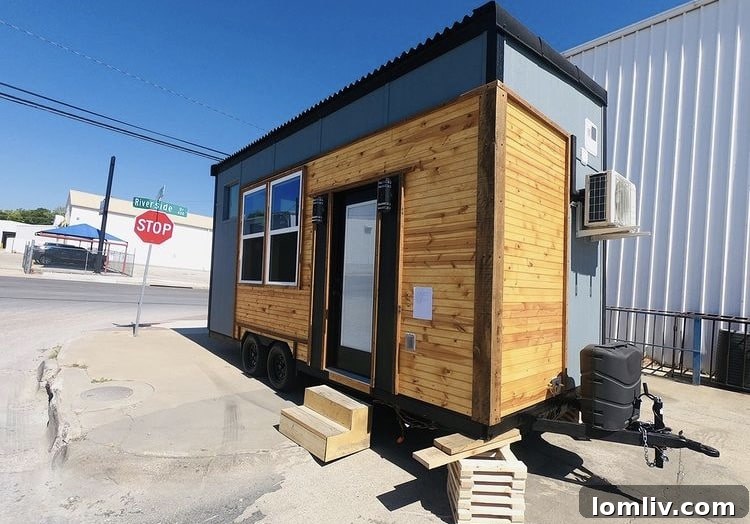
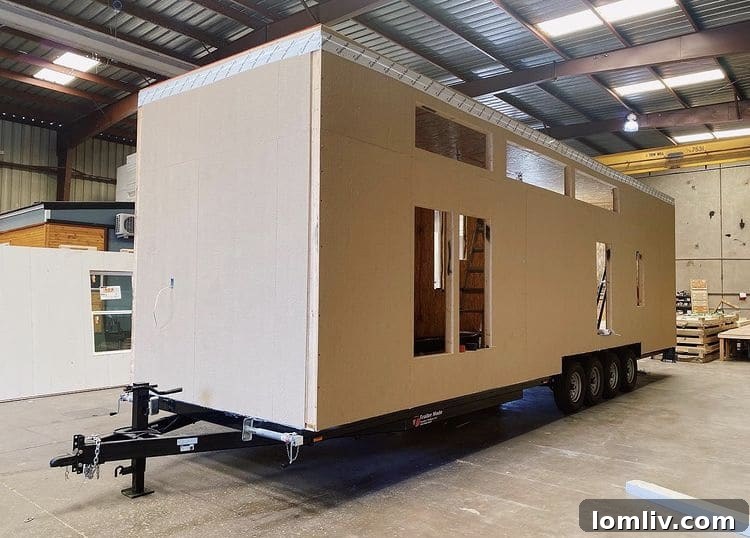
At the heart of this housing revolution is Turn Key Fabrication, an enterprise led by Robb, which specializes in the production of meticulously crafted, compact homes. Each unit measures 400 square feet and is expertly constructed within their advanced manufacturing facility in Fort Worth. These precision-engineered structures are then efficiently transported and delivered directly to their owners, drastically simplifying and accelerating the conventional home-building process. This ‘factory-to-site’ model embodies a paradigm shift, providing a rapid, high-quality, and cost-effective pathway to homeownership or property enhancement.
While the integration of these modular homes onto a property still requires navigating local permitting regulations and, in some cases, addressing intricate zoning restrictions, the entire undertaking is significantly more streamlined and substantially less expensive than commissioning a custom-built home or embarking on a large-scale traditional addition. This combination of an accelerated construction timeline and reduced financial burden is a powerful draw for those seeking practical, high-value housing solutions in a challenging market.
“We identified a substantial, underserved demand for this type of housing innovation,” reflected Robb, who launched Turn Key Fabrication earlier this year. “The prevailing narrative in the custom home sector was one of year-long delays, leading to incredibly prolonged sales cycles. We deliberately entered the market with a commitment to efficiency, and critically, those anticipated delays have not materialized for us. Our ability to bypass the common bottlenecks of on-site construction allows us to deliver quickly, directly addressing a critical pain point that traditional building methods often struggle to overcome.” This agility not only ensures faster occupancy for clients but also positions Turn Key Fabrication as a responsive leader in the evolving housing industry.
The inherent versatility of these prefabricated structures extends well beyond their use as primary residences. Many homeowners are leveraging their potential as invaluable accessory dwelling units (ADUs), effectively transforming underutilized backyard spaces into highly functional extensions of their main homes. Imagine the convenience of a serene, dedicated backyard office for remote work, a personalized gym tailored to wellness routines, a creative studio, or even a sophisticated entertainment space. These cost-effective additions circumvent the extensive disruption, mess, and long timelines typically associated with traditional home renovations or extensions, offering a cleaner, quicker, and significantly more budget-friendly alternative that enhances property value and lifestyle.
Turn Key Fabrication’s innovative modular homes appeal to a remarkably diverse range of individuals, each drawn by distinct and compelling advantages. “We’re observing a rising demographic of younger professionals, particularly within the booming technology sector, who prioritize flexibility, minimalism, and freedom from excessive property maintenance,” Robb noted. “Their modern lifestyles often mean that their essential belongings can comfortably fit into a few small suitcases. These individuals are less inclined towards the traditional burdens of suburban homeownership, instead opting for smart, efficient living spaces that perfectly align with their dynamic careers and desire for less clutter.”
Beyond this tech-forward demographic, these low-maintenance structures resonate deeply with retirees looking to downsize without compromising on quality or comfort. They also provide an accessible entry point into homeownership for single individuals and offer practical, robust housing solutions for temporary workers in industries such as oil and gas. The attractive price point, typically around $100,000, makes these cost-effective homes an exceptionally compelling option in a market where conventional housing prices continue their upward trajectory. Furthermore, their inherent durability and the speed with which they can be deployed make them invaluable for providing temporary housing in the aftermath of natural disasters like severe storms or wildfires, offering critical shelter when communities need it most.
Addressing the Housing Shortage Through Innovative Construction
The contemporary housing market is navigating significant headwinds, primarily influenced by shifting economic conditions. A detailed report from the esteemed Texas Real Estate Research Center (TRERC), published in August, underscored the impact of elevated interest rates, which “shocked demand and subdued sales” across the broader manufactured homes sector. This market contraction had tangible effects, leading many manufacturers to scale back daily operations, reduce payrolls, and shorten work weeks.
However, within these challenges, optimistic signals are emerging, pointing towards potential stabilization and recovery. The same TRERC report highlighted a positive trend concerning input prices. “Input prices are steadily declining as global supply chains continue their remarkable recovery and improve in efficiency,” observed Harold Hunt, a Research Economist at TRERC. “We’ve witnessed a dramatic reduction in lumber prices, now a third of what they were merely six months ago, and shipping costs are also consistently decreasing. While a consensus among economists suggests that inflation has peaked, achieving the Federal Reserve’s long-term 2 percent target will undoubtedly require continued vigilance and sustained effort.” These reductions in raw material and logistical expenditures are pivotal, as they directly contribute to enhancing the overall affordability and profitability of advanced housing solutions like those pioneered by Turn Key Fabrication, making them even more accessible to a wider market.
Despite the broader market deceleration, the forecast for manufactured housing remains notably resilient. The TRERC report further predicts that the prices for finished homes are expected to decrease more significantly than input costs over the next six months, potentially translating into enhanced affordability for consumers. Rob Ripperda, Vice President of Operations for the Texas Manufactured Housing Association, echoed this sentiment, stating: “While August saw a general downshift in activity, a substantial number of manufacturers are planning to maintain their current production rates well into the next year. Retailers may have adjusted their order volumes downwards, but they continue to achieve historically strong sales figures, even if the year-over-year growth isn’t as dramatic as before.” This consistent production, coupled with the potential for lower end-user prices, strategically positions modular homes as an increasingly viable and attractive solution to address the persistent challenges of housing affordability and accessibility.
At Turn Key Fabrication, an unwavering commitment to quality and continuous innovation remains paramount, even amidst the fluctuations of material costs. Robb acknowledges that his dedicated team of nine employees has experienced the pressures of higher construction material prices. Nevertheless, this has only reinforced their resolve to deliver products of unmatched quality and durability. Their high-performance homes are meticulously constructed using cutting-edge, structurally-insulated panels (SIPs). These advanced panels not only provide exceptional thermal efficiency, significantly reducing energy consumption, but are also engineered for robust structural integrity and superior resistance to extreme weather, including hurricane-force winds.
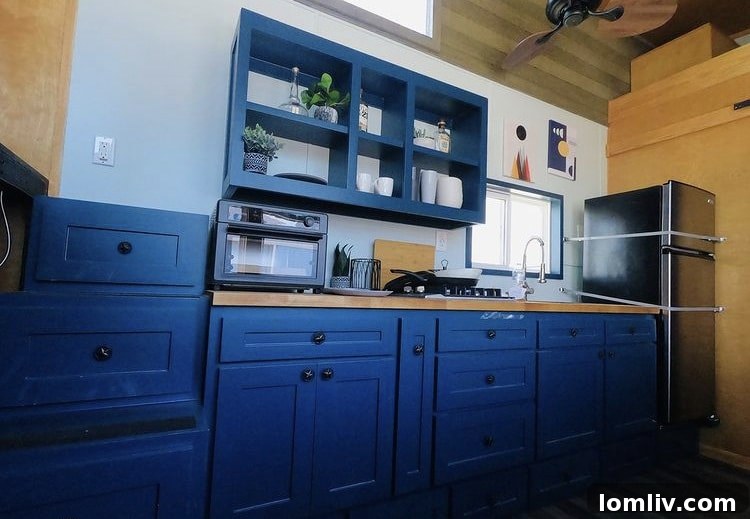
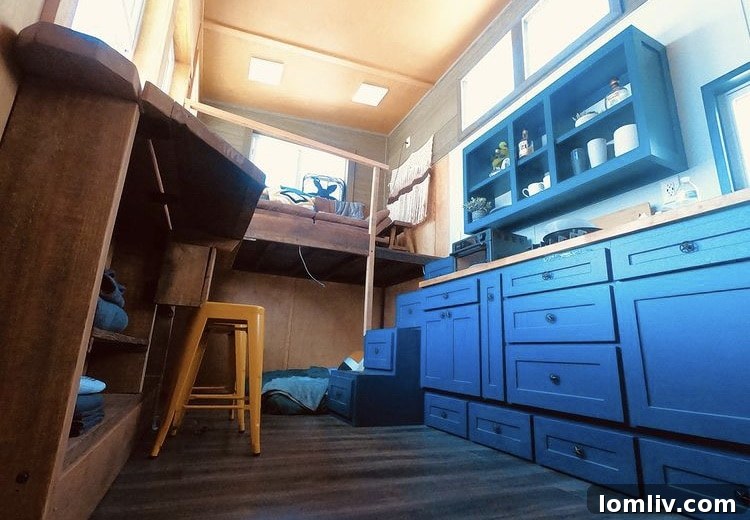
The interior comfort of every Turn Key home is thoughtfully enhanced through intelligent design. A highly efficient split-system air conditioning unit operates in perfect synergy with a distinctive vaulted roof design to maintain optimal cooling during the intense summer months. Crucially, unlike traditional homes that often suffer from heat-trapping attics, these modular units feature an open, vaulted ceiling. This design effectively prevents heat accumulation, ensuring the interior remains refreshingly cool and significantly reducing the need for excessive air conditioning. This meticulous attention to thermal management and energy efficiency translates directly into substantial utility savings for homeowners, offering both comfort and long-term financial benefits.
“Our off-site construction process is unequivocally more efficient and consistently yields a product of far superior quality,” Robb emphatically states. “These are not merely hollow structures; they are solid, robust, and engineered buildings. They are meticulously assembled using industrial-strength adhesives, high-grade screws, and advanced compression techniques – a significant departure from the less durable methods of typical nails and siding. This sophisticated manufacturing process ensures each unit is inherently waterproof, exceptionally resilient, and guaranteed to arrive at its destination entirely undamaged after transit. We have genuinely developed a superior and innovative process that sets a new industry benchmark for modular construction quality, longevity, and performance.” This dedication to a “superior process” ensures that every Turn Key home is built to withstand the test of time and the elements, providing enduring value.
Navigating Urban Planning: Modular Homes and the Dallas Landscape
Turn Key Fabrication has achieved considerable success, with approximately a dozen of its innovative modular homes successfully deployed for homeowners primarily within the Fort Worth area. This demonstrates the tangible demand and practical viability of their product. However, as Eric Robb strategically eyes expansion into larger, more complex metropolitan areas such as Dallas, he is acutely aware of the unique and often intricate challenges posed by urban planning and municipal regulations. Venturing into “Big D” often entails navigating “big problems,” predominantly revolving around the complexities of zoning ordinances and land use policies, which can significantly impact the placement of innovative housing solutions.
While the city of Dallas does have specific zoning districts designated for modular homes, the situation becomes considerably more nuanced and challenging when the intention is to install one of these units in the backyard of an existing single-family residential property. The popular desire to add an accessory dwelling unit (ADU) in such contexts frequently encounters regulatory friction and administrative hurdles, requiring careful navigation of the city’s extensive urban planning framework.
In Dallas, although ADUs are technically permissible under certain conditions, they are rarely granted “by right” in most residential zoning districts. This crucial distinction means that a straightforward permit application is typically insufficient; instead, a more involved process requiring specific city approval is often mandated. Property owners or developers may find themselves needing to petition for an overlay district – a specialized zoning designation that modifies existing regulations for a defined geographic area – or an individual homeowner might be required to present their case before the Board of Adjustment. These pathways, while navigable, can be protracted, resource-intensive, and demand significant engagement with local authorities and potentially neighborhood associations, underscoring the complexities of urban planning challenges.
“In certain scenarios, you genuinely need to brace for a substantial advocacy effort with the city,” Robb candidly acknowledged. “Larger municipalities, with their established bureaucracies and intricate urban planning histories, tend to present more significant obstacles compared to smaller towns. Our strategic approach involves initiating the construction of the modular unit in parallel with the ongoing permitting and zoning discussions. This allows us to complete essential site work – including the installation of plumbing and electrical infrastructure – while the necessary regulatory approvals are being meticulously secured. Once all permissions are in place, the finished, high-quality modular unit can be swiftly delivered and installed on site, thereby minimizing overall project delays and maximizing efficiency.” This parallel processing strategy underscores Turn Key Fabrication’s commitment to delivering timely solutions, even when faced with administrative complexities inherent in dense urban environments.
While the process of adding a traditional room to an existing home can also be a lengthy and complicated undertaking, replete with multiple inspections and sequential approvals, the modular unit approach offers distinct and compelling advantages. Robb reiterated that having a high-quality, factory-built modular home delivered directly to a backyard is ultimately a more cost-effective and significantly quicker solution compared to conventional on-site construction. The controlled environment of the factory mitigates weather-related delays, ensures consistent quality, and facilitates simultaneous site preparation, collectively reducing both the overall project timeline and budget, offering a truly streamlined construction process.
“A core principle we are committed to highlighting is that these are truly high-performing buildings, explicitly designed with the future in mind,” Robb emphasized, reiterating the long-term value and sustainability proposition. “Today’s homeowners are facing unprecedented financial burdens: exorbitantly high utility bills, relentlessly escalating insurance premiums, rising mortgage rates, and increasing property taxes. In this challenging economic climate, we’ve observed a noticeable surge in the popularity of mobile homes and recreational vehicles (RVs), which clearly indicates a broad public demand for more affordable and flexible housing options as people continue to navigate significant economic pressures and seek viable alternatives.”
He further elaborated, “Very few builders are currently constructing houses with this exceptional level of insulation and advanced energy efficiency, save perhaps for those operating exclusively in the ultra-luxury segment. Our fundamental mission is to democratize that superior standard of efficiency, making it accessible within simpler, smaller-scale smart housing solutions. People are feeling the financial strain acutely, and they are becoming increasingly discerning and intelligent about seeking out smarter, more sustainable, and cost-effective alternatives. Investing in a Turn Key modular home can realistically save homeowners more than $300 per month on utilities alone, representing substantial long-term savings and a compelling return on investment.” This steadfast focus on sustainability, energy efficiency, and financial relief firmly positions Turn Key Fabrication as a leader in innovative, cost-effective housing solutions for the modern era.
Turn Key Fabrication is not solely focused on direct consumer sales; they are also strategically broadening their market influence by offering their advanced prefabricated modules to other prominent builders within the rapidly expanding tiny home movement. A prime example of this successful collaboration is their partnership with Indigo River Tiny Homes. “They quickly adopted our product into their operations and, as a direct result, have successfully doubled their production output,” Robb proudly revealed. “We initially developed a series of prototypes, meticulously showcasing them at various industry events and trade exhibitions. Now, we are consistently receiving repeat orders, which is a powerful testament not only to the exceptional quality and ease of integration of our product but also to its ability to empower other builders to scale their operations efficiently and effectively meet the surging demand in the alternative housing market.”
This remarkable success naturally prompts a crucial question: what truly underpins the undeniable appeal of this burgeoning niche market, and is this innovative housing trend poised for sustained, long-term growth? Eric Robb offers a compelling and insightful perspective, asserting that modular homes are far from a novel concept; rather, they represent a natural evolution in construction methodologies and a pragmatic response to contemporary needs. He firmly believes that as long as the quest for affordable, high-quality housing remains a formidable and enduring challenge for a significant portion of the population, individuals and families will continue to actively seek out and enthusiastically embrace these innovative and sustainable alternatives. The demand for flexible, cost-efficient, and environmentally conscious living solutions is not merely a temporary phenomenon but a fundamental and growing response to evolving economic realities and lifestyle preferences.
Reflecting on an early childhood inspiration, Robb shared, “I was absolutely fascinated by Legos when I was a kid. That early obsession ignited a pivotal question in my mind: ‘Why can’t we build a house with the same intuitive, modular efficiency and precision as Legos?’ The profound beauty of opting for a smaller footprint is that it paradoxically allows for the seamless integration of exceptionally high-end materials and superior craftsmanship without incurring astronomical costs. While it’s relatively easy to find a sprawling, luxurious mansion, our unwavering commitment at Turn Key Fabrication is to meticulously design and construct a compact, sophisticated, and genuinely exquisite home. We deliver premium quality, intelligent design, and sustainable living in a thoughtfully scaled package, unequivocally proving that less space doesn’t equate to less luxury or diminished comfort, but rather paves the way for more intentional, efficient, and ultimately, more sustainable living for all.” This philosophy perfectly encapsulates the enduring appeal and vast future potential of modular, high-performance homes in an ever-changing and increasingly conscious world.