Pets Take Center Stage: How Our Furry Friends Are Reshaping the Real Estate Market
The global pandemic undeniably shifted countless aspects of our daily lives, from how we work to how we socialize. While bars and social gatherings became distant memories for a time, many individuals found solace, companionship, and a new sense of purpose in the unconditional love of a pet. Animal shelters saw unprecedented adoption rates, transforming lives both human and animal. More than just a temporary trend, this surge in pet ownership has profoundly impacted the housing market, turning our beloved “chonks” and “good bois” into unexpected, yet crucial, decision-makers in the home-buying process.
Recent data from Zillow confirms what real estate professionals have increasingly observed: the post-COVID era has cemented pets as integral family members whose needs are now significantly influencing critical purchase decisions. Homebuyers are no longer just looking for a house; they’re searching for a home that caters to every member of their family, including the four-legged ones.
The Post-Pandemic Pet Boom and Its Impact on Homebuying Trends
According to the 2021 Consumer Housing Trends Report, a remarkable nearly three-quarters of homebuyers reported owning at least one pet in 2021. This represents a substantial nine percentage point increase compared to 2020, highlighting the rapid growth in pet-owning households. This demographic shift is not just about numbers; it’s about priorities. Homebuyers with pets are actively seeking out properties that offer more space, both indoors and out, to accommodate their companions.
Specifically, these pet-centric buyers are gravitating towards larger homes with additional bedrooms and, most crucially, private outdoor spaces. The desire for pet-friendly features has become a top priority, often dictating property selection and even influencing a home’s market value. Properties equipped with desirable pet amenities can sell faster and command higher prices, making them a wise investment for sellers looking to appeal to this growing segment of the market.
Real-World Examples: Pets Driving Purchase Decisions
The influence of pets on home selection is clearly evident in anecdotes from real estate professionals across the country. Ebby Halliday Realtor Mina Shamsa Burns recently facilitated a sale in Forest Hills, where a pet-friendly environment was a key selling point for her clients.
“One of the more appealing aspects for my client was the fact that the home sat on a large lot that their two dogs could run and play on,” Burns explained. “It didn’t hurt that the home is also walking distance to the lake and less than 10 minutes from White Rock dog park.” This example perfectly illustrates how features beyond the four walls – like expansive yards and proximity to recreational pet spaces – are becoming non-negotiable for many buyers.
The Demographics of Pet-Owning Homebuyers
Zillow’s research further illuminates the profile of these pet-owning homebuyers. They are significantly more likely to prioritize homes with private outdoor space (73 percent) compared to their counterparts without pets (65 percent). While the pandemic spurred a general desire for more space among all buyers, pet owners are distinctly leaning towards larger, more suburban properties. Interestingly, this group tends to skew slightly younger than typical non-pet-owning buyers, with an average age of 41 years old versus 47. This demographic also shows a higher likelihood of having children, which naturally amplifies the need for more bedrooms and a family-friendly environment that includes their animal companions.
Manny Garcia, a population scientist at Zillow, aptly summarizes this trend: “Pets are widely considered part of the American family, so it follows that they can factor into moving decisions. This research shows an increase in pet ownership among recent movers and suggests that pets can impact housing preferences. In some cases, they may even be the catalyst for a move, along with other factors, such as remote work and shifting family priorities.” This highlights a fundamental shift where pets are no longer an afterthought but a central consideration in one of life’s biggest decisions.
Highly Sought-After Pet-Friendly Home Features
As pets integrate deeper into our families, the demand for specialized home features designed for their comfort and convenience has soared. Real estate listings increasingly highlight amenities that cater to furry residents, recognizing their appeal to potential buyers. Here are some of the most popular and impactful pet-friendly features:
1. Dedicated Outdoor Spaces
- Fenced Yards: A secure, fully fenced yard is often at the top of a pet owner’s wish list. It provides a safe environment for dogs to play, exercise, and relieve themselves without constant supervision, offering peace of mind to owners.
- Turfed Side Yards: For urban or smaller properties, a specifically turfed side yard for dogs offers a low-maintenance, clean space for pets. Artificial turf can withstand heavy use, is easy to clean, and prevents muddy paws from tracking dirt indoors, making it an excellent alternative to natural grass in certain climates or settings.
- Proximity to Green Spaces: Beyond private yards, easy access to dog parks, walking trails, and pet-friendly public parks is a huge draw. Buyers frequently check the walkability score for pets, assessing how close their potential new home is to areas where their dogs can socialize and explore.
2. Indoor Pet Amenities
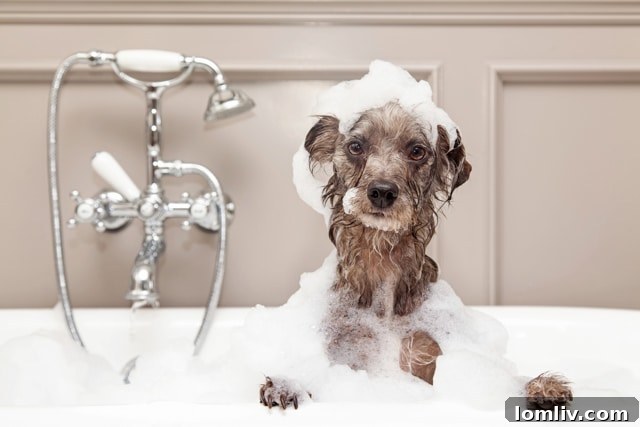
- Dog Washing Stations: Perhaps one of the most coveted luxury features, a dedicated dog washing station can be a game-changer for pet owners. These usually consist of a raised tub or shower in a mudroom, laundry room, or even a garage, complete with a handheld spray nozzle. They prevent muddy paws from dirtying the main bathrooms and make bathing larger or multiple dogs significantly easier and less messy. It’s a prime example of thoughtful design catering directly to pet owners’ needs.
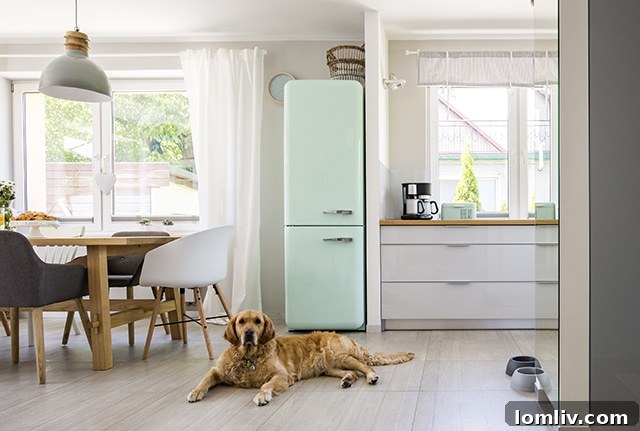
- Built-in Food Storage and Feeding Areas: Integrated solutions for pet food storage keep bags of kibble out of sight and pests away. Pull-out drawers for food and water bowls, or designated feeding nooks, prevent tripping hazards and maintain a cleaner aesthetic in the kitchen or dining area.
- Dog Doors: Allowing pets independent access to the yard through a secure dog door adds immense convenience, especially for owners with busy schedules. Modern dog doors come with various security features, from smart sensors to locking mechanisms.
- Dedicated Pet Nooks or Beds: Custom-built alcoves under staircases, in cabinetry, or as part of living room furniture provide a cozy, designated space for pets to sleep or relax, ensuring they have their own secure territory within the home.
3. Durable and Pet-Friendly Interior Design Choices
- Flooring: Pet owners prioritize durable, scratch-resistant, and easy-to-clean flooring. Luxury vinyl plank (LVP), tile, sealed concrete, and certain types of laminate are often preferred over carpeting, which can trap pet hair, odors, and stains.
- Fabric Choices: When it comes to furniture, stain-resistant, durable, and easy-to-clean fabrics like microfibers or outdoor-grade materials are highly valued.
- Smart Home Technology: Features like smart thermostats can help maintain comfortable temperatures for pets left alone, while pet cameras offer peace of mind, allowing owners to check in on their companions remotely. Automated feeders and water dispensers also fall into this category, streamlining pet care.
The Seller’s Advantage: Maximizing Your Home’s Pet Appeal
For sellers, understanding the pet factor is no longer optional; it’s essential. Highlighting pet-friendly attributes can significantly enhance a home’s marketability and attract a wider pool of eager buyers. Here’s how to make your home shine for pet owners:
- Showcase Outdoor Space: Emphasize the size and safety of your yard. If it’s fenced, make sure to highlight this prominently. Present a well-maintained lawn or turfed area, perhaps even staging it with a colorful pet toy or a stylish pet bed.
- Highlight Dedicated Pet Zones: If you have a dog washing station, feeding nook, or built-in pet bed, make sure these features are clean, well-lit, and photographed effectively. These unique selling points can leave a lasting impression.
- Address Odors and Cleanliness: Before showings, ensure your home is free of pet odors. A deep clean of carpets and upholstery, along with air fresheners, is crucial. While potential buyers might be pet owners themselves, they still appreciate a fresh, clean environment.
- Provide a Pet-Free Impression: During showings, it’s often best for pets to be absent. This not only prevents potential distractions or allergies but also allows buyers to envision their own pets in the space without current occupants.
- Mention Local Amenities: Work with your real estate agent to list nearby dog parks, vet clinics, pet supply stores, and walking trails in your property’s description. This adds significant value by painting a complete picture of the lifestyle the home offers.
For more insights on effectively staging a home with pets, you might find this related article helpful: How Do You Stage a Home With Pets? Very Carefully, Says Professional Dog Trainer Will Nadeau.
The Future of Pet-Centric Real Estate
The trend of pet-influenced home buying is not a fleeting one; it’s a fundamental shift in how we view our homes and our families. As remote work becomes more common and pets continue to be integral to our daily lives, expect to see even more innovation in pet-friendly home design and community planning. Developers may increasingly incorporate shared dog parks, pet grooming facilities, or even pet daycare services into new housing developments. Smart home technology specifically designed for pets, such as automated treat dispensers controlled by apps or GPS trackers integrated with home security systems, will likely become more mainstream.
Ultimately, the bond between humans and their animal companions has never been stronger, and the real estate market is adapting to reflect this deep connection. For homebuyers, finding a space that welcomes and caters to their pets is paramount. For sellers and real estate professionals, recognizing and proactively addressing these pet-specific needs will be key to success in the evolving housing landscape.