Tonight, architecture enthusiasts and history buffs are invited to delve into the profound and lasting impact of one of America’s most celebrated architects, Frank Lloyd Wright, on the distinctive architectural landscape of North Texas. At 7 p.m., the UTA Fort Worth Center will host a captivating and free public lecture by acclaimed historian Quentin McGown, who will illuminate the intricate connections between Wright’s pioneering philosophy and the buildings that define Fort Worth and its surrounding areas.
McGown, a respected author known for his comprehensive works on the built history of Fort Worth, will guide attendees through an exploration of the unique “Wrightian” hallmarks that are surprisingly prevalent across the region. His presentation promises to uncover how Wright’s revolutionary ideas not only shaped the architectural styles of his contemporaries but continue to inspire and influence modern design principles today. This insightful evening is a must-attend for anyone interested in understanding the hidden narratives within our local architecture.
This compelling presentation is proudly organized by AIA Fort Worth as a key installment in their distinguished “Design Talk” series. The series aims to foster a deeper appreciation for architecture, design, and urban planning within the community, bringing together experts and engaged citizens to discuss critical topics that shape our environment.
Ahead of his much-anticipated talk, we had the unique opportunity to pose a few quick questions to Quentin McGown, a proud sixth-generation Texan, regarding his extensive research into this fascinating subject. His responses offer a tantalizing glimpse into the architectural treasures and historical insights he will share.
daltxrealestate.com: When we think of Frank Lloyd Wright, iconic structures like Fallingwater or Taliesin often come to mind. Could you tell us which specific landmarks or well-known homes in Fort Worth bear significant influences from his groundbreaking work?
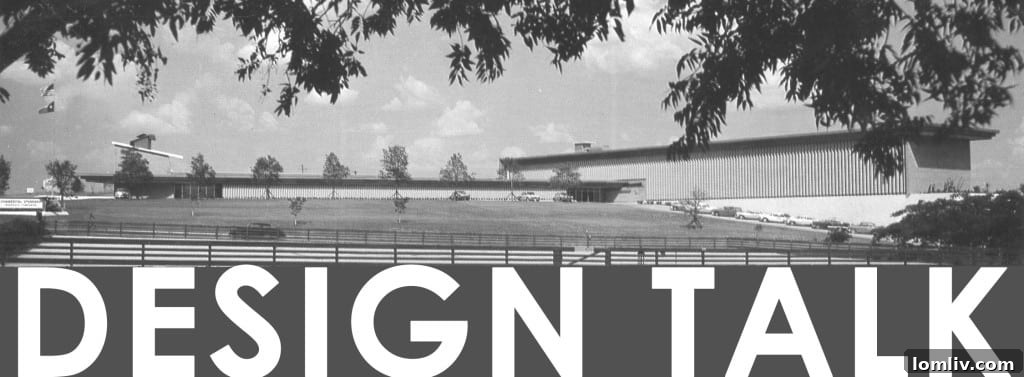
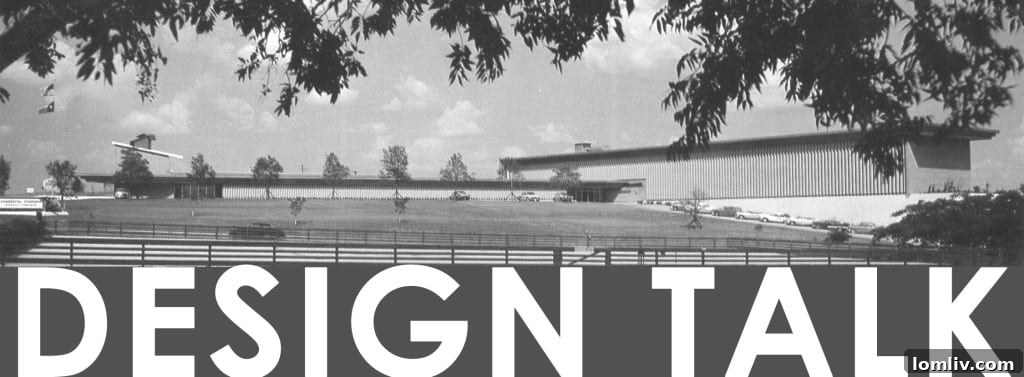
Quentin McGown: It’s a common misconception that Wright himself built extensively in North Texas, but his influence was undeniable, primarily through his apprentices and his published works. We are fortunate to have several significant architectural works designed by architects who spent time under Wright’s tutelage, absorbing his radical design principles. Perhaps the most prominent example embodying a true “Wrightian” design ethos is Karl Kamrath’s Commercial Standard Building on Camp Bowie Boulevard. Kamrath, a prominent Houston architect, was deeply influenced by Wright’s organic architecture and integrated these principles into his commercial projects, resulting in a building that reflects a sense of natural integration and material honesty. Beyond direct apprentices, Wright’s family also played a role. John Lloyd Wright, Frank Lloyd Wright’s son, designed a private residence in Ridglea that unmistakably echoes his father’s distinctive style, characterized by low-slung profiles, deep eaves, and a harmonious connection to its site. Furthermore, John DeKoven Hill, another architect closely associated with Wright, completed a residence in Westover Hills after its owner had a firsthand experience visiting Taliesin West, Wright’s winter compound in Arizona. This direct exposure often led to clients commissioning architects who could translate Wright’s vision into their own homes. These structures stand as testaments to the pervasive reach of Wright’s ideas, even if not directly designed by the master himself, serving as important educational touchstones for understanding his legacy in our region.
CD: Considering these influences, what particular finishes, material choices, or specific architectural details are most commonly observed in Fort Worth architecture that can be traced back to Wright’s principles or the period he inspired?
QM: Mid-century modern architecture, which flourished in the wake of Wright’s innovations, was remarkably well-suited and adapted to the unique challenges and opportunities presented by the Texas climate. You’ll frequently encounter a distinct set of characteristics that speak directly to this adaptation and Wright’s foundational ideas. The prevalent use of natural and robust materials like native stone and poured concrete is a direct nod to Wright’s emphasis on organic architecture and local sourcing, providing both durability and thermal mass, crucial for temperature regulation. Deep, projecting eaves are another common hallmark, offering essential shade from the intense Texas sun, a practical and aesthetic solution that dramatically reduces heat gain. Clerestory windows, positioned high on walls, allow natural light to penetrate deep into interior spaces while minimizing glare and maintaining privacy, contributing to a sense of openness without sacrificing comfort. Furthermore, the incorporation of cool interior patios and thoughtfully designed gardens are defining features, blurring the lines between indoor and outdoor living – a core tenet of Wright’s Usonian homes. These elements created tranquil, shaded retreats that were vital for comfort in the warmer months. Fort Worth, much like Dallas, showcases an astonishing variety of “ranch style” homes, ranging from direct interpretations of California originals to uniquely Texan adaptations. Despite their stylistic nuances, all share fundamental principles championed by Wright with his Usonian architecture: low-slung profiles, typically single-story layouts, open-plan interiors that facilitate flow and connection, and an intimate relationship with the surrounding outdoor space. This emphasis on simplicity, functionality, and harmony with nature, to me, starkly contrasts with the current trend of overly ornate “mini-mansions,” which often lack the thoughtful integration and timeless elegance of the mid-century aesthetic. These simpler, more honest designs offered practicality and beauty that still resonate strongly today.
CD: It’s clear you have a deep appreciation for mid-century modern architecture, a style that’s experiencing a significant resurgence in popularity. Are there any particular undiscovered or hidden gems in Dallas or Fort Worth that you believe deserve more recognition or are particularly vulnerable?
QM: Indeed, the rising popularity of mid-century modern architecture is a double-edged sword. While it’s wonderful to see a growing appreciation, this interest often coincides with intense development pressure, unfortunately leading to the demolition of many significant structures. I can’t speak extensively to the Dallas market, but I know that in both cities, mid-century architecture finds itself at a critical crossroads, facing similar threats that late 19th and early 20th-century works once did when they were razed to make way for their “modern” successors. It often feels as though we are losing these important mid-century works almost as quickly as we can identify and document them. However, there’s a hopeful trend: a burgeoning demographic that actively seeks out and cherishes homes from this period, valuing their unique aesthetic and practical design. I sincerely hope this trend continues to gain momentum and translates into more robust preservation efforts.
A shining example of such a gem, which recently came onto the market, is a house in Ridglea designed by architect J. B. Johnson. Johnson worked under the renowned Harwell Hamilton Harris, an architect deeply influenced by Wright, and later forged a distinguished career in Mexico. The current owners of this Ridglea home undertook a truly loving and meticulous restoration, going so far as to preserve the original kitchen appliances – a remarkable dedication to historical integrity. This house is a testament to the period’s craftsmanship and needs to find its next stewards in a family who truly appreciates its unique aesthetic and historical value. Beyond individual homes, Fort Worth boasts several neighborhoods rich with mid-century treasures. Ridglea, Ridgmar, Sunset Heights, and White Lake Hills are all prime examples where one can find an abundance of well-preserved and distinctive homes. A particularly remarkable mid-century development is Carver Heights, located on the city’s east side. Historically marketed to African-American homeowners, this neighborhood stands out not just for its architectural merit but also for its pioneering role in preservation. Carver Heights was the first neighborhood in Fort Worth to officially recognize the intrinsic value of its mid-century history as a powerful tool for community identity and proactive preservation. These hidden gems, scattered across Fort Worth and Dallas, represent more than just buildings; they embody a significant chapter in our architectural and social history, warranting our collective attention and protection for future generations.