Dallas Embraces Urban Agriculture: Cultivating Health, Community, and Green Spaces
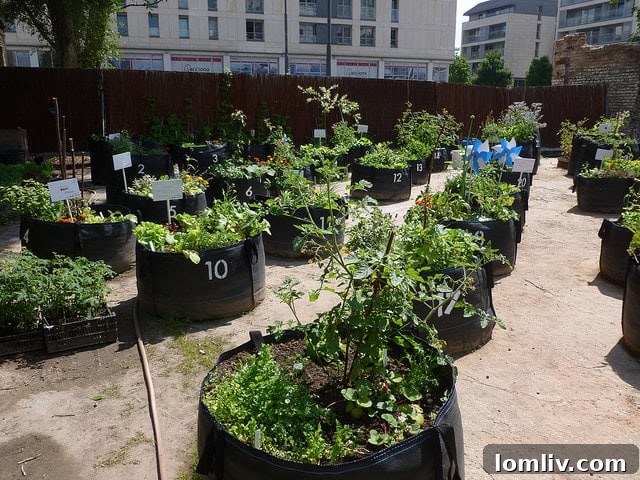
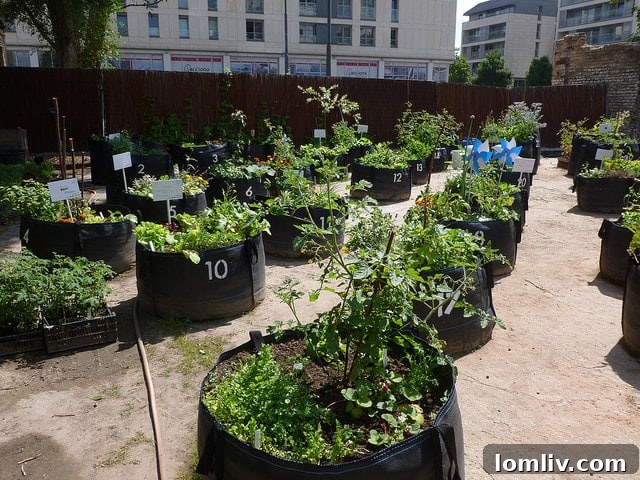
In an era defined by a renewed focus on local sustainability and community well-being, urban agriculture has emerged as a powerful force for positive change across the nation. This innovative approach to food production, deeply rooted within city limits, plays a pivotal role in revitalizing neighborhoods, fostering stronger community bonds, and, crucially, significantly improving the public health outcomes of urban residents. From rooftop gardens to converted vacant lots, these green initiatives are transforming cityscapes and offering fresh solutions to pressing urban challenges.
The movement’s profound impact extends beyond merely providing fresh produce; it serves as a foundational element for community stabilization and development. By bringing nature back into concrete jungles, urban farms create accessible green spaces, educate residents on healthy eating and sustainable practices, and even stimulate local economies. The benefits are multifaceted, encompassing environmental improvements, educational opportunities, and a direct response to issues of food insecurity that plague many urban centers.
Dallas at the Forefront: Local Initiatives Driving Change
Dallas, a sprawling metropolitan hub, stands as a testament to the transformative power of urban agriculture. The city boasts a growing number of innovative projects that are not only producing locally grown food but also addressing critical social and environmental needs. These initiatives are strategically woven into the fabric of various neighborhoods, particularly those underserved, aiming to bridge nutritional gaps and cultivate a more resilient community.

Among the most prominent examples are Paul Quinn College’s groundbreaking “We Over Me Urban Farm” and “Bonton Farms” in South Dallas. These aren’t just farms; they are comprehensive community development models. “We Over Me Urban Farm,” conceptualized by students at Paul Quinn College, transformed an unused football field into a vibrant farm, providing fresh, healthy food for the campus and the surrounding community, while also offering educational and employment opportunities for students. This initiative exemplifies how institutions can lead by example in fostering sustainability and community engagement, proving that innovation can turn challenges into opportunities for growth and service.
Similarly, Bonton Farms has gained national recognition for its holistic approach to community revitalization. Located in a historically underserved area of South Dallas, Bonton Farms combats the pervasive “food desert” phenomenon by growing and distributing organic produce, raising livestock, and operating a market and café. Beyond food production, Bonton Farms offers vital social services, including job training, housing assistance, and life skills development, creating a powerful ecosystem of support that empowers residents, rebuilds lives, and fosters genuine community resilience.
Beyond these flagship projects, a diverse network of businesses and organizations across Dallas contributes significantly to the local food system. These dedicated entities work diligently to produce and distribute fresh, healthy, and sustainably grown produce, enhancing food access for all residents. Their collective efforts support local economies, reduce the carbon footprint associated with long-distance food transport, and cultivate a stronger connection between Dallas residents and their food sources, promoting informed and healthier lifestyle choices.
Addressing the “Food Desert” Dilemma: A Key Objective
One of the most critical challenges urban agriculture aims to solve is the pervasive issue of “food deserts.” A food desert is defined as an urban area where it is difficult to buy affordable or good-quality fresh food. These areas are typically low-income communities with limited access to full-service supermarkets, often leaving residents dependent on convenience stores that primarily offer processed, unhealthy, and expensive options. The consequences are dire, contributing to higher rates of diet-related diseases such as obesity, diabetes, and heart disease, creating a cycle of poor health and economic hardship.
Urban farms directly tackle this dilemma by strategically placing food production sites within these underserved neighborhoods. By doing so, they drastically reduce the distance between farm and plate, making fresh, nutritious produce readily available, culturally relevant, and often more affordable. This not only improves public health and provides immediate access to essential nutrients but also empowers communities by giving them control over their food systems and fostering self-sufficiency. Furthermore, the presence of green spaces within urban farms reintroduces nature into often concrete-dominated environments, offering aesthetic benefits, cleaner air, and opportunities for recreation, education, and therapeutic engagement.
The Dallas Architecture Forum: A Platform for Dialogue
Recognizing the profound impact of these initiatives on urban planning and community well-being, the Dallas Architecture Forum (DAF) is set to host a pivotal panel event that will delve deeper into the objectives and far-reaching effects of urban agriculture projects in Dallas. The DAF, renowned for its unwavering commitment to exploring critical issues that shape urban environments and the built world, provides an ideal and prestigious platform for this timely discussion. Their mission to advance the understanding and appreciation of architecture, design, and the urban built environment naturally extends to the vital role of sustainable practices like urban farming in creating healthier, more vibrant, and equitable cities.
Scheduled for **Tuesday, April 19th**, this event promises to offer invaluable insights into how urban agriculture is actively reintroducing nature and green spaces into Dallas’s urban fabric, directly confronting the “food desert” challenge. Attendees will gain a comprehensive understanding of the innovative strategies, notable successes, and ongoing needs of these vital projects, and how they contribute to the overarching goal of creating a more sustainable, resilient, and inclusive Dallas. This is an opportunity to learn about practical solutions driving positive change within the city.
Meet the Esteemed Moderator and Panelists
Guiding this crucial discussion will be **Don Gatzke**, an eminent figure in the fields of architecture and urban planning. Gatzke’s extensive academic background and practical experience make him exceptionally qualified to moderate this distinguished panel. He served with distinction as Dean of the School of Architecture at the University of Texas at Arlington from 2004 through 2014, leaving a lasting legacy, and continues to contribute significantly as a Professor at the university on the faculty. His profound insights into architectural design, urban development, and community engagement will undoubtedly enrich the discourse, providing a valuable framework for understanding the powerful intersection of innovative design and agricultural solutions in urban contexts.
The panel features a distinguished group of leaders directly involved in shaping Dallas’s burgeoning urban agriculture landscape, each bringing a unique and invaluable perspective:
- **Valerie Miller, Director of La Bajada Urban Youth Farm:** Miller’s pioneering work with La Bajada Urban Youth Farm highlights the critical role of youth engagement in sustainable agriculture. Her organization focuses on educating and empowering young people through hands-on farming experiences, cultivating not only fresh produce but also nurturing future leaders and passionate advocates for food justice and environmental stewardship. Her perspective will shed light on the profound educational, social, and developmental impact of integrating youth into these vital urban initiatives.
- **Daron Babcock of Bonton Farms:** As a visionary and driving force behind Bonton Farms, Daron Babcock embodies the spirit of transformative community development. His unwavering dedication has turned a bold vision of self-sufficiency and empowerment into a tangible reality for residents in a historically underserved area of South Dallas. Babcock will share the compelling story of Bonton Farms’ journey, its challenges, remarkable successes, and its profound, measurable impact on health outcomes, employment opportunities, and instilling hope within the community. His experience offers a powerful narrative of how agriculture can serve as a potent catalyst for holistic revitalization.
- **Hannah Koski, associated with the “We Over Me” urban farming initiative at Paul Quinn College:** Koski represents the innovative spirit and progressive approach of Paul Quinn College, which has become a national model for urban higher education and community engagement. Her active involvement with the “We Over Me” farm underscores the institution’s deep commitment to experiential learning, impactful community service, and environmental responsibility. Koski will discuss how the farm seamlessly integrates into the college’s curriculum and broader mission, providing students with invaluable practical skills and serving as a vital resource for both the college community and its surrounding neighbors, demonstrating a sustainable model for institutional leadership.
Event Details and Opportunity for Engagement
This enlightening event is designed to be accessible to all members of the community eager to learn more about the future of food, urban planning, and sustainable development in Dallas. The evening will commence with an informal reception at **6:15 p.m.**, offering attendees a valuable opportunity to network, connect with like-minded individuals, and engage in preliminary discussions about the pressing topics at hand. This pre-panel gathering fosters a sense of community and allows for informal interactions with some of the leading figures in urban agriculture, setting the stage for a rich and interactive experience.
The main panel discussion will begin promptly at **7:00 p.m.**, ensuring a focused and engaging exchange of ideas and insights from the distinguished speakers. The event will be held at the esteemed **Dallas Center for Architecture, located at 1909 Woodall Rogers, Suite 100**. This central and easily accessible location makes it convenient for residents from across Dallas to attend and participate in this important dialogue on urban transformation. Importantly, the event is **free and open to the public**, and **does not require reservations**, reflecting the Dallas Architecture Forum’s unwavering commitment to broad community engagement and equitable knowledge sharing.
Join the Conversation: Shaping a Sustainable Dallas
The Dallas Architecture Forum’s upcoming panel on urban agriculture presents a unique and timely opportunity to understand how innovative farming practices are actively shaping the future of Dallas. By bringing together visionary experts, dedicated community leaders, and engaged citizens, this event promises to be a powerful catalyst for further action, collaboration, and investment in the pursuit of a healthier, more sustainable, and equitable urban environment for all.
Whether you are an urban planner envisioning greener cities, an aspiring farmer passionate about local food, a community activist advocating for social justice, or simply a concerned citizen interested in the future of your city, this event offers profound insights into how we can collectively build more resilient and vibrant communities. The discussions will highlight not only the immediate challenges but also the immense potential that lies within our urban landscapes to grow food, foster public health, and cultivate stronger, more interconnected community bonds.
For those seeking to delve deeper into the Dallas Architecture Forum’s impactful work, or to learn more about their diverse and thought-provoking Panel Discussion Series and other events, comprehensive information is readily available. Please visit their official website at www.dallasarchitectureforum.org or contact them directly by calling **214-764-2406**. Join the conversation and become an active participant in Dallas’s exciting journey towards a greener, more food-secure, and thriving future.