
By Michelle Lynne
President, ML Interiors Group
In the realm of interior design, lighting is far more than just a functional necessity; it’s the very soul of a space, capable of transforming ambiance, accentuating architectural features, and expressing a homeowner’s unique style. Gone are the days when a “bedroom set” dictated the entire aesthetic, or when every light fixture in a home had to rigidly match. Just as fashion evolves beyond shoulder pads and feathered hair, so too does the art of home illumination. The trend of uniform, mass-produced lighting fixtures, unfortunately, still lingers in many homes, hindering their true potential for character and warmth. Yet, modern design embraces individuality, encouraging a thoughtful, curated approach to lighting that treats each fixture as a piece of art.
If you’re ready to illuminate your home with flair and sophistication, moving beyond the predictable offerings of big-box stores, then this guide is for you. We’ll explore how to select unique lighting that not only serves its purpose but also elevates your living spaces, room by room, ensuring every corner of your home shines with purpose and personality. Prepare to discover how mixing styles, materials, and forms can create a captivating design narrative that flows seamlessly throughout your residence, making a lasting impression on all who enter.
Crafting the Perfect First Impression: Entryway Lighting
The entryway is the overture to your home, a critical space that sets the tone for the entire residence. It’s where guests form their first impressions, and where you transition from the outside world to your personal sanctuary. Therefore, the lighting in this area should be nothing short of a bold statement, reflecting the character and elegance that awaits within. When selecting an entryway fixture, several key considerations come into play to ensure harmony and impact.
First and foremost is the scale of the entry. A grand, two-story foyer demands a majestic chandelier that commands attention, its size proportionate to the vertical space. Conversely, a more modest entry might benefit from a uniquely designed semi-flush mount fixture or a smaller, sculptural pendant that adds interest without overwhelming the space. Consider the architecture of your home; a rustic farmhouse might call for a wrought-iron lantern, while a contemporary home could feature a sleek, minimalist geometric pendant. The aesthetics of the adjacent rooms are also vital. While you don’t want a perfectly matching fixture, ensure there’s a complementary style that hints at the design story unfolding further inside. For instance, if your living room has modern clean lines, an entryway fixture with a contemporary edge, even if it uses different materials, will maintain a cohesive flow. Don’t be afraid to experiment with unique shapes, textures, and even colors to make your entryway truly unforgettable.
Illuminating the Heart of the Home: Kitchen Lighting Strategies
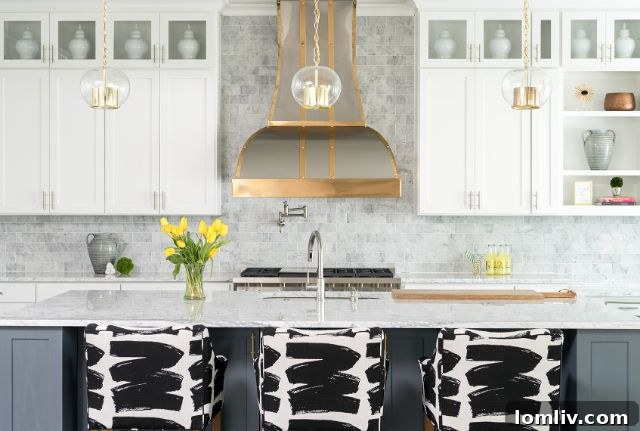
The kitchen, often hailed as the true heart of the home, is a hub of activity, demanding versatile and visually appealing lighting. While the common approach might be to simply hang two identical pendants over a kitchen island, modern design encourages a more creative and functional perspective. Breaking free from this convention can yield stunning and highly personalized results.
Instead of twin pendants, consider a single, linear-shaped chandelier above your kitchen island. This solution offers a continuous spread of light, often with adjustable heights, and creates a unique focal point that defines the island space without appearing cluttered. It’s particularly effective in larger kitchens or those with longer islands, providing both task lighting and a strong aesthetic statement. Alternatively, if you prefer the pendant look, experiment with pendants of varying sizes or designs within a complementary theme to add depth and visual interest, avoiding the monotony of exact replication.
For homes fortunate enough to boast two kitchen islands, the challenge of lighting becomes even more nuanced. Placing decorative light fixtures above both islands can indeed be overwhelming, creating a visual cacophony that detracts from the kitchen’s overall appeal. A more sophisticated strategy involves a discerning balance: allocate decorative lighting to the island where people typically gather, dine, or socialize. This might be the island with seating or the one used for entertaining. Over the secondary island, often dedicated to prep work or additional counter space, opt for more subtle, functional illumination such as recessed lighting. This approach not only provides ample task lighting where needed but also saves on cost and maintains a cleaner, less cluttered aesthetic, allowing the primary decorative piece to shine. Moreover, recessed lighting can be equipped with dimmers, offering flexibility for different kitchen activities and moods.
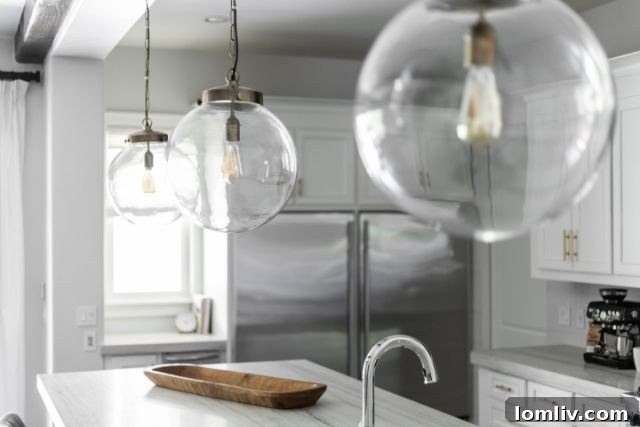
Glass lighting fixtures are consistently an excellent choice, especially in open-concept floor plans where unobstructed views are paramount. Their transparency allows light to diffuse beautifully without visually obstructing the space or interrupting sightlines, making rooms feel larger and more airy. Glass pendants are among our top recommendations for use over kitchen islands precisely because they offer style, ambiance, and effective lighting without creating a heavy visual barrier. They blend seamlessly into the background while still contributing elegance and a touch of sophistication. Beyond island lighting, consider incorporating under-cabinet lighting for enhanced task illumination, especially for food preparation, and strategically placed puck lights inside glass-front cabinets to highlight dishware and add a layer of ambient glow. Layering these different types of lighting ensures your kitchen is both highly functional and inviting.
Designing with Delicacy: Dining Room Illumination
The dining area, whether an expansive formal room or a cozy nook within an open-concept layout, often shares a direct sightline with the entryway. This proximity necessitates a harmonious lighting strategy that ensures continuity without resorting to rigid matching. The goal is to achieve a complementary style between your entryway and dining light fixtures, creating a sense of curated cohesion throughout your home.
The most effective way to attain this balance is by avoiding the repetition of exact materials while subtly mimicking shapes or forms. For instance, if your entryway features a geometric metal pendant, your dining room chandelier could have a similar geometric silhouette but crafted from glass or wood. This play on shape provides a visual echo, linking the spaces together, while the variation in material ensures each fixture retains its unique character and prevents a monotonous aesthetic. This approach allows for individual expression in each room while maintaining a graceful flow that feels intentional and sophisticated.
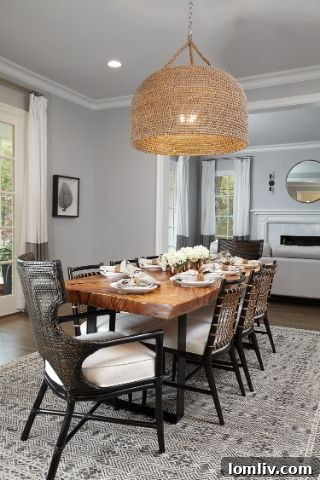
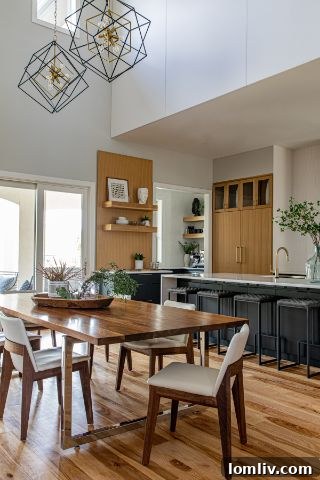
If you have a smaller dining table integrated into or adjacent to the kitchen, and you wish to incorporate a light fixture above it in addition to your kitchen lighting, the principle of mixing materials becomes even more crucial. Instead of merely changing metal colors, consider introducing entirely different textures and elements. For example, if your kitchen features sleek metal pendants, an organic dining fixture crafted from wood, rattan, or wicker can create a beautiful contrast, adding warmth and a natural touch. Alternatively, a delicate glass fixture could provide a sense of lightness, distinguishing the dining zone from the more task-oriented kitchen without competing for attention. This interchange of materials creates distinct zones within an open space, each with its own identity, while still feeling part of a larger, cohesive design narrative.
Even if you’re working with an existing, perhaps outdated, chandelier that you’re not yet ready to replace, or you’re still on the hunt for the perfect upgrade, there’s a simple, cost-effective trick to modernize its appearance instantly. Switch out those traditional “candle flame” shaped lightbulbs for round, spherical ones. This small change can dramatically update the fixture’s look, giving it a cleaner, more contemporary edge and softening the light output. Additionally, always equip your dining room lighting with dimmer switches. This allows you to effortlessly transition from bright illumination for homework or crafts to a soft, romantic glow for intimate dinners, enhancing the versatility and mood of the space.
Elevating the Sanctuary: Owner’s Suite Lighting
The owner’s suite is more than just a bedroom; it’s a personal retreat, a sanctuary where you begin and end each day. This intimate space presents a unique opportunity to infuse luxury and personal style, and lighting plays a pivotal role in achieving this. If you can forego the practical necessity of a ceiling fan, consider installing a stunning chandelier in the owner’s suite. A well-chosen chandelier can transform the room, adding an undeniable touch of glamour, sophistication, and a boutique hotel feel.
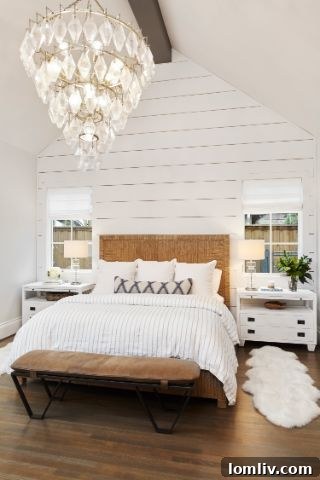
When selecting a chandelier for this private haven, think about the overall mood you wish to create. A crystal chandelier can introduce sparkle and opulence, perfect for a glamorous aesthetic, while a more minimalist, sculptural design can complement a contemporary or mid-century modern space. Ensure the scale of the chandelier is appropriate for the room’s dimensions and ceiling height – a fixture that is too large can overpower the space, while one that is too small will feel insignificant. Beyond the central fixture, layering light is key in the owner’s suite. Incorporate elegant bedside lamps or wall-mounted sconces for reading and mood lighting. These should provide soft, diffused light, avoiding harsh glares. Dimmers on all lighting circuits are essential, allowing you to create a serene and restful ambiance for unwinding, or brighter illumination for dressing and other tasks. The lighting in your owner’s suite should not only be beautiful but also contribute to a sense of calm and luxury, making it a true escape from the everyday.
The Art of Illumination: General Principles for Home Lighting Design
Think of lighting as the “jewelry” of your home – carefully chosen pieces that complete an outfit, add sparkle, and reflect personal taste. Just as you wouldn’t wear every piece of jewelry you own at once, or wear mismatched pieces without intention, lighting should be selected with meticulous care and a keen eye for detail. The fundamental principles of scale and size are paramount; a fixture that is either too large or too small for its designated space will always feel off-balance, regardless of its beauty. Once the correct proportions are established, then you can confidently embrace bold styles and unique designs.
The true magic in modern interior design, especially concerning lighting, lies in the artful mixing and matching of metals, materials, and finishes. This approach introduces depth, texture, and visual interest to a space, creating a rich, layered aesthetic that feels sophisticated and custom-designed. Imagine a living room where a brass chandelier is complemented by matte black sconces and a glass-based table lamp; the interplay of these elements creates dynamic visual appeal. However, this strategy requires a discerning eye: while variation adds interest if the elements coordinate, a haphazard collection of styles or a repetitive use of the same fixture design from room to room will dull the senses and make your home feel uninspired and generic. Instead of matching, aim for harmony through contrast and complementary forms.

When embarking on your lighting journey, also consider the importance of layering light. This involves combining ambient (general background light), task (focused light for specific activities), and accent (light that highlights features) lighting. Utilizing dimmers on all fixtures allows you to adjust the intensity, transforming the mood of a room from bright and functional to soft and inviting with a simple flick. Pay attention to color temperature as well; warmer light (lower Kelvin) often creates a cozy atmosphere, while cooler light (higher Kelvin) is better for task-oriented areas. These subtle details collectively contribute to a home that feels both beautiful and incredibly livable.
If navigating the intricate details of home lighting design feels a little dim or overwhelming, remember that expert guidance is readily available. Professional interior designers possess the knowledge and experience to craft a lighting plan that perfectly suits your home’s architecture, your personal style, and your functional needs. For personalized solutions and expert advice, don’t hesitate to reach out to ML Interiors Group. Let us illuminate your home’s true potential.
Michelle Lynne began her interior design career after spending more than a decade working in Corporate America. She has since built a highly successful design firm, ML Interiors Group, known for its innovative approaches and client-focused solutions. Employing multiple talented designers, her firm has expanded its services to include full-service residential design, multi-family projects, and comprehensive virtual design services, helping clients across various sectors achieve their dream interiors.