Millennials Reshaping the Housing Market: Navigating Urban Appeal and Suburban Affordability in Dallas
The dynamic landscape of homeownership is undergoing a profound transformation, largely driven by the choices and financial realities of the Millennial generation. As they come of age and increasingly seek to establish roots, Millennials are reshaping demand across the real estate sector. A recent generational survey by the National Association of Realtors (NAR) provides crucial insights into these evolving trends, revealing a complex interplay of desires for urban vibrancy, the practicality of suburban living, and the rise of multi-generational households. This article delves into these shifts, using the robust and diverse Dallas real estate market as a prime example of how Millennials are forging new paths to homeownership.
The Millennial Imperative: A Generation’s Drive for Homeownership
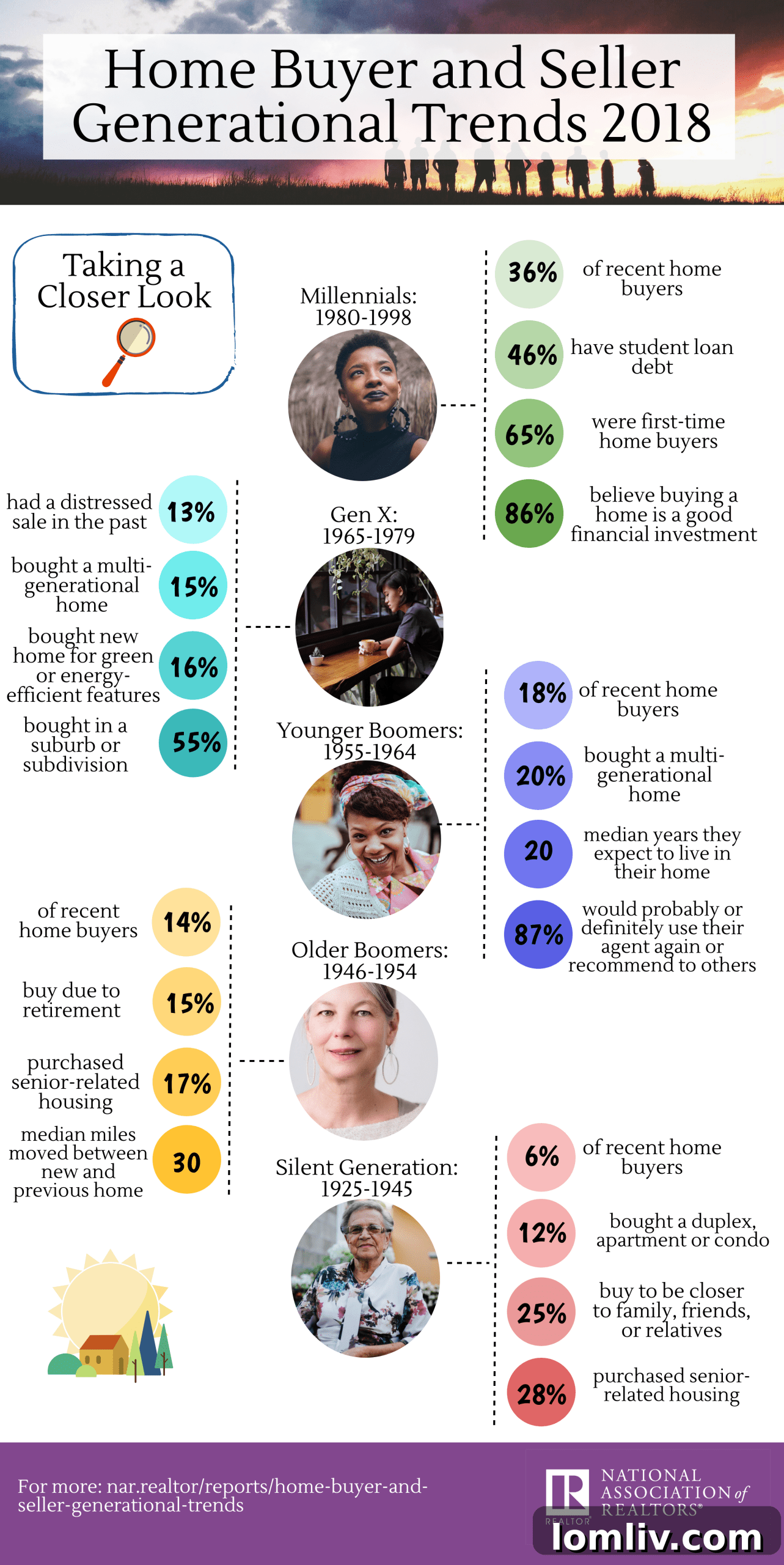
Millennials have emerged as the dominant force in the homebuyer market, accounting for a substantial 36 percent of all homebuyers in 2017. This figure underscores a powerful and persistent desire for homeownership within this demographic, despite facing significant economic headwinds. Many Millennials have grappled with the burden of student loan debt and have experienced slower wage growth compared to previous generations at similar life stages. Yet, the aspiration to own a home, build equity, and provide stability for growing families remains a top priority.
However, this strong demand is often met by a challenging market reality. A persistent shortage of single-family housing construction, particularly in desirable urban cores, has complicated the journey for many aspiring Millennial homeowners. This scarcity not only drives up prices but also limits options, compelling buyers to broaden their search horizons beyond traditional hotspots. Furthermore, the housing market is witnessing an increasing prevalence of multi-generational living. The NAR report highlighted that younger Baby Boomers are frequently purchasing homes designed to accommodate their adult children and sometimes their own elderly parents. Even Generation X households are increasingly opting for properties that can house multiple generations, signaling a broader societal trend towards family cohabitation driven by economic factors, caregiving needs, and cultural preferences.
The Suburban Shift: Finding Space and Value Beyond the City Limits
As Millennials progress through various life stages, including starting families, their housing needs and preferences naturally evolve. The NAR report confirmed a continuous increase in the proportion of Millennial households with at least one child, a factor that profoundly influences their homebuying decisions. For many in this demographic, the vibrant cultural offerings and amenities of major cities, while appealing in youth, often become less practical once children enter the picture. The combination of soaring housing costs, limited space in urban centers, and the desire for larger homes with yards often pushes families towards more expansive and affordable suburban environments.
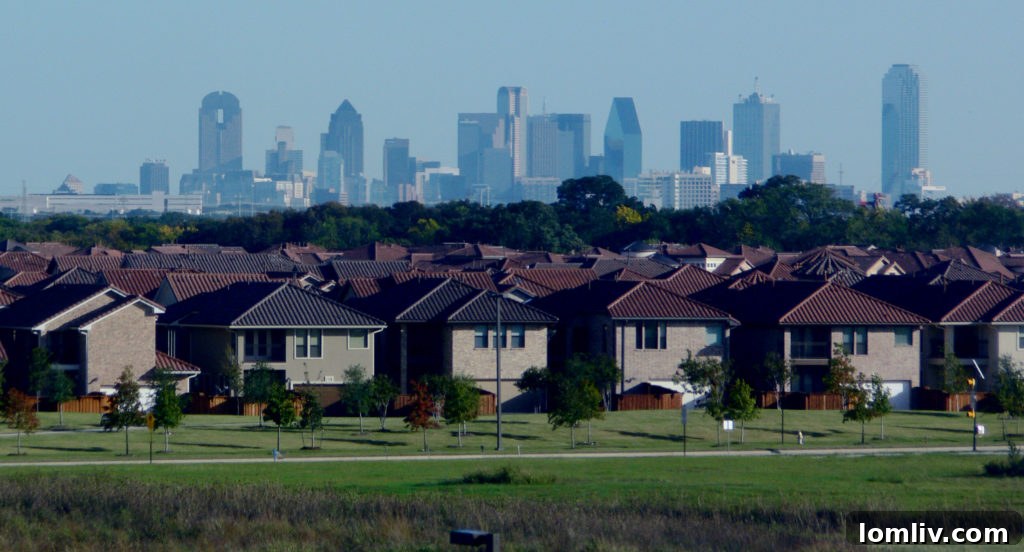
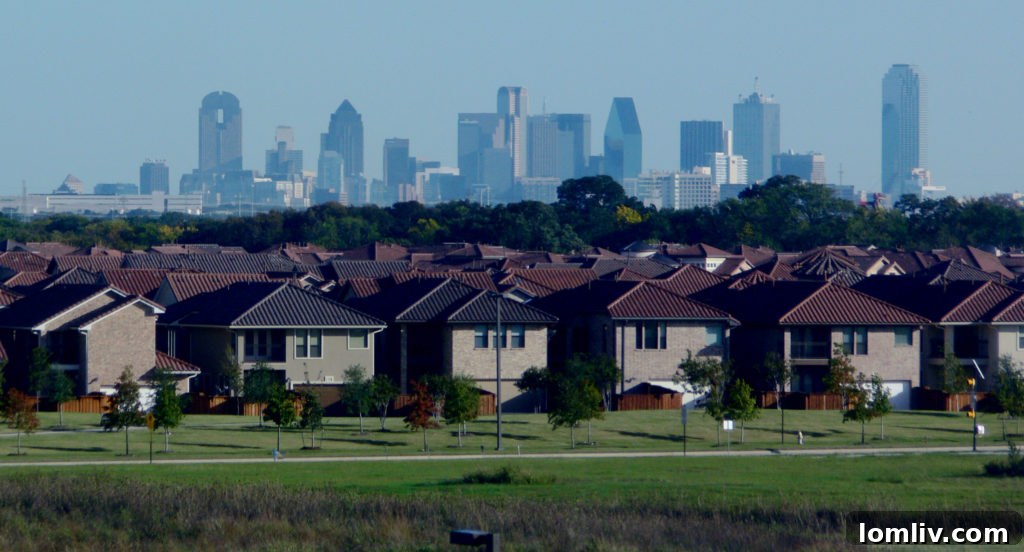
Indeed, 52 percent of Millennial homebuyers surveyed by NAR chose larger and more budget-friendly properties located in suburban areas. This movement is not merely a reluctant compromise but often a strategic decision to achieve a better quality of life that balances financial considerations with lifestyle needs. Dallas, a city characterized by its booming economy and significant influx of young professionals, perfectly illustrates this trend. As noted by Thrillist in their feature “State of the Suburbs: Dallas,” homebuyers are increasingly exploring diverse options within the broader metropolitan area. Beyond the often-pricier, master-planned communities in Collin County, Millennials are discovering the value and potential in closer-in suburbs that offer a compelling mix of affordability and community charm. Towns like Duncanville, DeSoto, Garland, and Grand Prairie are attracting increased attention as accessible alternatives for those seeking single-family homes without the premium price tag associated with central Dallas locations.
Expert Perspectives: Dallas Realtors Share Insights on Millennial Homebuying
To gain a deeper understanding of these localized trends and the motivations of Millennial homebuyers, we turned to several of Dallas’s most experienced and trusted real estate professionals. Their diverse viewpoints offer a comprehensive look at whether urban living maintains its strong hold or if the suburban migration is truly gaining momentum.
Brittney Rhodes, Modtown Realty: The Enduring Allure of Urban Living

Brittney Rhodes highlights that for many young families in Dallas, the urban environment remains incredibly appealing. She emphasizes the unique lifestyle it offers, fostering cultural exposure and diversity for children. Rhodes notes, “Most of the buyers I work with opt for an urban living experience. I think there is still a huge draw to these areas because of lifestyle. A lot of young families want to raise their families in an area that embodies culture, diversity, and that encourages these young families to expose their children to a more active lifestyle. Where they understand that they may have to sacrifice on schools in some areas they understand that in return they get to expose their children to a very authentic experience. They are able to learn about socioeconomic differences, and develop deeper empathy for people from all walks of life — which is priceless. There is a huge community of families in the urban neighborhoods, and we all take pride in raising our babies with each other.” Her perspective underscores that for some, the invaluable life lessons and vibrant community found in urban settings outweigh potential trade-offs regarding traditional schooling or larger lot sizes.
Brittney Rhodes, Modtown Realty
Mindy Niehaus, Haus + Co. Group, JP & Associates: The Practical Evolution of Lifestyle

Mindy Niehaus provides a relatable and often humorous account of how Millennial priorities shift with age and life events. She observes an initial strong aversion to suburban life among younger Dallasites, a stance that often softens as personal circumstances evolve. “Millennials just want to extend their youth a bit longer! The mid to late 20s Dallasite will make a life-time promise to NEVER move north of Knox / Henderson. This would be reputation suicide – what will your friends say? Your co-workers? Your bartenders? But you get a bit older; maybe you get a dog; perhaps you get married to a guy with a lot of tools; or a kid. With a puppy, at 30, your life changes and you want more room and earlier bedtimes. The single-family residence I do agree with. Who moves to the suburbs to live in a half-duplex? Ok I actually did do that in East Dallas, but still, most people don’t want to.” Niehaus’s insights perfectly capture the progression from prioritizing social life and urban convenience to seeking more space and the comfort of a single-family home as family and personal needs take precedence, often leading them to the suburbs.
Mindy Niehaus, Haus + Co. Group, JP & Associates
David Maez, Vivo Realty Group: Affordability as a Driving Force to New Growth Areas

David Maez directly addresses the economic realities that are forcing many Millennials to consider options outside Dallas’s pricier urban core. He points out the significant financial barrier posed by high urban average sales prices, often exceeding $350,000, which can be further exacerbated by substantial Homeowners Association (HOA) dues for non-single-family properties. “From my experience, locally you’re seeing many in that demographic priced out of the urban market. I know that in Dallas the average sales price in urban areas is well over $350k and couple that with HOA dues for a non-single family home and it’s more affordable to be in suburban areas.” Maez anticipates a growth in “non-traditional growth patterns,” with increased buyer movement into areas south of Dallas, such as Oak Cliff and surrounding communities, where affordability is more attainable. He also notes that for a generation often having fewer children, the traditional emphasis on top-tier school districts may be less of a primary driver than sheer affordability. This often leads them to consider fixer-uppers or to seek out specific builders like David Weekley, who are attempting to construct affordable single-family homes even in challenging urban-adjacent markets like the Medical District.
David Maez, Vivo Realty Group
Lauri Ann Hanson and Aimee Schreiner of Dwell Partners, Dave Perry-Miller Real Estate: The Savvy, Diverse Millennial Buyer

Lauri Ann Hanson and Aimee Schreiner of Dwell Partners observe a distinct split in preferences among their Millennial clients, highlighting the generation’s diverse housing goals. While some are actively seeking brand-new, single-family homes with all the modern amenities in popular suburbs like Wylie, Southlake, and Frisco, others are drawn to the unique character and walkability of urban Deep Ellum condos or homes within the Dallas loop, even if they require a bit of renovation. “Not many things get us more excited than getting the opportunity to help a first time home buyer take the plunge into homeownership because of the blood, sweat, and anticipation that goes into each home hunt! Millennials make up a large chunk of our business, but for our team, this pool of buyers’ desired locations have been split right down the middle in terms of suburbia versus urban living.” Regardless of their chosen locale, these realtors note a consistent trait: Millennial buyers are highly informed and savvy. They expect their agents to be forthright, skilled negotiators, and deeply connected to market developments, whether in emerging new build communities or established urban “hip pockets” where agent-to-agent networking is crucial. This demonstrates that Dallas offers a wide spectrum of choices, catering to a broad range of Millennial aspirations.
Lauri Ann Hanson and Aimee Schreiner of Dwell Partners, Dave Perry-Miller Real Estate
Cathy Browne, Browne-Douglas Group, Ebby Halliday Realtors: Suburban Appeal for Family Life and Convenience

Cathy Browne points to a clear set of priorities driving her Millennial clients towards suburban living: the desire for excellent schools, robust community amenities, and a convenient lifestyle. “My clients in that age range tend to choose location based on schools and community amenities such as fitness centers, social activities, etc. Time is very important to them, so they want flexibility and convenience when choosing the area they want to live. They like the family atmosphere of the suburbs as well as the affordability of homes in these areas.” For these buyers, the suburbs offer an attractive package: a family-friendly atmosphere, access to recreational facilities and social opportunities, and the financial advantage of more affordable housing. These elements collectively contribute to a lifestyle that values both practicality and community engagement, making suburban areas an ideal choice for many Millennial families.
Cathy Browne, Browne-Douglas Group, Ebby Halliday Realtors
Britt Lopez, Dallas City Center Realtors: East Dallas – The Balanced Choice

Britt Lopez identifies East Dallas as a particularly appealing compromise for her Millennial clients, offering a unique blend of urban connectivity and a more relaxed, suburban feel. Her clients are drawn to older, character-filled single-family homes in these neighborhoods. “My clients in this age range are looking for single family homes in older East Dallas neighborhoods. They want to be close to the lake and trails and also restaurants and fun things to do. They love older homes with character and mature trees. Most of my Millennial clients work downtown or uptown and are coming out of rental in those areas. East Dallas is an easy move for them because they are still close to the things they already love to do but they feel like they are more suburban being by the lake.” East Dallas provides the best of both worlds: convenient proximity to downtown and Uptown workplaces, combined with immediate access to natural amenities like the lake and extensive trails, alongside a vibrant dining and entertainment scene. This area caters to those who appreciate historical charm and a community feel without sacrificing urban accessibility.
Britt Lopez, Dallas City Center Realtors
Phillip Murrell, Dave Perry-Miller Real Estate: The Pivotal Role of Schools in Suburban Migration

Phillip Murrell provides a nuanced view, distinguishing between single individuals or couples without dependents, who tend to favor urban living, and families with school-aged children. He notes that even couples starting families might initially purchase their first single-family or townhome within Dallas’s “in-Town” neighborhoods. However, a significant shift occurs when children approach elementary or middle school age. “The trend I see is that single individuals as well as couples without dependents still prefer to be in urban areas. Even couples starting a family will buy their first single-family/townhome together in the ‘in-Town’ Dallas neighborhoods. The exodus to the suburbs begins when Jack and Jill are entering elementary school or middle school, and families can’t justify the cost of private schools or a home in Highland Park. There are a few more choices in Dallas ISD for elementary, but most parents feel that when their children graduate from elementary school it’s Highland Park, private schools, or suburbia.” Murrell’s insights powerfully illustrate that for many families, the perceived quality and cost of schooling become the ultimate deciding factor, often catalyzing a move from the urban core to the suburbs.
Phillip Murrell, Dave Perry-Miller Real Estate
Navigating the Modern Housing Market: A Complex Tapestry of Choices
The collective wisdom shared by these Dallas real estate experts paints a detailed and compelling picture of the contemporary homebuyer, especially within the Millennial demographic. While financial considerations and the quest for affordability undeniably play a pivotal role in steering many towards the suburbs, it is rarely the sole factor. The decision-making process is a rich tapestry woven from diverse threads: lifestyle aspirations, evolving family needs, the perceived quality of educational institutions, the availability of community amenities, and the fundamental desire for more space and a sense of stability. Dallas, with its dynamic urban growth and expanding suburban periphery, serves as a quintessential example of how these varied preferences and ongoing market shifts interact to define where people choose to live.
For first-time homebuyers and those looking to relocate, understanding these broad generational trends, coupled with granular insights into local market specifics, is more critical than ever. The current real estate environment demands flexibility, informed decision-making, and often, the invaluable guidance of experienced real estate professionals who possess a deep understanding of market intricacies and can skillfully navigate its challenges. As Millennials continue to mature and shape the economy, their impact on housing will only grow, making these trends essential knowledge for anyone involved in the real estate journey.
Dive Deeper: Explore the Full NAR Report for Comprehensive Insights
To gain an even more comprehensive understanding of these generational shifts impacting the housing market across the United States, we highly recommend delving into the official findings. For detailed generational trends, statistical breakdowns, and further analysis, please review NAR’s insightful infographic and the complete report:
2018 Home Buyer and Seller Generational Trends Report by Anonymous 2whCTMllC2 on Scribd