Welcome to “Upon Closer Inspection,” an educational series brought to you by the meticulous experts at Green Scene Home Inspections, exclusively for Daltxrealestate.com readers. Each week, we peel back the layers of a property to reveal what truly lies beneath, offering insights that are invaluable for both buyers and sellers in the dynamic real estate market.
When you’re buying a home, the last thing you want are unexpected surprises. While many common household issues stem from normal wear and tear, a lack of consistent maintenance, or well-intentioned but flawed DIY repairs, home inspectors often uncover a more troubling category of problems: those caused by subpar work performed by supposed “professionals.” It’s a common misconception that if a professional contractor has completed work, it must be up to standard. Unfortunately, as we frequently observe, this isn’t always the case. Even seemingly expert hands can cut corners, leading to significant structural, safety, or efficiency issues that buyers might not discover until it’s too late.
In this edition of “Upon Closer Inspection,” we’re shining a spotlight on instances where professional contractors fell short, creating costly headaches for new homeowners. These examples underscore why a thorough, independent home inspection is an absolutely non-negotiable step in the home buying process, offering an essential layer of protection and peace of mind.
Don’t Judge a Roof By Its Cover: The Hidden Dangers of Incomplete Roofing Work
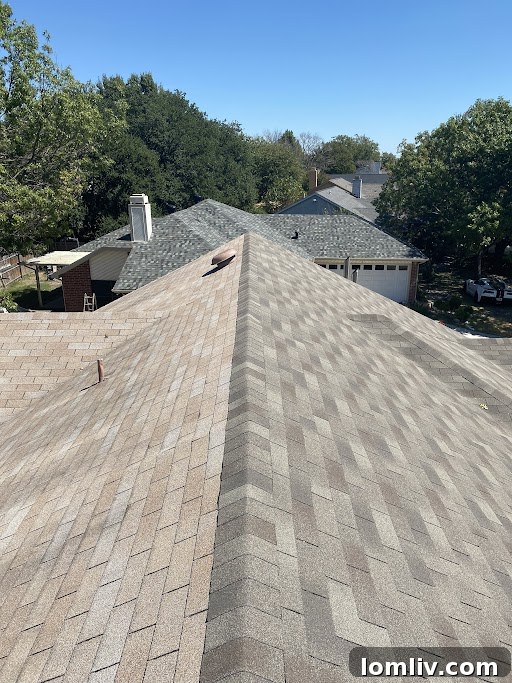
The roof is arguably one of the most critical components of any home, protecting its inhabitants and structure from the elements. During a recent home sale negotiation, the seller agreed to replace the aging roof—a significant investment and a key selling point for the property. Our client, the prospective buyer, had driven past the house and noted that the new roof appeared pristine from the street. However, understanding the importance of a comprehensive assessment, he wisely requested our inspector to conduct a detailed, upon closer inspection.
What our inspector discovered was a textbook example of professional negligence. As illustrated in the accompanying picture, only the street-facing side of the roof had been replaced with new shingles. The back-facing side, out of plain view from the curb, remained the old, deteriorating roof. This partial replacement is not only deceptive but poses severe risks to the home. An incomplete roof compromises the entire roofing system’s integrity, leading to premature failure, leaks, and potential structural damage. The disparity in age and material between the two sections can also void manufacturer warranties and complicate future repairs.
The Perils of a Partial Roof Replacement
- Water Intrusion: The primary function of a roof is to keep water out. An older, unrepaired section of the roof is far more susceptible to leaks, which can lead to costly interior damage, mold growth, and compromised structural elements like rafters and ceilings.
- Reduced Lifespan: A roof’s lifespan is only as long as its weakest part. Replacing only a portion means the entire system won’t last as long as a fully replaced roof, forcing the new homeowner to incur significant repair or replacement costs much sooner than anticipated.
- Insurance Issues: Home insurance providers typically assess the age and condition of the entire roof. An incomplete or mixed-age roof could lead to higher premiums, limited coverage, or even denied claims if issues arise from the older section.
- Compromised Aesthetics and Value: While initially hidden, the discrepancy can become noticeable over time. Moreover, the long-term value of the home is diminished by a known, undisclosed issue with a major system.
Our inspector, leveraging years of experience, identified this crucial detail by performing a thorough visual inspection from all angles, including physically walking the roof where safe and permissible. This incident highlights the critical need for an unbiased third party—a home inspector—to verify that all agreed-upon repairs and renovations have been completed properly and comprehensively, safeguarding the buyer’s investment.
Lipstick on a Pig: The Deceptive Shine of Poorly Installed “New” Windows
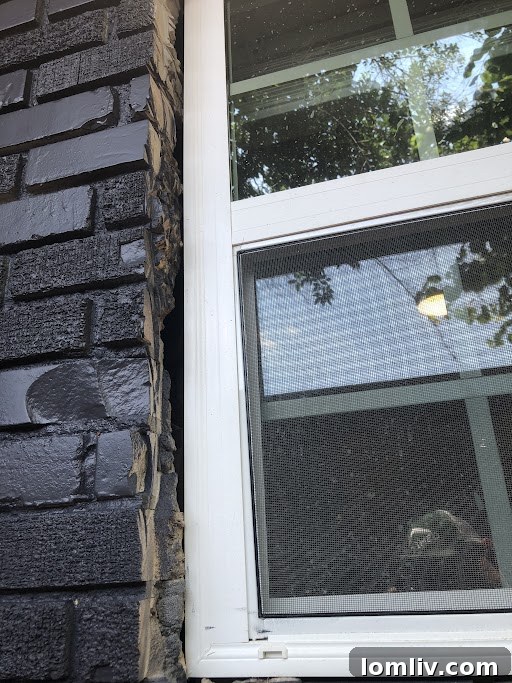
The allure of a newly renovated, “flipped” midcentury house can be undeniable. These properties often promise modern amenities and energy-efficient upgrades, such as brand-new windows. While installing energy-efficient windows is a fantastic upgrade, their effectiveness is entirely dependent on proper installation. Unfortunately, we frequently encounter situations where the promise of efficiency is undermined by shoddy workmanship, turning what should be an asset into a liability.
In a recent inspection, a flip house was marketed with a key feature: “brand new, energy-efficient windows.” Technically, this statement was true; the windows themselves were indeed new and designed for energy conservation. However, our inspection revealed a glaring omission: they were not properly set and sealed. Gaps around the frames, missing flashing, and inadequate insulation meant that despite the advanced technology of the windows, both air and water could infiltrate the home through the sides. This effectively negates any energy efficiency benefits and introduces a host of other serious problems.
Consequences of Improper Window Installation
- Energy Loss: Even the most energy-efficient windows cannot perform if air leaks around the frame. This leads to drafts, uncomfortable indoor temperatures, and significantly higher heating and cooling bills—defeating the entire purpose of the upgrade.
- Water Damage: Improper sealing and flashing around windows are prime entry points for water. Over time, this can lead to rot in the window frame, surrounding wall studs, drywall damage, and even mold growth within the wall cavities, posing health risks and requiring extensive, costly repairs.
- Compromised Structural Integrity: Persistent moisture intrusion can weaken the structural components of the home, leading to sagging, cracking, and a general deterioration of the building envelope.
- Pest Infestation: Gaps around windows provide easy access for insects and rodents, leading to pest problems that can be difficult and expensive to eradicate.
Our inspectors use a variety of tools and techniques to identify these issues, including visual inspection for gaps and sealant integrity, thermal imaging cameras to detect drafts and temperature differentials, and moisture meters to pinpoint hidden water intrusion. This case serves as a stark reminder that the quality of installation is just as, if not more, important than the quality of the product itself, especially in homes where quick, cosmetic upgrades might mask underlying issues.
No Shortcuts to Success: The Critical Importance of Proper HVAC Ductwork
Just as there are no shortcuts to achieving lasting success, there are certainly no shortcuts when it comes to ensuring optimal HVAC flow and a comfortable indoor environment. A well-designed and properly installed heating, ventilation, and air conditioning system is fundamental to a home’s comfort, air quality, and energy efficiency. Yet, even in newly constructed houses, we frequently uncover significant deficiencies in HVAC systems that can compromise the living experience.
In a recent inspection of a brand-new home, our inspector identified a severe flaw: the cool air supply was entirely cut off to the office. This wasn’t due to a simple closed vent but rather a fundamental problem with the ductwork installation. Whether it was a poorly designed layout, an improperly connected duct, or a carelessly crimped pipe, the result was the same: one room in a brand-new house would be unbearably hot in the summer and freezing in the winter, making it practically unusable.
The Impact of Poor HVAC Installation and Ductwork
- Uneven Heating and Cooling: The most immediate effect is inconsistent temperatures throughout the home, leading to uncomfortable hot or cold spots in different rooms, often resulting in occupants having to leave doors open, further wasting energy.
- Increased Energy Consumption: When one area is not properly conditioned, the HVAC system works harder and longer to try and reach the thermostat setting, leading to significantly higher utility bills. The system constantly overcompensates, straining components and reducing efficiency.
- Reduced System Lifespan: An overworked HVAC system will experience increased wear and tear on its components, such as the compressor and fan motor, leading to premature breakdowns and costly repairs or replacement.
- Poor Indoor Air Quality: Improper ductwork can also lead to issues with humidity control, which can foster mold growth. Additionally, if ducts are leaky, they can pull in dust, allergens, and insulation particles from unconditioned spaces (like attics or crawl spaces), circulating them throughout the home.
- Compromised Comfort and Usability: A room that is consistently too hot or too cold becomes an unpleasant space, reducing the functionality and enjoyment of the home.
Our inspectors use specialized tools like anemometers to measure airflow, infrared thermometers to check temperature differentials across rooms, and their keen eyes to identify obvious ductwork issues. They meticulously examine the entire HVAC system, from the outdoor unit to the indoor furnace and all connecting ductwork, to ensure proper installation and optimal performance. This thoroughness is crucial, as even new construction is not immune to these “professional” oversights.
The Unbiased Eye: Why a Home Inspector is Your Best Defense
The examples above – the half-replaced roof, the poorly sealed windows, and the compromised HVAC system – all share a common thread: they represent significant flaws introduced by professionals, yet they were not easily visible to the untrained eye. In each case, a homeowner might have purchased the property believing everything was in order, only to face substantial and unexpected repair costs down the line.
Whether a house is old or new, has been recently renovated, or simply needs a check-up, a professional home inspector serves as your ultimate advocate. Our role at Green Scene Home Inspections is to provide an unbiased, comprehensive view of the property’s condition, identifying not just minor issues but also critical flaws that could impact your safety, comfort, and financial well-being. We go beyond what’s visible from the street or a quick walkthrough, utilizing specialized knowledge and tools to uncover hidden problems.
The Indispensable Value of a Professional Home Inspection:
- Protection of Your Investment: A home is often the largest financial investment a person will make. An inspection safeguards this investment by identifying potential liabilities before the sale is finalized.
- Empowered Negotiation: Discovering significant issues allows buyers to negotiate repairs, request credits, or even reconsider the purchase, providing crucial leverage in the transaction.
- Future Cost Avoidance: Addressing problems pre-purchase can save thousands, if not tens of thousands, of dollars in future unexpected repairs.
- Peace of Mind: Knowing the true condition of the home, its systems, and its structure offers invaluable peace of mind for new homeowners.
- Safety Assurance: Inspectors look for safety hazards, such as electrical deficiencies, structural instabilities, and potential carbon monoxide leaks, ensuring the home is safe for occupancy.
Don’t assume that because work was done by a “pro” or because a house is new, it’s perfect. The reality is that mistakes happen, corners are cut, and sometimes, outright deceptive practices occur. An independent home inspector is your best defense against these pitfalls. By choosing to get a comprehensive property inspection, you’re not just buying a house; you’re investing in confidence, security, and a future free from unwelcome surprises. Always tune in for “Upon Closer Inspection” to learn more about safeguarding your home investment.