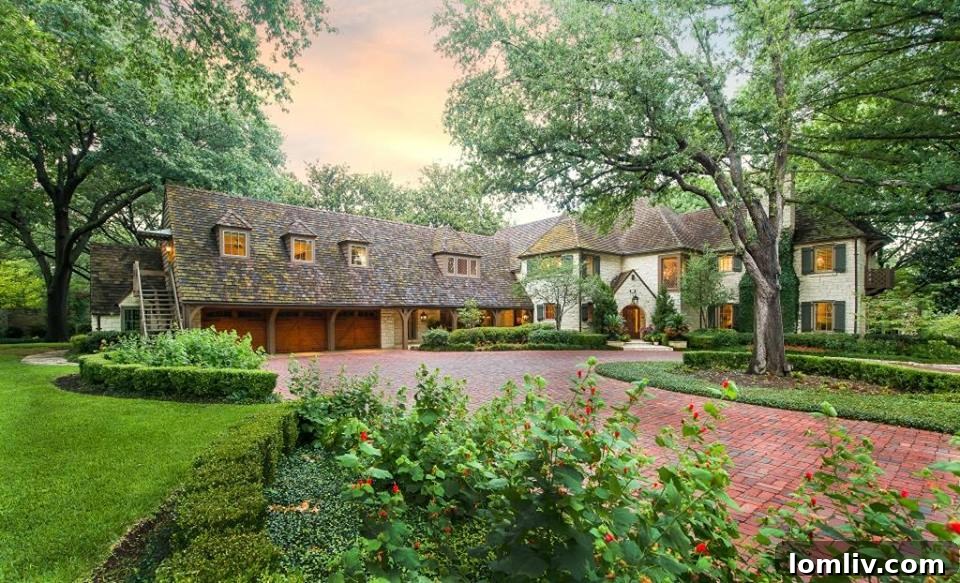
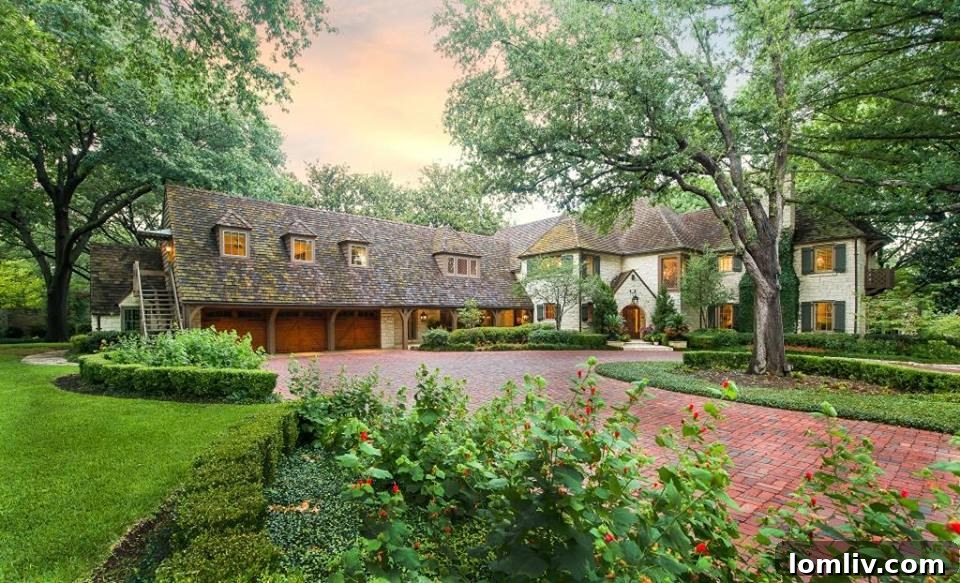
Dallas’s Enduring Legacy: A Journey Through Historic Estates with Preservation Dallas
While the allure of gleaming new homes and cutting-edge design features often captures our imagination, there’s an undeniable gravitas and beauty in properties that have gracefully withstood the test of time. These aren’t just houses; they are architectural masterpieces that transcend mere shelter, becoming cherished standard-bearers for the visionaries—the architects and designers—who conceived them. Each historic estate tells a unique story, evoking a specific era, culture, and sense of place that contemporary structures often strive to emulate but rarely achieve with the same depth.
It is precisely this profound sense of history, artistry, and timeless design that Preservation Dallas aims to celebrate and share through its esteemed “Grounds For Preservation” home tour. This annual event offers a truly extraordinary and rare opportunity for enthusiasts, historians, and the general public to step inside some of Dallas’s most significant and sprawling estates. These aren’t just structures; they are living testaments to the city’s rich architectural heritage, meticulously crafted by renowned architects whose work continues to shape the urban landscape and inspire future generations.
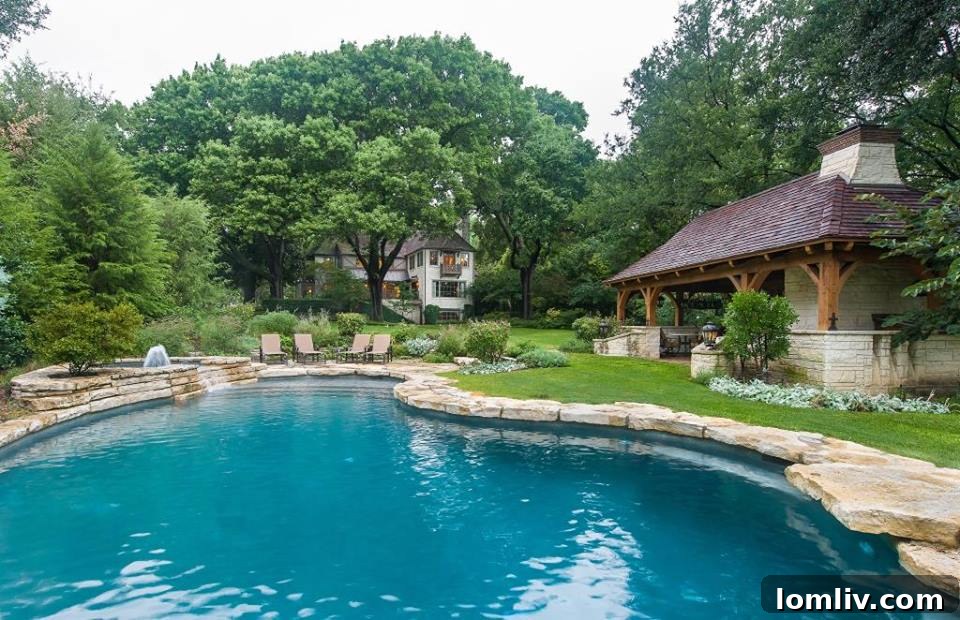
“Our tour this year highlights iconic historic houses in Dallas, and this tour is unique because it highlights estates and their grounds,” explains Donovan Westover, a representative from Preservation Dallas. This emphasis on both the architectural marvels and their surrounding landscapes provides a holistic view, revealing how these properties were designed to integrate seamlessly with their environment, creating complete, harmonious living experiences.
Discovering Dallas’s Architectural Tapestry: The “Grounds For Preservation” Tour
This year’s highly anticipated “Grounds For Preservation” tour extends an exclusive invitation to explore six magnificent estates, each representing a distinct chapter in Dallas’s architectural narrative. The tour carefully curates stops across several of Dallas’s most prestigious and historically rich neighborhoods, including the elegant enclaves of Preston Hollow, the storied streets of the Park Cities, the charming historic district of Oak Cliff, and the vibrant communities of East Dallas. This geographical diversity ensures a comprehensive showcase of architectural styles and historical periods, offering something for every admirer of fine design.
While the Patron Party, graciously hosted at the exquisite Jackson House on Strait Lane, offered a unique pre-tour experience for supporters, general tour tickets are made available to the public. These opportunities allow everyone to partake in this invaluable cultural experience, supporting Preservation Dallas’s vital mission. Whether you are a dedicated member of Preservation Dallas or a newcomer eager to explore the city’s architectural gems, this tour provides an accessible gateway to understanding and appreciating the enduring legacy of Dallas’s built environment. More details about purchasing tickets and tour schedules can typically be found on the Preservation Dallas website.
A Spectrum of Style: From Georgian Grandeur to Mid-Century Modern Marvels
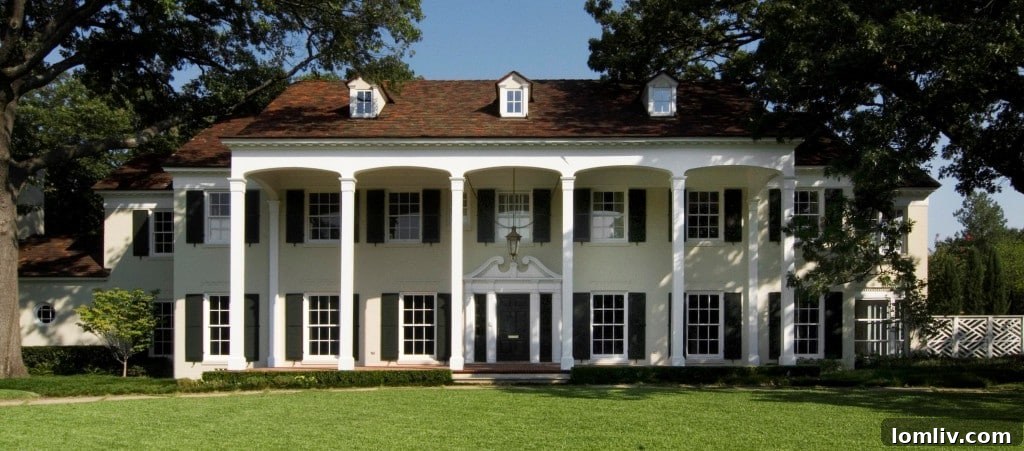
Unlike previous tours that might focus on a specific architectural era, this year’s “Grounds For Preservation” catalog proudly showcases an impressively wide breadth of architectural styles. This curated diversity allows visitors to appreciate the evolution of design and craftsmanship that has characterized Dallas over the decades. Among the highlights are a stunning 1920s Georgian mansion, a style renowned for its symmetry and classical proportions, built with remarkable fidelity in 1963. Also featured is an exquisite English estate by the celebrated architect Hal Yoakum, nestled on the prestigious Strait Lane, offering a glimpse into sophisticated, old-world charm.
The tour also includes the much-talked-about Beck House by Philip Johnson, an architectural icon known for its groundbreaking modern design and monumental scale. Johnson, a Pritzker Prize laureate, significantly influenced 20th-century architecture, and this home stands as a prime example of his innovative approach. Shifting gears, the tour ventures into the vibrant world of mid-century modern design with a remarkable residence by Howard Prinz in Kessler Park. This particular home is lauded for its truly dramatic features, challenging conventional notions of domestic architecture and pushing the boundaries of spatial dynamics.
Spotlight on Iconic Estates and Their Visionary Architects
The Hayes House: A Mid-Century Modern Masterpiece
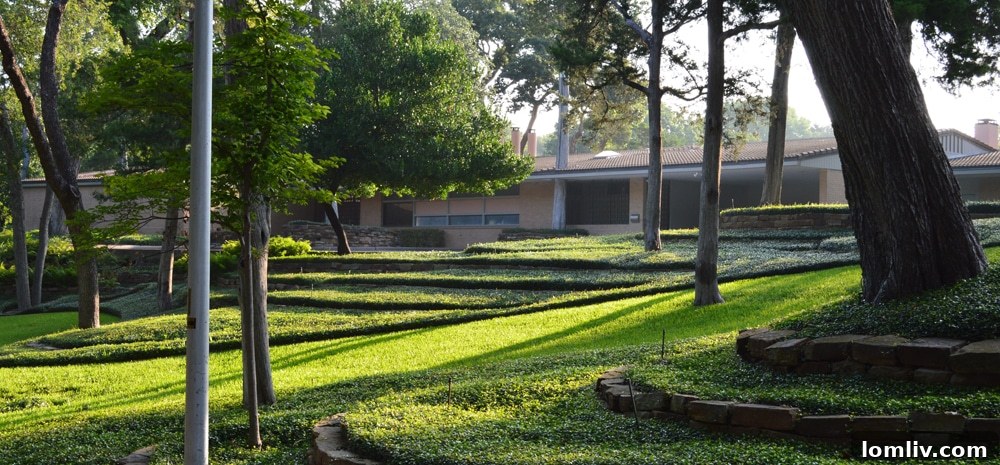
The Hayes House, a magnificent mid-century modern gem in Kessler Park, stands as a testament to the vision of its architect, Howard Prinz, and its original owner, legendary car dealer Earl Hayes. According to Westover, this particular home is an astonishing “99.9 percent original,” a rarity in an era where many historic properties undergo extensive renovations. This remarkable state of preservation means that visitors can experience the home almost exactly as it was conceived and built. Its array of interesting architectural features and eye-catching spaces include a captivating swim-up bar, a design element that epitomizes the leisure-focused ethos of mid-century living, and a daring cantilevered master bedroom wing that seems to defy gravity. These bold design choices lend the Hayes House a dramatic appeal that continues to captivate and inspire. The terraced grounds further enhance its unique character, providing a seamless transition between indoor and outdoor living spaces, a hallmark of mid-century design.
The Bromberg House: An O’Neil Ford Legacy Preserved
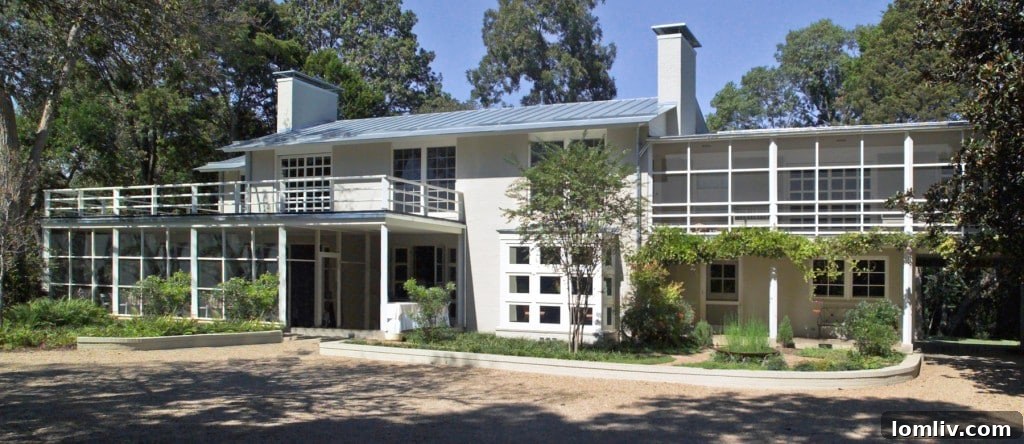
Another extraordinary example of preservation on this year’s tour is the Bromberg House, a residence that, much like the Hayes House, remains almost completely intact. “The Bromberg House is another one of those homes that is almost completely intact,” Westover confirms. This exceptional state of preservation is largely thanks to a unique set of interior deed restrictions that have protected its key spaces since its creation in 1939 by the legendary architect O’Neil Ford. Ford, celebrated for his pioneering work in the “Texas Vernacular” style, imbued the Bromberg House with a distinctive regional character, blending modernism with local building traditions. “Of course, Preservation Dallas loves interior deed restrictions,” Westover added, highlighting the organization’s commitment to safeguarding not just exteriors but the integrity of a home’s original design intent. These restrictions ensure that the architect’s full vision, including the layout, materials, and finishes of the interior spaces, endures for future generations to appreciate.
The Enduring Value of Architectural Preservation
It becomes evident why organizations like Preservation Dallas so ardently advocate for interior deed restrictions and broader preservation efforts. When one acquires a landmark home designed by a well-known architect, the exterior is often just one facet of a comprehensive design process. The interior spaces are equally crucial, meticulously planned to complement the exterior and enhance the living experience. The aging of a home does not diminish its artistic or historical value; rather, it often amplifies it, adding layers of character and narrative. These spaces, far from becoming obsolete, represent significant cultural artifacts that offer insights into past lifestyles, design philosophies, and technological advancements.
Through this year’s meticulously curated tour, Preservation Dallas hopes to ignite a passion for preservation within the community. By allowing people to witness the innate beauty, intricate craftsmanship, and historical significance embodied within these exceptional homes, the organization aims to inspire more individuals to actively engage in preserving the architectural treasures within their own neighborhoods and across the broader Dallas landscape.
Donovan Westover eloquently summarizes the core message of the tour and Preservation Dallas’s philosophy: “No matter where you live in Dallas, and no matter what style of home you live in, these homes can be renovated. They can be restored.” This powerful statement dispels the common misconception that older homes are beyond repair or require complete demolition. Instead, it champions the idea that with vision, care, and appropriate expertise, historic properties can be revitalized to meet modern needs while retaining their original charm and integrity. “These owners with estates on this year’s tour are part of a long-growing list of homeowners who support preservation,” Westover continues. Their dedication serves as a powerful example, demonstrating that preservation is not an exclusive endeavor for grand estates, but a viable and rewarding path for any homeowner. “You can certainly do this with any house. You don’t have to tear it down. This is the reality of preservation.” This message underscores a shift in perspective—from disposable to sustainable, from tearing down to building on existing legacies, fostering a deeper connection to our built heritage.
Join the Movement: Support Architectural Conservation in Dallas
The “Grounds For Preservation” tour is more than just a peek into luxurious homes; it’s an educational journey that highlights the profound impact of thoughtful design and the critical importance of preserving our architectural legacy. It’s an invitation to appreciate the stories embedded in the walls, the craftsmanship in every detail, and the vision of the architects who shaped Dallas. By attending such tours and supporting organizations like Preservation Dallas, we contribute to a vibrant future where the past is not forgotten but celebrated and integrated into the fabric of contemporary life. Join us in celebrating Dallas’s rich architectural heritage and championing the cause of preservation for generations to come.