

The urban landscape of Dallas is dynamic and rapidly expanding, presenting both immense opportunities and complex challenges, particularly concerning equitable and sustainable housing for its diverse population. In a pivotal move, the City of Dallas adopted a Comprehensive Housing Policy in May, intending to streamline its strategic investments in residential development and preservation. However, this foundational document quickly became a subject of widespread criticism. Elected officials, dedicated city staff, and even local homeowners have vocally expressed their concerns, leading to an unequivocal call for a complete overhaul. This critical revision is now actively underway, poised to introduce a refreshed and more impactful vision for Dallas’s housing future.

This comprehensive re-evaluation of the Dallas Comprehensive Housing Policy is being meticulously guided by the expertise of Community Equity Strategies, a renowned consulting firm. Their involvement signifies a deep commitment from the city to meticulously address the policy’s previous shortcomings and to forge a framework that is not only more impactful but also more equitable and actionable. This collaborative effort is currently progressing towards a new draft policy, which is highly anticipated for review by the Dallas City Council in February. The inherent complexities of housing affordability, development, and neighborhood revitalization in a fast-growing metropolitan area like Dallas make this policy overhaul a nuanced and multi-faceted endeavor, crucial for the city’s long-term prosperity.
To gain an in-depth understanding of this intricate process and its potential ramifications for the entire city, daltxrealestate.com recently spoke with David Noguera, the esteemed Director of Housing and Neighborhood Revitalization for the City of Dallas. Mr. Noguera graciously shared his extensive expertise and provided candid answers to critical questions concerning the Comprehensive Housing Policy, its profound impact on local homeowners, the vitality and health of Dallas neighborhoods, and the broader Dallas real estate community. His insights offer a crucial glimpse into the city’s strategic vision for housing and how the updated policy aims to effectively tackle pressing issues such as affordable housing in Dallas and sustainable urban development.
Unpacking the Core Purpose of Dallas’s Comprehensive Housing Policy
At the heart of any significant urban policy lies its fundamental objective and strategic intent. David Noguera eloquently articulated the primary purpose of the Comprehensive Housing Policy with impressive clarity, emphasizing its vital role as the city’s guiding blueprint for residential development. “It is the city’s mandate for how we invest in the development and preservation of mixed-income housing,” Noguera stated. This declaration powerfully underscores the policy’s critical function in directing both financial and strategic investments toward creating a diverse, robust, and inclusive housing ecosystem across Dallas. The policy is not merely concerned with increasing the sheer number of homes; rather, it aims to cultivate thriving communities where residents from a wide range of income levels can access suitable, stable, and truly affordable housing options.
This holistic approach is absolutely essential for nurturing a vibrant, resilient, and inclusive urban environment, ensuring that Dallas remains accessible and livable for a broad spectrum of its workforce, families, and seniors. The policy meticulously sets the parameters for how public and private resources are strategically leveraged to achieve these vital housing goals. Its scope impacts every facet of residential development, from overseeing new construction projects that cater to diverse needs to facilitating the rehabilitation and preservation of existing properties across the city. Ultimately, the Comprehensive Housing Policy serves as the guiding force for fostering balanced growth, promoting social equity, and securing a sustainable housing future for all residents of Dallas, thereby stabilizing and enhancing the entire Dallas real estate market.
The Imperative for an Overhaul: Addressing Past Shortcomings in Dallas Housing
The decision to undertake an overhaul of an existing policy, particularly one as foundational as a comprehensive housing strategy, is a significant undertaking that reflects a deep commitment to improvement. Mr. Noguera thoroughly explained the compelling reasons behind this critical revision, pinpointing key challenges that necessitated a fresh and more effective approach. “The Comprehensive Housing Policy was adopted in response to compliance challenges, concerns with the growth of Racially/Ethnically Concentrated Areas of Poverty (RECAP), and the need for more affordable housing,” he detailed. While the initial intentions were undoubtedly well-meaning and crucial, the policy, unfortunately, “has fallen short in some areas.” This candid admission from city leadership highlights a clear recognition that the current framework was not adequately achieving its intended outcomes, particularly in fostering equitable development and comprehensively addressing the growing disparities in housing availability and affordability across diverse demographics in Dallas.
A deeper examination into the policy’s identified deficiencies reveals several critical structural issues that hampered its effectiveness:
- Lack of Integration and Siloed Operations: A major drawback was that the original Comprehensive Housing Policy (CHP) was found to “operate independently of other City policies and plans.” This fragmentation meant that critical housing initiatives were often disconnected from broader urban planning efforts, economic development strategies, and essential infrastructure projects. Such a siloed approach inevitably “stifled its impact,” preventing the synergistic effort that is crucial for maximizing resources and achieving more comprehensive urban improvements. For a housing policy to be truly effective and transformative, it must be intricately interwoven with the city’s overarching strategic vision, ensuring that housing efforts contribute to and benefit from other municipal endeavors, creating a cohesive developmental strategy.
- Ineffective “Build from Strength” Approach: Noguera critically observed that the CHP “applies a ‘build from strength and work toward depressed areas’ approach, which sounds good in concept, but is not practical or timely for historically disadvantaged communities that are typically found in depressed areas.” While theoretically appealing to leverage existing strengths, this strategy often overlooked or, in some cases, exacerbated conditions in the areas most in need of investment. Historically disadvantaged communities require direct, targeted intervention and significant investment, rather than passively waiting for economic growth to trickle down from more affluent areas. This critical oversight meant that genuine revitalization efforts were either significantly delayed or entirely absent in the very neighborhoods that needed them most, unfortunately perpetuating cycles of poverty and systemic neglect.
- Absence of Clear Metrics and Accountability: Another significant weakness identified was the policy’s “lack of true metrics on what the policy and programs are expected to achieve.” Without quantifiable goals, clear performance indicators, and robust benchmarks, it becomes exceedingly difficult to accurately assess the policy’s effectiveness, track progress toward stated objectives, or make necessary adjustments to strategies. This absence of clear, measurable benchmarks directly “impacts credibility with community stakeholders,” who understandably seek transparency, accountability, and demonstrable results for the substantial investments and initiatives undertaken by the city. The implementation of robust metrics is absolutely vital for fostering public trust, ensuring accountability across all levels, and driving continuous improvement in housing outcomes across all neighborhoods of Dallas.
These identified shortcomings collectively underscore the urgency and critical necessity of the current policy overhaul. The revised Comprehensive Housing Policy aims to be not only well-intentioned but also structurally sound, fully integrated with other city plans, truly equitable, and meticulously measurable, ultimately serving the diverse and evolving housing needs of Dallas more effectively and justly.
Addressing Overlooked Issues: The Crucial Role of Comprehensive Neighborhood Revitalization
One of the most significant and previously overlooked areas that the revised Dallas housing policy aims to tackle is comprehensive neighborhood revitalization. While Dallas has indeed seen impressive housing production figures in recent years, this growth has not consistently translated into widespread, equitable improvements across all neighborhoods. David Noguera keenly emphasized this critical gap: “Neighborhood Revitalization. Our production since 2018 has been impressive with over 14,000 mixed-income housing units in the pipeline, but we’re not revitalizing neighborhoods in any comprehensive way and residents are tired of waiting.” This candid assessment highlights a key disconnect: building new housing units, while undoubtedly important, represents only one piece of a much larger and more complex puzzle. True urban renewal necessitates a multi-faceted, integrated approach that genuinely enhances the overall quality of life for existing residents and simultaneously attracts new, sustainable investment beyond merely constructing residential structures.
The future policy, therefore, must pivot towards a more deeply integrated and holistic strategy. Noguera stressed the imperative to “align housing production with infrastructure investments and quality-of-life factors like environmental remediation, crime reduction, and retail enhancements.” This comprehensive vision recognizes that a truly thriving neighborhood is not solely defined by the availability of housing but by a robust ecosystem of essential services, paramount safety, and appealing amenities. Fundamental infrastructure improvements, such as reliable public transit, meticulously renovated roads, and upgraded utility systems, are absolutely foundational. Environmental remediation plays a crucial role in addressing historical injustices and creating healthier, more sustainable living spaces for all. Proactive crime reduction initiatives foster a profound sense of security and significantly contribute to community well-being. Furthermore, the strategic presence of accessible retail and local services actively contributes to economic vitality and everyday convenience, making neighborhoods more livable, economically vibrant, and highly desirable. By intricately intertwining these diverse elements with housing development, Dallas aims to create truly revitalized and self-sustaining communities where residents can genuinely prosper, thereby fostering sustainable growth and significantly enhancing the city’s overall appeal. This comprehensive approach is paramount for ensuring that housing initiatives contribute to genuine community upliftment, rather than merely adding units to a pipeline without broader consideration for the surrounding environment and its inhabitants.
Navigating the Path to Adoption: Timeline for Council Review and Implementation
The process of revising a major public policy, particularly one as impactful as the Comprehensive Housing Policy for a major metropolitan area, demands careful planning and strict adherence to a clear timeline for both public and governmental review. David Noguera meticulously outlined the critical next steps for the updated policy’s journey through the Dallas City Council. “As of now, we plan to present an overview of the policy and implementation plan to the Dallas City Council on Feb. 1,” he stated. This initial presentation is an absolutely crucial opportunity to formally introduce the revised framework and its strategic implications to the city’s leadership, thereby setting the stage for more in-depth discussions and subsequent considerations.
Following this foundational presentation, the immediate focus will pivot towards gathering essential feedback from various stakeholders. Noguera emphasized that his team will “gather feedback to refine the policy document and present it to Council for consideration in March.” This iterative process is vital for ensuring that the final policy is robust, comprehensively addresses any and all council concerns, and successfully incorporates valuable insights garnered from a diverse array of stakeholders. The dedicated period between the initial overview and the final consideration allows for critical adjustments and strategic improvements, unequivocally demonstrating a commitment to crafting a policy that is not only conceptually well-conceived but also enjoys broad support from both governmental bodies and the community. The overarching goal is to achieve a carefully considered and widely accepted policy that can be implemented effectively and sustainably, thus shaping the future of Dallas real estate and community development for many years to come, ensuring a stable and prosperous urban environment.
Reimagining Community Engagement: The Evolution of the Housing Policy Task Force
The ultimate effectiveness of any significant public policy is often profoundly contingent on the strength, inclusivity, and reach of its community engagement mechanisms. A frequently discussed and critical topic surrounding the overhaul of Dallas’s Comprehensive Housing Policy has been the future and structure of the Housing Policy Task Force. Addressing the various speculations, David Noguera provided a nuanced and insightful perspective: “Yes and no. The Housing Policy Task Force has evolved since 2018.” He elaborated, explaining that the task force initially began as a small, focused group primarily responsible for providing expert advice to the City on policies and programs. However, it eventually grew into an extensive listserv comprising over 600 individuals, who engaged on topics of interest primarily through large, less intimate meetings, sporadic emails, and follow-up conversations. While seemingly broad in its reach, this latter structure, Mr. Noguera candidly noted, proved to be significantly less effective than anticipated.
Noguera frankly admitted that “Neither structure was impactful in generating inclusive community engagement.” This crucial recognition points to a fundamental flaw in past approaches: simply having a large number of participants does not automatically guarantee meaningful, equitable, or truly impactful input. Genuine inclusivity demands a structured, intentional, and well-facilitated engagement process that ensures diverse voices are not only heard but also genuinely valued and actively integrated into policy-making. Consequently, the proposed revised policy recommends a transformative new approach: “developing a sustainable community engagement structure that will be used to inform an inclusive housing task force.” This strategic shift prioritizes building a robust, accessible, and representative framework for broad community participation *before* reconstituting the task force itself. Noguera issued a cautionary note against rushing this foundational step, asserting that “Cutting that critical step to stand up a task force just gets us back to where we were in 2018.” The primary objective is not merely to establish a task force for the sake of having one, but rather to constitute one that is genuinely representative, thoroughly informed by a wide array of diverse community perspectives, and exceptionally well-equipped to provide impactful, actionable guidance. This ensures that the updated affordable housing Dallas policy truly reflects and addresses the needs and aspirations of all residents, fostering greater trust and collaborative spirit.
The Transformative Potential of a Robust Housing Policy for Dallas
The ultimate measure of any housing policy’s success unequivocally lies in its ability to bring about tangible improvements and foster a profound sense of confidence within the broader community. David Noguera articulated a compelling and optimistic vision for what a meticulously conceived and effectively implemented housing policy can genuinely achieve for the vibrant City of Dallas. “When done right,” he affirmed with conviction, “a housing policy can build confidence in the work we do from residents, housing advocates, and developers.” This hard-earned confidence is absolutely crucial, as it forms the bedrock of public trust and actively encourages sustained, enthusiastic participation from all key stakeholders. When residents observe that their concerns are being authentically addressed, when housing advocates feel that their tireless efforts are genuinely supported, and when developers perceive a clear, consistent, and supportive regulatory framework, the entire urban ecosystem benefits immensely.
Furthermore, a strong and well-defined housing policy serves as a powerful catalyst for unprecedented collaboration across various sectors of the city. Noguera highlighted that it “also encourages participation across city departments and the private sector that will be needed to achieve the policy goals.” The challenges inherent in urban housing are inherently multifaceted, demanding truly integrated solutions that extend far beyond the jurisdictional purview of a single department or agency. A comprehensive policy possesses the unique ability to break down traditional silos, actively fostering crucial inter-departmental cooperation on vital issues such as strategic zoning, essential infrastructure development, and comprehensive social services. Simultaneously, it can effectively incentivize crucial private sector investment by providing a predictable, transparent, and genuinely supportive regulatory environment. This synergy between public and private entities is utterly indispensable for mobilizing the vast resources and specialized expertise necessary to address Dallas’s incredibly diverse and evolving housing needs, ultimately propelling the city towards a more equitable, inclusive, and prosperous future. The policy, therefore, is far more than a mere document of rules; it is a living, breathing guide meticulously designed to inspire collective action and achieve ambitious, impactful housing outcomes for the entire Dallas real estate market and its cherished communities.

Integrating Racial Equity into Dallas’s Housing Strategy for Inclusive Growth
In the realm of contemporary urban planning and policy-making, the concept of racial equity has rightfully emerged as a fundamental and non-negotiable principle, particularly in policies that profoundly impact community development, resource allocation, and access to opportunities. David Noguera eloquently articulated how racial equity is being thoughtfully woven into Dallas’s revised housing plan, clarifying that it is not a singular, isolated objective but rather an enduring and dynamic process. “Building racial equity is a process, not a single activity,” he stated, emphasizing the continuous, systemic, and multi-faceted nature of this profound commitment. This forward-thinking perspective fully acknowledges that achieving genuine equity requires sustained effort, persistent vigilance, and a multi-pronged approach rather than relying on one-time, superficial interventions.
Within the critical context of housing, the earnest pursuit of racial equity is directly and inextricably linked to tangible community investments. Noguera explained, “In housing, we look at building racial equity through community investments that improve the overall quality of life for current residents and others who will be attracted to live in Dallas neighborhoods.” This means deliberately and strategically directing resources towards historically underserved and marginalized communities to rectify deep-seated past disparities and to proactively create equitable opportunities for all residents, irrespective of their background. These targeted investments are meticulously designed to enhance various essential aspects of community life, ranging from ensuring access to high-quality education and comprehensive healthcare services to significantly improving critical infrastructure, developing vibrant green spaces, and fostering robust economic opportunities within these neighborhoods. By focusing intently on improving the holistic quality of life for all, Dallas aims to intentionally create inclusive, thriving, and resilient neighborhoods where race is no longer a predictor of access to safe, affordable housing or essential amenities. This proactive and transformative approach seeks to systematically dismantle entrenched systemic barriers and to cultivate an environment where every single resident has the inherent chance to prosper, thereby truly embedding racial equity within the very fabric of affordable housing Dallas and broader, sustainable urban development strategies.
Commending Expert Guidance: The Indispensable Role of Community Equity Strategies
The successful execution of a complex and far-reaching policy overhaul often hinges critically on the infusion of external expertise and the fresh perspectives that specialists can bring. David Noguera expressed profound satisfaction with the exceptional work performed by the consultants from Community Equity Strategies, unequivocally highlighting their invaluable contributions to the arduous revision process of Dallas’s housing policy. Drawing from his extensive and seasoned professional background, Noguera remarked, “I’ve worked in housing for a long time, writing policies, designing programs, and implementing projects.” Despite his vast personal experience, he candidly noted that Community Equity Strategies “has helped remind me of who we are working for, Dallas residents, and the significance of gaining their buy-in to our investment strategies.” This crucial insight profoundly underscores the consultants’ remarkable ability to refocus the policy’s ultimate objectives on its true beneficiaries – the residents of Dallas – and to re-emphasize the paramount importance of securing community trust, active participation, and genuine buy-in for any investment strategies.
Their multifaceted contributions, however, extended far beyond mere reminders. Noguera specifically lauded their methodical, transparent, and highly inclusive approach: “From the racial equity audit to the housing policy recommendations, CES has shown me how we carry out this work in a transparent and inclusive manner that can be measured and evaluated on a continuous basis.” The comprehensive racial equity audit, in particular, stands out as a foundational component of their work, systematically identifying and diligently addressing historical inequities that have been deeply embedded within the housing system. The resulting policy recommendations are not simply theoretical constructs but are meticulously designed for practical, ongoing implementation and rigorous assessment. This unwavering emphasis on transparency, profound inclusivity, and continuous evaluation ensures that the revised policy is not a static, unchanging document but rather a dynamic, adaptive framework intrinsically capable of adapting to future challenges and consistently delivering truly equitable outcomes for all residents of Dallas, fostering a more just and sustainable urban environment.
Defining Dallas’s Diverse Housing Needs: Beyond Just Affordability
A truly effective and forward-thinking housing policy must possess the acute insight to accurately identify and comprehensively address the multifaceted and evolving needs of a city’s diverse population. Dallas, as a dynamic, rapidly growing, and economically diverse metropolis, presents a wide spectrum of housing requirements that extend significantly beyond simply increasing the number of available units or solely concentrating on the critical aspect of affordability. David Noguera provided a comprehensive and insightful overview of these essential needs, emphasizing the crucial importance of variety in both income levels catered to and the specific types of housing products offered. “Dallas needs housing for residents across the income spectrum,” he asserted, sagely recognizing that a healthy, vibrant urban economy fundamentally relies on providing sustainable housing solutions for everyone, ranging from entry-level workers and young professionals to established families and senior citizens.
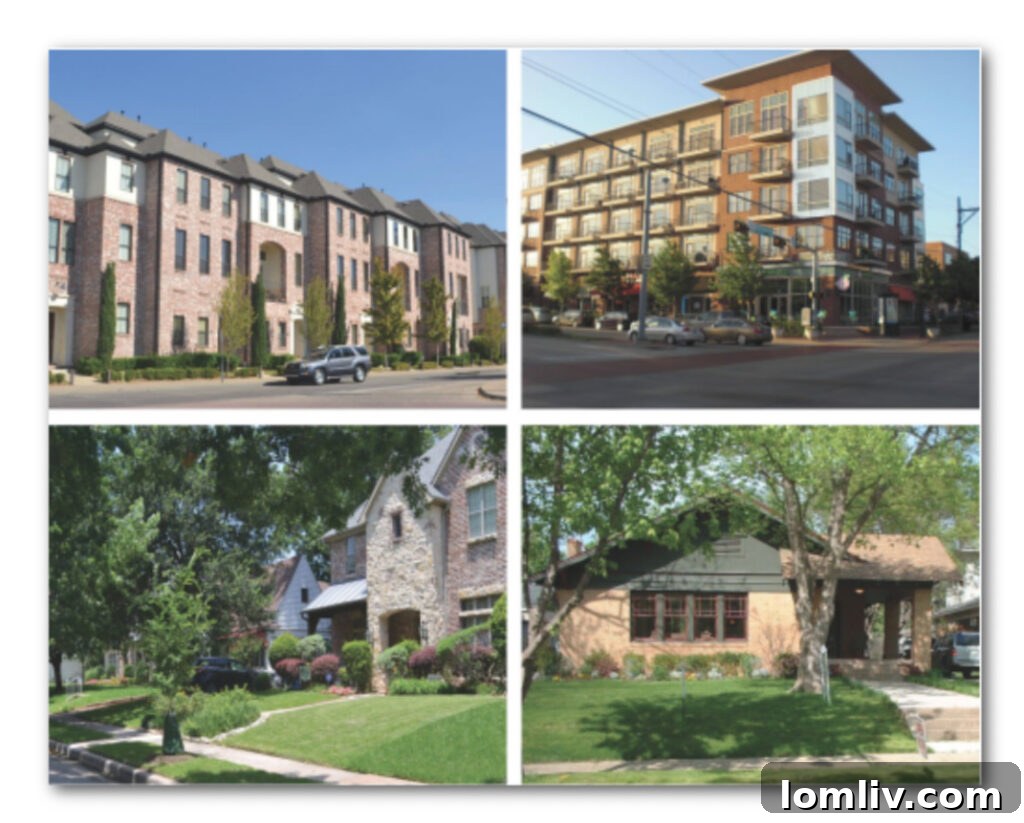
Crucially, Noguera highlighted the compelling necessity for “a variety of product types that meet the market demands.” This expansive vision includes a broad and diverse range of housing options designed to suit different lifestyles, varying family sizes, and distinct financial capacities. He specifically listed an illustrative range of options: “tiny homes, modular homes, condos, townhomes, apartments, single-family detached, and luxury homes.” This comprehensive list reflects a modern and sophisticated understanding of urban housing, acknowledging the growing appeal and inherent necessity of innovative solutions such as tiny homes and modular constructions, alongside more traditional and perennial housing options. Furthermore, these diverse housing offerings are required “for current and future residents who choose to live in northern or southern parts of the city.” This critical geographic consideration is vital, as specific housing needs, market dynamics, and cultural preferences can differ significantly across different regions and neighborhoods within Dallas. By proactively providing a truly diverse array of housing options in various strategic locations, the city aims to comprehensively cater to the evolving demands and aspirations of its entire population, promoting sustainable growth, and ensuring that Dallas remains an attractive, equitable, and highly livable city for all who choose to call it home, thereby strengthening the overall Dallas real estate market for generations to come.
Setting a New Standard: Dallas’s Vision for Housing Policy Leadership
As the insightful conversation drew to a close, David Noguera offered a compelling and inspiring final thought, encapsulating the ambitious vision for Dallas’s revised Comprehensive Housing Policy. His concluding remarks powerfully underscored the inherently dynamic nature of policy development and the profound, far-reaching impact it can wield on a city’s future trajectory. “Policy development is an evolutionary process that needs to be responsive to all residents,” he stated, highlighting the ongoing, imperative need for adaptability, flexibility, and deep inclusivity in modern urban planning. A truly successful and sustainable policy is never static; it must continuously evolve alongside the city itself, relentlessly responding to the ever-changing demographics, fluctuating economic conditions, and the diverse social needs of its remarkably diverse population.
Noguera then meticulously laid out a clear and actionable framework for how Dallas’s housing efforts should be strategically directed moving forward: “Our work in housing should be directed by our City’s comprehensive plan, in coordination with other city policies, and implemented through a racial equity lens.” This triple mandate is not only critical but also foundational to the policy’s success. First, ensuring robust alignment with the city’s broader comprehensive plan guarantees that housing initiatives are fully cohesive and synergistic with overall urban development goals. Second, close coordination with other relevant city policies prevents fragmentation, avoids duplication of efforts, and actively fosters powerful synergistic endeavors across various departments and agencies. Third, and perhaps most paramount, the implementation “through a racial equity lens” dictates that every single decision and initiative is rigorously scrutinized for its potential impact on equity, with the explicit aim of rectifying historical injustices and proactively preventing the emergence of new disparities. This unwavering commitment to an integrated, equitable, and forward-looking approach positions Dallas not merely to effectively solve its own existing housing challenges but to truly emerge as a global leader in urban housing policy. Noguera concluded with an exceptionally inspiring outlook: “If we can achieve this standard, Dallas will become the model that other major cities follow.” This bold and visionary statement positions Dallas at the absolute forefront of progressive urban housing policy, aiming to set a new, exemplary benchmark for other metropolitan areas grappling with similar challenges and striving for genuinely equitable and sustainable growth for all their citizens.