By CJ Gresh
Special Contributor
Preserving Dallas’s Heritage: The Urgent Threat to Oak Cliff United Methodist Church
Dallas, a city that prides itself on progress and innovation, is once again facing a critical challenge to its historical integrity. The venerable Oak Cliff United Methodist Church, a cherished landmark woven into the very fabric of the city’s past, stands on the precipice of potential demolition. This isn’t merely the fate of an old building; it represents a profound threat to Dallas’s rich cultural legacy, particularly its vibrant Black history. The question echoes through the community: why do we so often falter in our commitment to honor and preserve our history?
For over a century, the Oak Cliff United Methodist Church has been more than just a place of worship; it has been a community anchor, an architectural marvel, and a silent witness to generations of Dallas life. Now, this distinguished edifice faces an existential threat, caught in the devastating grip of “demolition by neglect.” This article aims to illuminate the church’s deep historical roots, shed light on the current crisis, and passionately advocate for the vital importance of safeguarding such irreplaceable landmarks for the benefit of future generations.
From Hopeful Visions to Neglect: The Church’s Recent Predicament
The story of the Oak Cliff United Methodist Church took a promising turn in 2019 when Daltxrealestate.com brought forward exciting possibilities for its future. Discussions centered around innovative adaptive reuses for the property, suggesting a new era for the historic structure. At that time, the church was part of Victor Ballas’s property portfolio, and there was palpable optimism about transforming it into a dynamic community asset. Adaptive reuse, a cornerstone of sustainable preservation, allows historic buildings to retain their intrinsic value and unique character while serving modern needs. Such visionary projects not only save architectural treasures from ruin but also inject renewed vitality into neighborhoods, fostering both economic prosperity and cultural enrichment.
However, the hopeful narrative soon gave way to a concerning reality. Public records from the Dallas Central Appraisal District (DCAD) indicate that the property was officially sold to GP LAVON DAVIS LLC in 2021. What followed was not the anticipated period of restoration or creative development, but rather a disheartening era of apparent neglect. Instead of embarking on a mission to preserve and repurpose this historic church, the new ownership has seemingly allowed it to fall into an alarming state of disrepair. This prolonged neglect has propelled the church to a critical juncture, jeopardizing its very existence and sparking urgent calls for intervention from Dallas’s dedicated preservation community.
The Devastating Impact of Demolition by Neglect
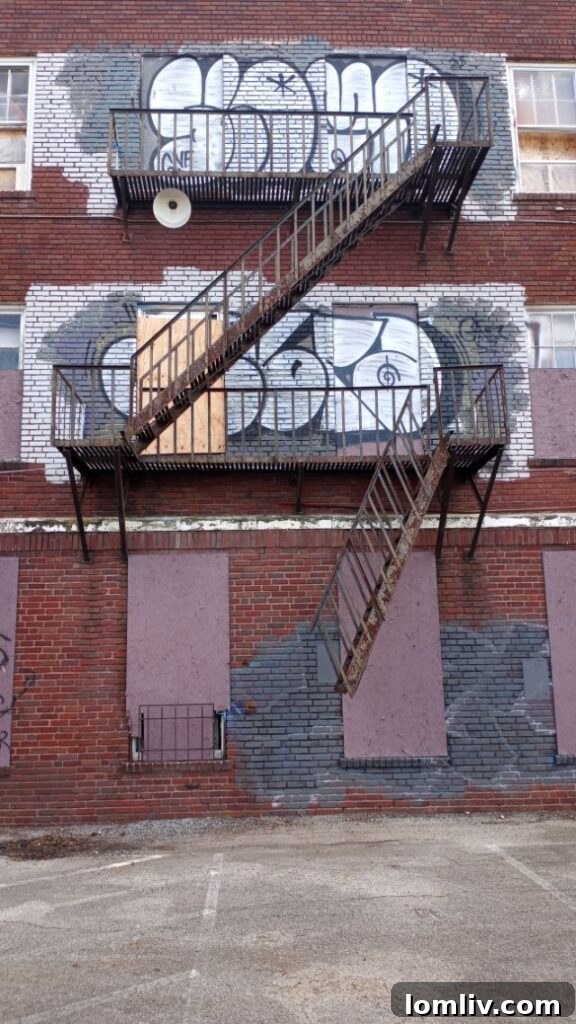
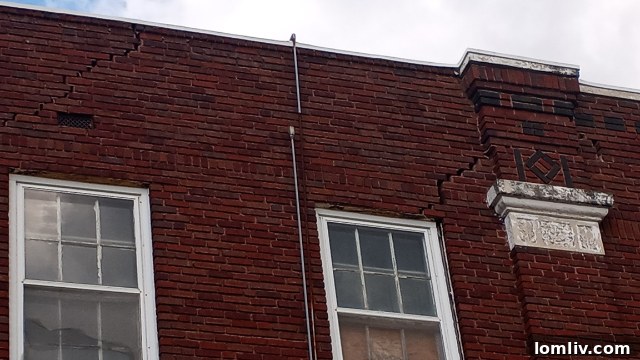
The precarious situation of the Oak Cliff United Methodist Church serves as a grim illustration of “demolition by neglect.” This insidious process describes the slow, destructive deterioration of a historic property due to a lack of proper maintenance and upkeep by its owner. Whether intentional or unintentional, this inaction leads to irreversible damage, structural failure, or eventual collapse. It is a profound irony when a building granted landmark protection is lost not to a wrecking ball, but to the corrosive forces of indifference and decay. The consequences are far-reaching: compromised structural integrity, exposure to harsh environmental elements, rampant vandalism, and, ultimately, the irreplaceable loss of a valuable historical asset.
This urgent matter is scheduled for review by the Dallas Landmark Commission on Monday, October 4th. Those seeking detailed information can find it outlined on page 13, item 5, of the official meeting agenda, with proceedings commencing promptly at 1:00 p.m. This upcoming meeting is poised to be a pivotal moment, as the commission will weigh options that could determine the fate of the church—either paving the way for crucial intervention or resigning it to continued, irreversible degradation.
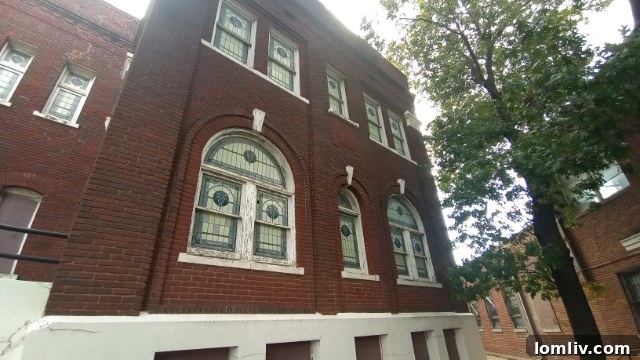
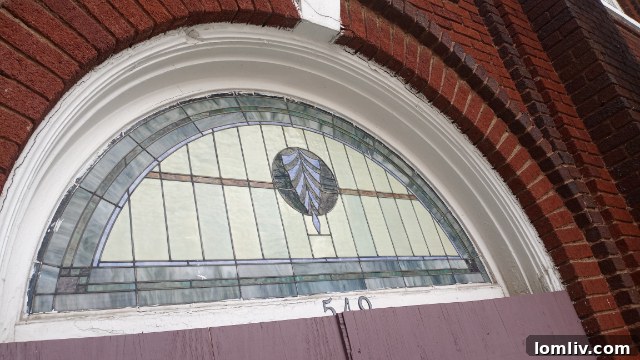
Remarkably, the extent of the church’s plight came to widespread public attention through an unconventional source: a 14-minute YouTube video chronicling an urban explorer’s unauthorized journey through the decaying structure. While urban exploration often involves controversial aspects concerning property access and safety, in this specific instance, the video inadvertently functioned as a powerful public service announcement. It offered a raw, unfiltered look at the extensive damage and disrepair, showcasing both the lingering beauty of its original features—such as the still-intact stained glass windows—and the shocking realities of neglect, including widespread graffiti and significant structural compromise. This compelling visual evidence undeniably sparked widespread community concern and underscored the critical need for immediate action, reaching an audience that traditional reporting might not have engaged as effectively.
A Deep Dive into History: The Enduring Legacy of Oak Cliff United Methodist Church
The Oak Cliff United Methodist Church is far more than an old building; it is a profound repository of Dallas history, twice recognized for its exceptional significance. Constructed in 1915, it proudly holds both a Texas Historic Landmark designation, granted in 1999, and a distinguished Dallas Landmark status, bestowed in 2004. The official city ordinance, dated December 7, 2004, formally establishes its protected status, with further details readily available on the City of Dallas website. The comprehensive landmark nomination form, meticulously compiled by esteemed local historian and preservation planner Jim Anderson, meticulously details the church’s architectural splendor and immense cultural importance.
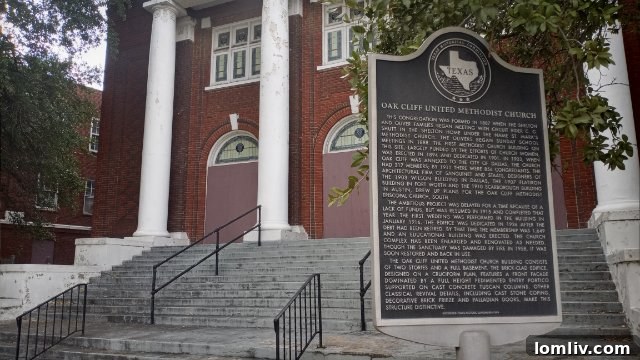
The historical marker prominently displayed at the site eloquently chronicles the church’s remarkable journey:
“This congregation was formed in 1887 when the Shelton and Oliver families began meeting with circuit rider C. G. Shutt in the Shelton home under the name St. Mark’s Methodist Church. The Olivers began Sunday School meetings in 1888. The first Methodist church building on this site, largely funded by the efforts of church women, was erected in 1894 and dedicated in 1901. In 1903, when Oak Cliff was annexed to the city of Dallas, the church had 317 members; by 1911, there were 856 congregants. The architectural firm of Sanguinet and Staats, designers of the 1903 Wilson Building in Dallas, the 1907 Flatiron Building in Fort Worth, and the 1910 Scarborough Building in Austin, drew up plans for the Oak Cliff Methodist Episcopal Church, South. The ambitious project was delayed for a time because of a lack of funds but was resumed in 1915 and completed that year. The first wedding was performed in the building in January 1916. The edifice was dedicated in 1926 after the debt had been retired. By that time, the membership was 1,649, and an educational building was erected. The church complex has been enlarged and renovated as needed. Though the sanctuary was damaged by fire in 1958, it was soon restored and back in use. The Oak Cliff United Methodist church building consists of two stories and a full basement. The brick-clad edifice, designed on a cruciform plan, features a front facade dominated by a full-height pedimented entry portico supported on cast concrete Tuscan columns. Other classical revival details, including cast stone coping, decorative brick frieze, and palladian doors, make this structure distinctive. Recorded Texas Historic Landmark – 1999”
This comprehensive historical account vividly portrays the church’s enduring resilience and its pivotal role in shaping the spiritual and social fabric of Oak Cliff. From its humble origins as St. Mark’s Methodist Church, evolving from intimate gatherings in a private home to a flourishing congregation exceeding 1,600 members, the church’s trajectory closely mirrored the dynamic growth and transformation of the wider Oak Cliff community. The involvement of the acclaimed architectural firm Sanguinet and Staats, renowned for designing other iconic Texas structures, underscores the initial grandeur and significance of this edifice. Its distinctive classical revival style, characterized by a majestic pedimented portico and robust Tuscan columns, stands as a magnificent testament to the architectural trends of the early 20th century, adding unparalleled character to the Dallas skyline. Even in the face of adversity, such as the devastating fire damage in 1958, the community demonstrated unwavering commitment, rallying together to meticulously restore its cherished sanctuary, a testament to its profound importance.
Beyond its architectural grandeur, the church served as an indispensable community hub, particularly vital for the burgeoning Oak Cliff area, which has historically embraced diverse populations. While the historical marker does not explicitly detail the church’s specific contributions to Black history, its geographical location and the broader historical context of the United Methodist Church (which, especially after its unification in 1968, has generally demonstrated greater inclusivity compared to some other denominations) strongly suggest a significant connection to the wider community, including its African American residents. Preserving this church is not merely about maintaining bricks and mortar; it is about honoring a collective memory, safeguarding a tangible link to generations who found spiritual solace, communal belonging, and profound inspiration within its hallowed walls. Its continued existence is a testament to the enduring power of faith and community in shaping Dallas’s rich and multifaceted heritage.
The Broader Imperative: Why Our Historic Landmarks Truly Matter
The grave peril facing the Oak Cliff United Methodist Church transcends the fate of a single building; it symbolizes a much larger, ongoing battle for the very soul of our urban landscapes. Historic preservation is not simply an act of saving old structures; it is a profound commitment to protecting our collective memory, nurturing a distinct sense of place, and fostering truly sustainable communities. Each landmark serves as a powerful storyteller, offering invaluable insights into the lives, struggles, and triumphs of those who paved the way for us. When such structures are irrevocably lost, entire chapters of our shared history risk being erased forever, diminishing our understanding of who we are and where we come from.
On an economic front, historic preservation has consistently proven to be a robust engine for revitalization. The meticulous restoration and adaptive reuse of historic buildings can significantly stimulate local economies through the creation of skilled jobs, increased property values in surrounding areas, and the promotion of heritage tourism, drawing visitors who seek authentic historical experiences. Culturally, these landmarks provide tangible, invaluable connections to our past, profoundly enriching our present and providing critical guidance for our future. They offer unique and evocative spaces for community gatherings, diverse artistic expressions, and essential historical education, all contributing to the distinctive character and identity of a neighborhood. Environmentally, the preservation of existing structures is inherently sustainable, minimizing construction waste, conserving precious resources, and substantially reducing the carbon footprint typically associated with new development.
The potential loss of a landmark like the Oak Cliff United Methodist Church would be particularly devastating given its significant, albeit sometimes understated, role in Dallas’s Black history. Communities thrive when their heritage is not only acknowledged but celebrated and meticulously maintained. The neglect or outright destruction of sites of historical significance, especially those intrinsically linked to minority communities, represents an irreversible loss of cultural identity and an erasure of narratives that are absolutely essential to remember and honor. Such losses convey a disheartening message that certain histories are devalued, thereby undermining broader efforts to cultivate a truly inclusive, equitable, and historically conscious society.
Envisioning a Resilient Future: Adaptive Reuse and Powerful Community Engagement
Instead of asking “what do we do with an empty church?”, the more constructive question is “how can we best empower this historic structure to once again serve its community with renewed purpose and vibrancy?” The pathway of adaptive reuse offers a compelling and sustainable answer. Rather than succumbing to demolition, often perceived as the easiest but ultimately most destructive option, envisioning innovative new purposes for old buildings can lead to truly remarkable transformations. Historic churches, with their grand, often awe-inspiring spaces and distinctive architectural styles, are uniquely suited for a myriad of new roles. They can be reimagined as vibrant arts and cultural centers, unique residential lofts, dynamic co-working spaces, or even much-needed community service hubs providing essential resources to the neighborhood. Imagine the Oak Cliff United Methodist Church reborn as a bustling performance venue, an inspiring gallery showcasing local artists, elegant affordable housing units, or a versatile multi-purpose community center enriching the lives of local residents.
A comprehensive review of county property records, which details past deeds, various liens, and the previous removal of Deed Restrictions by the UMC, highlights the complex layers of ownership and legal intricacies that often surround such properties. Navigating these complexities typically demands dedicated advocacy and innovative solutions from both city officials and engaged community stakeholders. The compelling findings of “demolition by neglect” further intensify the situation, placing immense pressure on decision-makers to act with both urgency and conviction. The ultimate fate of this Dallas treasure, encompassing specific portions of Lots 4 and 7, and all of Lots 5 and 6, Block 107-3090, within the Original Town of Oak Cliff, profoundly depends on the collective willingness of all involved parties to collaborate effectively for its preservation.
Robust community engagement is absolutely paramount in these preservation endeavors. Preservation groups, dedicated local residents, passionate historical societies, and responsive city authorities must collaborate seamlessly to explore every viable alternative to demolition. Public awareness campaigns, strategic fundraising initiatives, and open, constructive dialogues are crucial in mobilizing widespread support and effectively demonstrating to property owners and developers that these historic structures possess immense value far beyond their immediate real estate potential. Successfully saving the Oak Cliff United Methodist Church would send an unequivocal and powerful message: that Dallas deeply values its heritage, profoundly respects its past, and is unreservedly committed to fostering a sustainable, culturally rich future for all its residents, a future built on the foundations of its unique history.
A Resounding Call to Action: Safeguarding Our Collective Heritage
The destiny of the Oak Cliff United Methodist Church now hangs precariously in the balance, representing a critical test of Dallas’s unwavering commitment to its invaluable historic assets. The stark findings of “demolition by neglect” cast a long, foreboding shadow over this architectural and cultural jewel. Will Dallas stand idly by and allow yet another irreplaceable piece of its profound history, particularly one so deeply intertwined with the multifaceted development and rich diversity of the Oak Cliff community and its significant Black history, to tragically crumble into dust? Or will the city rise decisively to this momentous occasion, finding truly innovative and sustainable solutions to diligently preserve and thoughtfully repurpose this magnificent structure?
The time for hesitation and inaction has unequivocally passed. The Dallas Landmark Commission meeting on October 4th is not merely a scheduled event; it is a crucial juncture that demands decisive action. It is absolutely imperative for concerned citizens, dedicated preservationists, and visionary city leaders to vocally advocate for the church’s preservation, diligently exploring every conceivable avenue for adaptive reuse and ensuring rigorous accountability for its present state of disrepair. Let us collectively champion a future where historic landmarks like the Oak Cliff United Methodist Church are no longer perceived as burdensome liabilities, but are celebrated as invaluable assets—living, breathing testaments to our profound past, vibrant and essential contributors to our present, and enduring, inspiring legacies for countless generations to come. We must critically examine ourselves and ask: what kind of history are we truly willing to protect, and what are we willing to carelessly let be destroyed, forever diminishing our shared human story?

CJ Gresh is a longtime and insightful observer of Dallas City Hall proceedings. As an honorably discharged United States Marine photographer and videographer, Gresh gained extensive international experience through deployments across Asia, North and West Africa, Europe, and the Caribbean. Following dedicated military service, Gresh’s distinguished career has included significant contributions in the fields of technology, management, and consulting.