Embracing the Best of Both Worlds: A Comprehensive Guide to Living in Unincorporated Areas of the Dallas-Fort Worth Metroplex
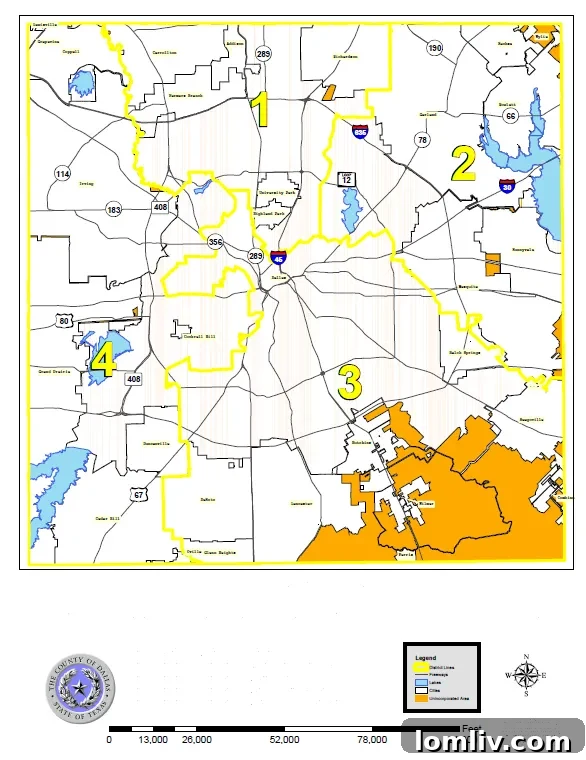
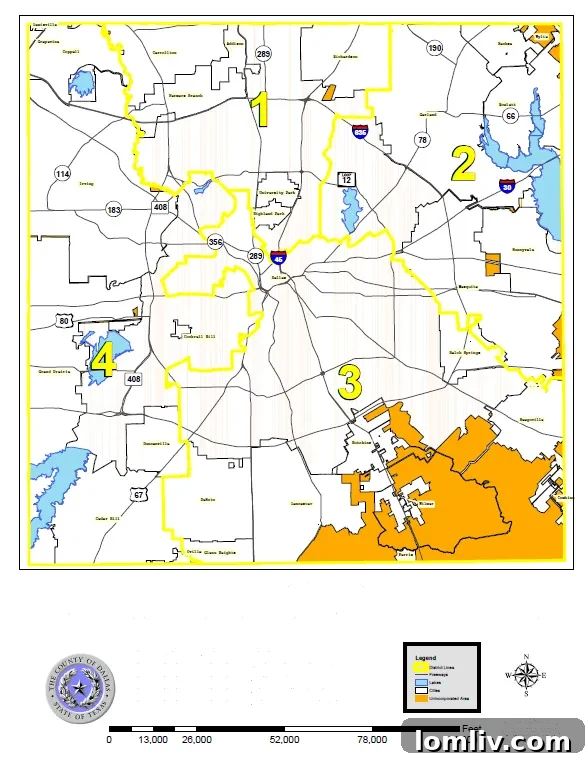
The allure of the Dallas-Fort Worth (DFW) Metroplex is undeniable, drawing millions with its robust economy, diverse culture, and vibrant communities. However, not all residential experiences within this sprawling region are created equal. A unique and increasingly popular choice for many homebuyers and residents involves settling in an unincorporated area, a distinctive lifestyle that positions your property and community under the direct management of a county government, rather than a specific municipality. This arrangement, common across Texas counties such as Dallas, Tarrant, Collin, and Denton, presents a fascinating blend of advantages and disadvantages that warrant careful consideration before making your move.
Unlike properties within city limits, residences in unincorporated areas operate under a different set of rules, often characterized by lower property tax burdens, greater flexibility in zoning and land use, and less stringent building codes. While these benefits offer significant appeal, they are typically balanced by a more limited array of city-provided services, including police, fire protection, and waste collection, which are instead managed at the county level or through specialized districts. Understanding the fundamental differences between municipal and county governance in Texas is paramount to appreciating the nuances of this lifestyle and determining if it aligns with your personal and financial goals.
What Defines Unincorporated Living in DFW? Your Essential Guide
Living beyond the official boundaries of any incorporated city in the DFW Metroplex means stepping into a world governed predominantly by the county. This distinction profoundly shapes everything from your property’s potential to the daily services you receive. Here’s a detailed look at what to expect:
- Governance & County Oversight: Navigating Local Authority
In an unincorporated area, cities have no direct jurisdiction. Instead, county governments—like those in Dallas County, Tarrant County, Collin County, and Denton County—assume responsibility for most administrative functions, regulations, and public services. This includes everything from maintaining county roads to providing law enforcement. While cities have their own specific ordinances, unincorporated areas follow county-level statutes and state laws, which can offer a broader scope of freedom in many aspects of property ownership and development. Understanding the specific departments and contact points within your county’s administration is crucial for residents in these areas, as they become your primary point of governmental interaction. - Services & Public Utilities: A Self-Sufficient Approach
One of the most significant distinctions of unincorporated living is the structure of essential services. Unlike city dwellers who often benefit from municipal water, sewer, and waste collection systems, residents in unincorporated DFW might need to manage their own private infrastructure. This often entails installing and maintaining a septic system for wastewater and a well for potable water. Both systems require initial permits and regular maintenance to ensure proper functioning and compliance with Texas Commission on Environmental Quality (TCEQ) standards. Regular inspections and upkeep, though an added responsibility, offer a greater degree of control over your utility sources. Waste disposal typically involves contracting with private trash collection services, as county governments do not universally provide this amenity. For critical emergency services, law enforcement is provided by the county sheriff’s office, and fire protection by a volunteer fire department or an Emergency Services District (ESD). While these services are dedicated, response times and coverage areas might differ from those within densely populated city limits, necessitating a proactive approach to home safety and preparedness. - The Financial Landscape: Taxes, Costs, and Special Districts
The financial incentives are often a primary driver for choosing an unincorporated lifestyle. Property taxes in these areas are frequently lower than those levied by incorporated cities, as residents are not paying for the full spectrum of municipal services. This can translate into significant long-term savings for homeowners. However, it’s essential to understand that lower base property taxes do not mean an absence of additional fees. Many unincorporated communities are served by special districts, such as Municipal Utility Districts (MUDs) for water and sewer, or Emergency Services Districts (ESDs) for fire and ambulance services. These districts collect their own property taxes or fees to fund their operations, which are distinct from county property taxes. While these fees contribute to essential services, they are typically less comprehensive than a full city tax levy, still resulting in a net financial advantage for many residents. Potential buyers should always research all applicable tax rates and district fees for any specific property of interest. - Zoning Flexibility & Building Codes: Unleashing Property Potential
For those who dream of customizing their property, engaging in unique agricultural ventures, or simply desiring more space and fewer restrictions, unincorporated areas offer unparalleled freedom. These regions generally operate under fewer zoning restrictions and more lenient building codes compared to their city counterparts. This flexibility can allow for a wider variety of land uses, such as keeping livestock, building secondary structures like workshops or guest houses, or even operating certain home-based businesses that might be prohibited within city limits. The process for obtaining building permits and navigating construction projects can often be less bureaucratic, potentially saving time and resources. This environment fosters innovation and personal expression in property development, enabling homeowners to truly design a space that reflects their vision without the stringent oversight sometimes found in urbanized areas. - Community Identity & Lifestyle: Embracing a Unique DFW Experience
Life in an unincorporated part of DFW often cultivates a strong sense of community rooted in local traditions and shared values. These areas can vary from sparsely populated rural landscapes to burgeoning suburban enclaves on the edge of major cities like suburban Plano or Frisco. The lifestyle tends to be more tranquil, offering a respite from the hustle and bustle of city life, with greater privacy and often more expansive land parcels. Neighbors often rely on each other, fostering closer bonds and a more hands-on approach to local issues. This can mean a slower pace of life, a stronger connection to the natural environment, and a distinct character that reflects the everyday realities of Texas county living. For many, this unique blend of rural charm and proximity to DFW’s amenities represents the ideal balance.
Navigating the Challenges and Planning Ahead in Unincorporated DFW
While the benefits are numerous, it’s important to acknowledge and prepare for potential challenges associated with unincorporated living. The trade-off for increased flexibility and lower taxes can sometimes include fewer public amenities. For example, sidewalks may be scarce or non-existent, public transportation options are typically limited, and street lighting can be minimal. Access to certain municipal services, like libraries or parks, might require traveling into an adjacent city, and you may not have voting rights in city elections that affect those services even if you use them regularly.
Another crucial consideration is the potential for future annexation. As DFW continues its rapid growth, unincorporated areas, especially those bordering existing cities, may eventually be targeted for annexation. When an area is annexed, it becomes part of the adjacent city, gaining municipal services but also adopting city ordinances, zoning laws, and municipal property taxes. While Texas law has provisions for property owner input and sometimes limits on involuntary annexation, it remains a long-term possibility for many unincorporated parcels, and it’s a factor prospective buyers should research and understand.
Furthermore, relying on private utility systems like wells and septic tanks demands a certain level of homeowner responsibility and budgeting for maintenance. While many residents appreciate the independence, these systems require periodic inspection, pumping, and potential repairs that are not typically covered by a monthly utility bill in the same way city services are. Researching reputable local contractors for these services is a wise step.
Making an Informed Decision: Is Unincorporated DFW Right for You?
The decision to live in an unincorporated area of the Dallas-Fort Worth Metroplex is a highly personal one, contingent on individual priorities, lifestyle preferences, and financial considerations. It offers a distinct path for those seeking greater autonomy over their property, a connection to a more community-focused lifestyle, and potential financial savings through reduced property taxes. However, it also demands a proactive approach to managing services, understanding county governance, and being aware of potential future developments like annexation.
Ultimately, unincorporated areas often provide a unique blend of rural tranquility and accessible urban amenities, making them an appealing choice for a diverse group of residents. Whether you’re an aspiring homesteader, a small business owner seeking operational flexibility, or simply someone desiring more space and privacy, exploring the unincorporated regions of Dallas, Tarrant, Collin, and Denton Counties could uncover your ideal DFW living experience. For more specific information regarding the responsibilities and services provided by Dallas County in its unincorporated territories, please refer to the official Dallas County website.