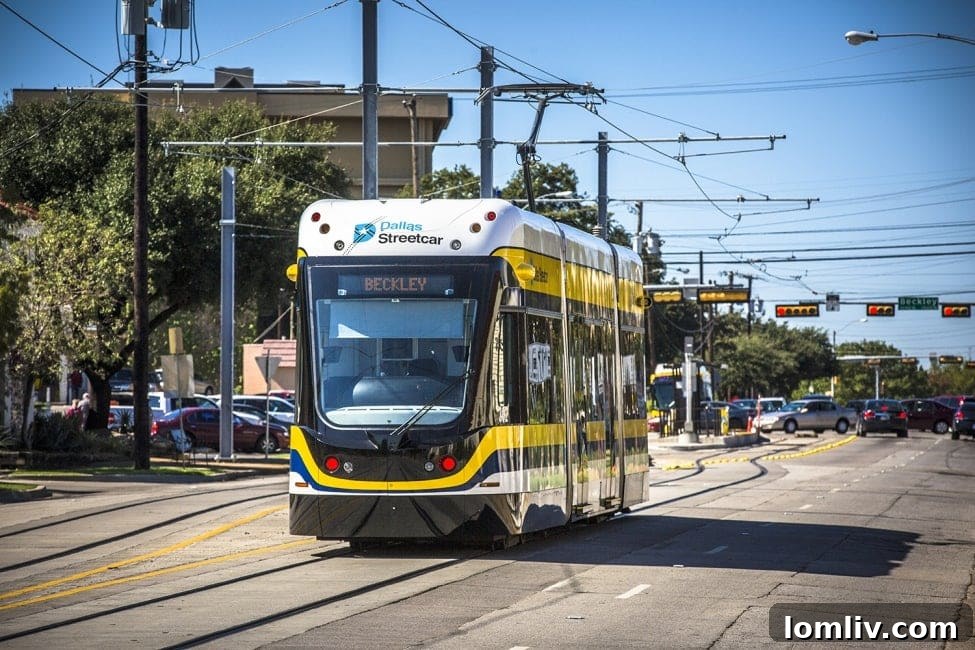
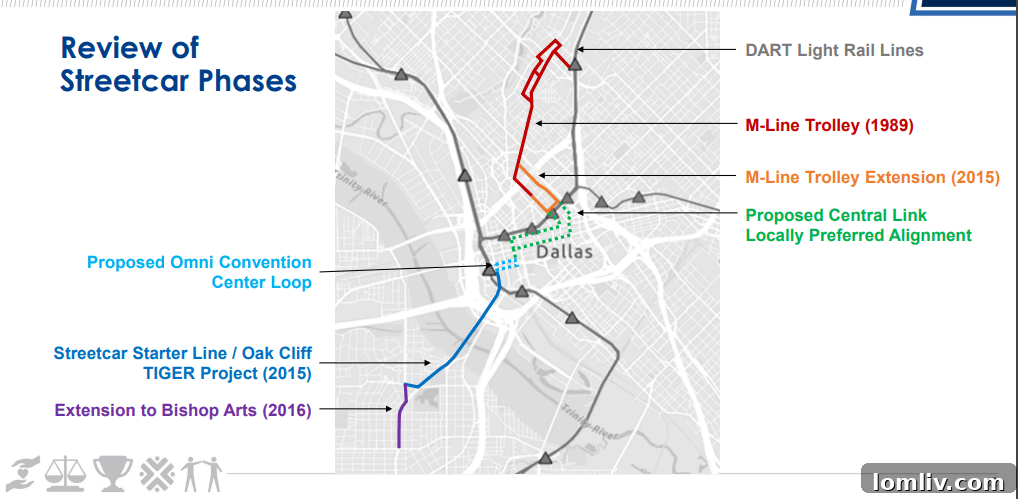
Dallas, a city continuously striving for enhanced urban connectivity, is actively pursuing a ambitious vision to revolutionize its public transit landscape. Central to this vision is the “Central Link” streetcar extension, a critical project designed to seamlessly connect the existing Oak Cliff Modern Streetcar with the historic McKinney Avenue Trolley through the bustling heart of downtown Dallas. While the potential benefits of this integrated transit system are vast, the project faces significant financial hurdles, notably an estimated $108 million in capital costs, compounded by the intricate challenge of securing sustainable funding for its ongoing maintenance and operations.
City officials have acknowledged the availability of federal grant funding, which could potentially offset a portion of the substantial capital investment required for the Central Link’s construction. However, they underscore the necessity for comprehensive further studies to pinpoint precise costs and explore all viable funding avenues. The journey to a fully integrated streetcar network in Dallas has been a focal point of urban planning efforts for nearly two decades, reflecting a long-standing commitment to improving accessibility and fostering economic growth within the city’s dynamic core.
Unifying Dallas’s Urban Core: The Vision Behind the Central Link Streetcar
For years, Dallas has envisioned a cohesive and efficient public transportation system that serves its rapidly growing population and vibrant business districts. The Central Link streetcar extension is more than just a transit line; it represents a crucial step towards realizing this decades-long ambition. Currently, the Oak Cliff Modern Streetcar and the McKinney Avenue Trolley operate as distinct, somewhat isolated systems. The Central Link aims to bridge this gap, creating a continuous loop that enhances mobility, reduces traffic congestion, and provides a sustainable alternative for daily commuters and tourists alike.
Dallas Director of Transportation Gus Khankarli recently provided an update to the City Council, highlighting the city’s complex financial relationship with Dallas Area Rapid Transit (DART) and the inherent challenges in financing such a large-scale infrastructure project. Despite these complexities, the strategic importance of the Central Link remains undisputed among its proponents. A connected streetcar system is not merely a convenience; it is seen as a catalyst for urban development, boosting property values, supporting local businesses, and creating a more walkable and livable downtown environment. The project promises to unlock the full economic potential of Dallas’s urban core by linking key residential, commercial, and entertainment hubs with ease and efficiency.
Collaborating for Connectivity: Downtown Dallas Inc.’s Pivotal Role
Realizing the profound impact of a fully integrated streetcar system, city staff have engaged in ongoing discussions with Downtown Dallas Inc. (DDI), a key advocacy group dedicated to the revitalization and economic prosperity of downtown. Gus Khankarli emphasized that connecting the existing incomplete system is “critical to realizing the full economic impact of the streetcar.” This sentiment resonates deeply with DDI, which views the Central Link as an indispensable piece of Dallas’s future infrastructure.
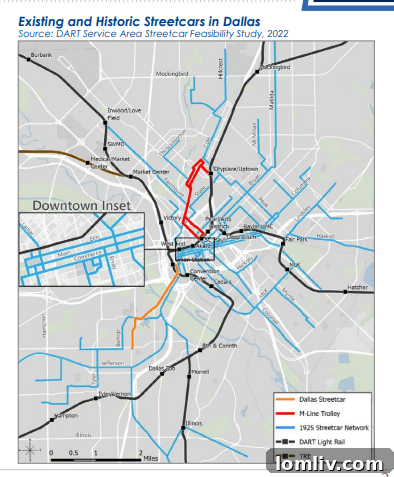
Council members across various districts have voiced a strong desire to extend the streetcar network beyond the Central Business District (CBD), recognizing the need for broader urban connectivity. However, as Khankarli noted, progress on these ambitious expansion routes is contingent upon resolving the Central Link’s alignment and, more critically, securing a sustainable funding model for its ongoing operations and maintenance (O&M). The interconnectedness of these challenges underscores the comprehensive planning required before any further expansion can commence.
District 14 Councilman Paul Ridley, whose district encompasses a significant portion of downtown, initiated the Central Link briefing alongside District 2 Councilman Jesse Moreno. Councilman Ridley articulated the urgency, stating, “In light of the increased population in the [Central Business District], I think it’s critical that we move forward with plans for the Central Link.” This highlights the growing pressure to adapt Dallas’s infrastructure to its dynamic demographic shifts.
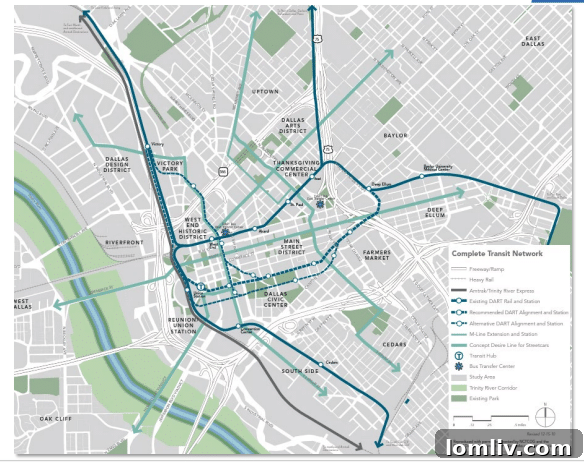
Evan Sheets, Vice President of Planning and Policy for DDI, reiterated the steadfast support from downtown stakeholders. He acknowledged the lengthy planning processes and numerous expansion iterations over the years but emphasized that “We see Central Link as a critical part of a completed system that sees the true value of streetcar ultimately come forward to the city, a source to find sustainable ongoing operations and maintenance funding.” Sheets stressed that without a completed system, the full potential of the streetcar – including its economic benefits and the possibility of future network expansions into additional neighborhoods – cannot be fully realized. This perspective underscores DDI’s conviction that the Central Link is foundational to Dallas’s broader transit aspirations.
Financing the Future: Securing Sustainable Funding for the Central Link Streetcar
The core challenge facing the Central Link project extends beyond the initial capital expenditure; it lies in establishing a robust and sustainable funding mechanism for its long-term maintenance and operations. Gus Khankarli candidly admitted that the city has yet to conduct a thorough study on how to finance these critical ongoing costs. Given that the city will be the owner of the system, he suggested that Dallas might have to take the lead in analyzing potential O&M funding models, albeit in close coordination with all relevant stakeholders.

Evan Sheets of DDI has actively researched how other major cities successfully fund similar public transit projects, bringing valuable insights to the table. He highlighted several potential revenue sources, including increased parking revenue generated through parking benefit districts and funds from premier zones within public improvement districts. Sheets elaborated on discussions with Khankarli’s team, emphasizing the urgent need for “a thorough technical analysis of those tools and financial projections put together to understand how they could cover those costs long-term and ultimately have a sustainable model.” The aim is to create a financial framework that not only supports the Central Link’s O&M but also serves as a replicable model for future streetcar extensions, ensuring the entire network’s financial viability.
To move this critical financial analysis forward, Sheets expressed the desire for a consensus from the City Council to empower Khankarli to draft a request for proposals (RFP). This RFP would solicit bids from consultants specializing in public transit financing, enabling a dedicated expert to undertake the detailed study required to identify the most feasible and sustainable funding options for the Central Link. While the funding for such a consultant study was not extensively discussed, it remains another important aspect to be addressed in the project’s progression.
Navigating Transit Complexities: Council Members Raise Concerns
The discussion around the Central Link streetcar project also unveiled broader frustrations within the City Council regarding Dallas’s overarching transportation strategy and its relationship with DART. District 12 Councilwoman Cara Mendelsohn vehemently questioned the decision to remove the proposed “D2” light rail line from DART’s long-term plan without adequate input from the council. The D2 project was originally intended to alleviate overcrowding on the single existing DART rail line through downtown, a crucial component for the city’s future growth.
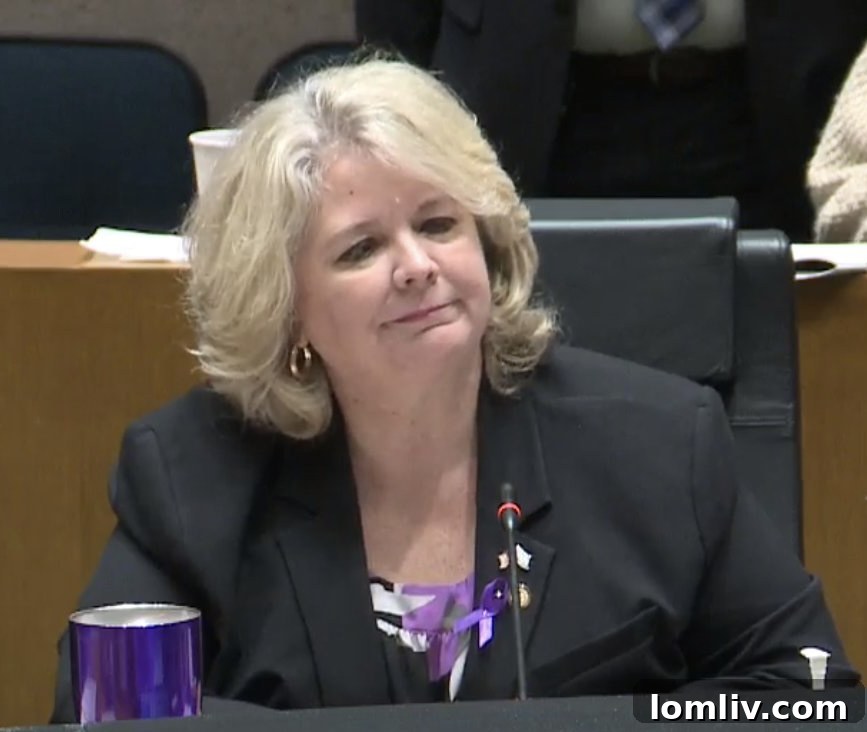
Mendelsohn highlighted that the City of Dallas contributes a substantial portion of its sales tax revenue to fund DART. Therefore, she argued, the city council should have been actively involved in, or at the very least, informed of such a significant decision that impacts millions of Dallas residents. She elaborated on the historical context, stating, “D2 was tied to the Silver Line. We essentially felt like we were giving up something, an enormous quality of life issue for our area, in order to benefit the rest of the city with D2. In the end, Dallas has been totally misled.” This sentiment reflects a deeper concern about transparency and the perceived prioritization of other regional projects over critical Dallas-centric infrastructure.
Assistant City Manager Robert Perez attempted to assuage these concerns, assuring the council that the D2 project is not definitively dead. He explained that it could be reincorporated into DART’s 20-year plan as easily as it was removed, attributing its removal to unmet ridership levels. However, Mendelsohn pointed out the city’s current fiscal commitment of $426 million to DART this year, questioning the logic of simultaneously discussing a completely new, separately funded transportation system like the streetcar extension. She asserted, “We should not be funding additional transportation expenses that clearly were intended 40 years ago when we made this arrangement.” This highlights a fundamental tension between historical agreements, current spending, and future transit ambitions.
Deputy Mayor Pro Tem Carolyn King Arnold offered another critical perspective, emphasizing the practical needs of her constituents. She stated that her community primarily seeks clean and safe modes of transportation, raising questions about the perceived priority of streetcar expansion. While acknowledging that “The streetcars are cute,” Arnold emphasized, “it’s not just about me. It’s about the people in my community. Can they get where they need to go with a good bus? I would say so. I’m not being inundated with a cry to put in streetcars.” Her comments underscore the importance of balancing ambitious urban development projects with the immediate, tangible transportation needs of diverse communities across Dallas.
Charting the Course: The Path Forward for Dallas’s Integrated Transit
The two-hour briefing concluded with Gus Khankarli committing to present a “robust plan” to the council. This comprehensive plan is expected to meticulously outline the Central Link’s technical components, provide initial cost estimates, and propose various funding options, thereby addressing many of the concerns raised during the session. The forthcoming plan will be crucial in building consensus and determining the definitive path forward for this pivotal transit project.
Councilman Moreno, a key advocate who, along with Councilman Ridley, requested the briefing, reiterated the imperative to advance the streetcar project. He passionately articulated its potential impact, stating, “Downtown is bustling and hustling more than ever before. This is a tool that’s not only going to be used by the residents who live here, but it’s also going to be a big impact for our visitors.” His remarks underscore the belief that the Central Link is essential for accommodating the growth and vibrancy of downtown Dallas, serving both its permanent residents and the millions of visitors who contribute to the city’s dynamic economy.
As Dallas continues its journey towards a more connected and sustainable future, the Central Link streetcar extension stands as a symbol of its urban aspirations. Despite the complex financial and political challenges, the commitment to creating a more accessible and economically vibrant city through integrated public transit remains a top priority. The upcoming detailed plan and subsequent council deliberations will be critical in shaping the next chapter of Dallas’s evolving transportation narrative.