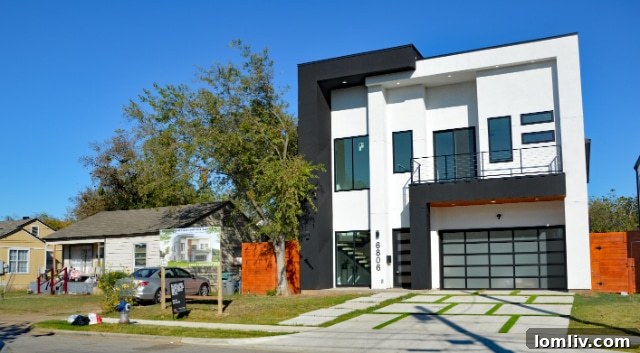
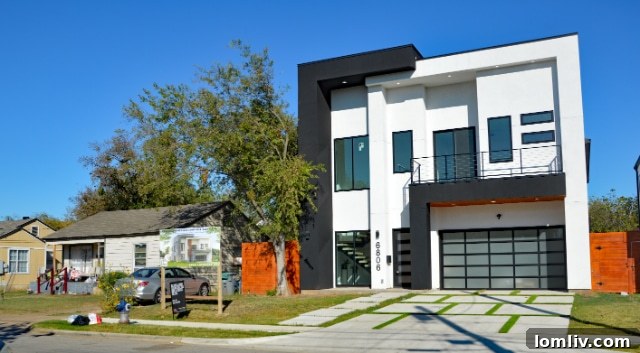
Dallas stands at a pivotal moment, grappling with the complex interplay of urban development, housing affordability, and community preservation. As the city experiences significant growth and redevelopment, ensuring that its long-term residents are not displaced by rising costs and changing neighborhoods has become a top priority. City officials and community leaders are actively working to refine an extensive arsenal of programs and policies designed to assist homebuyers and homeowners, specifically aiming to mitigate the adverse effects of displacement and gentrification.
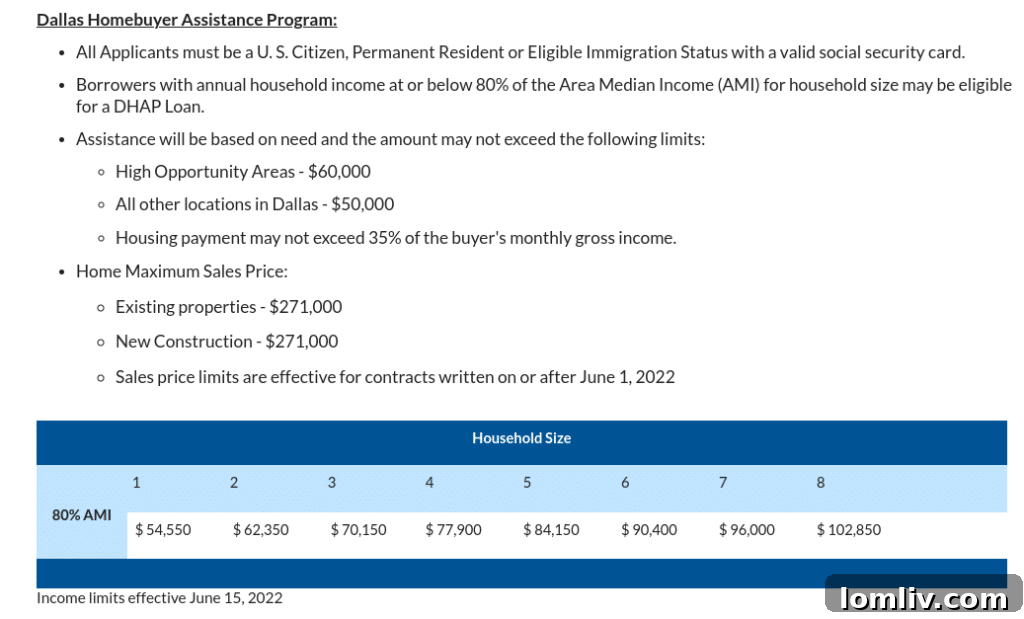
One of the most crucial instruments in Dallas’s toolkit is the Dallas Anti-Displacement Homebuyer Assistance Program (DHAP). This innovative initiative offers a lifeline to eligible residents, providing a forgivable loan of up to $50,000. To qualify, applicants must demonstrate continuous residency in Dallas for at least 10 years and have an annual household income ranging between 50 and 120 percent of the Area Median Income (AMI). This specific criterion underscores the program’s intent: to support legacy residents who are most vulnerable to being priced out of their homes and communities. The establishment of this program, including its targeted “DHAP 10” component, was solidified last month with an amendment to the city’s Comprehensive Housing Policy, signaling a robust commitment from city council members to address these pressing issues head-on.
District 11 Councilwoman Jaynie Schultz emphasized the broader vision behind DHAP, stating, “This is the beginning of a much larger strategy toward helping people who are being displaced because of redevelopment.” Her words highlight the understanding that this program is not just a standalone effort but a foundational piece of a comprehensive strategy to foster equitable growth across Dallas. Detailed information regarding the Dallas Homebuyer Assistance Program, including eligibility criteria, funding limits, and the application process, is readily available online, serving as a vital resource for prospective applicants.
Navigating Unnecessary Hurdles for Dallas Homeowners
While the intent behind programs like DHAP is commendable, their practical implementation often faces significant challenges, as voiced by community advocates. Kemeshia Richardson, a lifelong resident and secretary of the Elm Thicket/Northpark neighborhood association, acknowledged the value of these initiatives but also pointed out critical flaws. “We do appreciate the programs being made available, but a lot more needs to be done to keep up with the rate of development that’s going on in our city right now,” Richardson stated. She stressed the urgent need for greater flexibility within these assistance frameworks, asserting that without such adjustments, neighborhoods remain vulnerable to the relentless pace of urban transformation.
One of the most frequently cited barriers involves eligibility requirements for homeowner assistance programs. Many legacy residents in areas like Elm Thicket/Northpark reside in older homes that are susceptible to structural issues, such as foundation problems, often exacerbated by runoff from nearby new construction. However, a common prerequisite for qualifying for repair assistance is being current on property taxes. For lower to middle-income families, this presents an almost insurmountable hurdle. “When you’re dealing with lower to mid-income families, they’ve gotten behind on their property taxes. It takes a lot of money to get caught up,” Richardson explained. The paradox is stark: if a homeowner could afford to clear their property tax arrears, they likely wouldn’t need assistance for home repairs in the first place. This requirement inadvertently disqualifies many of the very families these programs are designed to help, perpetuating a cycle of deferred maintenance and further distress.

Furthermore, the temporal limitations of these programs add another layer of difficulty. Many initiatives operate with strict application windows, running for a specific period and not reopening until the subsequent year. This means residents facing urgent home repairs or financial crises must endure prolonged periods of living in substandard or unsafe conditions while awaiting the next application cycle. This lack of continuous availability makes it incredibly challenging for low-income residents to effectively plan for and access the support they desperately need. The call for more adaptable, year-round assistance programs is growing louder, reflecting a desire for policies that align more closely with the realities of homeowners’ lives.
The discussions surrounding these challenges are gaining traction within city council committees. District 14 Councilman Paul Ridley, during a recent meeting of the Housing and Homelessness Solutions Committee, expressed a keen interest in exploring how other major Texas cities, such as Austin and San Antonio, are effectively attracting affordable housing developments and implementing strategies to mitigate displacement and gentrification. “We’ve all known it’s been a problem for years, but there hasn’t been much discussion about how to cure it,” Ridley remarked, underscoring the urgency for Dallas to adopt and innovate best practices.
The Battle Against Gentrification in Elm Thicket/Northpark
Gentrification, a process where new investment floods a historically marginalized neighborhood, leading to rising property values, increased taxes, and a physical transformation that often displaces long-time residents, is a significant threat to Dallas’s diverse communities. Elm Thicket/Northpark in District 2 serves as a stark example of a community actively engaged in this fight. Area Redevelopment Manager Thor Erickson highlighted the city’s investment during a February council meeting, noting that $1 million has been specifically dedicated to DHAP10, projected to facilitate approximately 20 loans this year. City Manager T.C. Broadnax further reinforced the city’s commitment, announcing a total of $20 million allocated in this year’s budget for various equity-related projects.
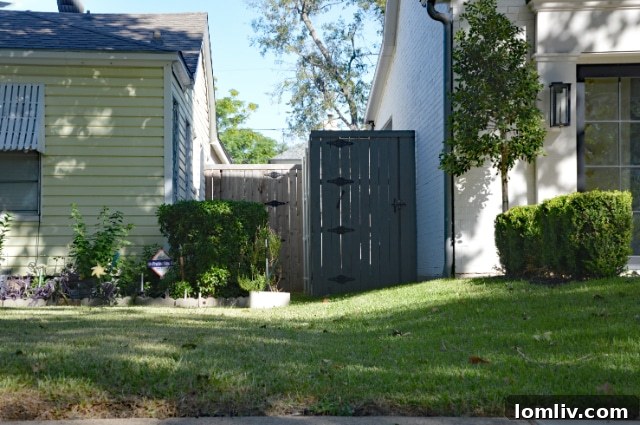
In recent years, property values in some Dallas neighborhoods have soared, often doubling or even tripling. This dramatic escalation directly translates to higher property taxes, placing immense financial strain on residents with fixed or modest incomes. It was this intense pressure that galvanized the residents of Elm Thicket/Northpark to organize and push back against the forces of gentrification. Their battle culminated in a significant victory in October when the Dallas City Council approved crucial rezoning changes. These changes, hard-won after years of advocacy, limit lot sizes and building heights, effectively curbing the construction of oversized “McMansions” that were rapidly altering the character of the established single-family subdivision.
Despite these strides, community outreach remains a critical gap. Kemeshia Richardson noted the lack of targeted community engagement in Elm Thicket/Northpark regarding the city’s home rehabilitation programs. While information is posted online and on social media, many senior residents lack Internet access or require personalized assistance to navigate the application process. This digital divide and lack of localized, hands-on support means that vital information and resources often fail to reach those who need them most. Richardson also observed that many of these programs appear to be more concentrated in the southern parts of Dallas, areas like Joppa, 10th Street, and West Dallas. She believes this geographic focus might be due to the city’s strategy to get “ahead of” gentrification in these areas where it is not yet as advanced as in Elm Thicket/Northpark, which has already seen considerable transformation.
District 2 Councilman Jesse Moreno, who represents Elm Thicket/Northpark, hailed the zoning changes as “a step in the right direction.” He clarified that these adjustments are not intended to halt development entirely but rather to create a more equitable and harmonious transition between existing legacy homes and newer constructions. “This is a compromise. This softens the transition from legacy homes to newer development. It is a chance to build out the neighborhood in an equitable manner for all residents,” Moreno affirmed. This sentiment aligns with measures like DHAP’s 10-year residency requirement, which specifically seeks to empower multi-generational Dallas families struggling to maintain their ancestral homes amidst the city’s economic evolution.
Richardson underscored another vital aspect for effective assistance: a household-by-household assessment rather than a blanket neighborhood approach. Given the stark economic disparities that often emerge in gentrifying areas, “you may have a low-income family living next to an affluent neighbor,” she explained. Tailored support ensures that resources are directed precisely where they are most needed, regardless of adjacent property values.
Builders of Hope: Shaping Dallas’s Future with an Anti-Displacement Toolkit
The City of Dallas Housing and Homelessness Solutions Committee recently received an encouraging progress report on the “Dallas Anti-Displacement Toolkit.” This initiative is being spearheaded by James Armstrong and Stephanie Champion of Builders of Hope, an organization renowned for its dedication to constructing affordable homes, particularly in West Dallas, and for its extensive research into the multifaceted issues of gentrification and displacement across the city. Their comprehensive approach aims not only to build physical structures but also to lay the groundwork for sustainable, equitable urban development.
As part of this ambitious project, Builders of Hope plans to conduct “deep-dive case studies” in approximately 18 local neighborhoods. These intensive studies are designed to collect granular data on various stages and manifestations of gentrification and displacement, providing invaluable insights that will inform future policy decisions. The preliminary briefing heard by the committee is expected to lead to a more extensive discussion and the articulation of specific deliverables when the matter is presented before the full city council at a later date, ensuring broad engagement and accountability.
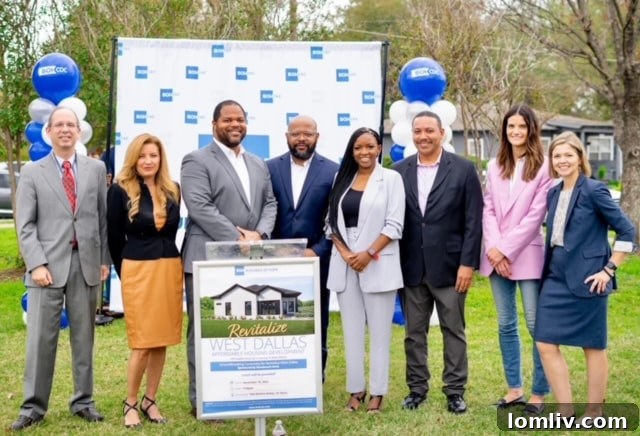
Stephanie Champion referenced findings from the National Community Reinvestment Coalition (NCRC), which indicated that Dallas experienced extensive gentrification between 2000 and 2013. This historical context underscores the urgency of the current efforts. “We know that residential displacement is a pressing concern in neighborhoods throughout our city,” Champion articulated. She further emphasized that displacement prevention was one of 11 specific recommendations stemming from the racial equity audit of the Comprehensive Housing Policy, highlighting the systemic nature of the issue. “We know we need to act now, but we want to do so intentionally,” she added, stressing the importance of well-researched and strategically implemented interventions.
The overarching mission of Builders of Hope, in alignment with the city’s vision, is to drive lasting and impactful policy change. Their goal is to “ensure that vulnerable residents in historically-marginalized communities have the right to stay as well as the opportunity to return to their neighborhoods in the face of rapid development and rising housing costs.” This dual focus—protecting current residents and facilitating the return of those who may have been forced out—speaks to a holistic understanding of community equity.
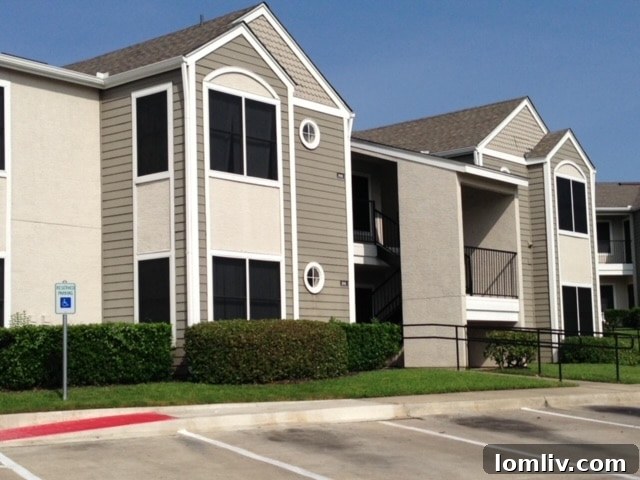
The dialogue among council members frequently revolves around the nuanced distinction between equity and equality in housing policies. District 12 Councilwoman Cara Mendelsohn, during a recent housing committee meeting, pointed out a crucial geographic disparity: Districts 10 and 12 already boast the highest number of affordable housing units. She argued that additional multi-family units might not be the most urgent need in these areas. Instead, she redirected attention to other parts of the city where “there are urgent needs and no affordable housing readily available in some places that really need your attention.” Mendelsohn’s comments underline the need for geographically sensitive and equitable distribution of affordable housing resources, ensuring that solutions are tailored to the specific needs and existing capacities of each district. Her support for Builders of Hope’s work, despite differing perspectives on where resources should be concentrated, signals a collective commitment to addressing Dallas’s housing challenges comprehensively.
In conclusion, Dallas is actively engaged in a multi-faceted endeavor to address the complex challenges of urban development, gentrification, and housing displacement. Through programs like DHAP, community advocacy in neighborhoods such as Elm Thicket/Northpark, and data-driven initiatives spearheaded by organizations like Builders of Hope, the city is striving to create a more equitable and inclusive future. While significant hurdles remain, particularly concerning program accessibility and targeted outreach, the ongoing dialogue and dedicated efforts reflect a growing commitment to ensuring that Dallas’s growth benefits all its residents, preserving the rich tapestry of its communities for generations to come.