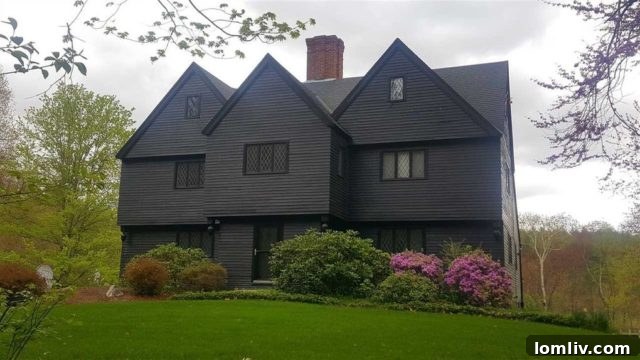
Have you ever found yourself yearning for a home deeply connected to a pivotal moment in history, specifically the infamous Salem Witch Trials, yet wished for it to be modern, in pristine condition, and perhaps, not even in Salem? If this seemingly paradoxical desire resonates with you, then prepare to be captivated. We’ve discovered a truly exceptional property that fulfills this very niche, offering a unique blend of historical homage and contemporary living.
And as an added intriguing detail, this remarkable residence is entirely clad in a striking, enigmatic black.
To truly appreciate this unique offering, we must first delve into its historical inspiration. In Salem, Massachusetts, stands a structure of profound historical significance: the Judge Jonathan Corwin Witch House. This venerable building holds the distinction of being the last remaining structure in Salem with direct ties to the chilling events of the 1692 Witch Trials. It was the home of Judge Jonathan Corwin, a key figure whose life became inextricably linked with this dark chapter of American history.
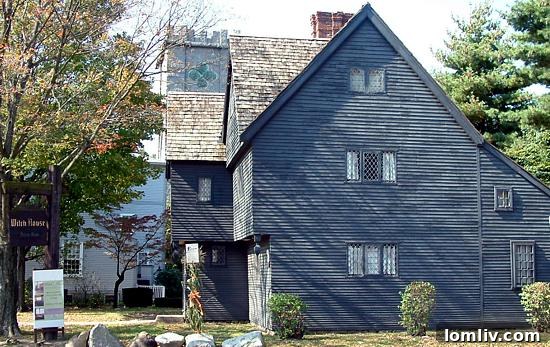
Jonathan Corwin was a prominent local judge who found himself at the epicenter of the escalating hysteria when a wave of witchcraft accusations swept through Salem and its surrounding communities. Tasked with investigating these claims of “diabolical activity,” Corwin played a significant, albeit controversial, role in the judicial proceedings that led to the tragic conviction and execution of many innocent individuals. His house, therefore, stands as a silent witness to a period of intense fear, superstition, and profound injustice.
While the actual trials and interrogations did not take place within the walls of Corwin’s home – historians confirm that such proceedings were typically conducted at public venues like the Old Meetinghouse or Ingersall’s Tavern – the house nevertheless serves as a potent symbol of the trials’ impact on the community and the individuals involved. Today, the Judge Jonathan Corwin Witch House operates as a museum, meticulously preserved to offer visitors a glimpse into 17th-century life and the complex narrative of the Witch Trials. It’s a place of reflection, education, and a tangible link to a past that continues to fascinate and caution us.

Owning the original Corwin house is, of course, impossible; it belongs to history, a public trust. But what if you could capture its essence, its commanding presence, and its architectural spirit in a home designed for modern living? This is where our extraordinary discovery comes into play.
Imagine a meticulously crafted residence that faithfully reproduces the distinctive aesthetic of the Judge Jonathan Corwin Witch House, a home that evokes the solemn grandeur of 17th-century New England, yet offers the comforts and conveniences of today. Such a home exists, and it’s located not in Salem, but in the picturesque town of Hollis, New Hampshire. This stunning property is a masterwork of architectural reproduction, designed for those who appreciate history, intricate craftsmanship, and a dwelling unlike any other.
Hollis, New Hampshire, is an idyllic New England community known for its scenic beauty, rural charm, and excellent quality of life. Nestled amidst rolling hills and lush woodlands, it offers a peaceful retreat while remaining accessible to urban centers. It’s a setting that perfectly complements the historical gravitas of this unique property, providing a serene backdrop for a house that whispers tales of centuries past.
What makes this Hollis home truly exceptional is its unwavering commitment to authenticity in its design and construction. The house is strikingly black, mirroring the distinctive exterior of its historical muse. But its homage to the 17th century goes far beyond mere color. The listing details emphasize the “handmade finishes of 17th-century construction and leaded windows,” testament to the painstaking effort involved in its creation. Every detail, from the carefully selected materials to the traditional building techniques, has been considered to transport residents back in time, all while enjoying the structural integrity and amenities of a contemporary build.
A significant highlight of this reproduction is its use of reclaimed materials, imbuing the home with genuine character and a sense of history. The listing proudly states that “Reclaimed beams from a Milford, NH Baptist Church were used and hand notched in the open beam construction on the first floor and again in the master bedroom.” This detail is particularly resonant. Not only does it showcase sustainable building practices and local historical sourcing, but it also adds layers of narrative to the house. The robust, hand-notched beams, repurposed from a venerable New Hampshire church, bring a tangible connection to the region’s heritage and the artistry of bygone eras. These exposed beams contribute significantly to the authentic colonial atmosphere, creating an impressive visual statement in key living areas and the expansive master suite.
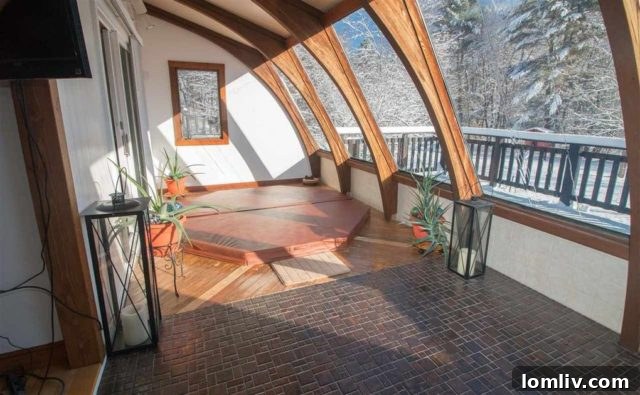
This house isn’t merely a replica; it’s a meticulously researched and executed architectural project that allows inhabitants to live within a piece of living history. It appeals to a discerning buyer who appreciates the deep narratives embedded in its design. Imagine hosting gatherings where your home’s unique story becomes a captivating conversation starter, a place where the echoes of the past meet the conveniences of the present. It’s perfect for history enthusiasts, connoisseurs of unique architecture, or anyone seeking a home that stands apart from the ordinary. The combination of its striking black exterior, the leaded windows that hint at old-world charm, and the reclaimed, hand-notched beams coalesce to create an unparalleled living experience.
For those drawn to the mystique of the Salem Witch Trials, the intellectual curiosity surrounding Judge Jonathan Corwin, or simply the dramatic beauty of 17th-century colonial architecture, this Hollis residence offers an extraordinary opportunity. It’s a chance to own a piece of history, recreated with passion and precision, without the upkeep challenges of an actual centuries-old structure. This home invites you to immerse yourself in a narrative, to appreciate the craftsmanship of a bygone era, and to live in a house that is both a faithful reproduction and a comfortable, modern dwelling.
This unique property in New Hampshire is more than just a house; it’s a conversation piece, a historical artifact in modern form, and a testament to the enduring power of history and design. It allows its owner to daily experience the architectural grandeur reminiscent of the Salem Witch Trials era, perhaps inspiring reflections on history, justice, and the human spirit. For those who dare to dream beyond the conventional, this black colonial replica stands ready to become a cherished home, imbued with character, history, and an undeniable allure.