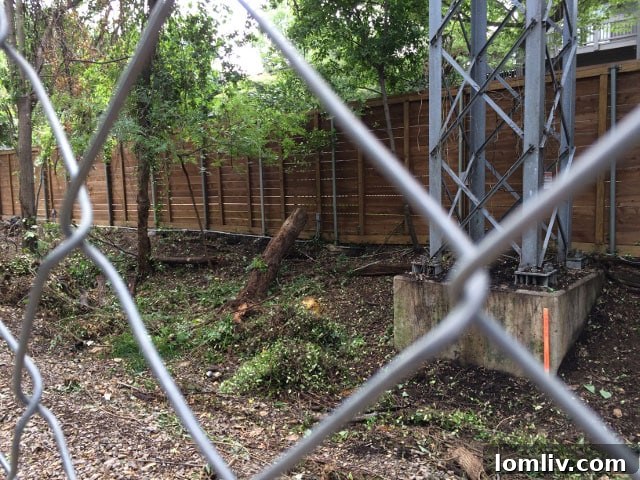
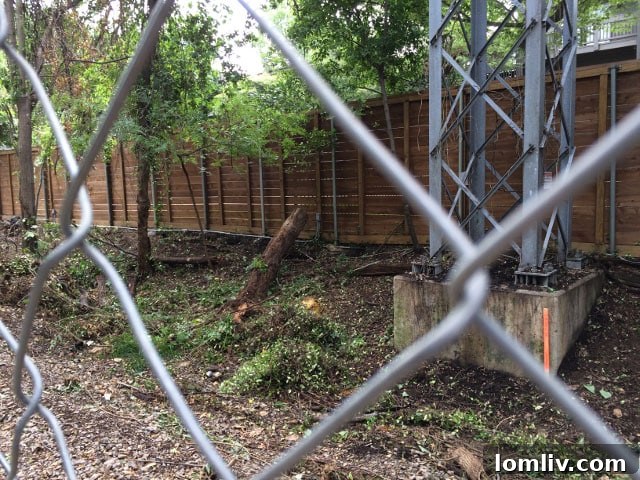
After a hiatus of over a month, my morning walk brought me back to the beloved Katy Trail today. It was with a mix of anticipation and apprehension that I observed the commencement of the much-discussed trail widening project. What greeted me, unfortunately, was a scene that raised significant concerns, feeling more like an upheaval than an enhancement.
The Katy Trail has long been a cherished artery for Dallas residents, a verdant escape offering respite from the urban hustle. Its unique character and invaluable amenities have woven it into the fabric of the community. However, the initial stages of this ambitious expansion reveal a problematic path, potentially compromising the very essence that makes the Katy Trail so special. The balance between accommodating growth and preserving natural beauty is a delicate one, and the current approach appears to be leaning heavily towards the former, at the expense of the latter.
Dallas’s Urban Ribbon Park: A Vital Cooling Canopy
The Katy Trail stands as a prime example of an urban ribbon park, a phenomenon gaining popularity in cities worldwide, where disused railway lines are ingeniously repurposed into vibrant green corridors. These linear parks are not merely pathways; they are envisioned and designed as vital urban oases, offering a breath of fresh air, opportunities for recreation, and a connection to nature amidst concrete landscapes. For Dallas, a city often synonymous with sprawling developments and intense summer heat, the Katy Trail has consistently delivered on this promise, providing a crucial escape.
What truly distinguishes the Katy Trail from many other walking and cycling paths across Dallas is its remarkable, mature tree canopy. Unlike newer trails such as the Northhaven Trail or the Trinity Strand Trail, where a tree sighting can feel like a rare event, the Katy Trail offers abundant, continuous shade along most of its length. This lush green archway creates a natural cooling system, making it an inviting and comfortable place to exercise or simply stroll, even during the scorching Texas summers. This cooling canopy isn’t just an aesthetic feature; it’s a critical functional element that enhances user comfort, promotes longer periods of outdoor activity, and contributes significantly to the urban ecosystem, helping to mitigate the urban heat island effect. It is, unequivocally, a defining characteristic and a primary reason for the trail’s immense popularity.
Eroding Beauty: The View from Buena Vista
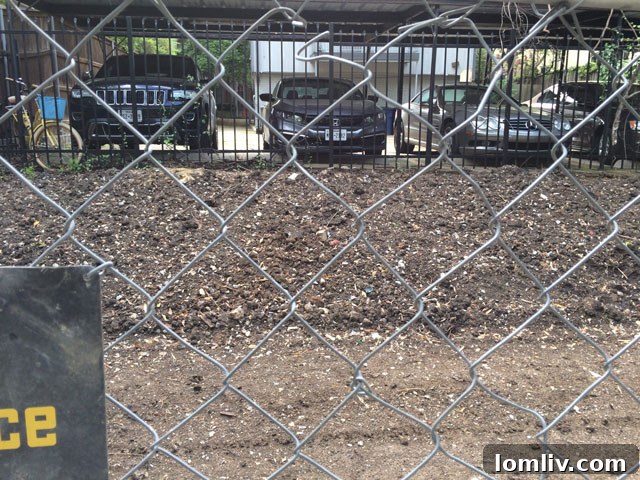
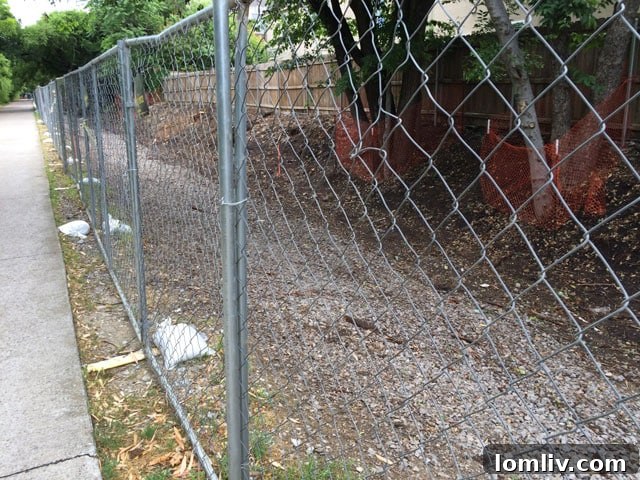
Given the trail’s well-established reputation for its natural beauty and shaded pathways, one must question the rationale behind the current widening efforts, particularly the decision to clear-cut mature trees and vegetation along one side. The immediate and stark consequence of this demolition has been the unsightly exposure of previously hidden backyard fencing, often mismatched, poorly maintained, or utilitarian in nature, belonging to the townhomes and apartment complexes lining Buena Vista Street. Furthermore, the removal of the green buffer has revealed parking structures and service areas, transforming what was once a serene, tree-lined path into a corridor flanked by the less appealing, practicalities of urban living.
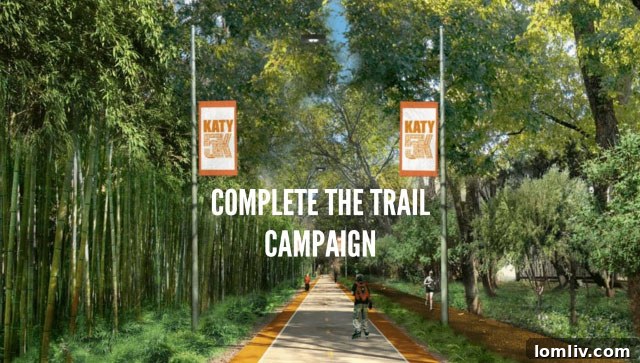
The official Katy Trail website often showcases idyllic images of a heavily-treed trail, luxuriant on both sides of the path, projecting an image of continuous natural beauty. However, the current reality, particularly in the sections undergoing widening, starkly contrasts with these carefully curated photographs. It appears that the digital enhancements often seen in promotional materials do not align with the on-the-ground execution. With the path of demolition being so close to residential structures, the new secondary “soft-surface path” will inevitably run directly adjacent to these exposed backyards. The concept of “lush vegetation” requires significant depth and space for growth; a single line of newly planted saplings simply cannot replicate the concealing power and ecological benefits of mature, deep-rooted trees. This narrow strip offers little in terms of visual screening or the rich, dense greenery that trail users have come to expect and cherish.
While the project is presented as the “fruition” of a 20-year master plan, connecting the current mile under construction from Blackburn to Knox with 2.5 miles of existing dual-lane sections, it’s crucial to acknowledge the unique sensitivity of this particular stretch. This section is precisely where the trail runs closest to residential properties, making the impact of tree removal and increased proximity to homes most acutely felt. The long-term vision, no matter how well-intended, must be re-evaluated when its immediate implementation leads to such a significant degradation of both the trail experience and the quality of life for adjacent residents.
Beyond Property Lines: Preserving Shared Aesthetics
In the past, when confronted with complaints from homeowners regarding trail encroachment, I’ve often leaned towards a pragmatic view, suggesting that property lines and potential developments should be thoroughly understood prior to purchase. However, the current situation along the Katy Trail presents a different kind of dilemma, one that extends beyond mere property disputes and delves into the collective aesthetic and environmental quality of a shared public amenity. In this instance, the widening project, by grubbing up the established green buffer and replacing it with a conspicuously narrow strip of future planting, will undeniably harm the trail’s overall aesthetics, exposing unattractive urban elements that detract from the natural experience.
It seems paradoxical that “The Friends of the Katy Trail,” an organization ostensibly dedicated to the trail’s enhancement, would oversee a project that compromises its natural beauty. Their own mission statements, often touting “opportunities to enhance the landscape,” alongside their use of heavily “photoshopped” promotional images, suggest an understanding that verdant greenery is absolutely integral to the Katy Trail experience. Yet, the current demolition appears to contradict this very principle. The critical distinction lies not just in planting new trees, but in the depth and maturity of those planting areas. Replacing decades-old, established trees with young saplings is not an equal exchange; it’s a decision with a multi-decade recovery period, during which the trail will lack its signature canopy and natural privacy screen. The environmental benefits, the cooling effect, and the visual appeal of mature trees take years, even generations, to cultivate, and their loss represents a significant setback for the trail’s ecological and aesthetic value.

Challenging the ‘Build It and They Will Come’ Philosophy
A primary justification offered by the Friends of the Katy Trail for this expansion is the staggering increase in annual trail usage, now exceeding one million visits. The logical leap then becomes: more visitors necessitate more capacity. However, this line of reasoning, while seemingly straightforward, oversimplifies complex urban planning and human behavior dynamics. It’s an argument that echoes outdated urban planning principles, particularly the concept of “induced demand.”
For decades, urban planners believed that constructing more roads was the definitive solution to traffic congestion. The flawed logic suggested that increasing roadway capacity would alleviate bottlenecks and reduce travel times. Yet, history has repeatedly shown us the opposite: more roads invariably lead to more driving. People adjust their behaviors, longer commutes become acceptable, and urban sprawl intensifies, ultimately resulting in the same, or even worse, levels of congestion. The parallel to the Katy Trail widening is striking. By expanding the trail’s capacity, the expectation is that more people can use it comfortably. However, the likely outcome, based on principles of induced demand, is that more people will be drawn to the trail, leading to an even more crowded environment than before, potentially diminishing the very experience that attracts users in the first place.
Consider the analogy: to effectively limit the size of a party and ensure a pleasant experience, one opts for a smaller room, not a larger one. This isn’t about exclusion, but about maintaining quality of experience. The same principle applies to public spaces like the Katy Trail. The informal self-regulation of public spaces, driven by factors like personal space and perceived enjoyment, often dictates user density. If a trail becomes too crowded, some users naturally seek alternatives or adjust their usage patterns. By artificially increasing capacity without addressing the qualitative experience, the project risks eroding the sense of peace, connection with nature, and personal space that many users seek. It could inadvertently transform a beloved urban oasis into a congested thoroughfare, paradoxically making it less enjoyable for everyone. Sustainable urban planning often advocates for intelligent management of existing resources, promoting alternative routes, staggering usage times, or encouraging different modes of transport, rather than simply expanding infrastructure indefinitely, especially when it comes at the cost of essential environmental features.
Balancing Progress: A Glimmer of Red, But a Larger Green Concern
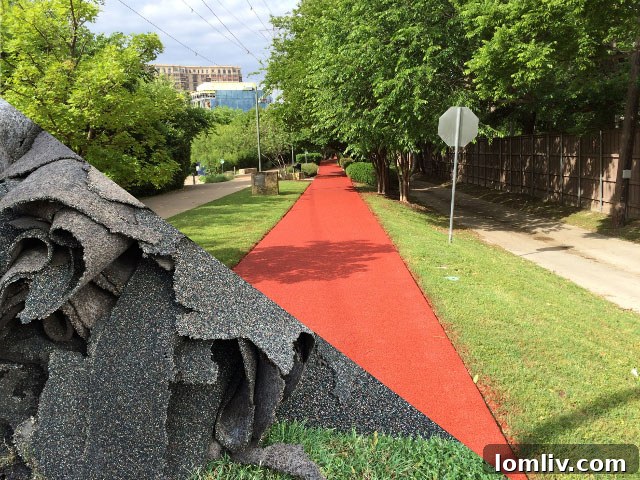
While the overall impact of the widening project presents significant aesthetic and environmental drawbacks, it’s fair to acknowledge that not every aspect is negative. For instance, the existing secondary soft-surface trails are undergoing a refreshing resurfacing, now sporting a vibrant bright red. The removal of the old, faded gray surface for this new, cheerful hue creates a striking and festive color scheme when juxtaposed with the surrounding greenery. One can almost envision the December marathon being playfully renamed the “Katymas Marathon,” embracing this unexpected dash of holiday cheer.
However, this minor aesthetic uplift, while pleasant, pales in comparison to the larger concerns surrounding the loss of mature trees and the impact on the trail’s vital cooling canopy. The ultimate goal for the Katy Trail, particularly in a climate as warm as Dallas, should be to deepen and enclose its tree canopy, thereby increasing the invaluable shade it provides. This focus would not only enhance user comfort and extend the usability of the trail during peak heat but also significantly contribute to the city’s climate resilience and biodiversity. Widening the trail at the expense of this critical natural infrastructure appears to be a misdirected effort, prioritizing raw capacity over the quality of the user experience and the long-term ecological health of this precious urban asset. The genuine enhancement of the Katy Trail should always revolve around reinforcing its role as a shaded, verdant sanctuary, not diminishing it for additional width.
In conclusion, the Katy Trail widening project, while perhaps intended to accommodate growing popularity, risks undermining the very characteristics that define its charm and utility. The removal of mature trees along Buena Vista Street not only exposes unsightly urban elements but also compromises the essential cooling canopy, a feature that sets the Katy Trail apart from other Dallas green spaces. The argument for increased capacity, when viewed through the lens of induced demand, suggests that more space may paradoxically lead to greater crowding and a diminished user experience. While minor improvements like the soft-surface resurfacing are noted, they do not outweigh the significant environmental and aesthetic costs. Moving forward, the focus for the Katy Trail’s development should pivot towards thoughtful stewardship, prioritizing the preservation and enhancement of its natural, shaded environment over a simple expansion of physical footprint, ensuring its legacy as a true urban oasis for generations to come.