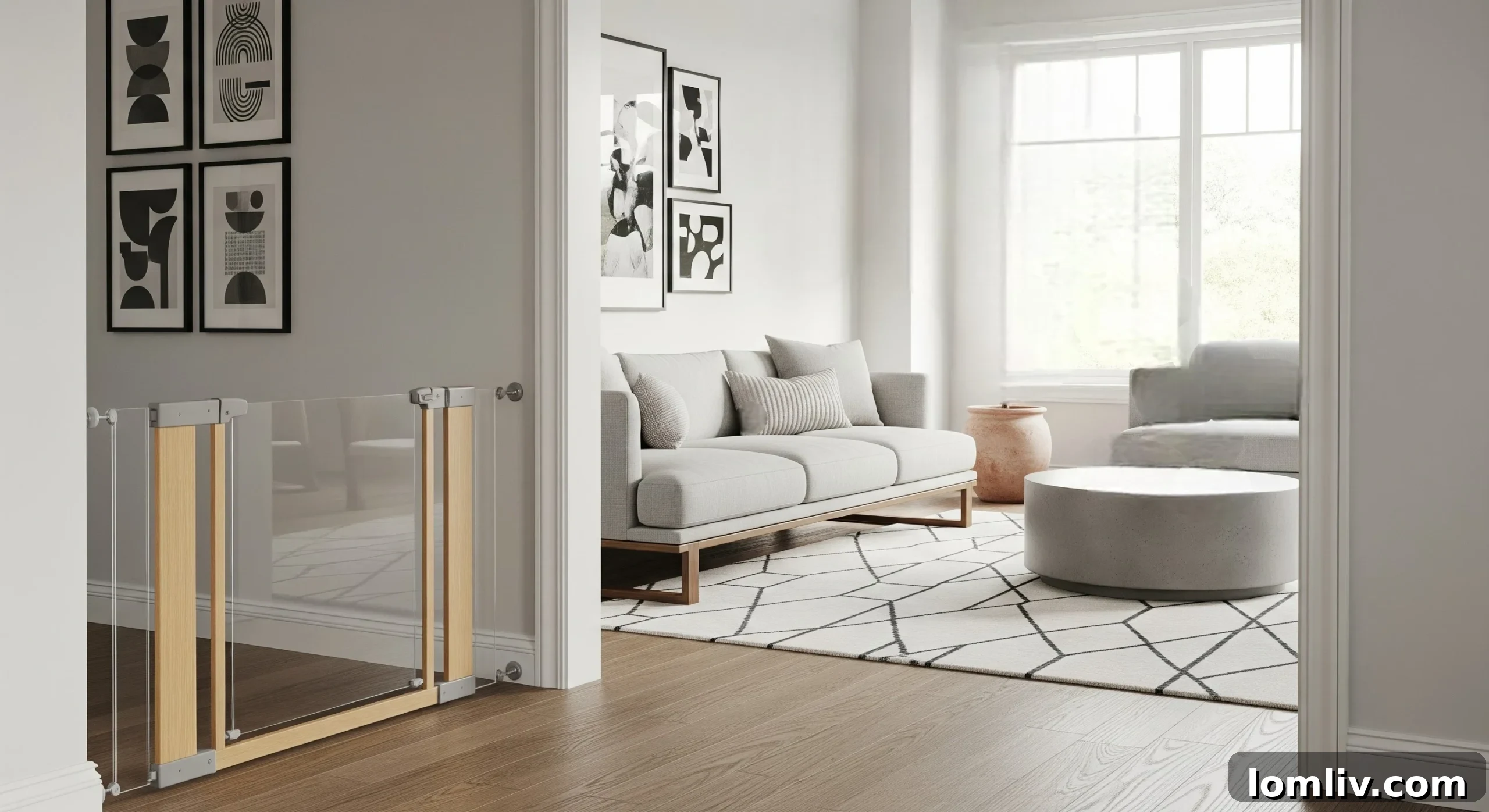
Ensuring the safety of children is paramount for every parent and caregiver. Among the most effective tools for preventing falls and accidents in homes with multi-level layouts, a high-quality **baby gate for the stairs** stands out as an indispensable safety device. Navigating the myriad options available can be daunting, but making an informed choice is crucial for peace of mind and effective child protection. This comprehensive guide will walk you through the most critical features to consider when selecting a stair safety gate, helping you make a confident decision that prioritizes your child’s well-being.
Adherence to Safety Standards: Your Child’s First Line of Defense
To provide genuine protection, any **baby gate for stairs** you choose must unequivocally meet current safety guidelines. Always look for gates that have been certified by reputable safety organizations such as the Juvenile Products Manufacturers Association (JPMA) or comply with ASTM International safety standards. These certifications are not merely labels; they signify that the product has undergone rigorous testing for strength, durability, and hazardous components. A gate that proudly displays these certifications assures you that it has been evaluated against potential risks like finger entrapment, structural collapse, or toxic materials, significantly reducing the risk of injury and offering invaluable peace of mind. Investing in a certified safety gate means investing in a proven safeguard for your adventurous little one.
Material Quality: Durability Meets Home Aesthetics
The material composition of a baby gate plays a pivotal role in its overall durability, stability, and longevity. Manufacturers commonly construct gates from robust materials such as wood, metal, or durable plastics. Each material offers distinct advantages and caters to different needs and home styles. Metal gates, often crafted from steel or aluminum, are renowned for their exceptional sturdiness and long-lasting nature. They typically boast a sleek, modern aesthetic and are highly resistant to chewing or scratching. Wooden gates, conversely, often offer a warmer, more decorative appearance, blending seamlessly with traditional or rustic home décor. They can be incredibly robust but may require more care to maintain their finish. Plastic gates are usually lighter, often more affordable, and perfect for temporary or portable solutions. When making your selection, consider not only the gate’s ability to withstand daily use and toddler challenges but also how well it complements your home’s existing style and color palette.
Ease of Installation: Secure Setup Without the Hassle
The ease and method of installation are critical factors when choosing a **baby gate for stairs**. An intuitive and straightforward installation process saves you valuable time and effort, ensuring the gate is set up correctly for maximum safety. Generally, baby gates fall into two primary installation categories: pressure-mounted and hardware-mounted.
- Pressure-Mounted Gates: These gates rely on tension to stay in place, expanding to fit the opening without the need for drilling or permanent fixtures. They are an excellent choice for doorways between rooms or for temporary use, particularly in rental properties where drilling is prohibited. However, it is crucial to understand that pressure-mounted gates are generally NOT recommended for the top of stairs, as a strong push or fall could dislodge them, posing a significant safety hazard. Their quick setup and portability are key advantages for low-risk areas.
- Hardware-Mounted Gates: These gates attach permanently to walls or banisters with screws and brackets, offering the most secure and stable installation. They are unequivocally the safest option for the top of stairs, providing a solid barrier that cannot be easily dislodged. While they require drilling and a more involved installation process, the unparalleled stability they offer is well worth the effort, especially in high-traffic or high-risk areas like stairwells. Some modern designs offer hybrid solutions or innovative mounting systems that minimize damage while maximizing security.
Always select an installation type that is appropriate for your specific stair layout and provides the highest level of stability and security required for your peace of mind.
Adjustability: Perfect Fit for Any Opening
A truly versatile **baby gate for stairs** offers excellent adjustability, allowing it to conform perfectly to a variety of opening widths. Homes rarely have uniform doorways, especially around staircases, which can feature various widths, banisters, and wall angles. Many gate models come equipped with modular extensions that can be added or removed to bridge wider spaces, ensuring a snug and secure fit. Before purchasing, meticulously measure the width of your stair opening at both the top and bottom. Consider gates that not only adjust in width but also offer flexible mounting options for irregular banister shapes or baseboards. A precisely fitted gate is crucial; gaps that are too wide can become an entrapment hazard, while a gate that is too narrow may not offer sufficient stability. Ensuring the gate can be adjusted to fit different stair layouts guarantees proper coverage and enhances overall safety.
Locking Mechanism: Child-Resistant, Adult-Friendly
The integrity of a baby gate’s locking mechanism is fundamental to its effectiveness. The latch system should be robust enough to withstand a determined toddler’s attempts to open it, yet simultaneously intuitive and easy for an adult to operate, ideally with one hand. A dual-locking system or a mechanism requiring two distinct actions (e.g., pushing down and lifting up, or squeezing and sliding) adds an extra layer of security. These multi-step processes are typically too complex for young children to master, effectively deterring curious little hands from gaining unauthorized access to the stairs. Avoid gates with simple lever or push-button latches that a clever child might quickly figure out. Look for designs that inherently challenge a child’s dexterity and problem-solving skills, ensuring they remain safely on one side of the barrier.
Height Considerations: Preventing the Climb
When selecting a **baby-safe product** like a stair gate, its height is one of the most critical factors. An appropriately tall gate is essential for preventing children from climbing over it. As toddlers grow, they become increasingly agile and adventurous, often testing boundaries and developing new climbing skills. The more active or determined your child, the taller the gate should ideally be. Generally, safety gates that are at least 30 inches (76 cm) tall are a good starting point for most homes, providing a sufficient barrier for crawling infants and young toddlers. However, for older, taller, or more tenacious climbers, models reaching 36 inches (91 cm) or even 42 inches (107 cm) may be a more prudent choice. Always consider your child’s current climbing abilities and anticipate their growth when determining the ideal height, ensuring they cannot easily scale the barrier.
Swing Direction: Maximizing Safety and Convenience
The way a gate swings open can significantly impact both convenience and, more importantly, safety, particularly at the top of stairs. While some gates offer two-way swing functionality, allowing them to open in either direction, for stairways, it is unequivocally safest to choose a gate that swings only AWAY from the stairs. This design prevents the gate from inadvertently opening over the stairwell, eliminating the risk of a child (or even an adult) falling down the steps if the gate is opened improperly or accidentally. Consider the natural flow of traffic around your stairs and select a gate that opens in a direction that feels intuitive and safe for daily use. Many gates also feature an “auto-close” mechanism, which automatically swings the gate shut and locks it behind you, adding another layer of passive security and reducing the chance of accidental oversight.
Appearance and Design: Blending Safety with Style
While functionality and safety are paramount, the aesthetic integration of a baby gate into your home environment can also be an important consideration for many parents. Modern **baby gates for stairs** are no longer limited to purely utilitarian designs; a vast array of styles, finishes, and colors are now available, allowing you to find a gate that complements your existing furniture and overall home décor. Whether you prefer the classic warmth of wood, the sleek lines of metal, or minimalist retractable designs, there’s a gate to match almost any interior. Ideally, your chosen gate should be both highly functional and visually appealing, adding a crucial layer of safety without making your living space feel cluttered, industrial, or out of place. Some gates offer customizable panels or unique architectural designs that truly integrate seamlessly.
Portability: Safety On-The-Go
For families who are frequently on the move, travel often, or require safety solutions in multiple locations, a portable baby gate can be an incredibly practical investment. Some models are specifically designed to fold flat for effortless storage and transportation, making them perfect companions for visits to family and friends, hotel stays, or simply moving between different supervised areas within your own home. If you anticipate needing to relocate the gate regularly, prioritize models that are lightweight, compact when folded, and feature a quick, tool-free setup and takedown. These gates often employ pressure-mounted systems for ease of use in various temporary settings, though remember to reserve them for non-stairway openings or the bottom of stairs where falling is not a primary concern. The convenience of portability can greatly enhance safety away from home.
Cost Consideration: Balancing Budget and Quality
Price is naturally a significant factor for most families when comparing baby gates. It’s essential to strike a sensible balance between cost-effectiveness and the uncompromising quality and reliability needed for child safety. While the market offers a wide spectrum of budget-friendly options, it is generally advisable to view a stair safety gate as an investment in your child’s protection. Spending a bit more upfront on a sturdy, well-engineered, and certified gate often translates into greater durability, enhanced safety features, and a longer lifespan. Higher-priced gates may feature premium materials, advanced locking mechanisms, more extensive adjustability, or superior aesthetic finishes. Investing in a durable, high-quality gate can ultimately save you money and frustration in the long run by reducing the need for replacements and providing consistent, dependable security. Always prioritize safety and quality over the absolute lowest price when it comes to essential child safety products.
Maintenance and Cleaning: Keeping Your Gate Pristine
Maintaining your **baby gate for stairs** is crucial for its longevity and continued effectiveness. Regularly inspect the gate for any signs of wear and tear, such as loose screws, damaged latches, or cracks in the material. Promptly address any issues to ensure the gate remains fully functional. Cleaning is typically straightforward: most gates can be wiped down with a damp cloth and mild soap. Avoid harsh chemicals or abrasive cleaners, as these can damage the finish or materials. For metal gates, ensure hinges are free of rust and operate smoothly. For wooden gates, check for splinters or rough patches that could injure curious hands. A well-maintained gate not only looks better but also performs its critical safety function reliably day after day.
Strategic Placement: Where to Install Your Baby Gate
The strategic placement of your baby gate is just as important as the gate itself. For stairs, gates should always be installed at both the top and bottom. The gate at the top of the stairs must always be a hardware-mounted gate for maximum security; a pressure-mounted gate is simply too risky here. Ensure the gate is installed correctly, with no gaps larger than 3 inches (7.6 cm) that a child could potentially squeeze through. At the bottom of the stairs, either a hardware-mounted or a pressure-mounted gate can be used, though hardware-mounted is always the more secure option. Consider any landings or open-plan areas adjacent to staircases; these might also require gates to create a complete safe zone for your child. Proper placement ensures that your child cannot access the stairs unsupervised from any angle.
Conclusion: Your Guide to a Safer Home with the Right Baby Gate
Choosing the ideal **baby gate for stairs** can indeed feel like a significant undertaking, given the multitude of factors involved – from stringent safety standards and robust material quality to intuitive installation, flexible adjustability, secure locking mechanisms, appropriate height, and convenient swing direction. Beyond these core safety elements, considerations such as aesthetic appeal, portability for dynamic family lifestyles, and a balanced cost-quality ratio also play a role in making the best decision for your household. By carefully considering each of these points, caregivers are empowered to select a gate that is not only supremely safe and highly practical but also visually harmonious with their home’s environment. The right stair safety gate is a vital component of any child-safe home, effectively protecting your little one from the inherent dangers of stairways, seamlessly fitting into your living space, and ultimately providing you with invaluable peace of mind every single day.